Jiri Weil – författare
Visar alla böcker från författaren Jiri Weil. Handla med fri frakt och snabb leverans.
8 produkter
Mendelssohn auf dem Dach
Av Jiri Weil
E-bok, 2019
237 kr
Lägg i varukorg
Heydrich tobt. Gerade erst hat der »Reichsprotektor von Böhmen und Mähren« das ehrwürdige Konzerthaus Rudolfinum zum »Haus der deutschen Kunst« umwidmen lassen, da entdeckt er unter den Komponistenstatuen auf dem Dach einen Juden: Mendelssohn-Bartholdy.Der SS-Anwärter Julius Schlesinger erhält den …
Leben mit dem Stern
Av Jiri Weil
E-bok, 2020
126 kr
Lägg i varukorg
Vielleicht hätte er doch auf sie hören sollen, auf seine Ruzena, als sie zu ihm gesagt hatte: »Flieh Josi, du wirst ein furchtbares Leben haben.« Aber er hatte sich gefürchtet, über die Grenze zu gehen. Und jetzt saß er da, in seinem leeren Zimmer, im verlassenen Haus mit zertrümmertem Dach, in der …
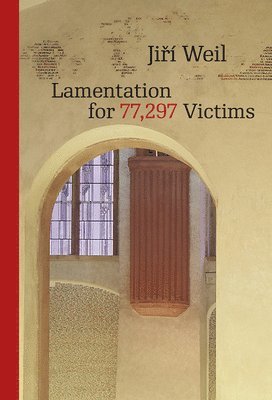
Lamentation for 77,297 Victims
Av Jirí Weil
Häftad, 2021
113 kr
Lägg i varukorg
“Smoke from nearby factories shrouds a countryside as flat as a table, a countryside stretching off to infinity. Covering it are the ashes of millions of dead. Scattered throughout are fine pieces of bone that ovens were not able to burn. When the wind comes, ashes rise to the heavens, bone …
Liv med en stjärna
Av Jiri Weil
Inbunden, 1998
129 kr
Lägg i varukorg
Jiri Weil överlevde förintelsen genom att fingera sitt självmord när han fick kallelsen att infinna sig till en transport. Romanen bär det självupplevdas prägel. I sin recension i Sydsvenskan hösten 1998 skrev Åke Leijon- hufvud: "Det som slår en när man läser 'Liv med en stjärna', det fullständigt …