Jiun-Chuan Lin - Böcker
Visar alla böcker från författaren Jiun-Chuan Lin. Handla med fri frakt och snabb leverans.
3 produkter
3 produkter
1 593 kr
Skickas inom 10-15 vardagar
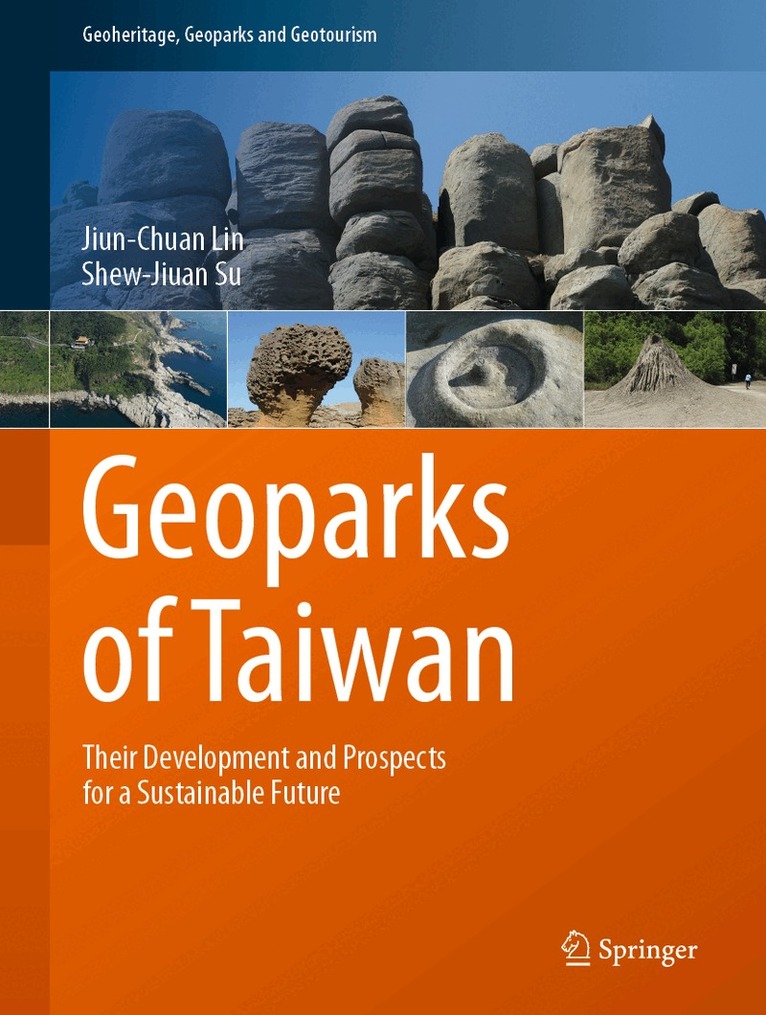
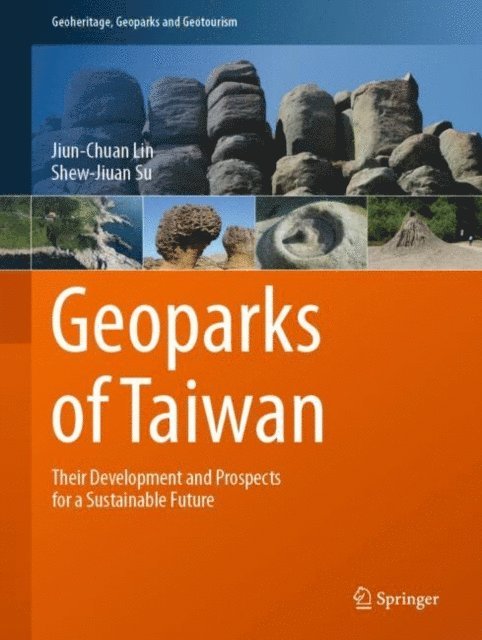
This book offers an essential introduction to Taiwan’s geoparks, issues related to their development, and prospects for a sustainable future. It discusses how promoting geoparks can serve as a tool for a sustainable society based on the lessons learned in Taiwan. Situated in a tectonically dynamic geological setting (at the boundary of the Eurasian and the Philippine Plates) and culturally diversified geographical setting, Taiwan is an ideal candidate for showcasing its “natural wonders” in geoparks, promoting landscape conservation, and expanding the horizons of geoheritage world-wide. The book begins by illustrating the physical and human environments of Taiwan’s geoparks, helping readers understand their foundation. In turn, the second section includes chapters describing the development of all six Taiwanese geoparks, offering comprehensive information on each. Lastly, it illustrates the social development and mechanisms used to promote each geopark.
1 593 kr
Skickas inom 10-15 vardagar
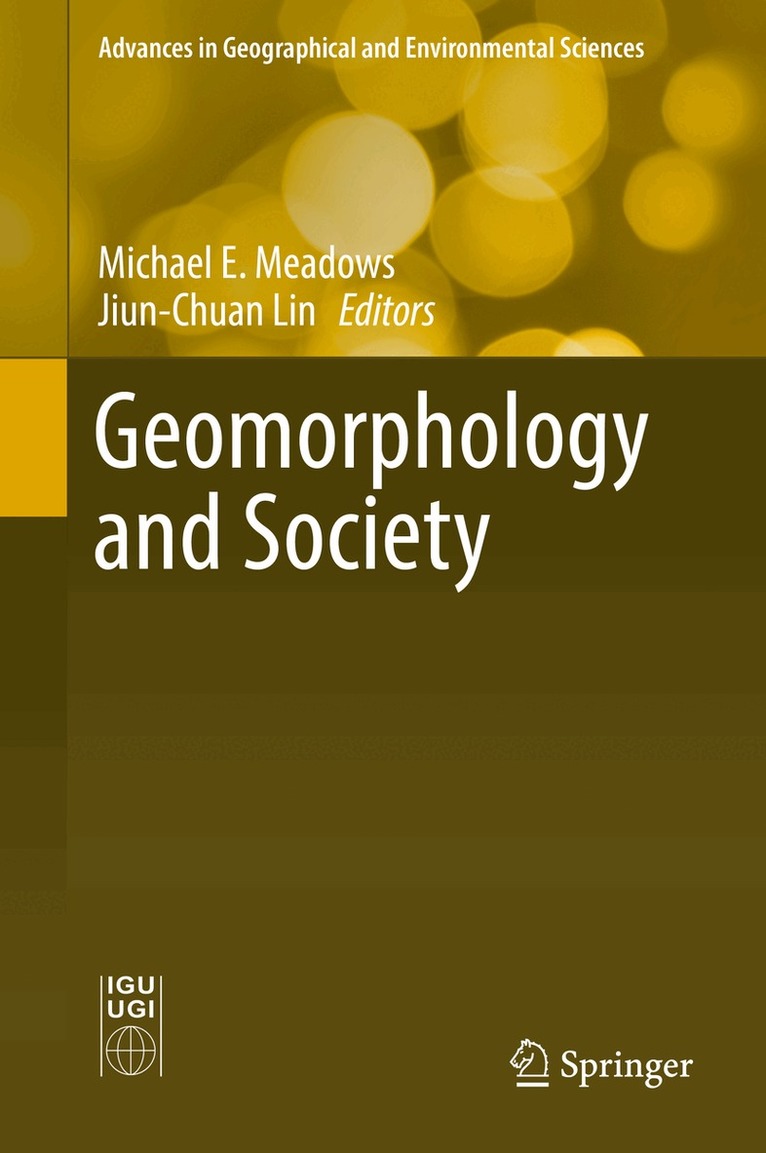
Thisbook deals with the relationship between geomorphology and society. This topic hashad rather scant treatment in the literature except to some extent under thelabel “applied geomorphology”. In this text the authors aim to bring togetherconceptual issues and case studies of how geomorphology influences society and,indeed, how society is in turn influenced by geomorphology. In an age in whichthe influence of human activities on global environments has become soparamount that it is increasingly common to refer to it geologically as the “anthropocene”,the book aims to reflect on the geomorphological significance of widespread anddiverse forms of human impact in a range of environmental settings.
1 593 kr
Skickas inom 10-15 vardagar
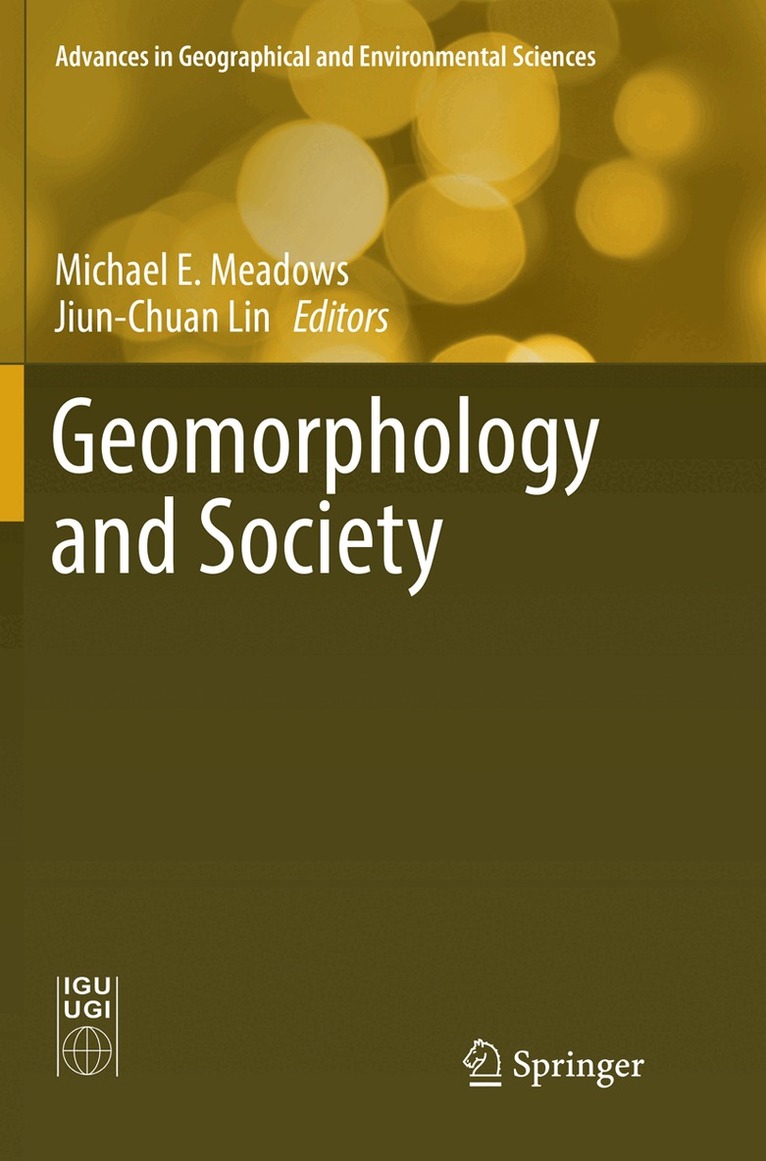
Thisbook deals with the relationship between geomorphology and society. This topic hashad rather scant treatment in the literature except to some extent under thelabel “applied geomorphology”. In this text the authors aim to bring togetherconceptual issues and case studies of how geomorphology influences society and,indeed, how society is in turn influenced by geomorphology. In an age in whichthe influence of human activities on global environments has become soparamount that it is increasingly common to refer to it geologically as the “anthropocene”,the book aims to reflect on the geomorphological significance of widespread anddiverse forms of human impact in a range of environmental settings.