Jivanta Schoettli – författare
Visar alla böcker från författaren Jivanta Schoettli. Handla med fri frakt och snabb leverans.
10 produkter
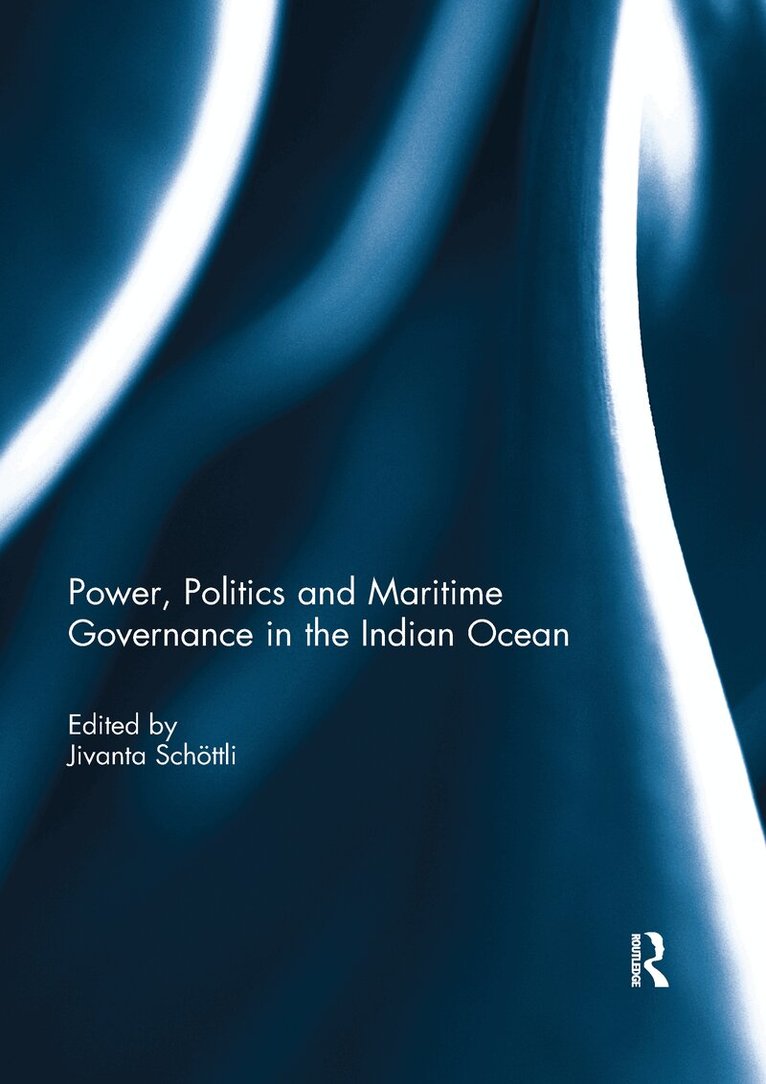
Power, Politics and Maritime Governance in the Indian Ocean
Häftad, 2020
636 kr
Lägg i varukorg
The Indian Ocean is of tremendous geo-political and strategic relevance. More than eighty per cent of global seaborne trade in oil passes through the Ocean. Access to resources is under-regulated (fishing) or has yet to be conceived (deep sea bed mining) and security concerns such as piracy and the …
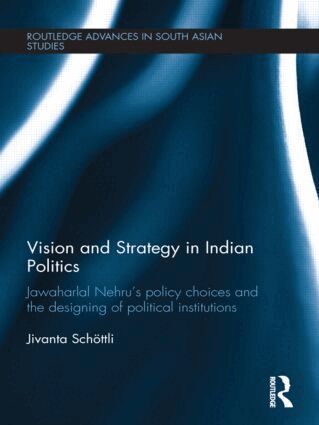
Vision and Strategy in Indian Politics
Jawaharlal Nehru’s Policy Choices and the Designing of Political Institutions
Inbunden, 2011
2826 kr
Lägg i varukorg
The 1950s in India were a crucial transition phase where the legacy and institutions of British rule had to be transformed to fit the needs of a post-colonial state. This period is closely associated with India’s first Prime Minister, Jawaharlal Nehru (1947 – 64). Selecting three key policies …
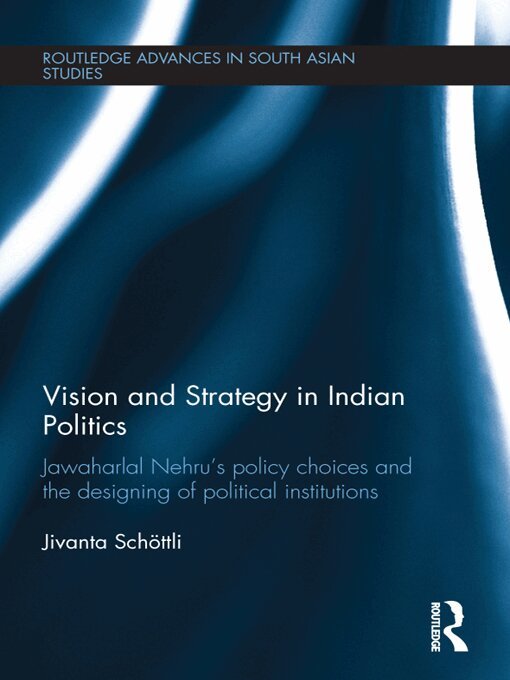
Vision and Strategy in Indian Politics
Jawaharlal Nehru’s Policy Choices and the Designing of Political Institutions
E-bok, 2012
949 kr
Lägg i varukorg
The 1950s in India were a crucial transition phase where the legacy and institutions of British rule had to be transformed to fit the needs of a post-colonial state. This period is closely associated with India’s first Prime Minister, Jawaharlal Nehru (1947 – 64). Selecting three key policies …
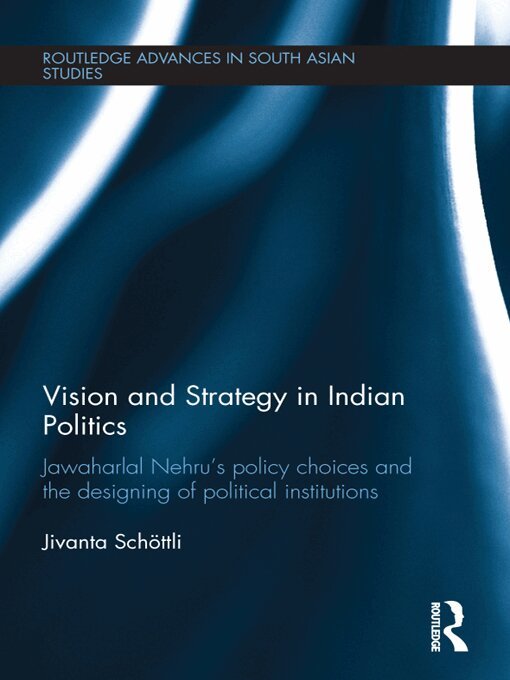
Vision and Strategy in Indian Politics
Jawaharlal Nehru’s Policy Choices and the Designing of Political Institutions
E-bok, 2012
970 kr
Lägg i varukorg
The 1950s in India were a crucial transition phase where the legacy and institutions of British rule had to be transformed to fit the needs of a post-colonial state. This period is closely associated with India’s first Prime Minister, Jawaharlal Nehru (1947 – 64). Selecting three key policies …
Vision and Strategy in Indian Politics
Jawaharlal Nehru’s Policy Choices and the Designing of Political Institutions
Häftad, 2017
822 kr
Lägg i varukorg
The 1950s in India were a crucial transition phase where the legacy and institutions of British rule had to be transformed to fit the needs of a post-colonial state. This period is closely associated with India’s first Prime Minister, Jawaharlal Nehru (1947 – 64). Selecting three key policies …
Power, Politics and Maritime Governance in the Indian Ocean
Inbunden, 2014
2311 kr
Lägg i varukorg
The Indian Ocean is of tremendous geo-political and strategic relevance. More than eighty per cent of global seaborne trade in oil passes through the Ocean. Access to resources is under-regulated (fishing) or has yet to be conceived (deep sea bed mining) and security concerns such as piracy and the …
Politics in South Asia
Culture, Rationality and Conceptual Flow
Av Siegfried O. Wolf, Jivanta Schöttli m. fl.
Inbunden, 2014
555 kr
Lägg i varukorg
The book introduces central themes that have preoccupied the field of South Asian politics over the last few decades and identifies new, emerging areas of research. Presenting both general political theory and context-specific case studies, the collection draws attention to the methodological …
Dynamics of Transculturality
Concepts and Institutions in Motion
Av Antje Flüchter, Jivanta Schöttli
Häftad, 2014
555 kr
Lägg i varukorg
The purpose of this volume is to identify and analyze the mechanisms and processes through which concepts and institutions of transcultural phenomena gain and are given momentum. Applied to a range of cases, including examples drawn from ancient Greece and modern India, the early modern Portuguese …
Politics in South Asia
Culture, Rationality and Conceptual Flow
Av Siegfried O. Wolf, Jivanta Schöttli m. fl.
Häftad, 2016
552 kr
Lägg i varukorg
The book introduces central themes that have preoccupied the field of South Asian politics over the last few decades and identifies new, emerging areas of research. Presenting both general political theory and context-specific case studies, the collection draws attention to the methodological …
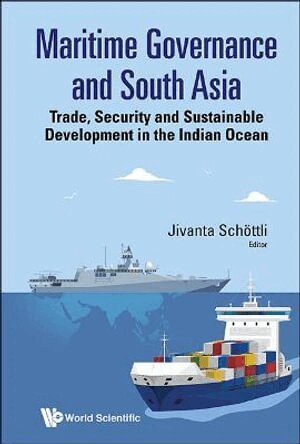
MARITIME GOVERNANCE AND SOUTH ASIA: TRADE, SECURITY AND SUSTAINABLE DEVELOPMENT IN THE INDIAN OCEAN
Av Schottli Jivanta, Jivanta Schöttli
Inbunden, 2018
1303 kr
Lägg i varukorg
"The editor has grouped the 15 substantive chapters into one of four themes: order, leadership, institutions, and prospects and perspectives. She succinctly expresses the unifying challenge within the region as one of managing rapid growth but also confronting its vulnerability. There is much of …