Joachim Schummer - Böcker
Visar alla böcker från författaren Joachim Schummer. Handla med fri frakt och snabb leverans.
5 produkter
5 produkter
455 kr
Skickas inom 10-15 vardagar
Chemie! Als Schulfach wird sie von wenigen geliebt und von vielen gefürchtet. Im Alltag ist sie allgegenwärtig, unverzichtbar und doch häufig Gegenstand gesellschaftlicher Kontroversen. Wie sich die Kluft zwischen Ansehen und Bedeutung der Chemie überbrücken lässt, ist die Leitfrage dieses Bandes. Autoren aus Wirtschaft, Naturwissenschaft sowie Geschichte, Philosophie und Sozialwissenschaften reflektieren Fragen der öffentlichen Wahrnehmung, Ethik und Perspektiven für die Chemie-Kommunikation._____Das Verhältnis zwischen Chemie und Gesellschaft ist wie bei keiner anderen Naturwissenschaft seit Jahrhunderten gespalten. Alles Chemische ruft bei vielen Menschen Unbehagen hervor, gilt oft pauschal als unnatürlich, giftig und gefährlich. Der Band unternimmt erstmals den Versuch, das Spannungsverhältnis zwischen Chemie und Gesellschaft genauer zu beleuchten und Lösungswege aufzuzeigen. Die Beiträge untersuchen zunächst mit soziologischen und demoskopischen Methodendas öffentliche Bild der Chemie, liefern kulturhistorische Erklärungen für seine Entstehung und zeigen Möglichkeiten auf, wie Chemie und Gesellschaft wieder zusammenkommen können durch neue Wege der Chemiedidaktik und Chemieausbildung, Wissenschaftskommunikation, Ethik und des gesellschaftlichen Dialogs.Der Band vereinigt Beiträge aus den Geistes- und Sozialwissenschaften mit Beiträgen von der universitären und industriellen Chemie sowie von hochrangigen Vertretern der Wissenschaftspolitik. Er begründet zukunftsweisend eine nationale Forschungs- und Lehrinitiative zur Rolle der Chemie in der Gesellschaft.Der Band erfüllt in vielerlei Hinsicht ein Desiderat, das heute umso dringlicher erscheint. Je wichtiger die Chemie bei der Lösung gesellschaftlicher Probleme wird (insbesondere der Umwelt, Energie, Gesundheit, Rohstoffe und Ernährung), desto notwendiger ist eine Klärung und Harmonisierung ihres Verhältnisses zur allgemeinen Gesellschaft.Die verbreiteten Klagen von Chemikern über ihr schlechtes öffentliches Bild ersetzt dieser Band durch fundierte Erkenntnisse über seine Beschaffenheit, Ursachen und Verbesserung und liefert so eine solide Handlungsgrundlage. Darüber hinaus fordern inzwischen nationale und internationale Fachorganisationen (u.a. die Akkreditierungsagentur ASIIN und das European Chemistry Thematic Network (ECTN) für den „Chemistry Eurobachelor“) die Integration der Thematik „Chemie und Gesellschaft“ in die universitäre Chemieausbildung, was in Deutschland bisher noch nicht umgesetzt ist. Die Studienkommission der GDCh hat diese Anforderung in ihrer jüngsten Empfehlung vom März 2015 explizit aufgenommen. Der Band wird daher zum richtigen Zeitpunkt erscheinen, um als Lehrmaterial für die entsprechenden neuen Lehrveranstaltungen dienen zu können.
2 686 kr
Skickas inom 3-6 vardagar
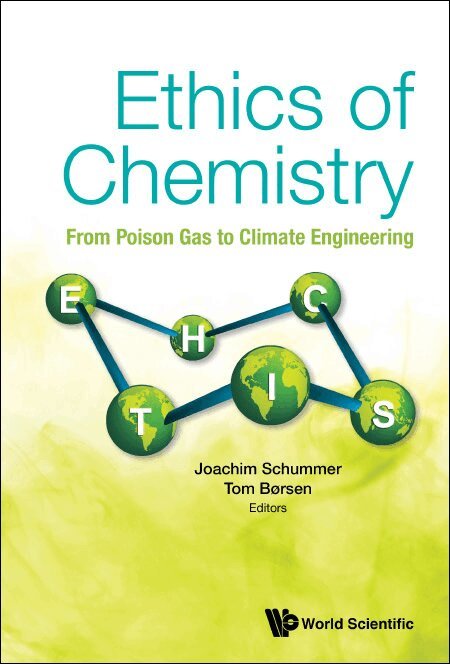
"Overall, this collection of case studies provides an outstanding starting point for understanding the ethics of chemistry. It is an extremely important contribution to the study of chemical ethics … Ethics of Chemistry is a key resource for educators interested in integrating ethics instruction into their chemistry curricula … an important foundation for equipping students with the moral judgement and analytical skills necessary to contend with the ethical issues they are likely to face in their professional lives."Nature Chemistry"… the book offers a general introduction to many relevant topics concerning the values, responsibilities, and judgements in (and of) chemistry. The volume could be helpful for university students and teachers or even general readers interested in the ethics of chemistry." [Read Full Review]José Ramón Bertomeu-SánchezAmbixAlthough chemistry has been the target of numerous public moral debates for over a century, there is still no academic field of ethics of chemistry to develop an ethically balanced view of the discipline. And while ethics courses are increasingly demanded for science and engineering students in many countries, chemistry is still lagging behind because of a lack of appropriate teaching material. This volume fills both gaps by establishing the scope of ethics of chemistry and providing a cased-based approach to teaching, thereby also narrating a cultural history of chemistry.From poison gas in WWI to climate engineering of the future, this volume covers the most important historical cases of chemistry. It draws lesson from major disasters of the past, such as in Bhopal and Love Canal, or from thalidomide, Agent Orange, and DDT. It further introduces to ethical arguments pro and con by discussing issues about bisphenol-A, polyvinyl chloride, and rare earth elements; as well as of contested chemical projects such as human enhancement, the creation of artificial life, and patents on human DNA. Moreover, it illustrates chemical engagements in preventing hazards, from the prediction of ozone depletion, to Green Chemistry, and research in recycling, industrial substance substitution, and clean-up. Students also learn about codes of conduct and chemical regulations.An international team of experts narrate the historical cases and analyse their ethical dimensions. All cases are suitable for undergraduate teaching, either in classes of ethics, history of chemistry, or in chemistry classes proper.
975 kr
Skickas inom 3-6 vardagar
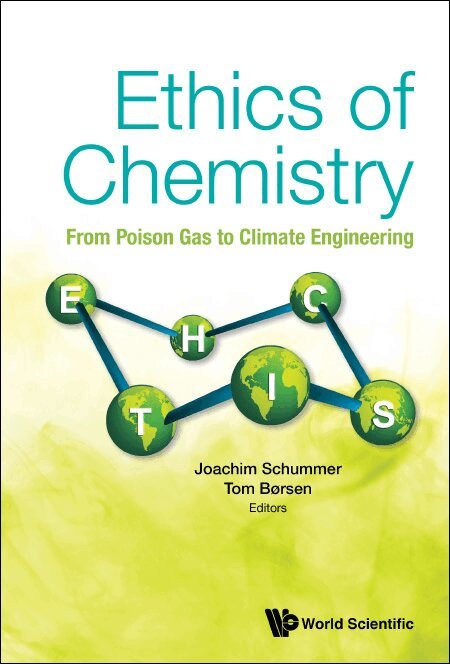
"Overall, this collection of case studies provides an outstanding starting point for understanding the ethics of chemistry. It is an extremely important contribution to the study of chemical ethics … Ethics of Chemistry is a key resource for educators interested in integrating ethics instruction into their chemistry curricula … an important foundation for equipping students with the moral judgement and analytical skills necessary to contend with the ethical issues they are likely to face in their professional lives."Nature Chemistry"… the book offers a general introduction to many relevant topics concerning the values, responsibilities, and judgements in (and of) chemistry. The volume could be helpful for university students and teachers or even general readers interested in the ethics of chemistry." [Read Full Review]José Ramón Bertomeu-SánchezAmbixAlthough chemistry has been the target of numerous public moral debates for over a century, there is still no academic field of ethics of chemistry to develop an ethically balanced view of the discipline. And while ethics courses are increasingly demanded for science and engineering students in many countries, chemistry is still lagging behind because of a lack of appropriate teaching material. This volume fills both gaps by establishing the scope of ethics of chemistry and providing a cased-based approach to teaching, thereby also narrating a cultural history of chemistry.From poison gas in WWI to climate engineering of the future, this volume covers the most important historical cases of chemistry. It draws lesson from major disasters of the past, such as in Bhopal and Love Canal, or from thalidomide, Agent Orange, and DDT. It further introduces to ethical arguments pro and con by discussing issues about bisphenol-A, polyvinyl chloride, and rare earth elements; as well as of contested chemical projects such as human enhancement, the creation of artificial life, and patents on human DNA. Moreover, it illustrates chemical engagements in preventing hazards, from the prediction of ozone depletion, to Green Chemistry, and research in recycling, industrial substance substitution, and clean-up. Students also learn about codes of conduct and chemical regulations.An international team of experts narrate the historical cases and analyse their ethical dimensions. All cases are suitable for undergraduate teaching, either in classes of ethics, history of chemistry, or in chemistry classes proper.
2 772 kr
Skickas inom 5-8 vardagar
Nanotechnology is an emerging and rapidly growing field whose dynamics and prospects pose many great challenges not only to scientists and engineers but also to society at large. This volume includes the state-of-the-art philosophical, ethical, and sociological reflection on nanotechnology, written by leading scholars from the humanities and social sciences in North America and Europe. It unravels the philosophical underpinnings of nanotechnology, its metaphysical and epistemological foundations, and its conceptual complexity. It explores the ethical issues of nanotechnology, its impact on human, environmental, and social conditions, and the options for reasonable risk management. It examines the public discourse on nanotechnology and its related visions and provides both lessons from the past and outlooks for the future.
1 701 kr
Skickas inom 11-20 vardagar
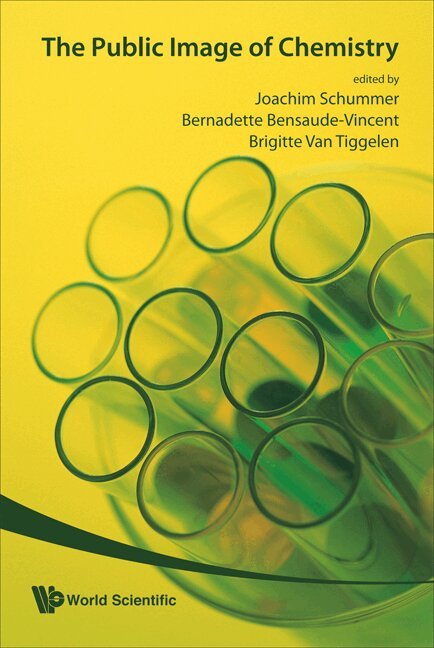
Popular associations with chemistry range from poisons, hazards, chemical warfare and environmental pollution to alchemical pseudoscience, sorcery and mad scientists, which gravely affect the public image of science in general. While chemists have merely complained about their public image, social and cultural studies of science have largely avoided anything related to chemistry.This book provides, for the first time, an in-depth understanding of the cultural and historical contexts in which the public image of chemistry has emerged. It argues that this image has been shaped through recurring and unlucky interactions between chemists in popularizing their discipline and nonchemists in expressing their expectations and fears of science. Written by leading scholars from the humanities, social sciences and chemistry in North America, Europe and Australia, this volume explores a blind spot in the science-society relationship and calls for a constructive dialog between scientists and their public.