Joan Cocks – författare
Visar alla böcker från författaren Joan Cocks. Handla med fri frakt och snabb leverans.
9 produkter
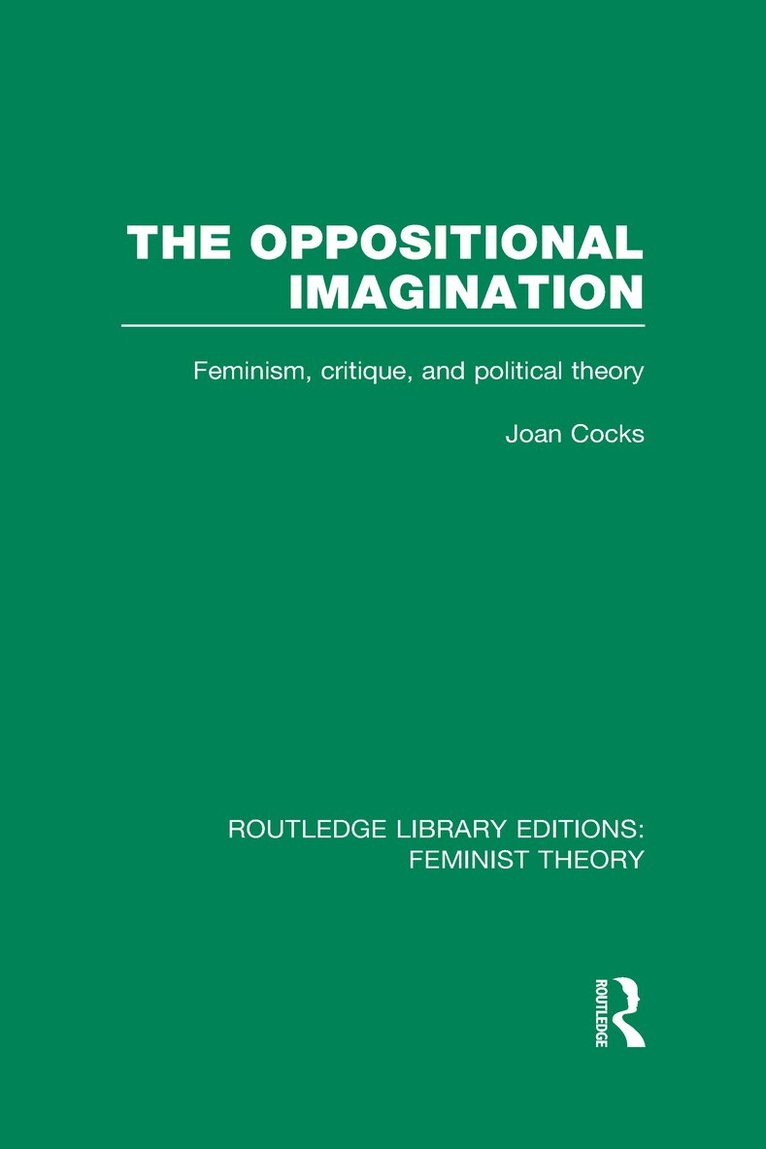
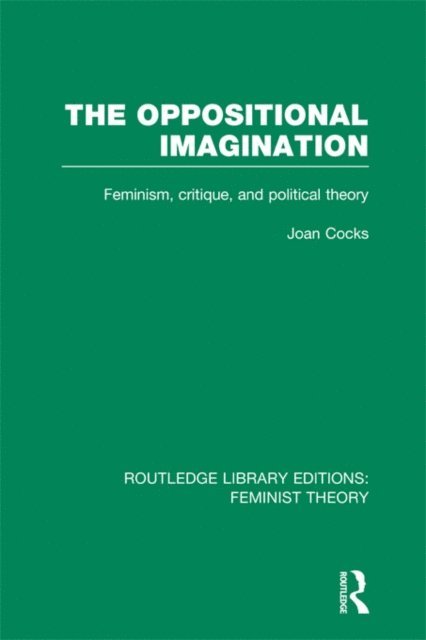
Oppositional Imagination (RLE Feminist Theory)
Feminism, Critique and Political Theory
Av Joan Cocks
Inbunden, 2012
2510 kr
Lägg i varukorg
The Oppositional Imagination draws together elements from Marxism, analytical philosophy, post-structuralism, and post-colonial criticism to analyse the elusive interplay of culture and power. It focuses its attention on cultural domination, opposition and evasion in the realm of sex and …
Oppositional Imagination (RLE Feminist Theory)
Feminism, Critique and Political Theory
Av Joan Cocks
Häftad, 2014
749 kr
Lägg i varukorg
The Oppositional Imagination draws together elements from Marxism, analytical philosophy, post-structuralism, and post-colonial criticism to analyse the elusive interplay of culture and power. It focuses its attention on cultural domination, opposition and evasion in the realm of sex and …
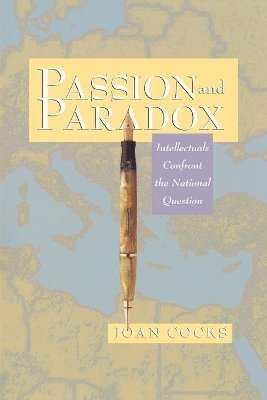
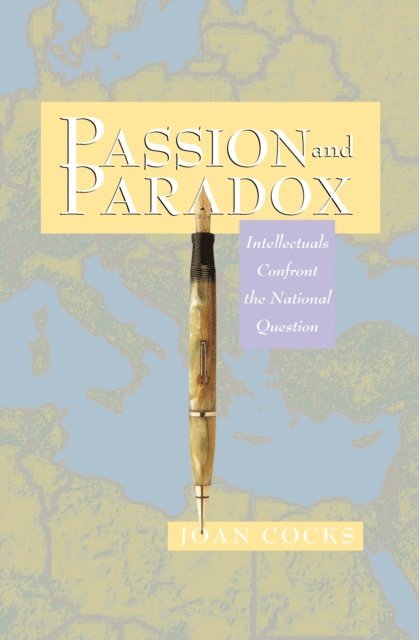
Passion and Paradox
Intellectuals Confront the National Question
Av Joan Cocks
Häftad, 2002
809 kr
Lägg i varukorg
From Kosovo to Quebec, Ireland to East Timor, nationalism has been a recurrent topic of intense debate. It has been condemned as a source of hatred and war, yet embraced for stimulating community feeling and collective freedom. Joan Cocks explores the power, danger, and allure of nationalism by …
Oppositional Imagination (RLE Feminist Theory)
Feminism, Critique and Political Theory
Av Joan Cocks
E-bok, 2012
864 kr
Lägg i varukorg
The Oppositional Imagination draws together elements from Marxism, analytical philosophy, post-structuralism, and post-colonial criticism to analyse the elusive interplay of culture and power. It focuses its attention on cultural domination, opposition and evasion in the realm of sex and gender. …
Oppositional Imagination (RLE Feminist Theory)
Feminism, Critique and Political Theory
Av Joan Cocks
E-bok, 2012
883 kr
Lägg i varukorg
The Oppositional Imagination draws together elements from Marxism, analytical philosophy, post-structuralism, and post-colonial criticism to analyse the elusive interplay of culture and power. It focuses its attention on cultural domination, opposition and evasion in the realm of sex and gender. …
Passion and Paradox
Intellectuals Confront the National Question
Av Joan Cocks
E-bok, 2009
599 kr
Lägg i varukorg
From Kosovo to Québec, Ireland to East Timor, nationalism has been a recurrent topic of intense debate. It has been condemned as a source of hatred and war, yet embraced for stimulating community feeling and collective freedom. Joan Cocks explores the power, danger, and allure of nationalism by …
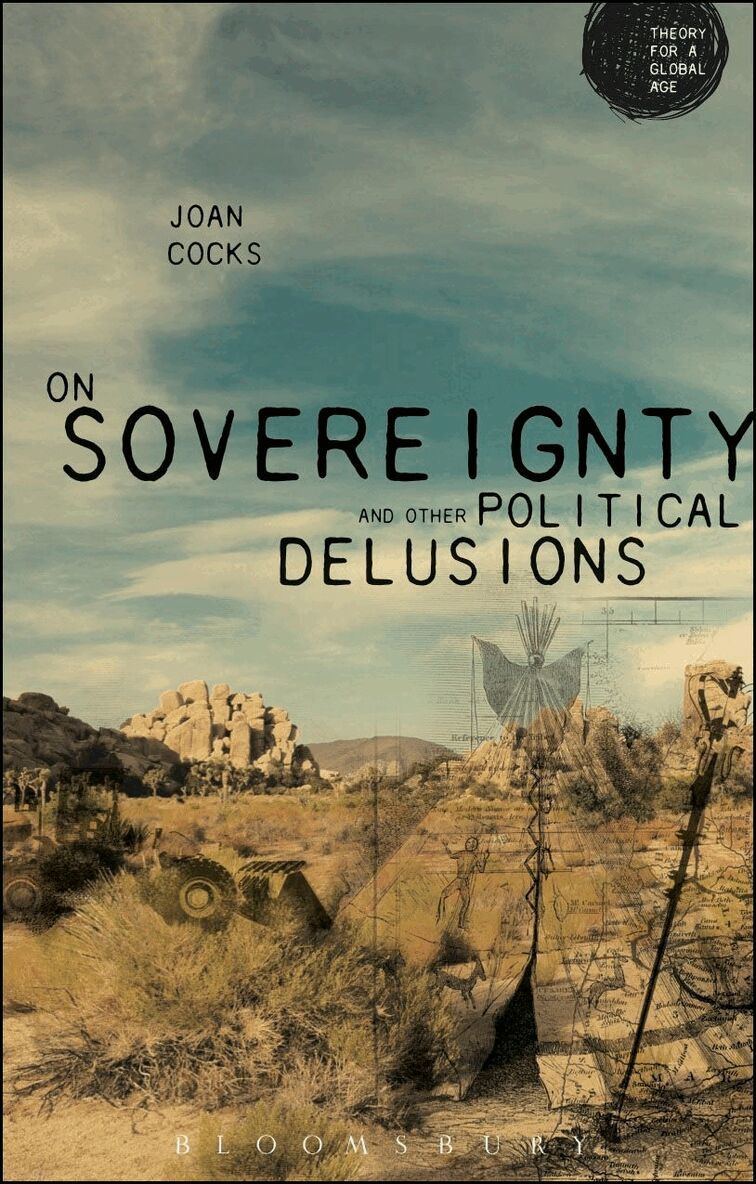
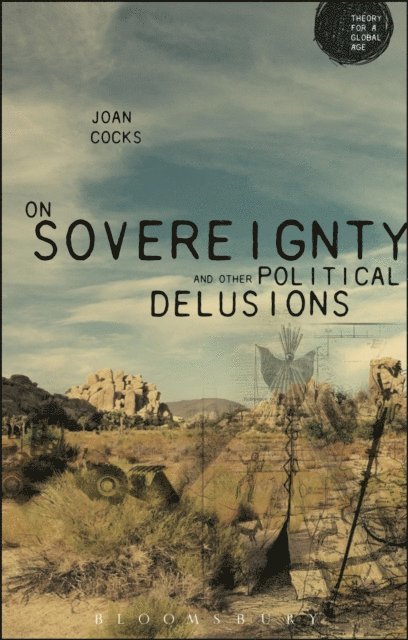
On Sovereignty and Other Political Delusions
Av Joan Cocks
Inbunden, 2014
1701 kr
Lägg i varukorg
This book is available as open access through the Bloomsbury Open Access programme and is available on www.bloomsburycollections.com.Winner of the 2015 David Easton Prize, awarded by the American Political Science Association (APSA)Global forces are eroding the ability of states to exert sovereign …
On Sovereignty and Other Political Delusions
Av Joan Cocks
Häftad, 2014
402 kr
Lägg i varukorg
This book is available as open access through the Bloomsbury Open Access programme and is available on www.bloomsburycollections.com.Winner of the 2015 David Easton Prize, awarded by the American Political Science Association (APSA)Global forces are eroding the ability of states to exert sovereign …
On Sovereignty and Other Political Delusions
Av Joan Cocks
E-bok, 2014
374 kr
Lägg i varukorg
This book is available as open access through the Bloomsbury Open Access programme and is available on www.bloomsburycollections.com. Winner of the 2015 David Easton Prize, awarded by the American Political Science Association (APSA) Global forces are eroding the ability of states to exert …