Joan DeJean – författare
Visar alla böcker från författaren Joan DeJean. Handla med fri frakt och snabb leverans.
16 produkter
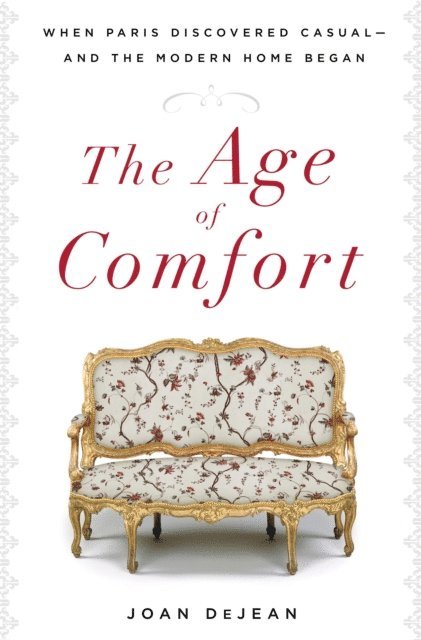
Age of Comfort
When Paris Discovered Casual--and the Modern Home Began
Av Joan DeJean
E-bok, 2009
154 kr
Lägg i varukorg
Today, it is difficult to imagine a living room without a sofa. When the first sofas on record were delivered in seventeenth-century France, the result was a radical reinvention of interior space. Symptomatic of a new age of casualness and comfort, the sofa ushered in an era known as the golden age …
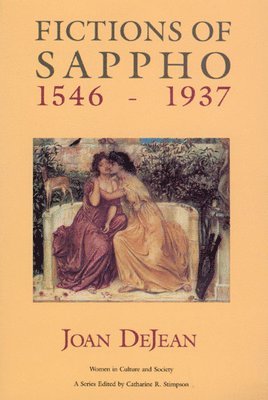
Fictions of Sappho, 1546-1937
Av Joan DeJean
Inbunden, 1989
1710 kr
Lägg i varukorg
Considering Sappho as a creature of translation and interpretation, a figment whose features have changed with social mores and aesthetics, Joan DeJean constructs a fascinating history of the sexual politics of literary reception. The association of Sappho with female homosexuality has made her a …
Fictions of Sappho, 1546-1937
Av Joan DeJean
Häftad, 1989
490 kr
Lägg i varukorg
Considering Sappho as a creature of translation and interpretation, a figment whose features have changed with social mores and aesthetics, Joan DeJean constructs a fascinating history of the sexual politics of literary reception. The association of Sappho with female homosexuality has made her a …
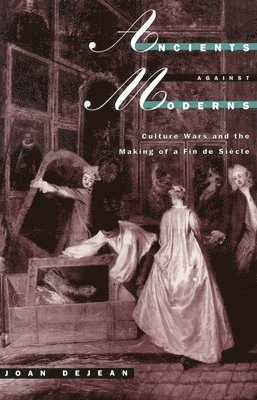
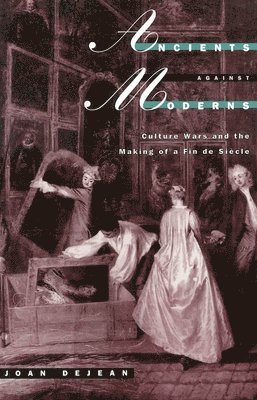
Ancients against Moderns
Culture Wars and the Making of a Fin de Siecle
Av Joan DeJean
Inbunden, 1997
981 kr
Lägg i varukorg
As the end of the 20th century approaches, many predict that it will mirror the 19th-century decline into decadence. The author of this text finds a closer analogy with the culture wars of France in the 1690s - the time of a battle of the books known as the Quarrel between the Ancients and Moderns. …
Ancients against Moderns
Culture Wars and the Making of a Fin de Siecle
Av Joan DeJean
Häftad, 1997
490 kr
Lägg i varukorg
As the end of the 20th century approaches, many predict that it will mirror the 19th-century decline into decadence. The author of this text finds a closer analogy with the culture wars of France in the 1690s - the time of a battle of the books known as the Quarrel between the Ancients and Moderns. …
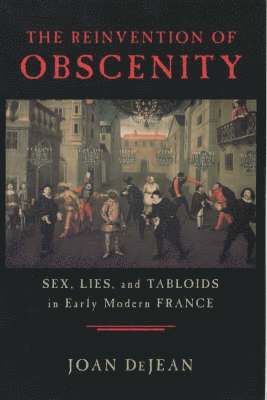
Reinvention of Obscenity
Sex, Lies, and Tabloids in Early Modern France
Av Joan DeJean
Inbunden, 2002
981 kr
Lägg i varukorg
The concept of obscenity is an ancient one. But as Joan DeJean suggests, its modern form, the same version that today's politicians decry and savvy artists exploit, was invented in seventeenth-century France. The Reinvention of Obscenity casts a fresh light on the mythical link between sexual …
Reinvention of Obscenity
Sex, Lies, and Tabloids in Early Modern France
Av Joan DeJean
Häftad, 2002
352 kr
Lägg i varukorg
The concept of obscenity is an ancient one. But as Joan DeJean suggests, its modern form, the same version that today's politicians decry and savvy artists exploit, was invented in seventeenth-century France. The Reinvention of Obscenity casts a fresh light on the mythical link between sexual …
Tender Geographies
Women and the Origins of the Novel in France
Av Joan DeJean
Inbunden, 1991
1483 kr
Lägg i varukorg
Tender Geographies
Women and the Origins of the Novel in France
Av Joan DeJean
Häftad, 1993
762 kr
Lägg i varukorg
This treatise argues that women writers were the originators of the modern novel in France. It uses the novels of Scudery and Lafayette to illustrate how such works undermined French tradition by suggesting that women had a right to choose their husbands and to lead independent lives.
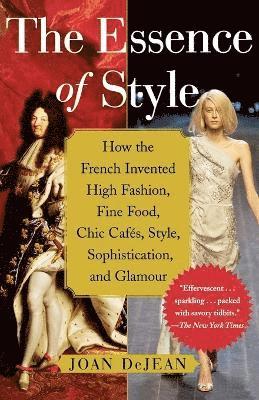
Essence of Style
Av Joan Dejean
Häftad, 2006
305 kr
Lägg i varukorg
What makes fashionistas willing to pay a small fortune for a particular designer accessory? Why does a special occasion only become really special when a champagne cork pops? Why are diamonds the status symbol gemstone, instantly signifying wealth, power, and even emotional commitment? Writing with …
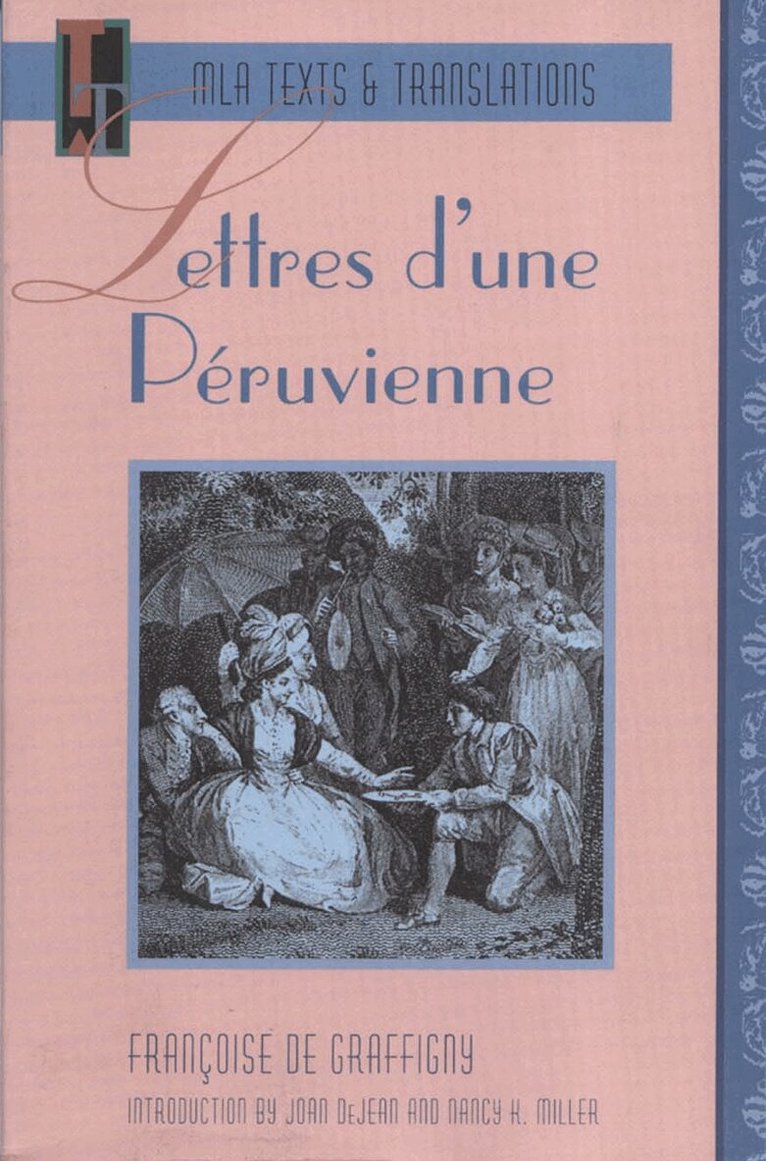
Lettres D'Une Peruvienne
Av Francoise De Graffigny, Joan DeJean
Häftad, 1993
297 kr
Lägg i varukorg
One of the most popular works of the eighteenth century, Lettres d'une Péruvienne appeared in more than 130 editions, reprints, and translations during the hundred years following its publi cation in 1747. In the novel the Inca princess Zilia is kidnapped by Spanish conquerors, captured by the …
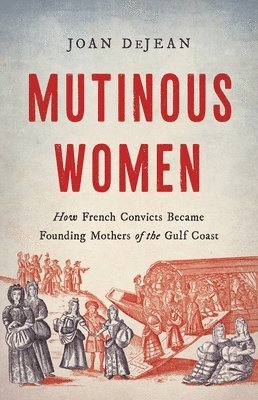
Mutinous Women: How French Convicts Became Founding Mothers of the Gulf Coast
Av Joan Dejean
Inbunden, 2022
416 kr
Lägg i varukorg
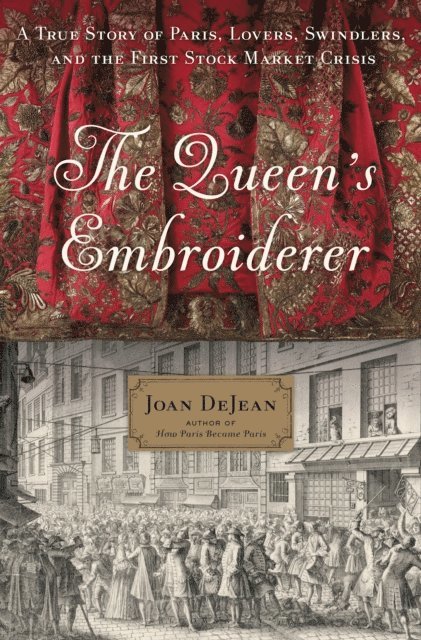
Queen's Embroiderer
A True Story of Paris, Lovers, Swindlers, and the First Stock Market Crisis
Av Joan DeJean
E-bok, 2018
294 kr
Lägg i varukorg
From the author of How Paris Became Paris, a sweeping history of high finance, the origins of high fashion, and a pair of star-crossed lovers in 18th-century France.Paris, 1719. The stock market is surging and the world''s first millionaires are buying everything in sight. Against this backdrop, …
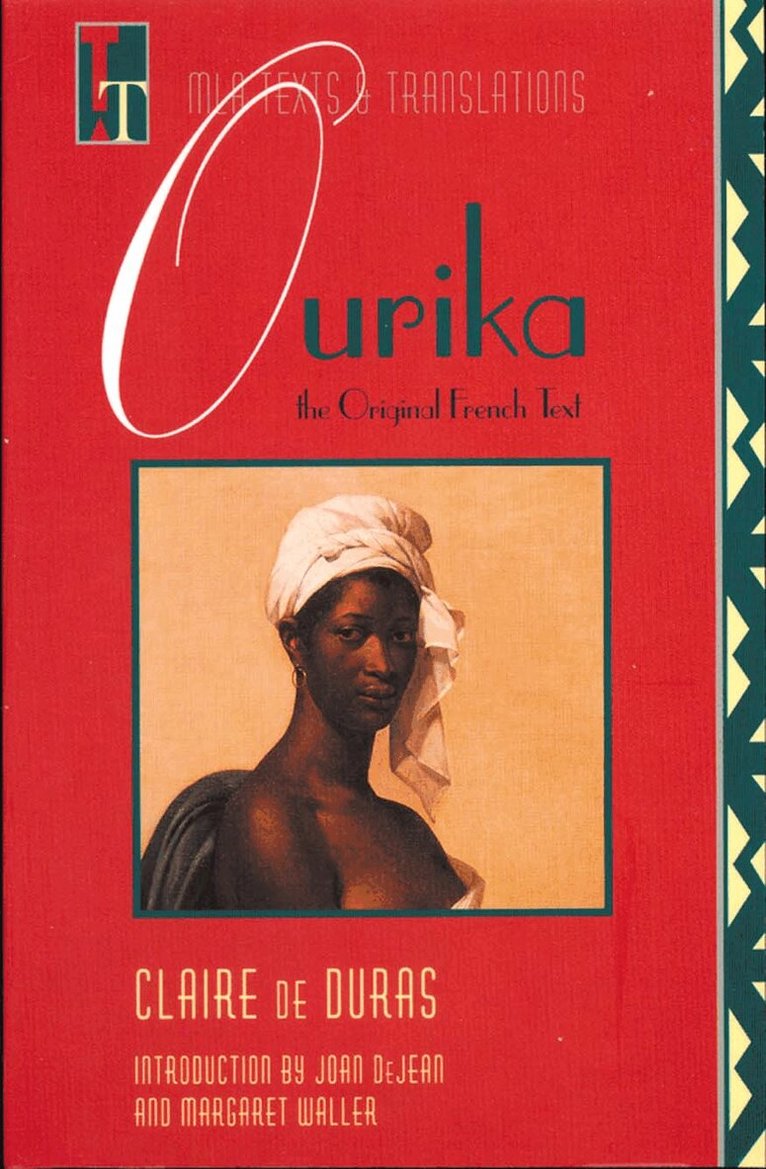
Ourika
Av Claire De Duras, Joan DeJean
Häftad, 1995
216 kr
Tillfälligt slut
Ourika relates the experiences of a Senegalese girl who is rescued from slavery and raised by an aristocratic French family during the French Revolution.
Histoire De La Marquise
Av François-Timoléon de Choisy, Marie-Jeanne L'Héritier m. fl.
Häftad, 2004
329 kr
Tillfälligt slut
The beautiful Marquise de Banneville meets a handsome marquis, and they fall in love. But the young woman is actually a young man (brought up as a girl and completely in the dark about her—or his—true sex), while the marquis is actually a young woman who likes to cross-dress. Will they live happily …
How Paris Became Paris
The Invention of the Modern City
Av Joan DeJean
Häftad, 2015
160 kr
Tillfälligt slut
"This lively history charts the growth of Paris from a city of crowded alleyways and irregular buildings into a modern marvel."-- New Yorker At the beginning of the seventeenth century, Paris was known for isolated monuments but had not yet put its brand on urban space. Like other European cities, …