Joana Bezerra - Böcker
Visar alla böcker från författaren Joana Bezerra. Handla med fri frakt och snabb leverans.
3 produkter
3 produkter
Challenging the Apartheids of Knowledge in Higher Education through Social Innovation
Häftad, Engelska, 2021
252 kr
Skickas inom 5-8 vardagar
Del 21 - World Forests
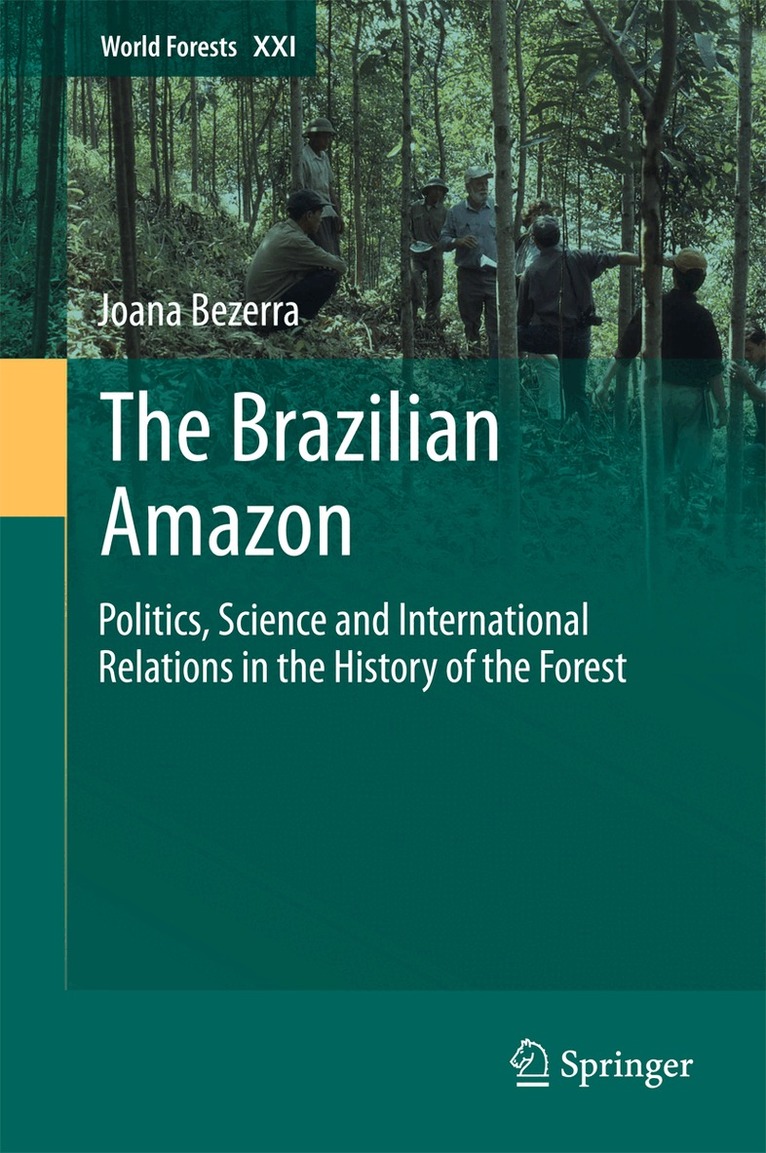
Brazilian Amazon
Politics, Science and International Relations in the History of the Forest
Inbunden, Engelska, 2015
979 kr
Skickas inom 10-15 vardagar
The aim of this book is to analyse the current development scenario in the Amazon, using Terra Preta de Índio as a case study. To do so it is necessary to go back in time, both in the national and international sphere, through the second half of the last century to analyse its trajectory. It will be equally important analyse the current issues regarding the Amazon – sustainable development and climate change – and how they still reproduce some of the problems that marked the history of the forest, such as the absence of Amazonian dark earths as a relevant theme to the Amazon.In a world in which the environment gains each time more space in the national and international political agenda, the Amazon stands out. Known around the world for its richness, the South-American forest is the target of different visions, often contradictory ones, and it plays with everyone’s imagination. This is where the terra preta de índio – Amazonian Dark Earths - are found, a fertile soil horizon with high concentrations of carbon with anthropic origins, which has generated great interest from the scientific community. Studies on these soils and their so singular characteristics have triggered crucial discussions on the past, present and the future of the entire Amazon region. Despite its singular characteristics, the importance of Amazonian Dark Earths – and a history of a more productive and populated Amazon – was hidden since its discovery around 1880 until 1980, when it is possible to identify the beginning of an increase in the number of research on these soil horizons. These hundred years between the first records and the beginning of the increase in the interest around these soils witnessed structural changes both in the national arena, with the military dictatorship and a change in the place of the Amazon within internal affairs, and in the international arena with changes that reshaped the role of the environment in the political and scientificagendas and the role of Brazil in the global context.
Del 21 - World Forests
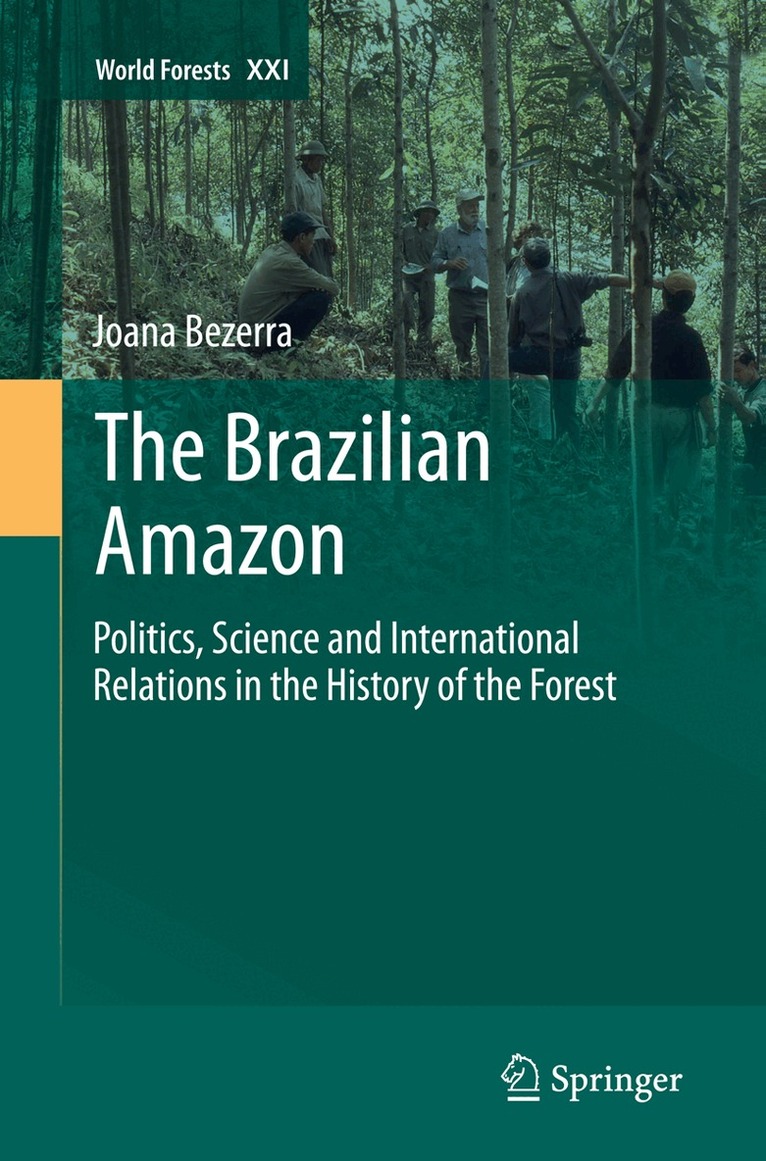
Brazilian Amazon
Politics, Science and International Relations in the History of the Forest
Häftad, Engelska, 2016
979 kr
Skickas inom 10-15 vardagar
The aim of this book is to analyse the current development scenario in the Amazon, using Terra Preta de Índio as a case study. To do so it is necessary to go back in time, both in the national and international sphere, through the second half of the last century to analyse its trajectory. It will be equally important analyse the current issues regarding the Amazon – sustainable development and climate change – and how they still reproduce some of the problems that marked the history of the forest, such as the absence of Amazonian dark earths as a relevant theme to the Amazon.In a world in which the environment gains each time more space in the national and international political agenda, the Amazon stands out. Known around the world for its richness, the South-American forest is the target of different visions, often contradictory ones, and it plays with everyone’s imagination. This is where the terra preta de índio – Amazonian Dark Earths - are found, a fertile soil horizon with high concentrations of carbon with anthropic origins, which has generated great interest from the scientific community. Studies on these soils and their so singular characteristics have triggered crucial discussions on the past, present and the future of the entire Amazon region. Despite its singular characteristics, the importance of Amazonian Dark Earths – and a history of a more productive and populated Amazon – was hidden since its discovery around 1880 until 1980, when it is possible to identify the beginning of an increase in the number of research on these soil horizons. These hundred years between the first records and the beginning of the increase in the interest around these soils witnessed structural changes both in the national arena, with the military dictatorship and a change in the place of the Amazon within internal affairs, and in the international arena with changes that reshaped the role of the environment in the political and scientificagendas and the role of Brazil in the global context.