Joana Cunha Leal – författare
Visar alla böcker från författaren Joana Cunha Leal. Handla med fri frakt och snabb leverans.
3 produkter
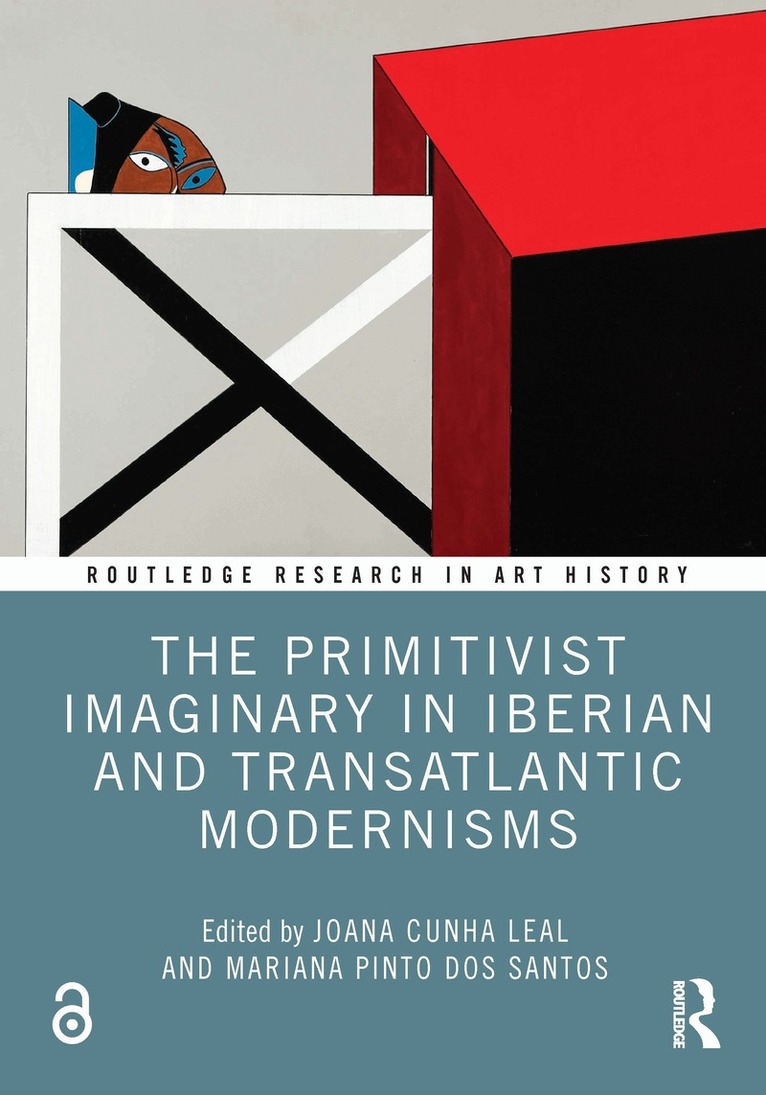
Primitivist Imaginary in Iberian and Transatlantic Modernisms
Av Joana Cunha Leal, Mariana Pinto dos Santos
Inbunden, 2023
2586 kr
Lägg i varukorg
Taking into account politics, history and aesthetics, this edited volume explores the main expressions of primitivism in Iberian and Transatlantic modernisms.Ten case studies are thoroughly analyzed concerning both the circulations and exchanges connecting the Iberian and Latin American artistic …
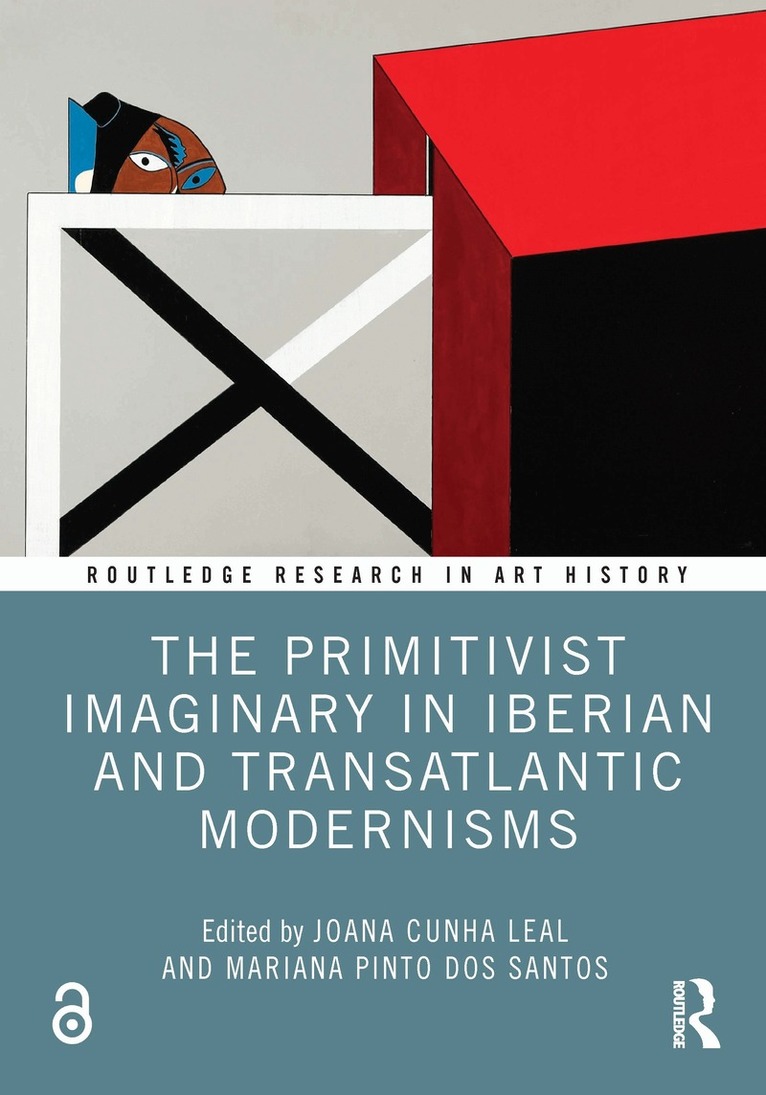
Primitivist Imaginary in Iberian and Transatlantic Modernisms
Av Joana Cunha Leal, Mariana Pinto dos Santos
Häftad, 2026
727 kr
Lägg i varukorg
Taking into account politics, history and aesthetics, this edited volume explores the main expressions of primitivism in Iberian and Transatlantic modernisms.Ten case studies are thoroughly analyzed concerning both the circulations and exchanges connecting the Iberian and Latin American artistic …
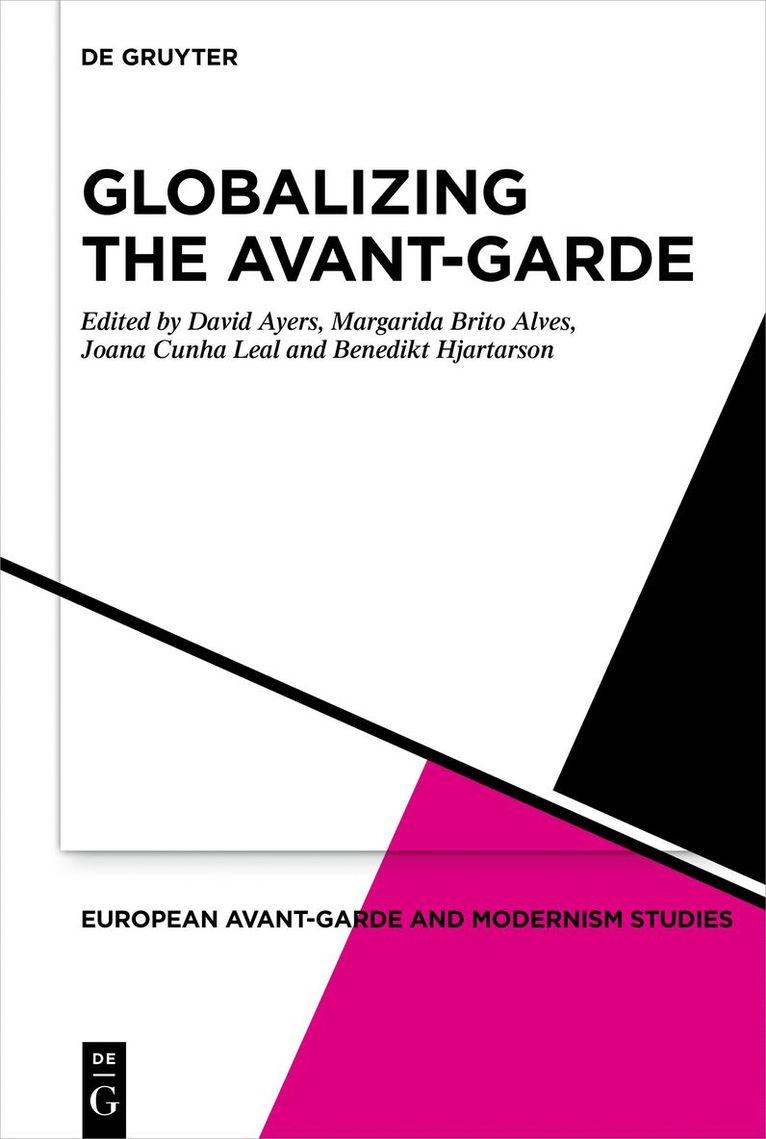
Globalizing the Avant-Garde
Av David Ayers, Joana Cunha Leal m. fl.
Inbunden, 2024
2392 kr
Lägg i varukorg
How has the process of globalization shaped artistic practices on the one hand, and art history and theory on the other? The contributions in this volume approach this question from a range of perspectives, taking into account the role of travel, for example, or practitioners’ increasing knowledge …