Joanna R. Quinn – författare
Visar alla böcker från författaren Joanna R. Quinn. Handla med fri frakt och snabb leverans.
7 produkter
7 produkter
E-bok
PDF, Engelska, 2009331 kr
Läs direkt efter köp
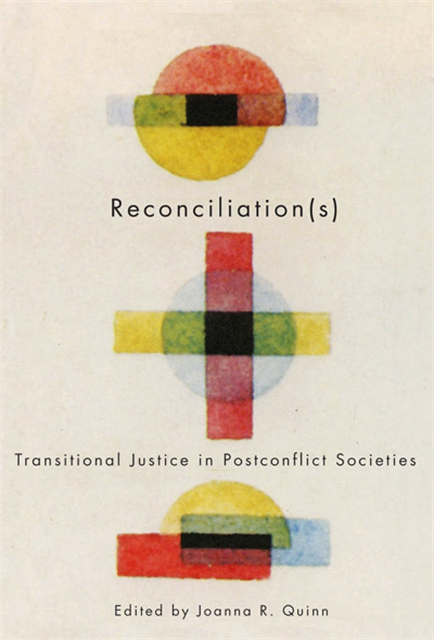
Reconciliation(s) considers the definition of the concept of reconciliation itself, focusing on the definitional dialogue that arises from the attempts to situate reconciliation within a theoretical and analytical framework. Contributing authors champion competing definitions, but all agree that it plays an important role in building relationships of trust and cohesion. The essays in this book also consider the nature and utility of reconciliation in a number of contexts, evaluating both its function and efficacy.
Inbunden, Engelska, 2010
1 157 kr
Skickas inom 5-8 vardagar
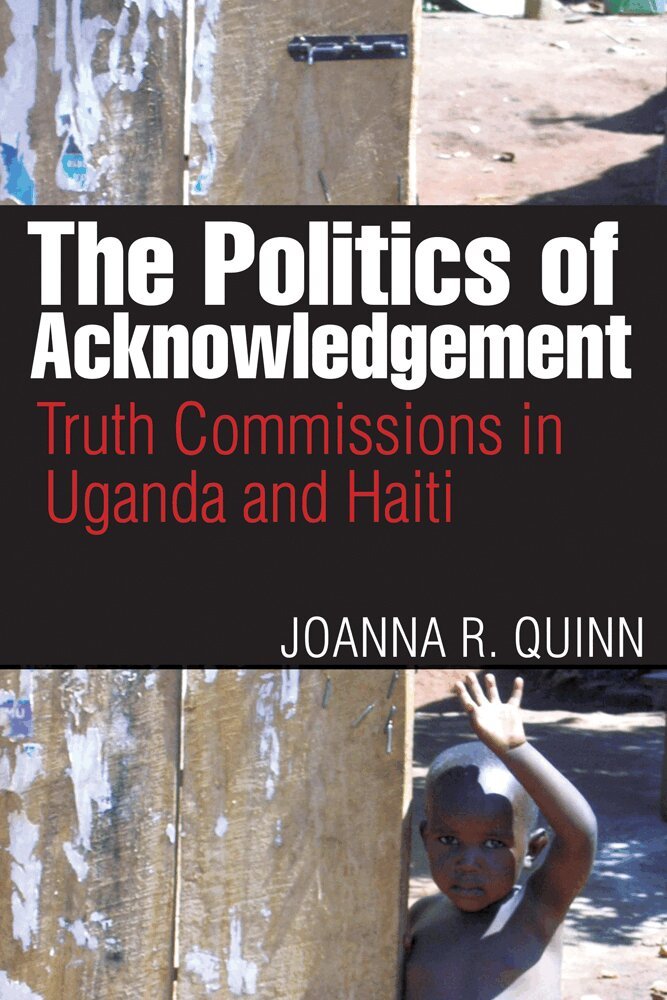
Human rights violations leave deep scars on people, societies, and nations. Since the early 1990s, international rights groups have argued that resolving the violence of the past through instruments of transitional justice such as truth commissions is a necessary condition for a peaceful future. But how can nations ensure that these tribunals are the best path to reconciliation?The Politics of Acknowledgement develops a theoretical framework of acknowledgement with which to evaluate truth commissions. Rather than applying this framework to successful tribunals, Joanna Quinn uses it to analyze the difficulties encountered and the ultimate failure of two poorly understood truth commissions in Uganda and Haiti. The failure of these commissions reveals that if reconciliation is to be achieved, acknowledgement of past violence and harm – by both victims and perpetrators – must come before goals such as forgiveness, social trust, civic engagement, and social cohesion.
Inbunden, Engelska, 2021
729 kr
Skickas inom 10-15 vardagar
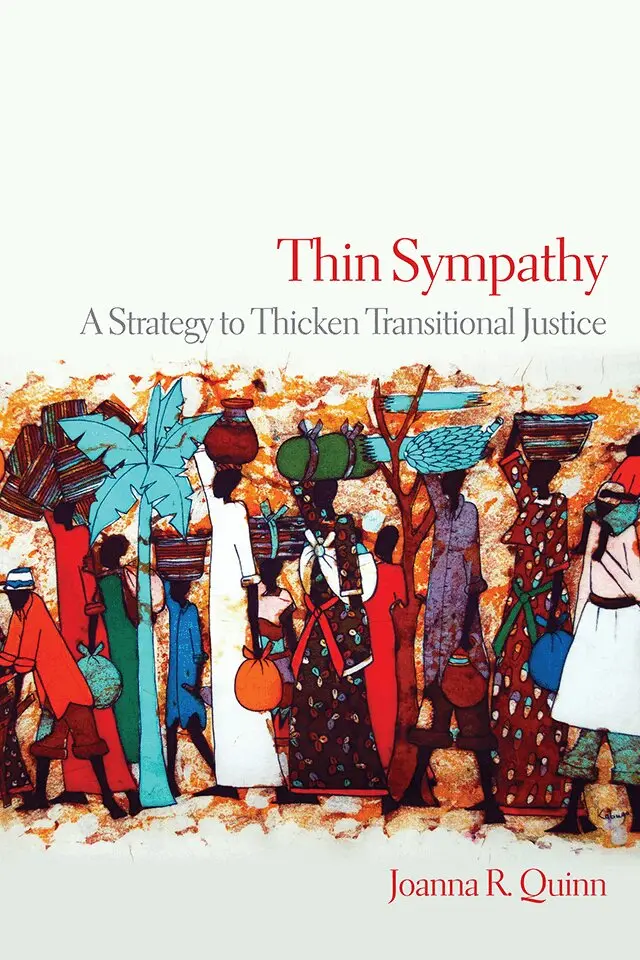
Transitional justice, commonly defined as the process of confronting the legacies of past human rights abuses and atrocities, often does not produce the kinds of results that are imagined. In multiethnic, divided societies like Uganda, people who have not been directly affected by harm, atrocity, and abuse go about their daily lives without ever confronting what happened in the past. When victims and survivors raise their voices to ask for help, or when plans are announced to address that harm, it is this unaffected population that see such plans as pointless. They complain about what they perceive as the "needless" time and money that will be spent to fix something that they see as unimportant and, ultimately, block any restorative processes.Joanna R. Quinn spent twenty years working in Uganda and uses its particular case as a lens through which she examines the failure of deeply divided societies to acknowledge the past. She proposes that the needed remedy is the development of a very rudimentary understanding-what she calls "thin sympathy"-among individuals in each of the different factions and groups of the other's suffering prior to establishing any transitional justice process. Based on 440 extensive interviews with elites and other thought leaders in government, traditional institutions, faith groups, and NGOs, as well as with women and children throughout the country, Thin Sympathy argues that the acquisition of a basic understanding of what has taken place in the past will enable the development of a more durable transitional justice process.
E-bok
Engelska, 2021993 kr
Läs direkt efter köp
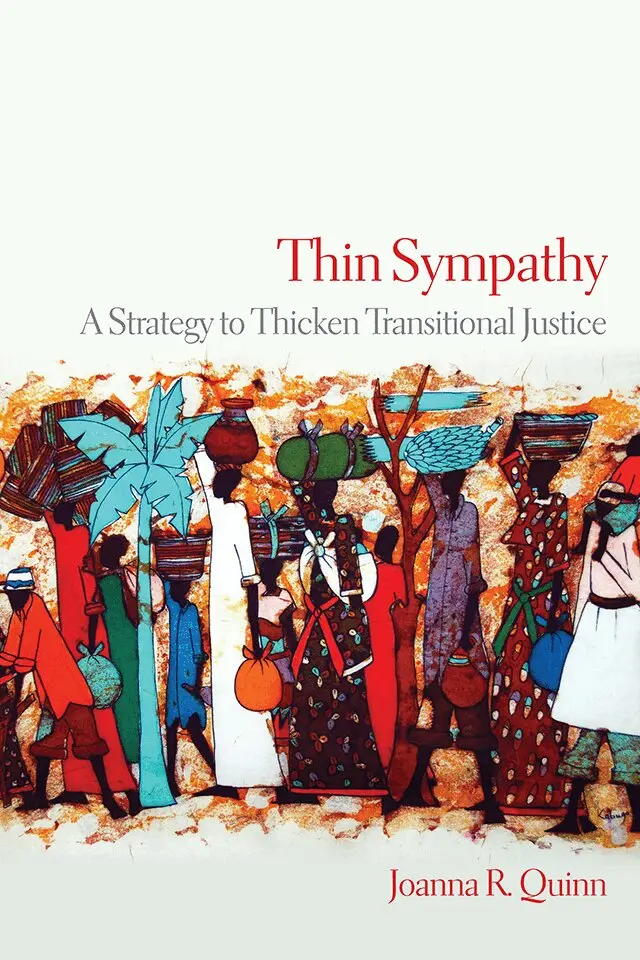
Transitional justice, commonly defined as the process of confronting the legacies of past human rights abuses and atrocities, often does not produce the kinds of results that are imagined. In multiethnic, divided societies like Uganda, people who have not been directly affected by harm, atrocity, and abuse go about their daily lives without ever confronting what happened in the past. When victims and survivors raise their voices to ask for help, or when plans are announced to address that harm, it is this unaffected population that see such plans as pointless. They complain about what they perceive as the "needless" time and money that will be spent to fix something that they see as unimportant and, ultimately, block any restorative processes.Joanna R. Quinn spent twenty years working in Uganda and uses its particular case as a lens through which she examines the failure of deeply divided societies to acknowledge the past. She proposes that the needed remedy is the development of a very rudimentary understanding-what she calls "thin sympathy"-among individuals in each of the different factions and groups of the other's suffering prior to establishing any transitional justice process. Based on 440 extensive interviews with elites and other thought leaders in government, traditional institutions, faith groups, and NGOs, as well as with women and children throughout the country, Thin Sympathy argues that the acquisition of a basic understanding of what has taken place in the past will enable the development of a more durable transitional justice process.
Inbunden, Engelska, 2020
1 307 kr
Skickas inom 10-15 vardagar
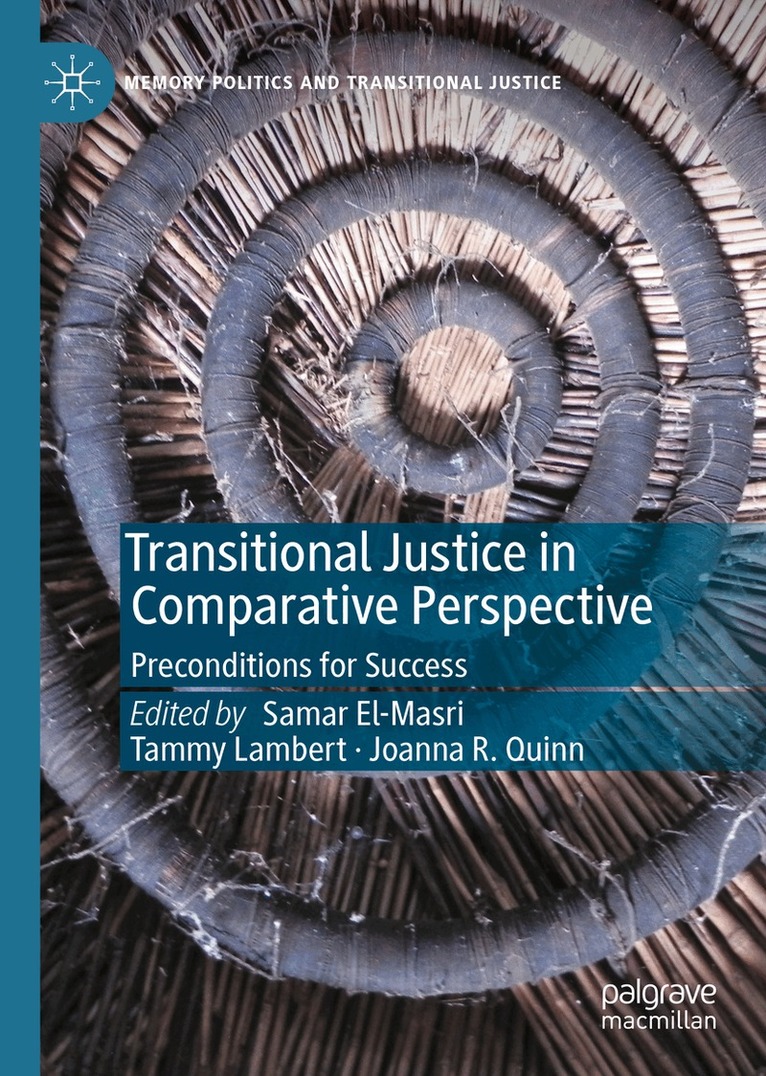
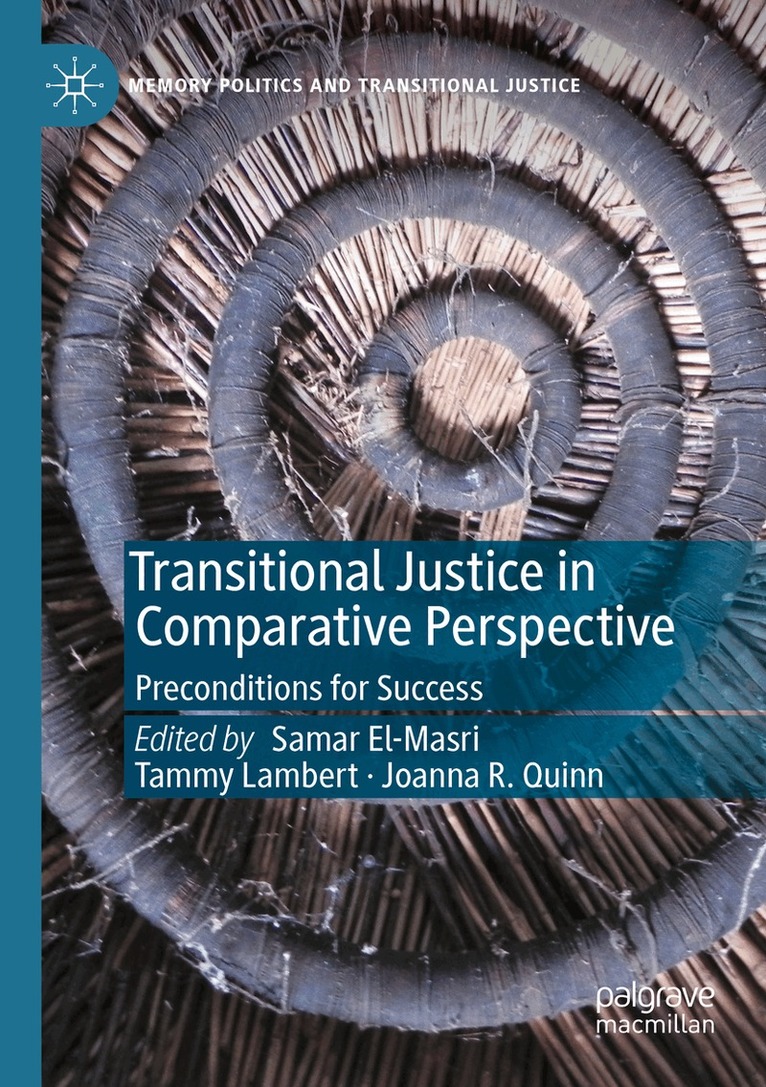
What if we could change the conditions in post-conflict/post-authoritarian countries to make transitional justice work better? This book argues that if the context in countries in need of transitional justice can be ameliorated before processes of transitional justice are established, they are more likely to meet with success. As the contributors reveal, this can be done in different ways. At the attitudinal level, changing the broader social ethos can improve the chances that societies will be more receptive to transitional justice. At the institutional level, the capacity of mechanisms and institutions can be strengthened to offer more support to transitional justice processes. Drawing on lessons learned in Colombia, Democratic Republic of the Congo, The Gambia, Lebanon, Palestine, and Uganda, the book explores ways to better the conditions in post-conflict/post-authoritarian countries to improve the success of transitional justice.
E-bok
Engelska, 20201 672 kr
Läs direkt efter köp
What if we could change the conditions in post-conflict/post-authoritarian countries to make transitional justice work better? This book argues that if the context in countries in need of transitional justice can be ameliorated before processes of transitional justice are established, they are more likely to meet with success. As the contributors reveal, this can be done in different ways. At the attitudinal level, changing the broader social ethos can improve the chances that societies will be more receptive to transitional justice. At the institutional level, the capacity of mechanisms and institutions can be strengthened to offer more support to transitional justice processes. Drawing on lessons learned in Colombia, Democratic Republic of the Congo, The Gambia, Lebanon, Palestine, and Uganda, the book explores ways to better the conditions in post-conflict/post-authoritarian countries to improve the success of transitional justice.
Häftad, Engelska, 2021
1 307 kr
Skickas inom 10-15 vardagar
What if we could change the conditions in post-conflict/post-authoritarian countries to make transitional justice work better? This book argues that if the context in countries in need of transitional justice can be ameliorated before processes of transitional justice are established, they are more likely to meet with success. As the contributors reveal, this can be done in different ways. At the attitudinal level, changing the broader social ethos can improve the chances that societies will be more receptive to transitional justice. At the institutional level, the capacity of mechanisms and institutions can be strengthened to offer more support to transitional justice processes. Drawing on lessons learned in Colombia, Democratic Republic of the Congo, The Gambia, Lebanon, Palestine, and Uganda, the book explores ways to better the conditions in post-conflict/post-authoritarian countries to improve the success of transitional justice.