Joanne Findon – författare
Visar alla böcker från författaren . Handla med fri frakt och snabb leverans.
5 produkter
5 produkter
E-bok
PDF, Engelska, 2015412 kr
Läs direkt efter köp
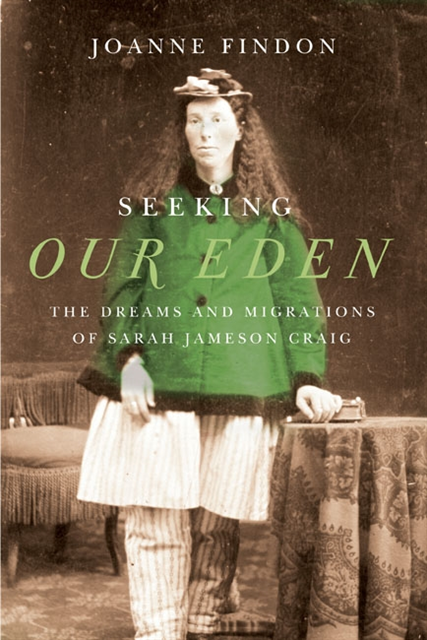
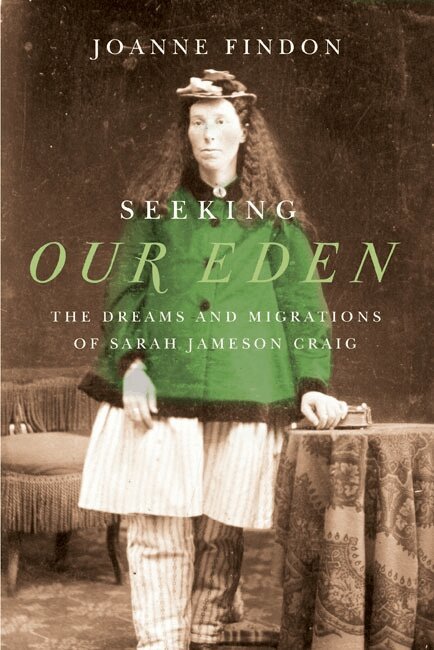
Although few nineteenth-century rural Canadian women could read and write well, Sarah Jameson Craig (1840-1919) was not only literate but eloquent. Unlike many women writers of her time, Craig lived at the bottom of the economic ladder. Nevertheless, she dared to dream the utopian dreams more commonly associated with educated women from the middle and upper classes. Craig vividly documented her attempt to run away at age fifteen, her plans to found a utopian colony based on alternative medicine and women’s dress reform, and her lifelong crusade for women''s equality. Quoting liberally from Sarah Craig''s unpublished diaries and memoir, Seeking Our Eden sets Craig''s life writing within the context of her early days in New Brunswick, her later migrations to New Jersey and then westward to Saskatchewan and British Columbia, and the American-based reform and utopian movements that stirred her imagination. Convinced that the tight corsets and long skirts demanded by conventional fashion undermined the fight for women''s equality, Craig wore the "reform dress" - a short dress over trousers - despite society''s disapproval, and rejected opiate- and alcohol-based medicines in favour of the water cure. Even today, when the way women dress remains an issue, and skepticism about conventional medicine still fuels alternative health movements, Sarah Craig''s early feminist voice from the margins of Canada continues to be relevant and compelling.
E-bok
Engelska, 2015412 kr
Läs direkt efter köp
Although few nineteenth-century rural Canadian women could read and write well, Sarah Jameson Craig (1840-1919) was not only literate but eloquent. Unlike many women writers of her time, Craig lived at the bottom of the economic ladder. Nevertheless, she dared to dream the utopian dreams more commonly associated with educated women from the middle and upper classes. Craig vividly documented her attempt to run away at age fifteen, her plans to found a utopian colony based on alternative medicine and women’s dress reform, and her lifelong crusade for women''s equality. Quoting liberally from Sarah Craig''s unpublished diaries and memoir, Seeking Our Eden sets Craig''s life writing within the context of her early days in New Brunswick, her later migrations to New Jersey and then westward to Saskatchewan and British Columbia, and the American-based reform and utopian movements that stirred her imagination. Convinced that the tight corsets and long skirts demanded by conventional fashion undermined the fight for women''s equality, Craig wore the "reform dress" - a short dress over trousers - despite society''s disapproval, and rejected opiate- and alcohol-based medicines in favour of the water cure. Even today, when the way women dress remains an issue, and skepticism about conventional medicine still fuels alternative health movements, Sarah Craig''s early feminist voice from the margins of Canada continues to be relevant and compelling.
Häftad, Engelska, 2005
186 kr
Skickas inom 3-6 vardagar
E-bok
PDF, Engelska, 1997697 kr
Läs direkt efter köp
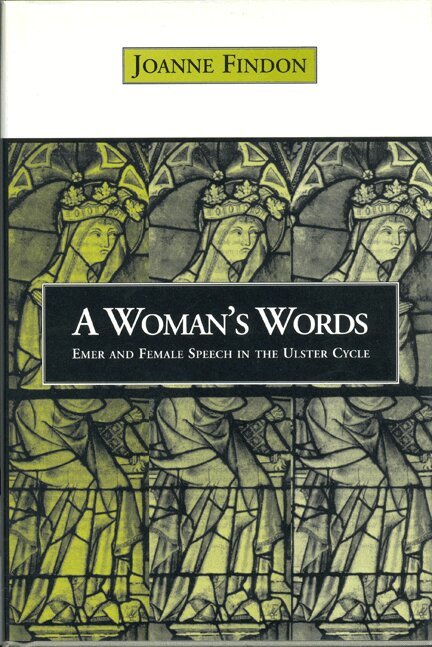
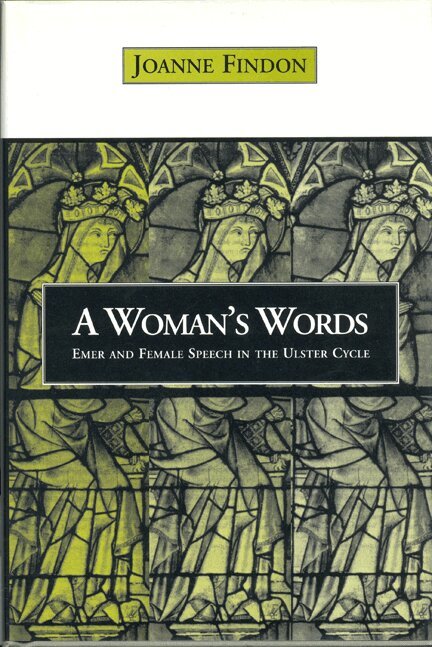
A Woman's Words is the first in-depth analysis of Middle Irish literature from a feminist standpoint, and the first formal critical discussion of the representation of female speech in medieval Irish literature. Joanne Findon analyses the representation of Emer, the wife of the great Irish hero Cu Chulainn, in four linked medieval Irish tales, and discusses Emer's ability to use powerful, effective words to change her fictional world and the audience's reading of that fictional world. A Woman's Words considers Emer as a literary figure rather than a mythic archetype or a reflection of a pre-Christian Celtic goddess. Emer and the narratives she inhabits are discussed as literary constructs, and are considered within the historical and legal milieu in which these tales were told, recorded, and read. Findon places Emer within the wider context of medieval literature in general as an unusual and compelling example of a heroic secular woman, married and fully integrated into her aristocratic society and yet capable of speaking out against its abuses. Her freedom to speak and be heard is remarkable in the light of prevalent later medieval impulses to silence women. By employing speech act theory to analyse Emer's discourse, and by viewing and interpreting the texts through the lens of current feminist criticism, Joanne Findon seeks to bring Middle Irish literature into the arena of current debates, particularly among feminist medievalists, and to offer a new approach to reading female characters in medieval Irish literature.
Häftad, Engelska, 2004
176 kr
Tillfälligt slut