Jodi Cranston – författare
Visar alla böcker från författaren . Handla med fri frakt och snabb leverans.
3 produkter
3 produkter
Inbunden, Engelska, 2024
1 146 kr
Skickas inom 5-8 vardagar
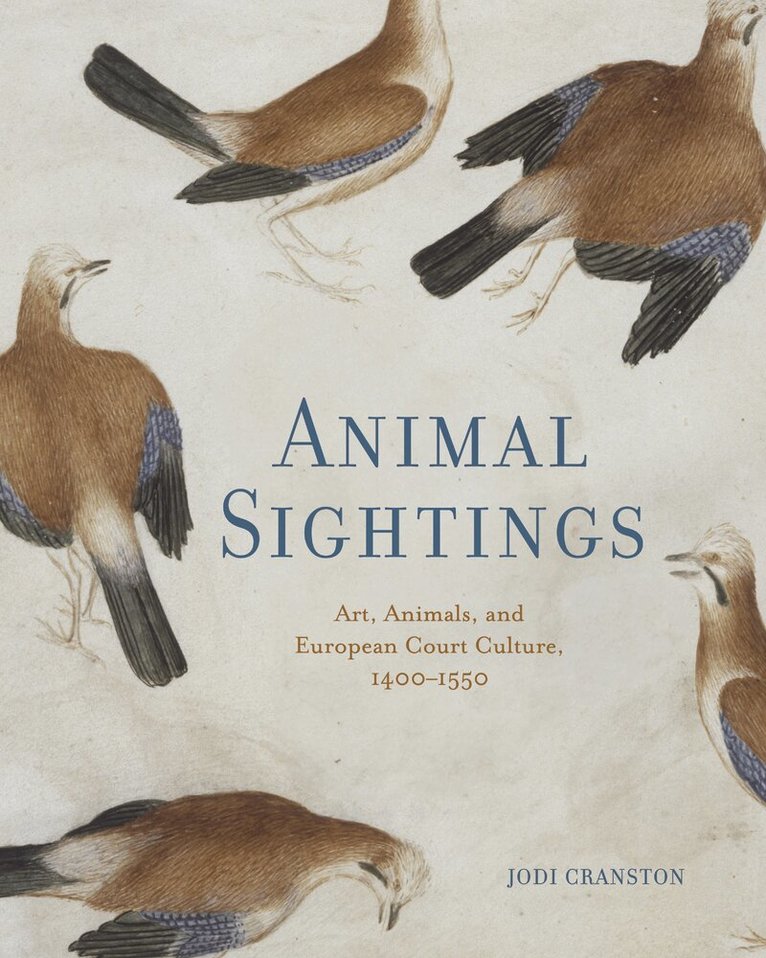
Animal Sightings challenges two common ideas about the depiction of animals in early modern European court art: first, that the human figure relegated animals to peripheral and often symbolic roles, both compositionally and conceptually, and second, that the representation of animals during this period was predominantly tied to a growing interest in naturalism derived from scientific study and discovery. Art historian Jodi Cranston considers the diversity of art representing animals common to that time and place, including dogs, stags, falcons, and even insects. She discusses how early modern European courts (primarily in northern Italy, Tyrol, Saxony, and southern Germany, where the preponderance of European courtly activity related to animals occurred) acquired and kept living animals, sponsored hunts in purpose-cultivated forests, and fostered trade in animal products. The diverse works created by artists associated with those courts reveal an ambivalent and complex view of animals as beings who shared and shaped the world alongside humans. Ultimately, Animal Sightings explores how early modern artists and viewers thought about human-animal interactions, how visual representation facilitated and inhibited knowledge about animals, and how animals could reveal the limits and possibilities of visual representation. It should be of special interest to scholars of early modern studies, art history, and animal studies.
Del 20 - Museums at the Crossroads
Venetian Painting Matters, 1450-1750
Häftad, Engelska, 2016
1 623 kr
Skickas inom 3-6 vardagar
Inbunden, Engelska, 2019
502 kr
Tillfälligt slut
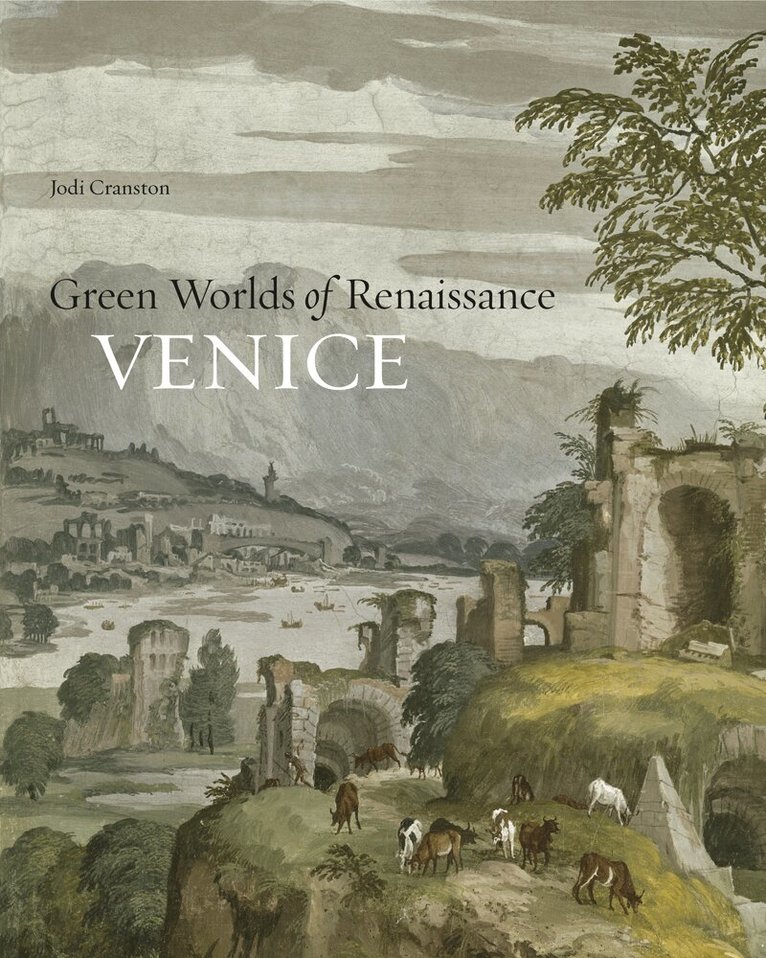
From celebrated gardens in private villas to the paintings and sculptures that adorned palace interiors, Venetians in the sixteenth century conceived of their marine city as dotted with actual and imaginary green spaces. This volume examines how and why this pastoral vision of Venice developed.Drawing on a variety of primary sources ranging from visual art to literary texts, performances, and urban plans, Jodi Cranston shows how Venetians lived the pastoral in urban Venice. She describes how they created green spaces and enacted pastoral situations through poetic conversations and theatrical performances in lagoon gardens; discusses the island utopias found, invented, and mapped in distant seas; and explores the visual art that facilitated the experience of inhabiting verdant landscapes. Though the greening of Venice was relatively short lived, Cranston shows how the phenomenon had a lasting impact on how other cities, including Paris and London, developed their self-images and how later writers and artists understood and adapted the pastoral mode.Incorporating approaches from eco-criticism and anthropology, Green Worlds of Renaissance Venice greatly informs our understanding of the origins and development of the pastoral in art history and literature as well as the culture of sixteenth-century Venice. It will appeal to scholars and enthusiasts of sixteenth-century history and culture, the history of urban landscapes, and Italian art.