Joe Devine – författare
Visar alla böcker från författaren Joe Devine. Handla med fri frakt och snabb leverans.
7 produkter
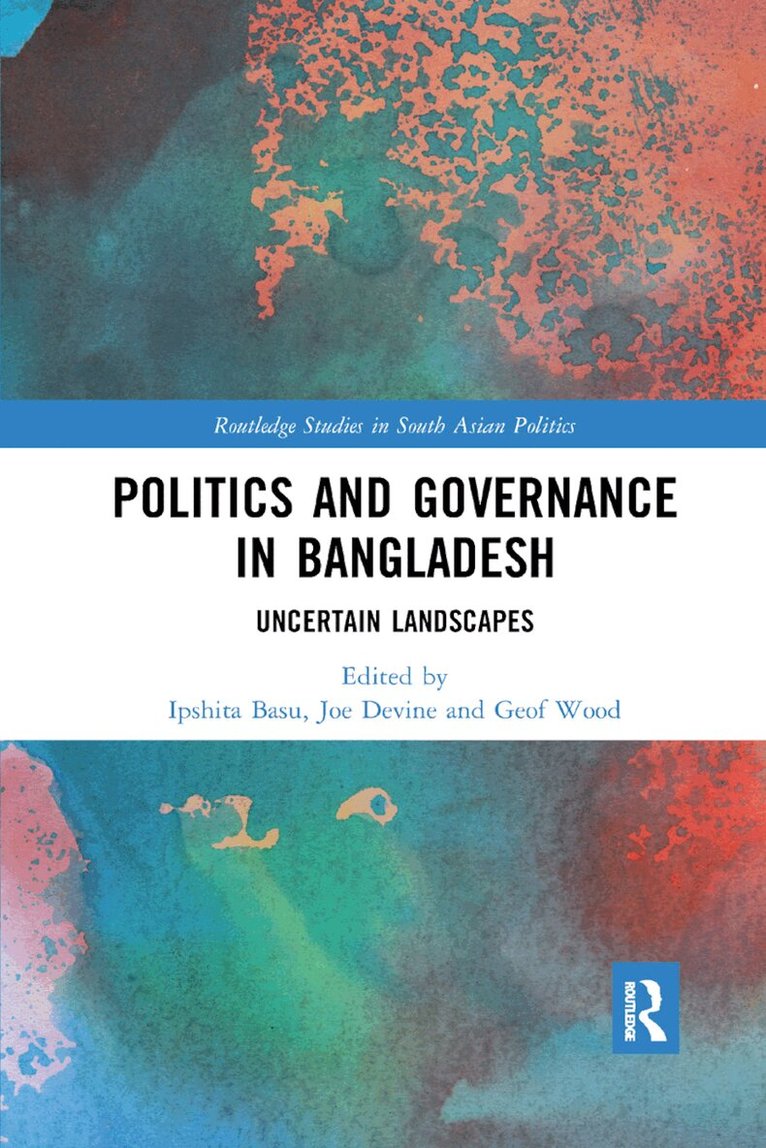
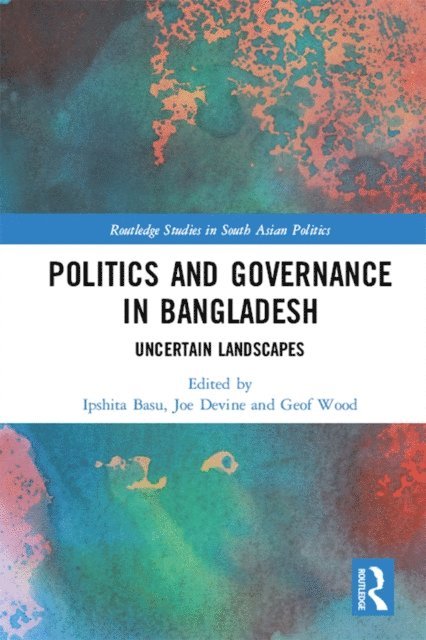
Politics and Governance in Bangladesh
Uncertain Landscapes
Av Ipshita Basu, Joe Devine m. fl.
Häftad, 2019
689 kr
Lägg i varukorg
Since its Independence in 1971, Bangladesh has made remarkable progress in terms of reducing poverty levels, achieving high levels of economic growth over a sustained period of time, and meeting its Millennium Development Goals (MDG) targets set by the United Nations. With some justification, …
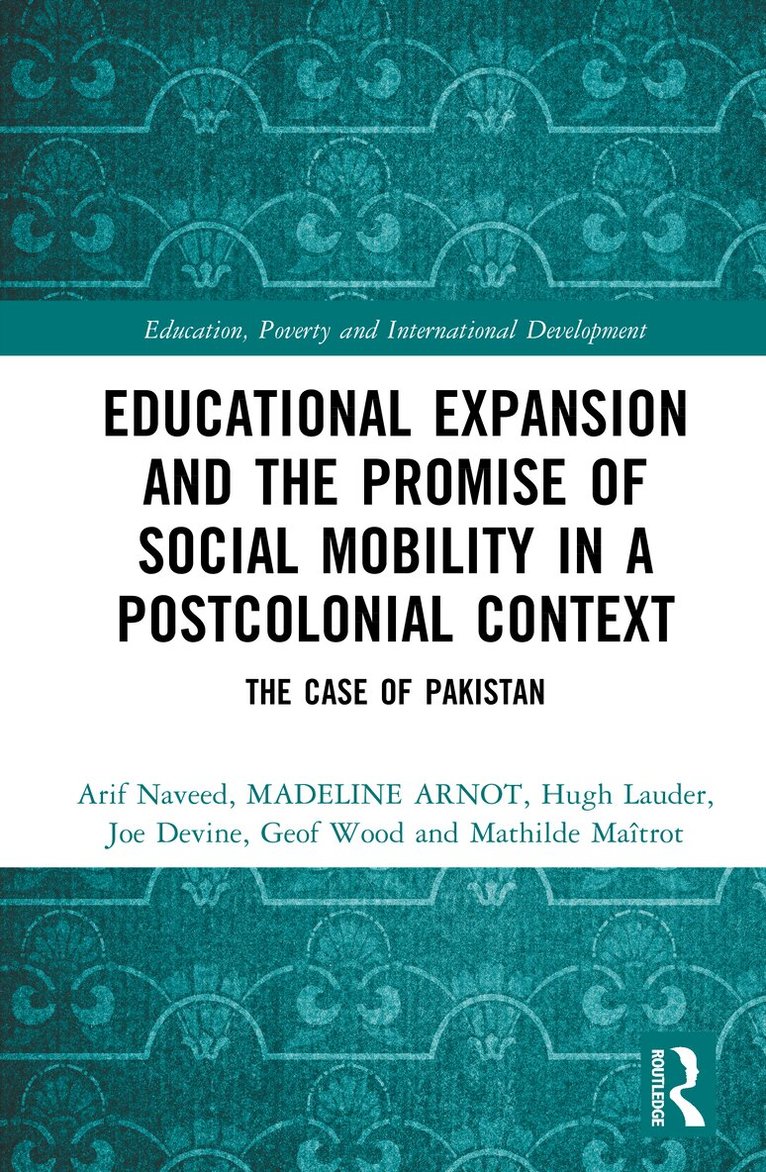
Educational Expansion and the Promise of Social Mobility in a Post-colonial Context
The Case of Pakistan
Av Arif Naveed, Madeleine Arnot m. fl.
Inbunden, 2026
2399 kr
Kommande
Arif Naveed’s scholarship offers an in-depth analysis of whether the promise of social mobility offered by the expansion of education in Pakistan has been delivered. It asks how education has impacted on the national poverty-education gap and whether education succeeds at a local level, given the …
Politics and Governance in Bangladesh
Uncertain Landscapes
Av Ipshita Basu, Joe Devine m. fl.
Inbunden, 2017
2504 kr
Lägg i varukorg
Since its Independence in 1971, Bangladesh has made remarkable progress in terms of reducing poverty levels, achieving high levels of economic growth over a sustained period of time, and meeting its Millennium Development Goals (MDG) targets set by the United Nations. With some justification, …
Politics and Governance in Bangladesh
Uncertain Landscapes
Av Geof Wood, Joe Devine m. fl.
E-bok, 2017
814 kr
Lägg i varukorg
Since its Independence in 1971, Bangladesh has made remarkable progress in terms of reducing poverty levels, achieving high levels of economic growth over a sustained period of time, and meeting its Millennium Development Goals (MDG) targets set by the United Nations. With some justification, …
Politics and Governance in Bangladesh
Uncertain Landscapes
Av Geof Wood, Joe Devine m. fl.
E-bok, 2017
788 kr
Lägg i varukorg
Since its Independence in 1971, Bangladesh has made remarkable progress in terms of reducing poverty levels, achieving high levels of economic growth over a sustained period of time, and meeting its Millennium Development Goals (MDG) targets set by the United Nations. With some justification, …
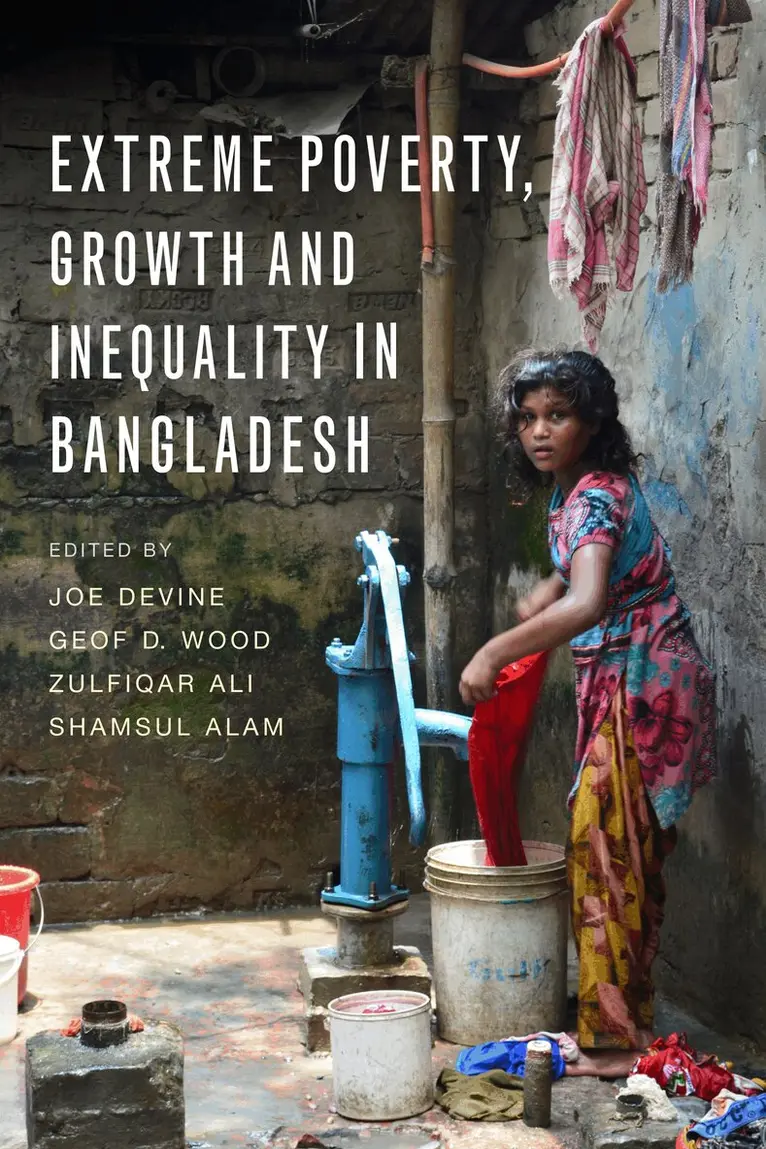
Extreme Poverty, Growth and Inequality in Bangladesh
Av Joe Devine, Geof D. Wood m. fl.
Inbunden, 2017
656 kr
Lägg i varukorg
Over the past two decades, Bangladesh has enjoyed impressive economic growth rates and is now poised to become an upper Middle Income Country. Over the same period, the country has made considerable progress in reducing official poverty levels and in meeting its MDG targets. Despite this success, …
Extreme Poverty, Growth and Inequality in Bangladesh
Av Joe Devine, Geof D. Wood m. fl.
Häftad, 2017
271 kr
Lägg i varukorg