Joe R. McBride – författare
Visar alla böcker från författaren . Handla med fri frakt och snabb leverans.
9 produkter
9 produkter
Del 134 - Ecological Studies
Oxidant Air Pollution Impacts in the Montane Forests of Southern California
A Case Study of the San Bernardino Mountains
Inbunden, Engelska, 1998
2 168 kr
Skickas inom 10-15 vardagar
Since the 1950s, the pines native to the San Bernardino Mountains in Southern California have shown symptoms of decline that have proven to result from exposure to ozone, a major plant-damaging gas in photochemical oxidant air pollution. Because of their proximity to major urban areas, the San Bernardino Mountains have served as a natural laboratory for studying effects of oxidant and acidic air pollution on a mixed-conifer forest. This volume presents a body of research conducted over more than thirty years, including an intensive interdisciplinary five-year study begun in 1991. Chapters include studies of the relationships of biogeography and climate to the region's air pollution, the chemical and physiological mechanisms of ozone injury, as well as the impacts of nitrogen-containing pollutants and natural stresses on polluted forests. The synthesis of such long-term studies provides insights into the combined influences of pollutants on ecosystem function in forested regions with Mediterranean-type climates.
E-bok
PDF, Engelska, 20122 840 kr
Läs direkt efter köp
Since the 1950s, the pines native to the San Bernardino Mountains in Southern California have shown symptoms of decline that have proven to result from exposure to ozone, a major plant-damaging gas in photochemical oxidant air pollution. Because of their proximity to major urban areas, the San Bernardino Mountains have served as a natural laboratory for studying effects of oxidant and acidic air pollution on a mixed-conifer forest. This volume presents a body of research conducted over more than thirty years, including an intensive interdisciplinary five-year study begun in 1991. Chapters include studies of the relationships of biogeography and climate to the region''s air pollution, the chemical and physiological mechanisms of ozone injury, as well as the impacts of nitrogen-containing pollutants and natural stresses on polluted forests. The synthesis of such long-term studies provides insights into the combined influences of pollutants on ecosystem function in forested regions with Mediterranean-type climates.
Häftad, Engelska, 2012
2 168 kr
Skickas inom 10-15 vardagar
Since the 1950s, the pines native to the San Bernardino Mountains in Southern California have shown symptoms of decline that have proven to result from exposure to ozone, a major plant-damaging gas in photochemical oxidant air pollution. Because of their proximity to major urban areas, the San Bernardino Mountains have served as a natural laboratory for studying effects of oxidant and acidic air pollution on a mixed-conifer forest. This volume presents a body of research conducted over more than thirty years, including an intensive interdisciplinary five-year study begun in 1991. Chapters include studies of the relationships of biogeography and climate to the region's air pollution, the chemical and physiological mechanisms of ozone injury, as well as the impacts of nitrogen-containing pollutants and natural stresses on polluted forests. The synthesis of such long-term studies provides insights into the combined influences of pollutants on ecosystem function in forested regions with Mediterranean-type climates.
Inbunden, Engelska, 2021
1 787 kr
Skickas inom 10-15 vardagar
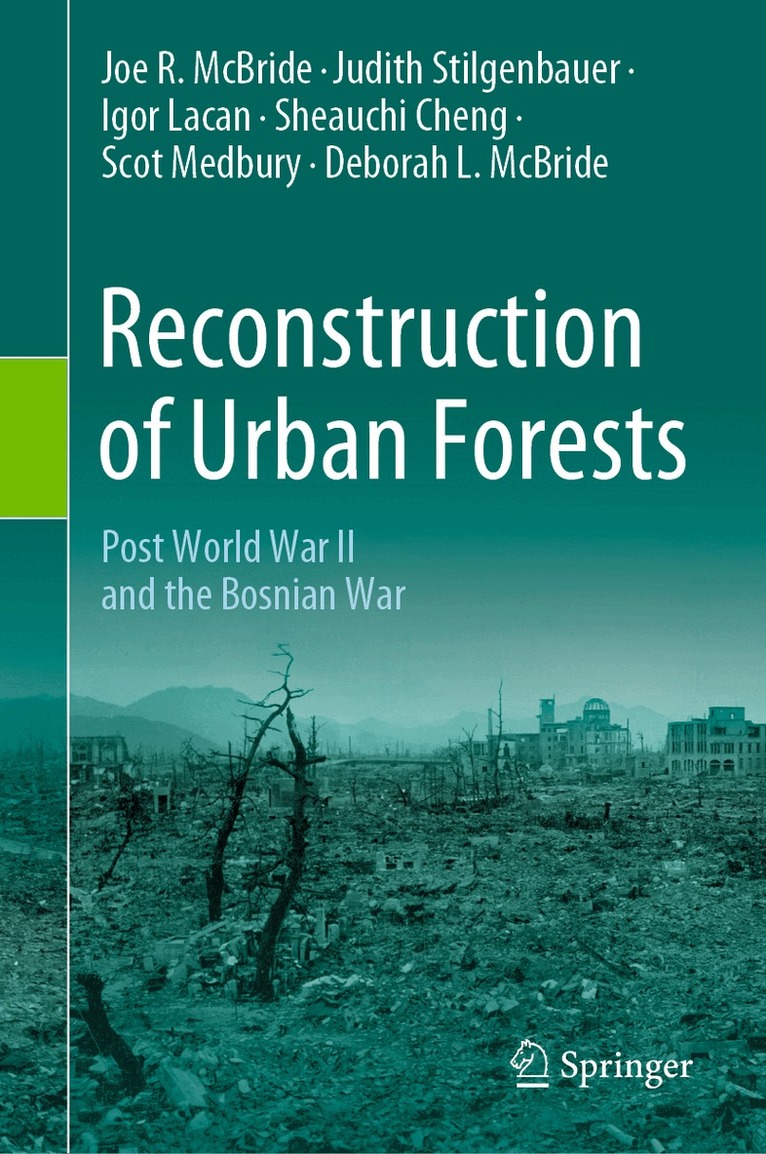
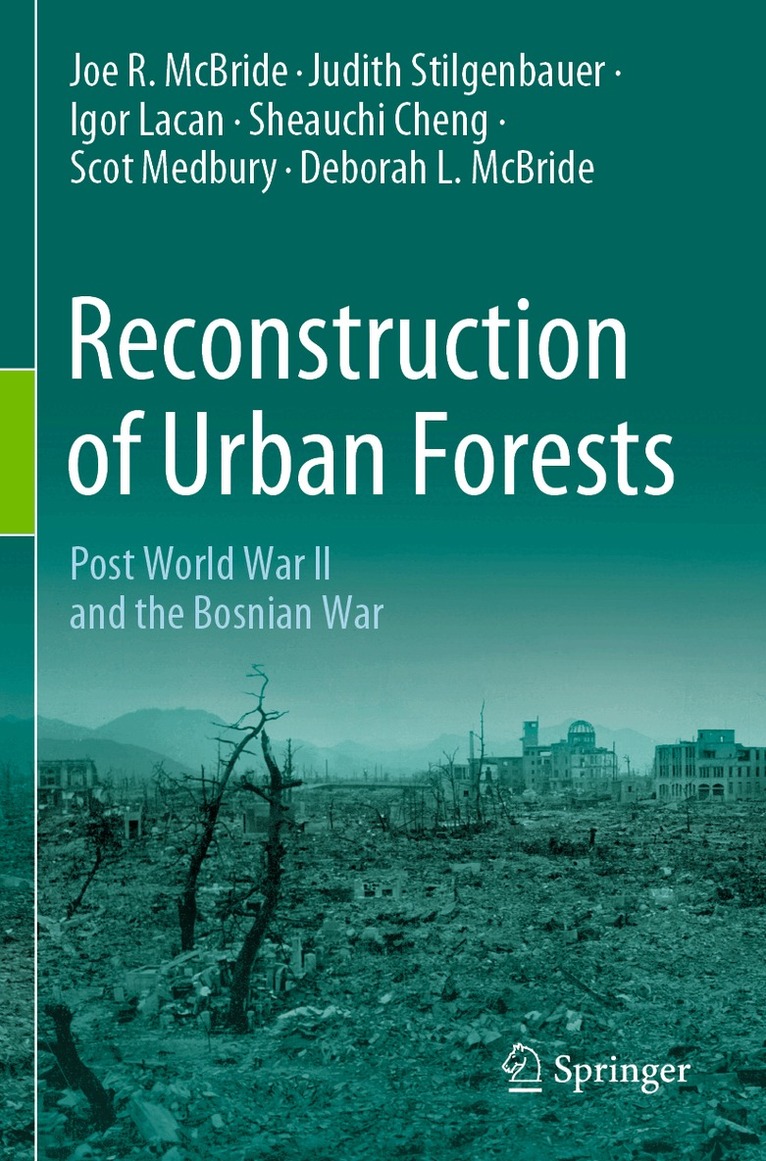
This book will address the destruction of urban forest in nine cities by bombing during World War II and the Bosnian War and their reconstruction in the post-war years. After reviewing the general objectives and results of aerial bombing, the book explores the effects of bombing and the reconstruction of urban forest in London, Coventry, Hamburg, Dresden, St. Petersburg, Stalingrad, Tokyo, Hiroshima, and Sarajevo. Sarajevo stands out among these cities because the destruction of its urban forest was the result of citizens cutting down trees for firewood during the siege of the city. Most of the cities studied developed plans for reconstruction either during or after the war. These plans often addressed the planning and re-establishment of the urban forest that had been destroyed. Urban planners often planned for infrastructure improvements such as new boulevards and parks where trees would be planted. After the war many of these plans were abandonedor significantly modified. Cost, resistance by property owners, control of reconstruction by authorities outside of the cities, and the lack of planting stock were factors contributing to the failure of many of the plans. Exceptions occurred in Hiroshima and Coventry where the destroyed cities became symbols of national reconstruction and every effort was made to redesign the destroyed portions of these cities as memorials to those who lost their lives and to demonstrate the rebirth of the cities. In several of the cities studied individual citizens undertook on their own the replanting of street and park trees. Their ingenuity, hard work, and dedication to trees in their cities was remarkable. A common factor limiting efforts to replant street and park trees was the lack of nursery stock. During and immediately after the wars nearly all nurseries that had supplied trees for city planting had been converted to vegetable gardens to produce food for the urban populations. The slow return to the production of trees for urban planting was a common factor in the time required in many cities to restore their street and park trees. There are lessons to be learned by urban planner, urban forester, and landscape architects from this book that will be useful in the future destruction of urban forest either by natural or man-made causes.
E-bok
Engelska, 20212 273 kr
Läs direkt efter köp
This book will address the destruction of urban forest in nine cities by bombing during World War II and the Bosnian War and their reconstruction in the post-war years. After reviewing the general objectives and results of aerial bombing, the book explores the effects of bombing and the reconstruction of urban forest in London, Coventry, Hamburg, Dresden, St. Petersburg, Stalingrad, Tokyo, Hiroshima, and Sarajevo. Sarajevo stands out among these cities because the destruction of its urban forest was the result of citizens cutting down trees for firewood during the siege of the city. Most of the cities studied developed plans for reconstruction either during or after the war. These plans often addressed the planning and re-establishment of the urban forest that had been destroyed. Urban planners often planned for infrastructure improvements such as new boulevards and parks where trees would be planted. After the war many of these plans were abandonedor significantly modified. Cost, resistance by property owners, control of reconstruction by authorities outside of the cities, and the lack of planting stock were factors contributing to the failure of many of the plans. Exceptions occurred in Hiroshima and Coventry where the destroyed cities became symbols of national reconstruction and every effort was made to redesign the destroyed portions of these cities as memorials to those who lost their lives and to demonstrate the rebirth of the cities. In several of the cities studied individual citizens undertook on their own the replanting of street and park trees. Their ingenuity, hard work, and dedication to trees in their cities was remarkable. A common factor limiting efforts to replant street and park trees was the lack of nursery stock. During and immediately after the wars nearly all nurseries that had supplied trees for city planting had been converted to vegetable gardens to produce food for the urban populations. The slow return to the production of trees for urban planting was a common factor in the time required in many cities to restore their street and park trees. There are lessons to be learned by urban planner, urban forester, and landscape architects from this book that will be useful in the future destruction of urban forest either by natural or man-made causes.
Häftad, Engelska, 2022
1 787 kr
Skickas inom 10-15 vardagar
This book will address the destruction of urban forest in nine cities by bombing during World War II and the Bosnian War and their reconstruction in the post-war years. After reviewing the general objectives and results of aerial bombing, the book explores the effects of bombing and the reconstruction of urban forest in London, Coventry, Hamburg, Dresden, St. Petersburg, Stalingrad, Tokyo, Hiroshima, and Sarajevo. Sarajevo stands out among these cities because the destruction of its urban forest was the result of citizens cutting down trees for firewood during the siege of the city. Most of the cities studied developed plans for reconstruction either during or after the war. These plans often addressed the planning and re-establishment of the urban forest that had been destroyed. Urban planners often planned for infrastructure improvements such as new boulevards and parks where trees would be planted. After the war many of these plans were abandonedor significantly modified. Cost, resistance by property owners, control of reconstruction by authorities outside of the cities, and the lack of planting stock were factors contributing to the failure of many of the plans. Exceptions occurred in Hiroshima and Coventry where the destroyed cities became symbols of national reconstruction and every effort was made to redesign the destroyed portions of these cities as memorials to those who lost their lives and to demonstrate the rebirth of the cities. In several of the cities studied individual citizens undertook on their own the replanting of street and park trees. Their ingenuity, hard work, and dedication to trees in their cities was remarkable. A common factor limiting efforts to replant street and park trees was the lack of nursery stock. During and immediately after the wars nearly all nurseries that had supplied trees for city planting had been converted to vegetable gardens to produce food for the urban populations. The slow return to the production of trees for urban planting was a common factor in the time required in many cities to restore their street and park trees. There are lessons to be learned by urban planner, urban forester, and landscape architects from this book that will be useful in the future destruction of urban forest either by natural or man-made causes.
Del 8 - Future City
World’s Urban Forests
History, Composition, Design, Function and Management
Inbunden, Engelska, 2017
979 kr
Skickas inom 10-15 vardagar
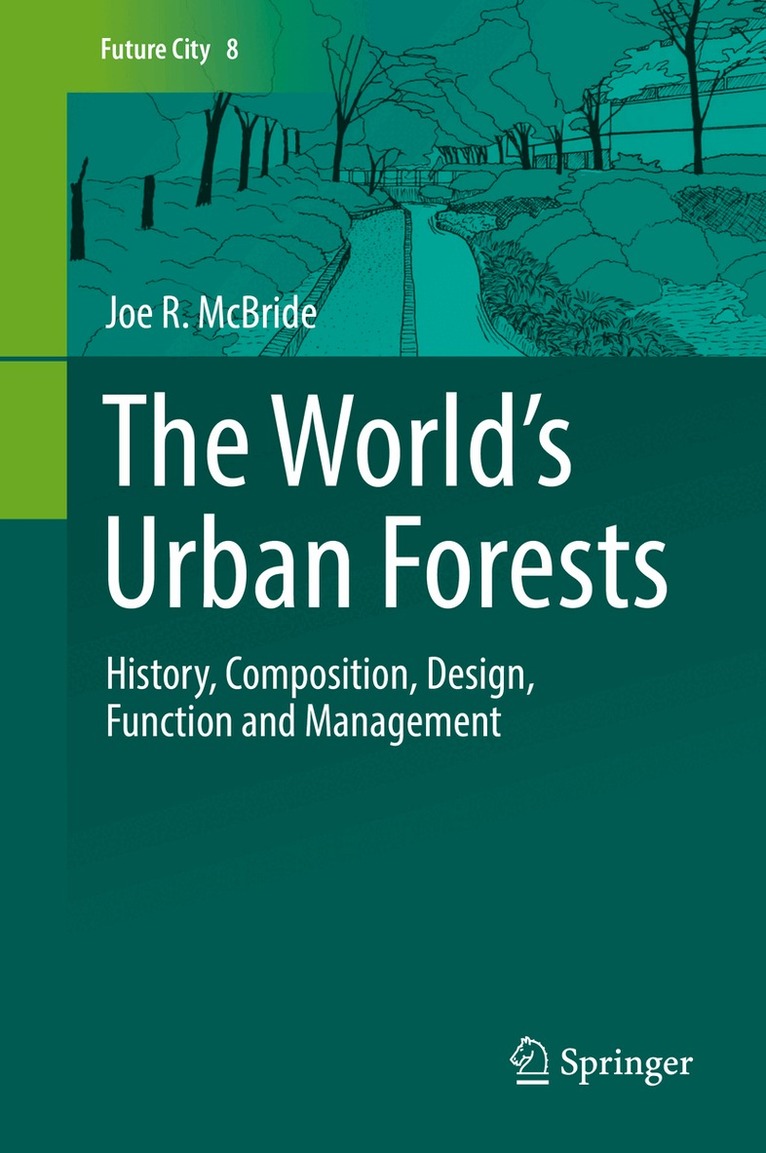
The purpose of this book is to examine urban forests in cities around the world. It will ask questions about the history, composition, structure, and management of trees in urban areas. Data for this book was collected in 33 cities across broad geographical areas known as biomes. Constraints and opportunities imposed on urban forest composition, design, and management by the ecological characteristics of these biomes will be examined. The book will also address the cultural and historical factors that influenced the characteristics of urban forests around the world.
E-bok
Engelska, 20171 296 kr
Läs direkt efter köp
The purpose of this book is to examine urban forests in cities around the world. It will ask questions about the history, composition, structure, and management of trees in urban areas. Data for this book was collected in 33 cities across broad geographical areas known as biomes. Constraints and opportunities imposed on urban forest composition, design, and management by the ecological characteristics of these biomes will be examined. The book will also address the cultural and historical factors that influenced the characteristics of urban forests around the world.
Del 8 - Future City
World’s Urban Forests
History, Composition, Design, Function and Management
Häftad, Engelska, 2018
1 008 kr
Skickas inom 10-15 vardagar
The purpose of this book is to examine urban forests in cities around the world. It will ask questions about the history, composition, structure, and management of trees in urban areas. Data for this book was collected in 33 cities across broad geographical areas known as biomes. Constraints and opportunities imposed on urban forest composition, design, and management by the ecological characteristics of these biomes will be examined. The book will also address the cultural and historical factors that influenced the characteristics of urban forests around the world.