Joe Suzuki - Böcker
Visar alla böcker från författaren Joe Suzuki. Handla med fri frakt och snabb leverans.
12 produkter
12 produkter
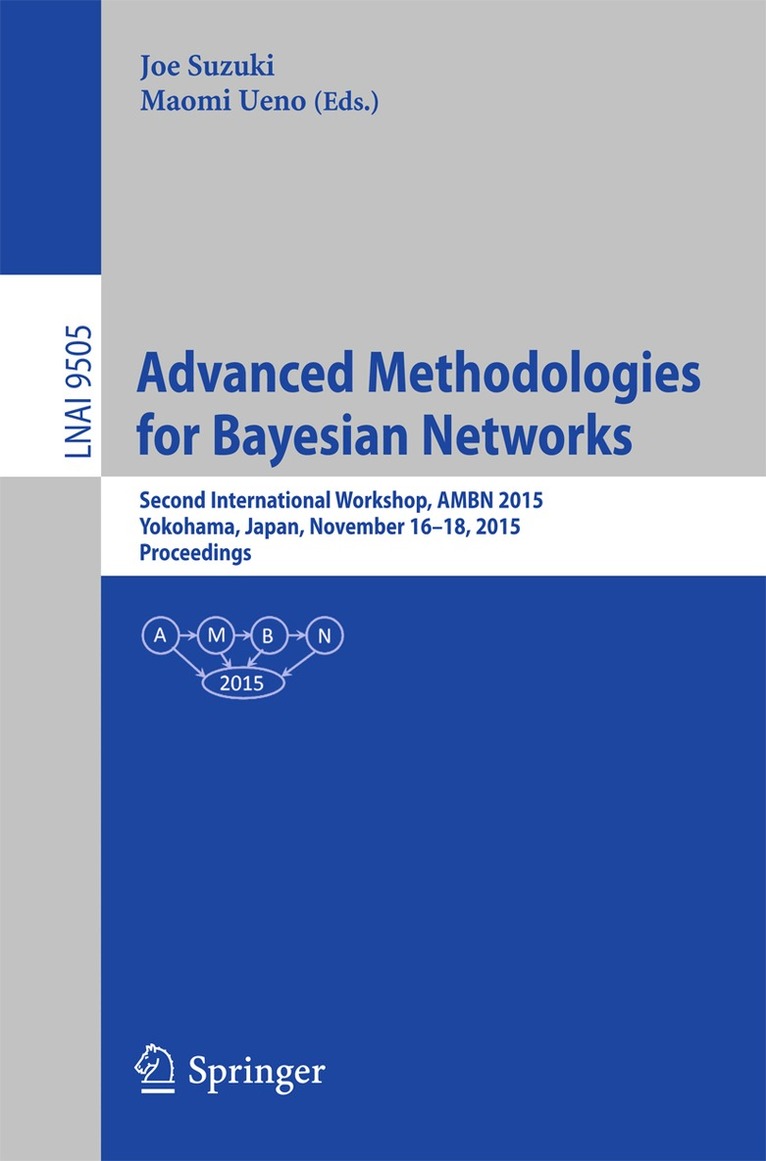
Del 9505 - Lecture Notes in Computer Science
Advanced Methodologies for Bayesian Networks
Second International Workshop, AMBN 2015, Yokohama, Japan, November 16-18, 2015. Proceedings
Häftad, Engelska, 2016
536 kr
Skickas inom 10-15 vardagar
This volume constitutes the refereed proceedings of theSecond International Workshop on Advanced Methodologies for Bayesian Networks,AMBN 2015, held in Yokohama, Japan, in November 2015. The 18 revised full papers and 6 invited abstractspresented were carefully reviewed and selected from numerous submissions.
1 396 kr
Kommande
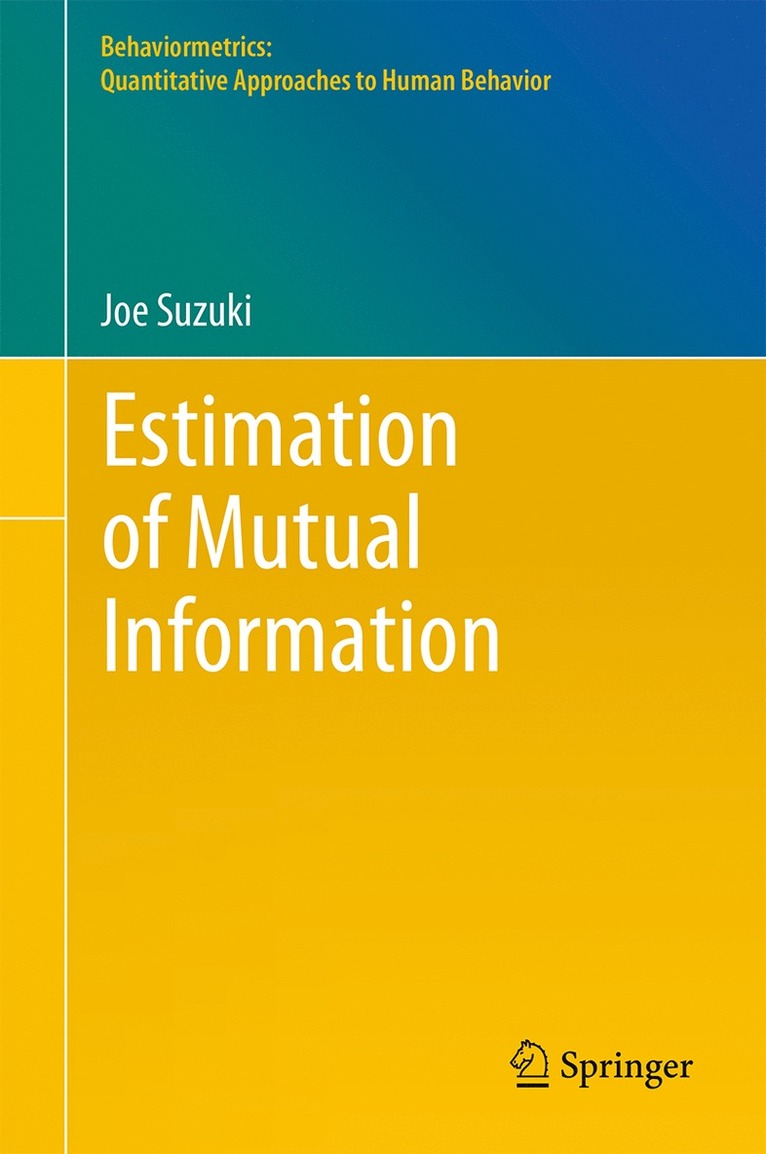
This book presents the mutual information (MI) estimation methods recently proposed by the author and published in a number of major journals. It includes two types of applications: learning a forest structure from data for multivariate variables and identifying independent variables (independent component analysis). MI between a pair of random variables is mathematically defined in information theory. It measures how dependent the two variables are, takes nonnegative values, and is zero if, and only if, they are independent, and is often necessary to know the value of MI between two variables in machine learning, statistical data analysis, and various sciences, including physics, psychology, and economics. However, the real value of MI is not available and it can only be estimated from data. The essential difference between this and other estimations is that consistency and independence testing are proved for the estimations proposed by the author, where the authors state that an estimation satisfies consistency and independence testing when the estimation corresponds to the true value and when the MI estimation value is zero with probability one as the sample size grows, respectively. Thus far, no MI estimations satisfy both these properties at once.
421 kr
Skickas inom 10-15 vardagar
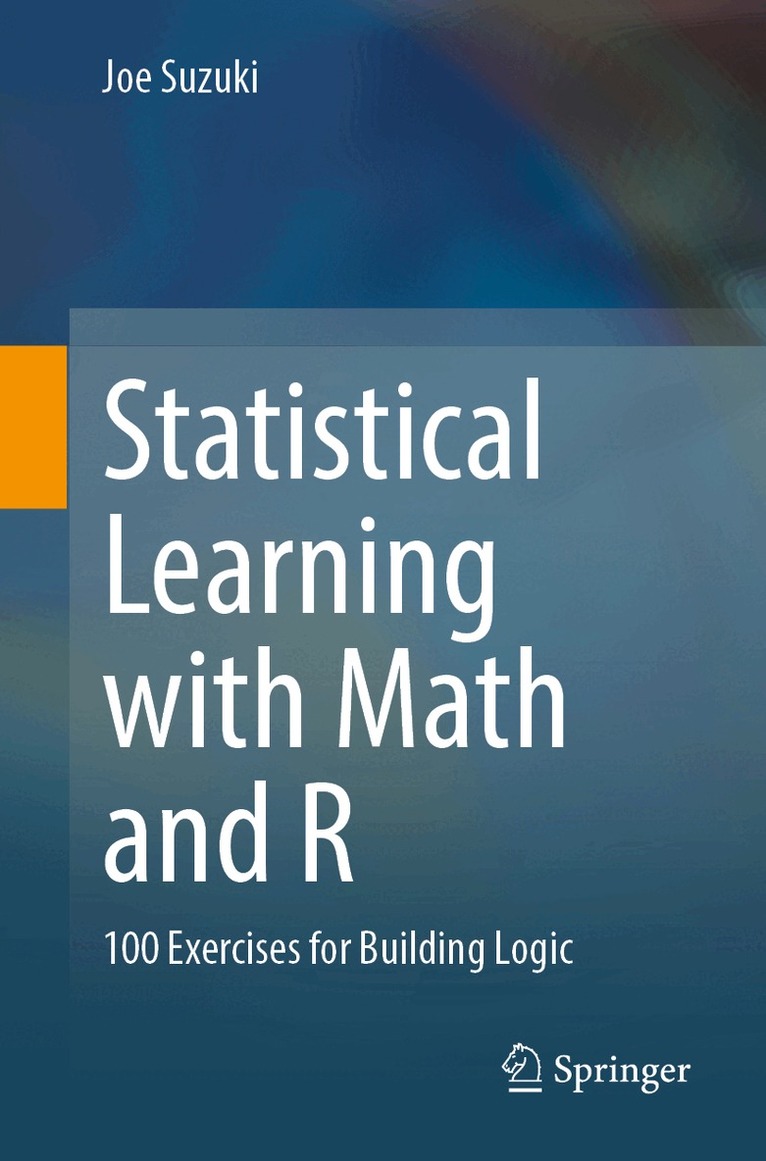
The most crucial ability for machine learning and data science is mathematical logic for grasping their essence rather than knowledge and experience. This textbook approaches the essence of machine learning and data science by considering math problems and building R programs.As the preliminary part, Chapter 1 provides a concise introduction to linear algebra, which will help novices read further to the following main chapters. Those succeeding chapters present essential topics in statistical learning: linear regression, classification, resampling, information criteria, regularization, nonlinear regression, decision trees, support vector machines, and unsupervised learning.Each chapter mathematically formulates and solves machine learning problems and builds the programs. The body of a chapter is accompanied by proofs and programs in an appendix, with exercises at the end of the chapter. Because the book is carefully organized to provide the solutions to the exercisesin each chapter, readers can solve the total of 100 exercises by simply following the contents of each chapter.This textbook is suitable for an undergraduate or graduate course consisting of about 12 lectures. Written in an easy-to-follow and self-contained style, this book will also be perfect material for independent learning.
409 kr
Skickas inom 10-15 vardagar
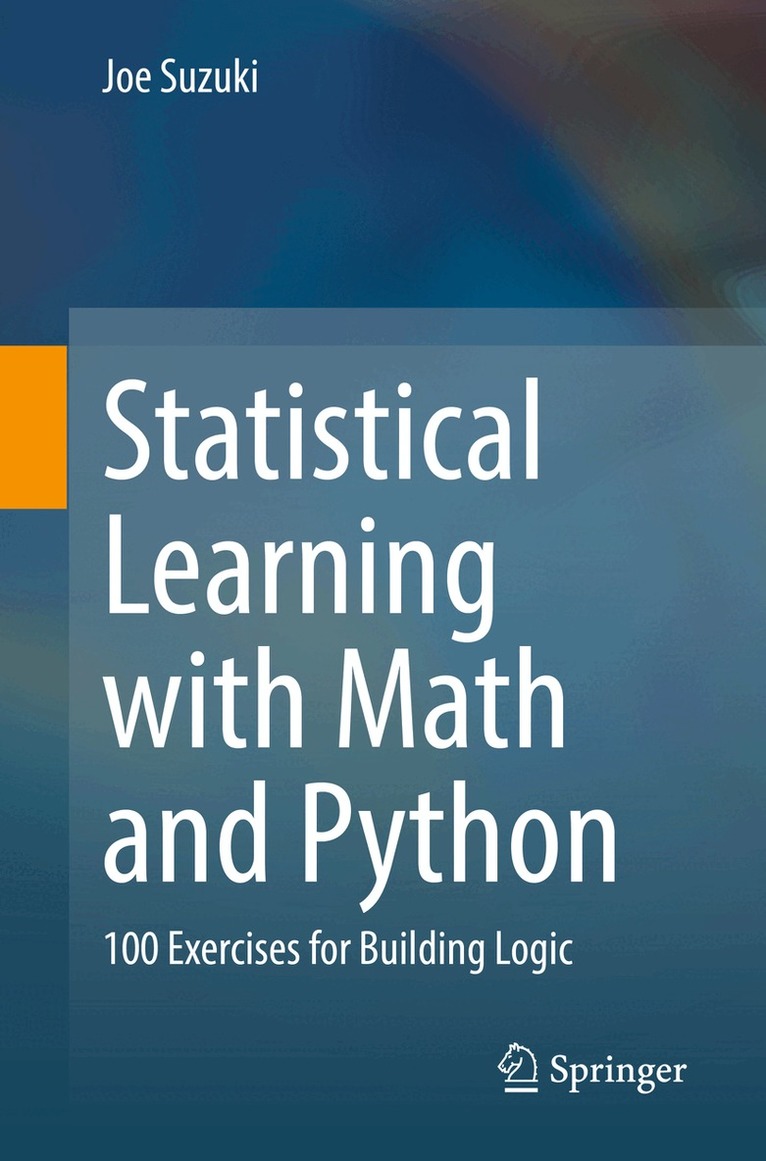
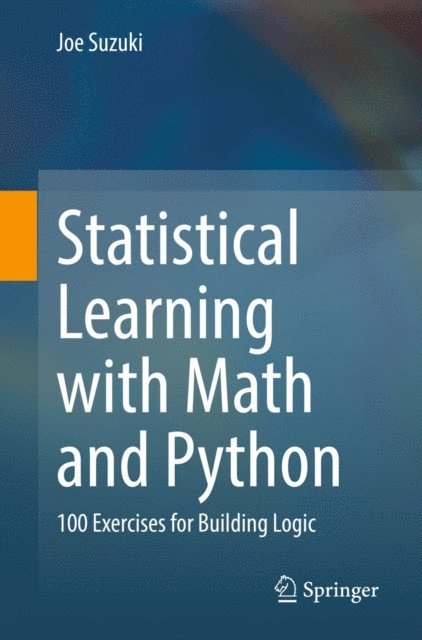
This textbook approaches the essence of machine learning and data science by considering math problems and building Python programs. As the preliminary part, Chapter 1 provides a concise introduction to linear algebra, which will help novices read further to the following main chapters.
409 kr
Skickas inom 10-15 vardagar
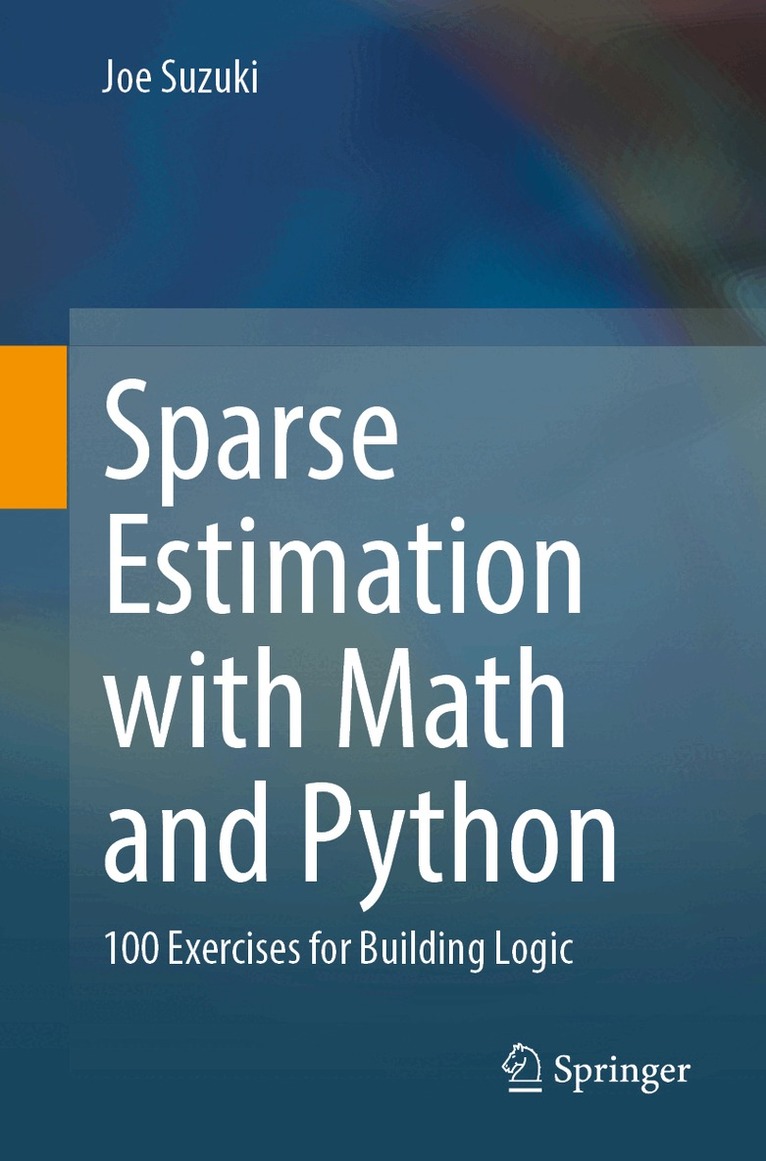
The most crucial ability for machine learning and data science is mathematical logic for grasping their essence rather than knowledge and experience. This textbook approaches the essence of sparse estimation by considering math problems and building Python programs. Each chapter introduces the notion of sparsity and provides procedures followed by mathematical derivations and source programs with examples of execution. To maximize readers’ insights into sparsity, mathematical proofs are presented for almost all propositions, and programs are described without depending on any packages. The book is carefully organized to provide the solutions to the exercises in each chapter so that readers can solve the total of 100 exercises by simply following the contents of each chapter.This textbook is suitable for an undergraduate or graduate course consisting of about 15 lectures (90 mins each). Written in an easy-to-follow and self-contained style, this book will also be perfect material for independent learning by data scientists, machine learning engineers, and researchers interested in linear regression, generalized linear lasso, group lasso, fused lasso, graphical models, matrix decomposition, and multivariate analysis.This book is one of a series of textbooks in machine learning by the same Author. Other titles are: Statistical Learning with Math and R (https://www.springer.com/gp/book/9789811575679)Statistical Learning with Math and Pyth (https://www.springer.com/gp/book/9789811578762)Sparse Estimation with Math and R
377 kr
Skickas inom 10-15 vardagar
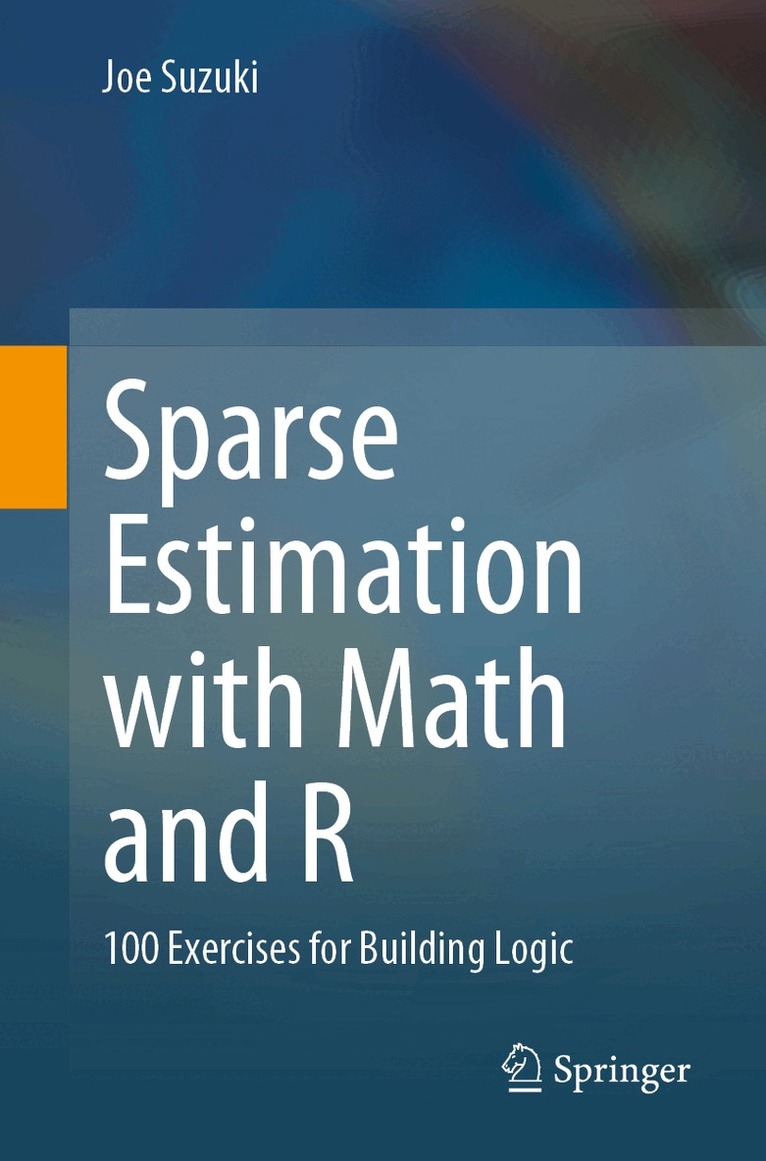
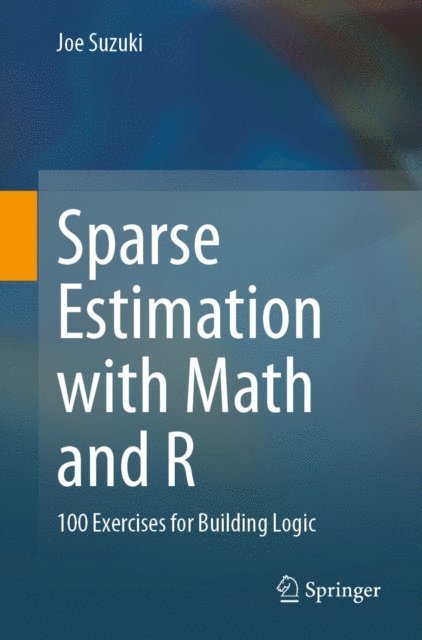
The most crucial ability for machine learning and data science is mathematical logic for grasping their essence rather than knowledge and experience. This textbook approaches the essence of sparse estimation by considering math problems and building R programs. Each chapter introduces the notion of sparsity and provides procedures followed by mathematical derivations and source programs with examples of execution. To maximize readers’ insights into sparsity, mathematical proofs are presented for almost all propositions, and programs are described without depending on any packages. The book is carefully organized to provide the solutions to the exercises in each chapter so that readers can solve the total of 100 exercises by simply following the contents of each chapter.This textbook is suitable for an undergraduate or graduate course consisting of about 15 lectures (90 mins each). Written in an easy-to-follow and self-contained style, this book will also be perfectmaterial for independent learning by data scientists, machine learning engineers, and researchers interested in linear regression, generalized linear lasso, group lasso, fused lasso, graphical models, matrix decomposition, and multivariate analysis.This book is one of a series of textbooks in machine learning by the same author. Other titles are: - Statistical Learning with Math and R (https://www.springer.com/gp/book/9789811575679)- Statistical Learning with Math and Python (https://www.springer.com/gp/book/9789811578762)- Sparse Estimation with Math and Python
Kernel Methods for Machine Learning with Math and R
100 Exercises for Building Logic
Häftad, Engelska, 2022
497 kr
Skickas inom 10-15 vardagar
The most crucial ability for machine learning and data science is mathematical logic for grasping their essence rather than relying on knowledge or experience. This textbook addresses the fundamentals of kernel methods for machine learning by considering relevant math problems and building R programs. The book’s main features are as follows:The content is written in an easy-to-follow and self-contained style.The book includes 100 exercises, which have been carefully selected and refined. As their solutions are provided in the main text, readers can solve all of the exercises by reading the book.The mathematical premises of kernels are proven and the correct conclusions are provided, helping readers to understand the nature of kernels.Source programs and running examples are presented to help readers acquire a deeper understanding of the mathematics used.Once readers have a basic understanding of the functional analysis topics covered in Chapter 2, the applications are discussed in the subsequent chapters. Here, no prior knowledge of mathematics is assumed.This book considers both the kernel for reproducing kernel Hilbert space (RKHS) and the kernel for the Gaussian process; a clear distinction is made between the two.
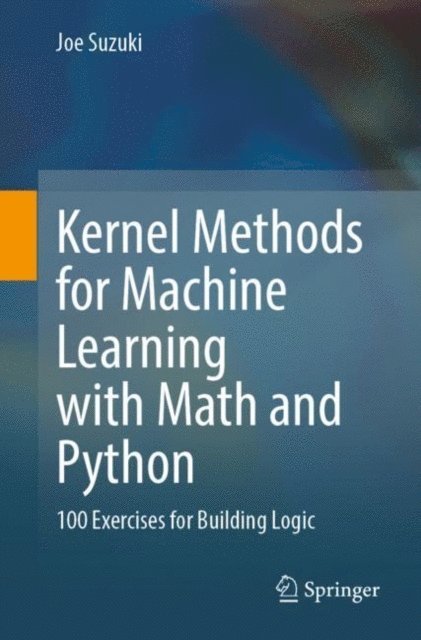
Kernel Methods for Machine Learning with Math and Python
100 Exercises for Building Logic
Häftad, Engelska, 2022
552 kr
Skickas inom 10-15 vardagar
The most crucial ability for machine learning and data science is mathematical logic for grasping their essence rather than relying on knowledge or experience. This textbook addresses the fundamentals of kernel methods for machine learning by considering relevant math problems and building Python programs. The book’s main features are as follows:The content is written in an easy-to-follow and self-contained style.The book includes 100 exercises, which have been carefully selected and refined. As their solutions are provided in the main text, readers can solve all of the exercises by reading the book.The mathematical premises of kernels are proven and the correct conclusions are provided, helping readers to understand the nature of kernels.Source programs and running examples are presented to help readers acquire a deeper understanding of the mathematics used.Once readers have a basic understanding of the functional analysistopics covered in Chapter 2, the applications are discussed in the subsequent chapters. Here, no prior knowledge of mathematics is assumed.This book considers both the kernel for reproducing kernel Hilbert space (RKHS) and the kernel for the Gaussian process; a clear distinction is made between the two.
641 kr
Skickas inom 7-10 vardagar
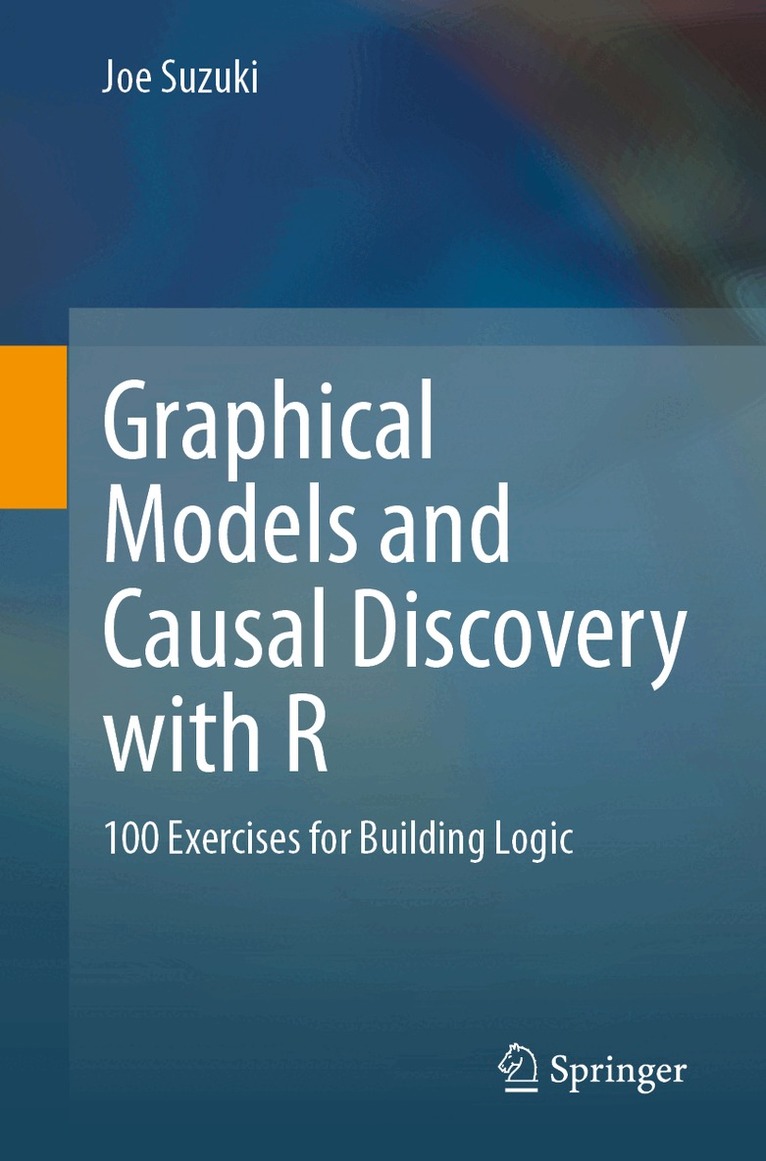
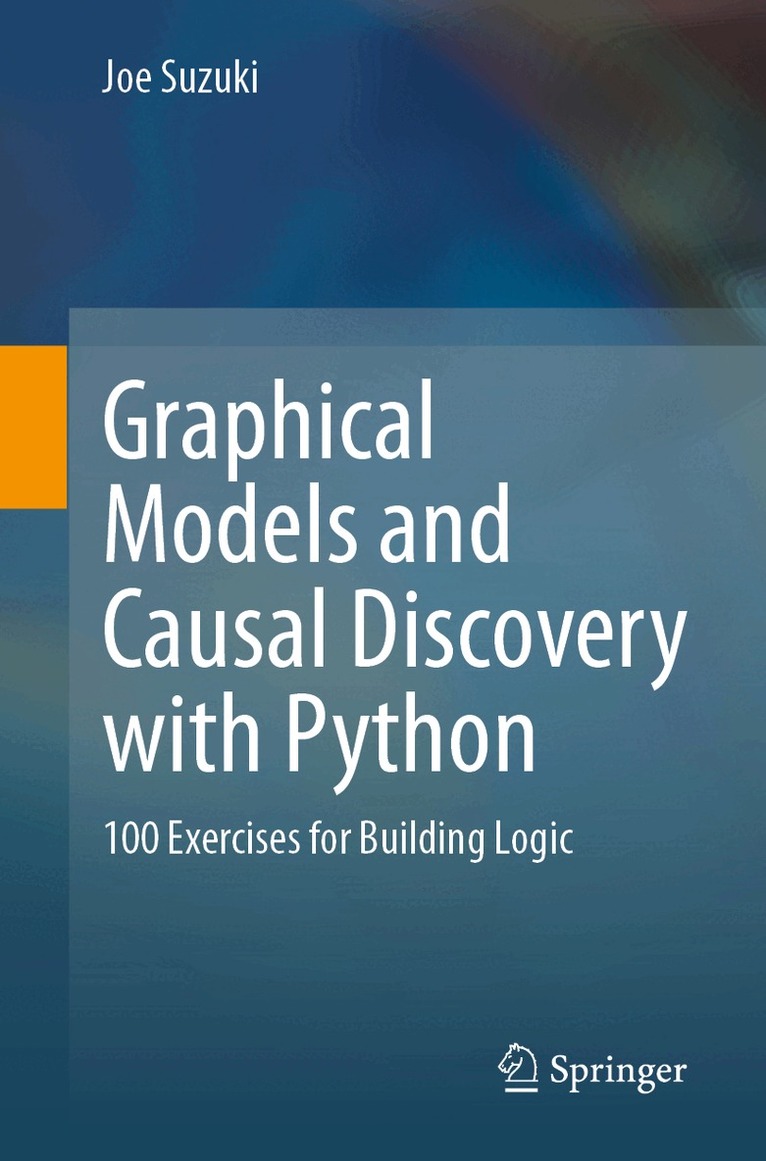
Graphical Models and Causal Discovery with Python
100 Exercises for Building Logic
Häftad, Engelska, 2026
721 kr
Kommande
536 kr
Skickas inom 10-15 vardagar
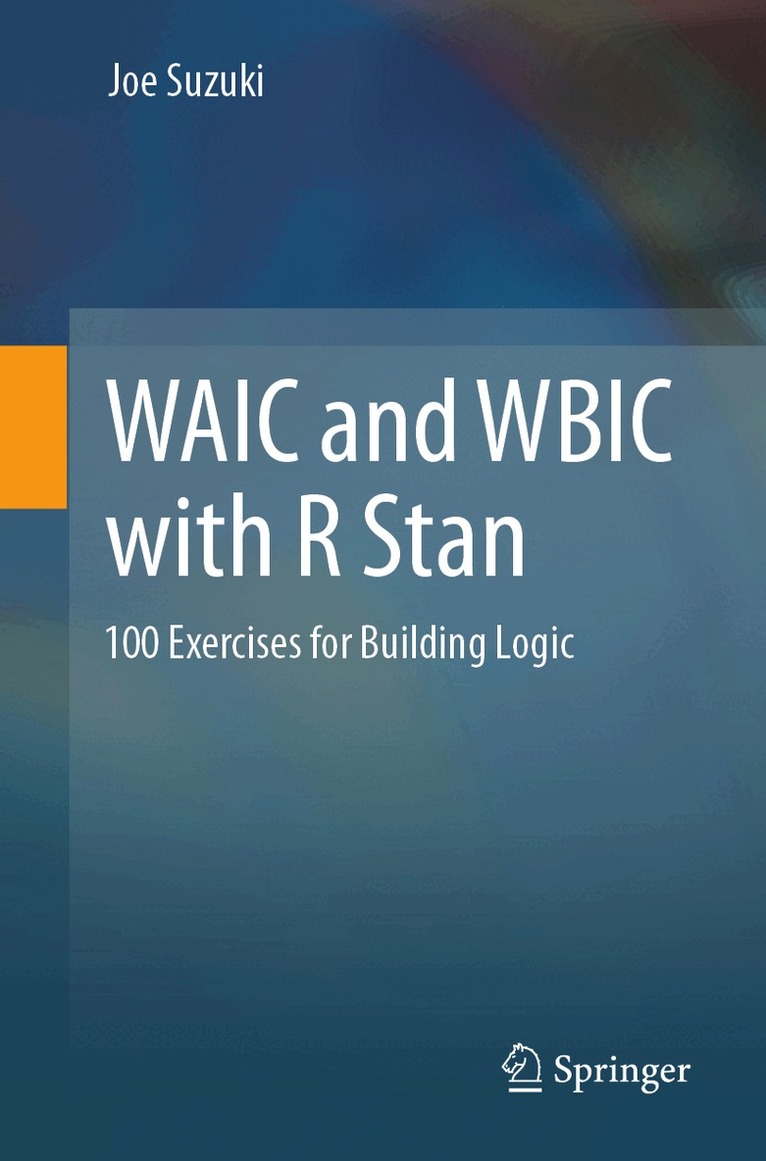
Master the art of machine learning and data science by diving into the essence of mathematical logic with this comprehensive textbook. This book focuses on the widely applicable information criterion (WAIC), also described as the Watanabe-Akaike information criterion, and the widely applicable Bayesian information criterion (WBIC), also described as the Watanabe Bayesian information criterion. This book expertly guides you through relevant mathematical problems while also providing hands-on experience with programming in R and Stan. Whether you’re a data scientist looking to refine your model selection process or a researcher who wants to explore the latest developments in Bayesian statistics, this accessible guide will give you a firm grasp of Watanabe Bayesian Theory.The key features of this indispensable book include:A clear and self-contained writing style, ensuring ease of understanding for readers at various levels of expertise.100 carefully selected exercises accompanied by solutions in the main text, enabling readers to effectively gauge their progress and comprehension.A comprehensive guide to Sumio Watanabe’s groundbreaking Bayes theory, demystifying a subject once considered too challenging even for seasoned statisticians.Detailed source programs and Stan codes that will enhance readers’ grasp of the mathematical concepts presented.A streamlined approach to algebraic geometry topics in Chapter 6, making Bayes theory more accessible and less daunting.Embark on your machine learning and data science journey with this essential textbook and unlock the full potential of WAIC and WBIC today!
536 kr
Skickas inom 7-10 vardagar
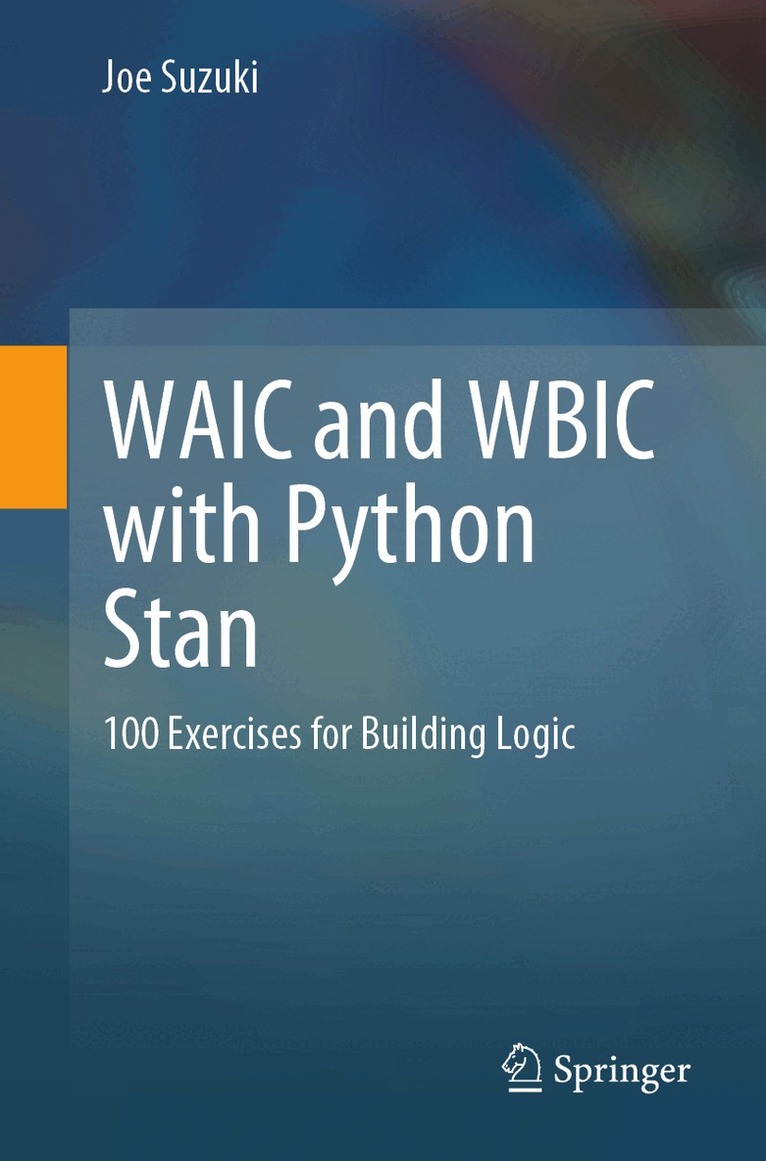
Master the art of machine learning and data science by diving into the essence of mathematical logic with this comprehensive textbook. This book focuses on the widely applicable information criterion (WAIC), also described as the Watanabe-Akaike information criterion, and the widely applicable Bayesian information criterion (WBIC), also described as the Watanabe Bayesian information criterion. The book expertly guides you through relevant mathematical problems while also providing hands-on experience with programming in Python and Stan. Whether you’re a data scientist looking to refine your model selection process or a researcher who wants to explore the latest developments in Bayesian statistics, this accessible guide will give you a firm grasp of Watanabe Bayesian Theory.The key features of this indispensable book include:A clear and self-contained writing style, ensuring ease of understanding for readers at various levels of expertise.100 carefully selected exercises accompanied by solutions in the main text, enabling readers to effectively gauge their progress and comprehension.A comprehensive guide to Sumio Watanabe’s groundbreaking Bayes theory, demystifying a subject once considered too challenging even for seasoned statisticians.Detailed source programs and Stan codes that will enhance readers’ grasp of the mathematical concepts presented.A streamlined approach to algebraic geometry topics in Chapter 6, making Bayes theory more accessible and less daunting.Embark on your machine learning and data science journey with this essential textbook and unlock the full potential of WAIC and WBIC today!