Joel Magnuson – författare
Visar alla böcker från författaren Joel Magnuson. Handla med fri frakt och snabb leverans.
13 produkter
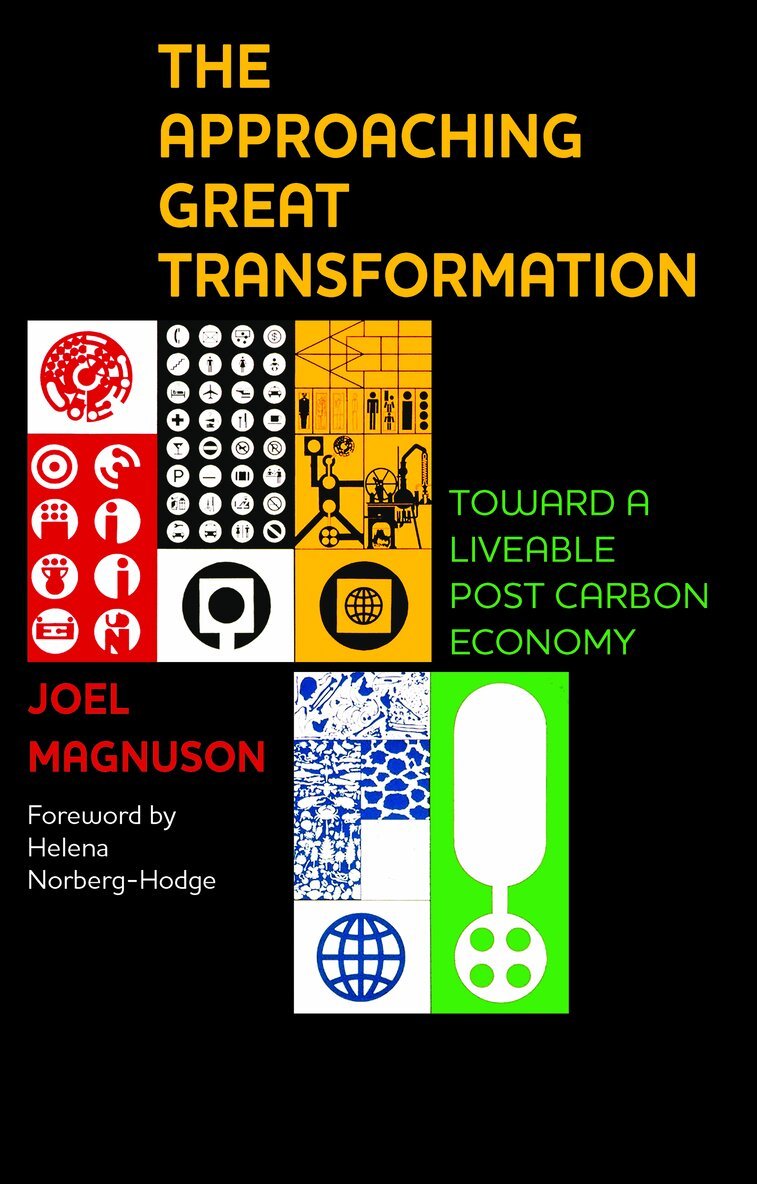
Approaching Great Transformation
Toward a Liveable Post Carbon Economy
Häftad, 2013
271 kr
Lägg i varukorg
Joel Magnuson's visionary insights into the decline of the Oil Age and life afterward combine sobering warnings with genuine hope. The facts are hard: global oil deposits will soon peak if they haven't already and the violent race to secure what's left has already begun. Meanwhile, our culture of …
From Greed to Wellbeing
A Buddhist Approach to Resolving Our Economic and Financial Crises
Häftad, 2016
259 kr
Lägg i varukorg
Despite our fitful attempts over decades at reform, the global financial system seems caught in cycles of boom and bust, instability, and scandal. In this timely new book, Joel Magnuson builds on the classic works of E. F. Schumacher and other kindred spirits to provide a Buddhist economics …
From Greed to Wellbeing
A Buddhist approach to resolving our economic and financial crises
E-bok, 2016
269 kr
Lägg i varukorg
Despite our fitful attempts over decades at reform, the global financial system seems caught in cycles of boom and bust, instability, and scandal. In this timely new book, Joel Magnuson builds on the classic works of E. F. Schumacher and other kindred spirits to provide a Buddhist economics …
From Greed to Wellbeing
A Buddhist approach to resolving our economic and financial crises
E-bok, 2016
269 kr
Lägg i varukorg
Despite our fitful attempts over decades at reform, the global financial system seems caught in cycles of boom and bust, instability, and scandal. In this timely new book, Joel Magnuson builds on the classic works of E. F. Schumacher and other kindred spirits to provide a Buddhist economics …
Mindful Economics
How the US Economy Works, Why it Matters, and How it Could be Different
Häftad, 2008
251 kr
Lägg i varukorg
Are the huge profits garnered by corporations each year a case of a few bad apples in the business world taking advantage of unmonitored dealings? Is this consolidation of wealth made at the expense of the overall economy? Will the planet be saved by promoting more green businesses'? Magnuson …
Mindful Economics
How the U.S. Economy Works, Why it Matters, and How it Could Be Different
E-bok, 2011
287 kr
Lägg i varukorg
Are the huge profits garnered by corporations each year a case of a few bad apples in the business world taking advantage of unmonitored dealings? Is this consolidation of wealth made at the expense of the overall economy and the wellbeing of the average citizen? Will the planet be saved by …
Approaching Great Transformation
Toward a Livable Post Carbon Economy
E-bok, 2013
215 kr
Lägg i varukorg
"A brave book by a smart person with a masterful command of economic theory." —Publisher''s Weekly How should we act and think economically in the world as the era of cheap oil comes to an end? The Approaching Great Transformation begins to answer this massive question, focusing on the people and …
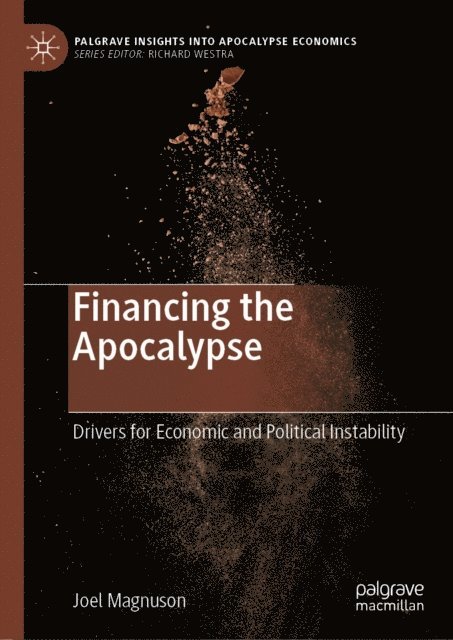
Financing the Apocalypse
Drivers for Economic and Political Instability
Inbunden, 2019
1237 kr
Lägg i varukorg
As we tour the 400 year history of capitalism through its various phases of development, financial system instability is always there lurking in the shadows. The historical record attests that the processes of aggregating capital for real investment are inescapably vulnerable to risk, manic …
Financing the Apocalypse
Drivers for Economic and Political Instability
E-bok, 2018
1617 kr
Lägg i varukorg
As we tour the 400 year history of capitalism through its various phases of development, financial system instability is always there lurking in the shadows. The historical record attests that the processes of aggregating capital for real investment are inescapably vulnerable to risk, manic …
Financing the Apocalypse
Drivers for Economic and Political Instability
Häftad, 2020
876 kr
Lägg i varukorg
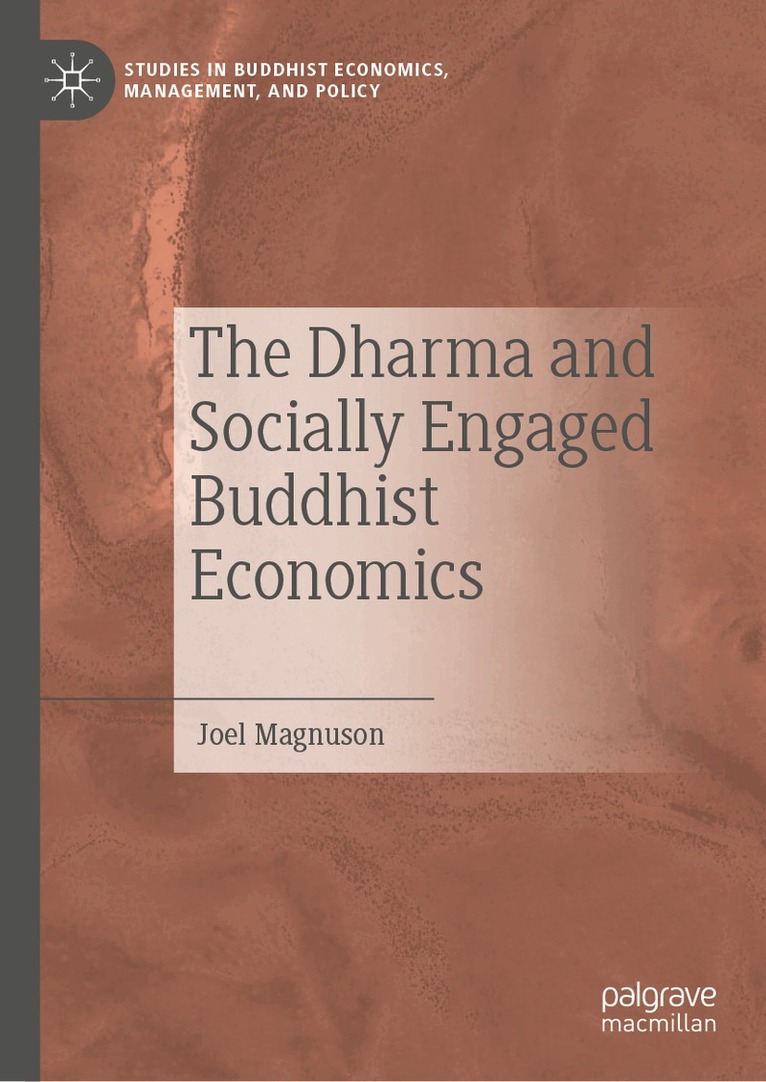
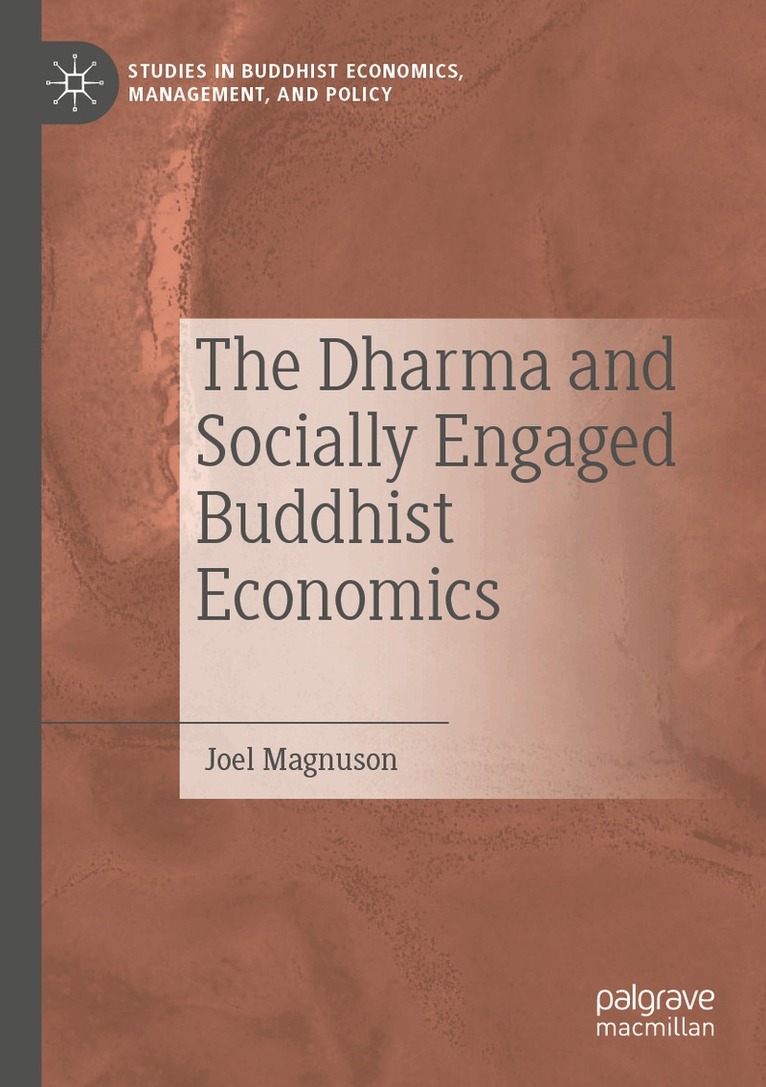
Dharma and Socially Engaged Buddhist Economics
Inbunden, 2022
1237 kr
Lägg i varukorg
This book defends and articulates an “Engaged Buddhist” approach to economics as a response to the destructive effects of global capitalism. The author posits that Buddhist understandings of the distortions of greed, aversion, and ignorance can be read to apply not only to mental states but also to …
Dharma and Socially Engaged Buddhist Economics
E-bok, 2022
1670 kr
Lägg i varukorg
This book defends and articulates an “Engaged Buddhist” approach to economics as a response to the destructive effects of global capitalism. The author posits that Buddhist understandings of the distortions of greed, aversion, and ignorance can be read to apply not only to mental states but also to …
Dharma and Socially Engaged Buddhist Economics
Häftad, 2023
1237 kr
Lägg i varukorg
This book defends and articulates an “Engaged Buddhist” approach to economics as a response to the destructive effects of global capitalism. The author posits that Buddhist understandings of the distortions of greed, aversion, and ignorance can be read to apply not only to mental states but also to …