Joep Schenk – författare
Visar alla böcker från författaren Joep Schenk. Handla med fri frakt och snabb leverans.
4 produkter
4 produkter
Inbunden, Engelska, 2020
2 259 kr
Skickas inom 10-15 vardagar
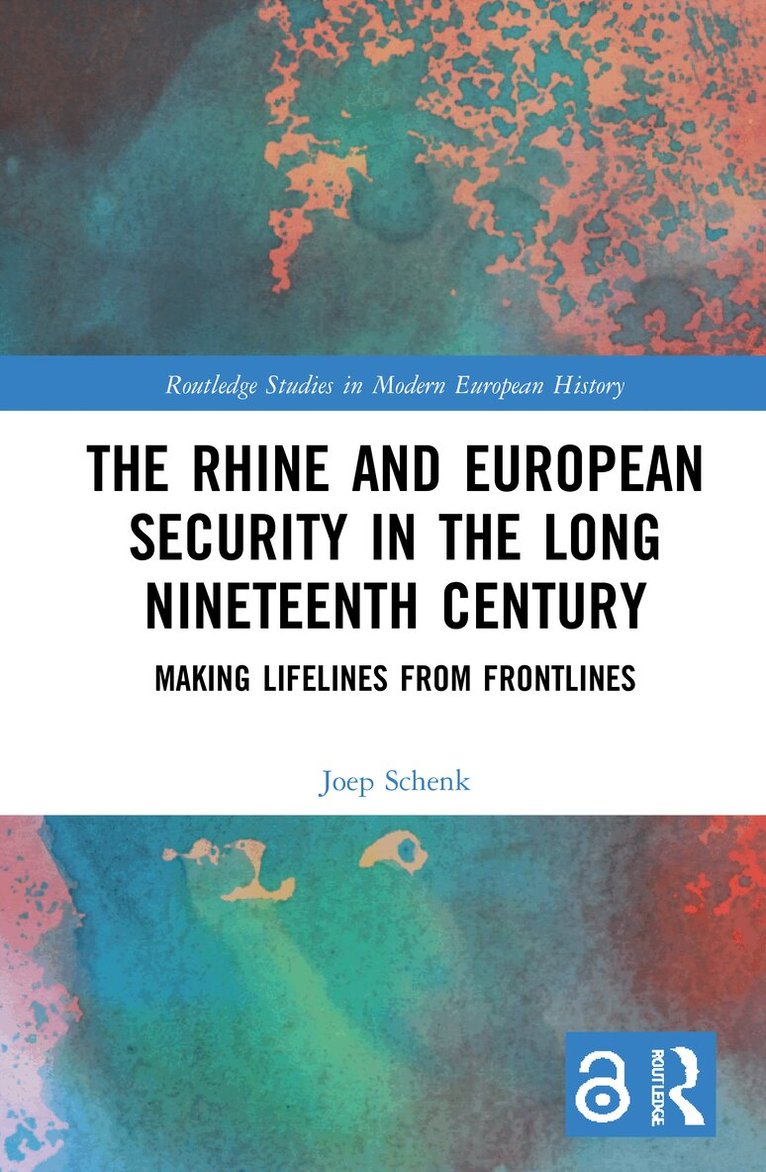
Throughout history rivers have always been a source of life and of conflict. This book investigates the Central Commission for the Navigation of the Rhine’s (CCNR) efforts to secure the principle of freedom of navigation on Europe’s prime river.The book explores how the most fundamental change in the history of international river governance arose from European security concerns. It examines how the CCNR functioned as an ongoing experiment in reconciling national and common interests that contributed to the emergence of European prosperity in the course of the long nineteenth century. In so doing, it shows that modern conceptions and practices of security cannot be understood without accounting for prosperity considerations and prosperity policies. Incorporating research from archives in Great Britain, Germany, and the Netherlands, as well as the recently opened CCNR archives in France, this study operationalises a truly transnational perspective that effectively opens the black box of the oldest and still existing international organisation in the world in its first centenary.In showing how security-prosperity considerations were a driving force in the unfolding of Europe’s prime river in the nineteenth century, it is of interest to scholars of politics and history, including the history of international relations, European history, transnational history and the history of security, as well as those with an interest in current themes and debates about transboundary water governance.The Open Access version of this book, available at www.taylorfrancis.com, has been made available under a Creative Commons Attribution-Non Commercial-No Derivatives 4.0 license.
Häftad, Engelska, 2022
675 kr
Skickas inom 10-15 vardagar
Throughout history rivers have always been a source of life and of conflict. This book investigates the Central Commission for the Navigation of the Rhine’s (CCNR) efforts to secure the principle of freedom of navigation on Europe’s prime river.The book explores how the most fundamental change in the history of international river governance arose from European security concerns. It examines how the CCNR functioned as an ongoing experiment in reconciling national and common interests that contributed to the emergence of European prosperity in the course of the long nineteenth century. In so doing, it shows that modern conceptions and practices of security cannot be understood without accounting for prosperity considerations and prosperity policies. Incorporating research from archives in Great Britain, Germany, and the Netherlands, as well as the recently opened CCNR archives in France, this study operationalises a truly transnational perspective that effectively opens the black box of the oldest and still existing international organisation in the world in its first centenary.In showing how security-prosperity considerations were a driving force in the unfolding of Europe’s prime river in the nineteenth century, it is of interest to scholars of politics and history, including the history of international relations, European history, transnational history and the history of security, as well as those with an interest in current themes and debates about transboundary water governance.The Open Access version of this book, available at www.taylorfrancis.com, has been made available under a Creative Commons Attribution-Non Commercial-No Derivatives 4.0 license.
E-bok
PDF, Tyska, 2021204 kr
Läs direkt efter köp
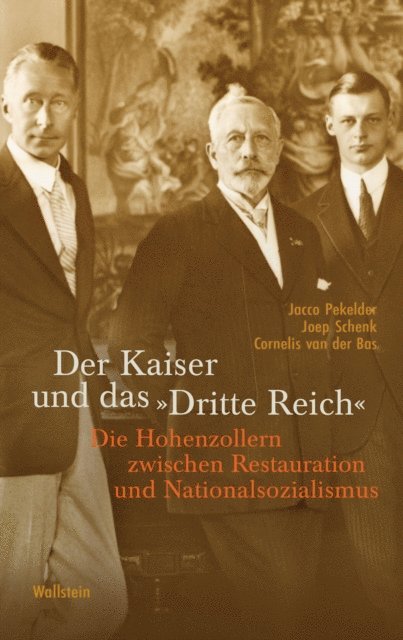
Wie nahe kamen die Hohenzollern der NS-Bewegung? - Neue Fakten zu einer aktuellen Debatte.Haben die Hohenzollern dem Nationalsozialismus "in erheblichem Maße Vorschub" geleistet? Über diese Frage wird in Deutschland derzeit diskutiert. Ausgehend von den publik gewordenen Entschädigungsansprüchen der ehemaligen kaiserlichen Familie wird kontrovers über das Verhältnis der Hohenzollern zur NS-Bewegung gestritten.Wilhelm II., seine zweite Frau Prinzessin Hermine, Prinz "Auwi", Kronprinz Wilhelm, dessen Frau Cecilie, Louis Ferdinand: Sie alle engagierten sich mit unterschiedlicher Intensität in der rechten Szene der Weimarer Republik und der beginnenden NS-Herrschaft. Ging es allein um die Rückkehr an die Macht oder gab es auch ideologische Gemeinsamkeiten?Im Rahmen einer Ausstellung des Museums Huis Doorn, des niederländischen Exilorts des letzten deutschen Kaisers, haben drei Historiker diese komplexen Fragen und die Debatte im heutigen Deutschland sorgfältig erörtert. Auch zeigen sie, dass in den Niederlanden bereits direkt nach 1945 um das Geschichtsbild der Hohenzollern gestritten wurde.
E-bok
Tyska, 2021204 kr
Läs direkt efter köp
Wie nahe kamen die Hohenzollern der NS-Bewegung? - Neue Fakten zu einer aktuellen Debatte.Haben die Hohenzollern dem Nationalsozialismus "in erheblichem Maße Vorschub" geleistet? Über diese Frage wird in Deutschland derzeit diskutiert. Ausgehend von den publik gewordenen Entschädigungsansprüchen der ehemaligen kaiserlichen Familie wird kontrovers über das Verhältnis der Hohenzollern zur NS-Bewegung gestritten.Wilhelm II., seine zweite Frau Prinzessin Hermine, Prinz "Auwi", Kronprinz Wilhelm, dessen Frau Cecilie, Louis Ferdinand: Sie alle engagierten sich mit unterschiedlicher Intensität in der rechten Szene der Weimarer Republik und der beginnenden NS-Herrschaft. Ging es allein um die Rückkehr an die Macht oder gab es auch ideologische Gemeinsamkeiten?Im Rahmen einer Ausstellung des Museums Huis Doorn, des niederländischen Exilorts des letzten deutschen Kaisers, haben drei Historiker diese komplexen Fragen und die Debatte im heutigen Deutschland sorgfältig erörtert. Auch zeigen sie, dass in den Niederlanden bereits direkt nach 1945 um das Geschichtsbild der Hohenzollern gestritten wurde.