Jörg Römbke – författare
Visar alla böcker från författaren . Handla med fri frakt och snabb leverans.
4 produkter
4 produkter
Inbunden, Engelska, 2009
1 620 kr
Skickas inom 10-15 vardagar
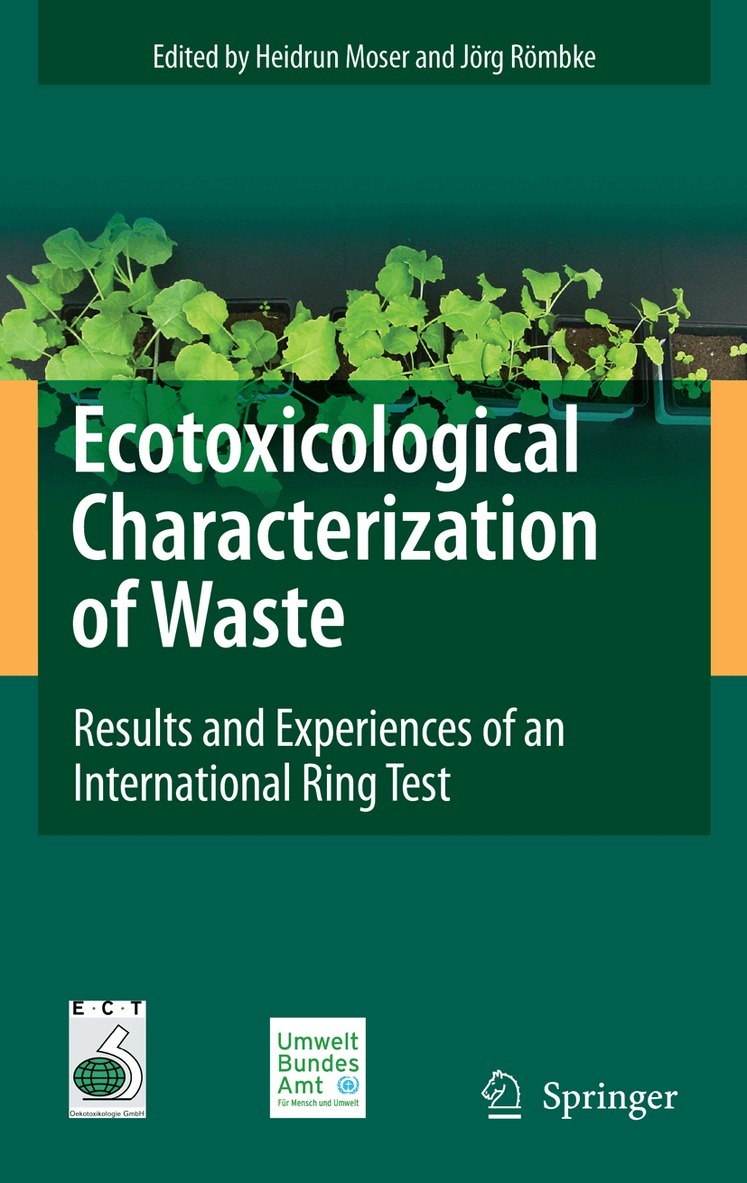
R. Wagner The European list of wastes (LOW) (Commission Decision 2000/532/EC and updates) is the basic foundation for the implementation of waste legislation in Europe. It contains a harmonized list of different types of waste and categorizes them according to their origin or generation process. It provides for a uniform description of wastes through the application of a uniform nomenclature and the assignation of certain waste code numbers, for example, in permits or for monit- ing purposes. It also labels those hazardous wastes that are subject to a number of special provisions in both European and national legislation, for example, with regard to monitoring, licenses for installations, and national obligations regarding giving notice and transfer of responsibilities. The Waste Catalogue Ordinance (AVV) transposed the European LOW into German legislation in late 2001. This ordinance encompasses 840 codes of waste in 20 main chapters, classifies 400 types of waste as hazardous, and contains mirror entries for about 200 types of waste. The latter term classifies waste either as hazardous or non-hazardous, depending on certain physical or chemical properties. The ordinance defines 14 hazard criteria (H criteria), including criterion H14 “ecotoxic,” in order to classify waste with regard to properties that render it hazardous. Unfortunately, the LOW is incomplete. Depending on the classification of h- ard, specific concentrations of solids are laid down for the majority of properties relevant for health and workers’ protection.
Häftad, Engelska, 2010
1 620 kr
Skickas inom 10-15 vardagar
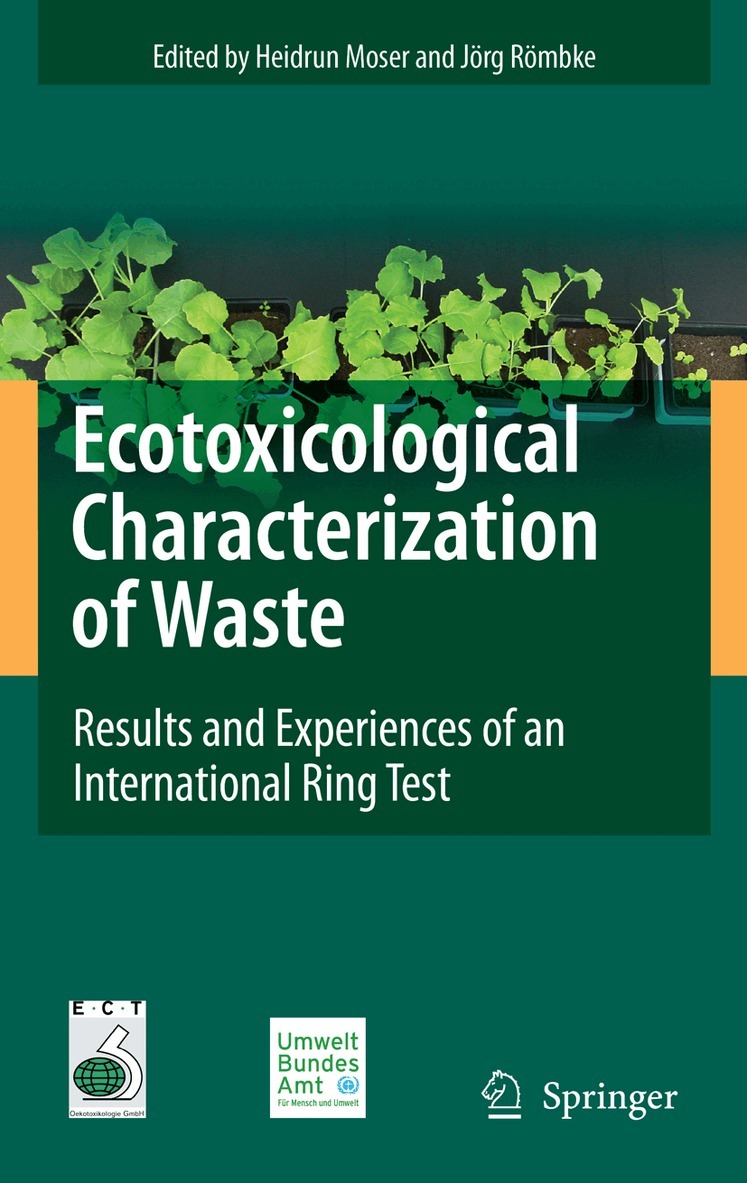
R. Wagner The European list of wastes (LOW) (Commission Decision 2000/532/EC and updates) is the basic foundation for the implementation of waste legislation in Europe. It contains a harmonized list of different types of waste and categorizes them according to their origin or generation process. It provides for a uniform description of wastes through the application of a uniform nomenclature and the assignation of certain waste code numbers, for example, in permits or for monit- ing purposes. It also labels those hazardous wastes that are subject to a number of special provisions in both European and national legislation, for example, with regard to monitoring, licenses for installations, and national obligations regarding giving notice and transfer of responsibilities. The Waste Catalogue Ordinance (AVV) transposed the European LOW into German legislation in late 2001. This ordinance encompasses 840 codes of waste in 20 main chapters, classifies 400 types of waste as hazardous, and contains mirror entries for about 200 types of waste. The latter term classifies waste either as hazardous or non-hazardous, depending on certain physical or chemical properties. The ordinance defines 14 hazard criteria (H criteria), including criterion H14 “ecotoxic,” in order to classify waste with regard to properties that render it hazardous. Unfortunately, the LOW is incomplete. Depending on the classification of h- ard, specific concentrations of solids are laid down for the majority of properties relevant for health and workers’ protection.
6 983 kr
Skickas inom 10-15 vardagar
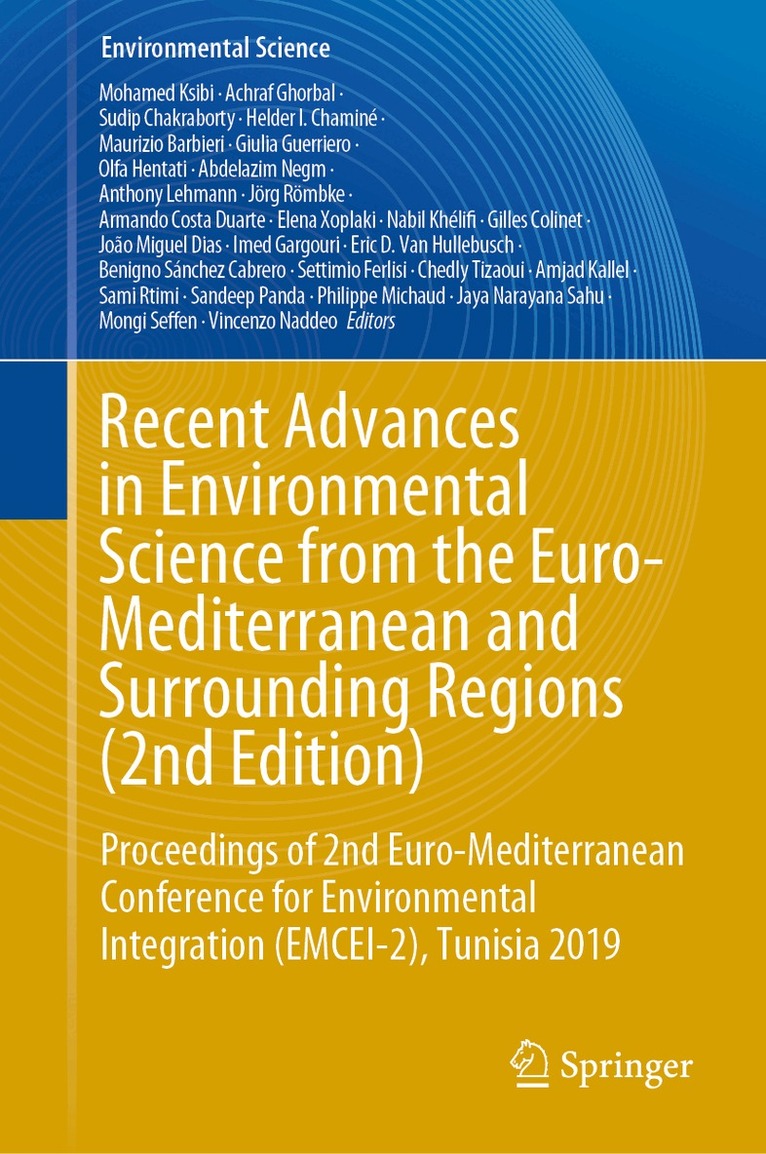
This book includes over three hundred and seventy-five short papers presented during the second EMCEI, which was held in Sousse, Tunisia in October 2019. After the success of the first EMCEI in 2017, the second installment tackled emerging environmental issues together with new challenges, e.g. by focusing on innovative approaches that contribute to achieving a sustainable environment in the Mediterranean and surrounding regions and by highlighting to decision makers from related sectors the environmental considerations that should be integrated into their respective activities. Presenting a wide range of environmental topics and new findings relevant to a variety of problems in these regions, this volume will appeal to anyone working in the subject area and particularly to students interested in learning more about new advances in environmental research initiatives in view of the worsening environmental degradation of the Mediterranean and surrounding regions, which has made environmental and resource protection into an increasingly important issue hampering sustainable development and social welfare.
6 983 kr
Skickas inom 10-15 vardagar
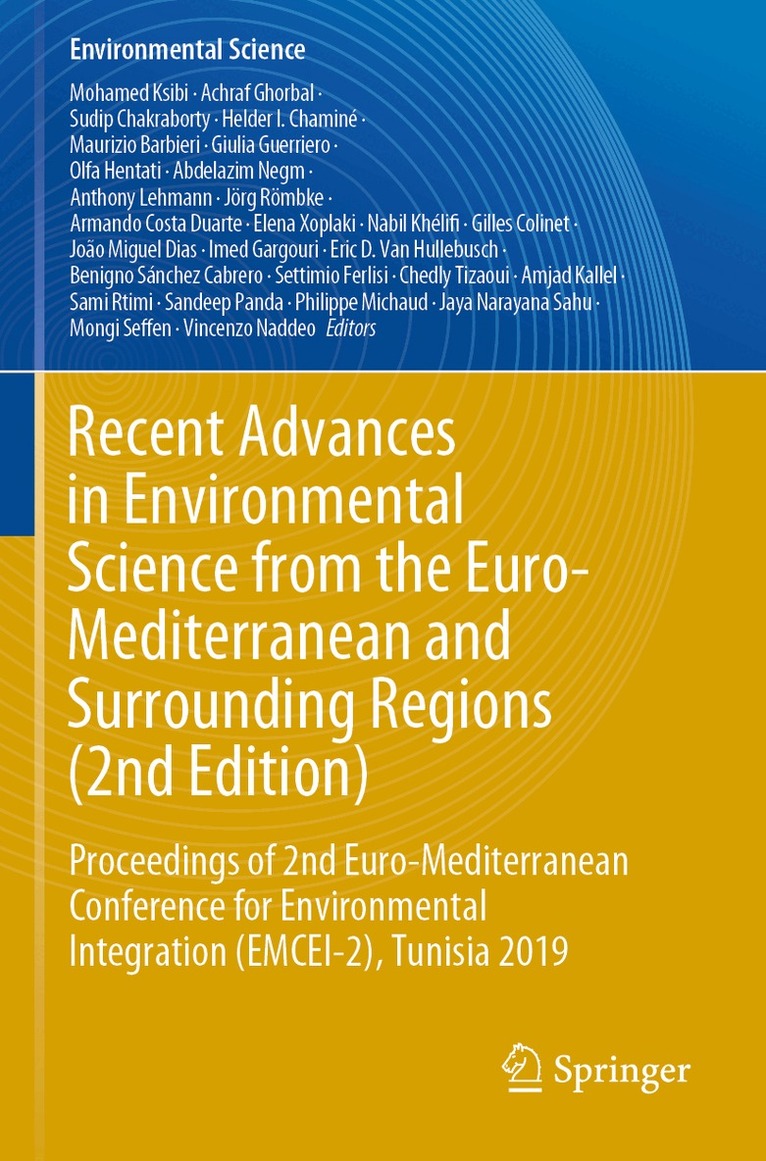
This book includes over three hundred and seventy-five short papers presented during the second EMCEI, which was held in Sousse, Tunisia in October 2019. After the success of the first EMCEI in 2017, the second installment tackled emerging environmental issues together with new challenges, e.g. by focusing on innovative approaches that contribute to achieving a sustainable environment in the Mediterranean and surrounding regions and by highlighting to decision makers from related sectors the environmental considerations that should be integrated into their respective activities. Presenting a wide range of environmental topics and new findings relevant to a variety of problems in these regions, this volume will appeal to anyone working in the subject area and particularly to students interested in learning more about new advances in environmental research initiatives in view of the worsening environmental degradation of the Mediterranean and surrounding regions, which has made environmental and resource protection into an increasingly important issue hampering sustainable development and social welfare.