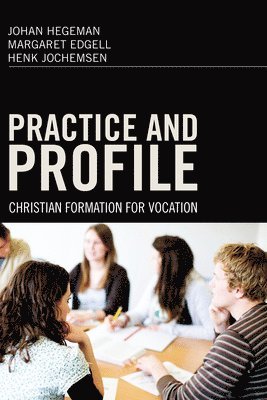
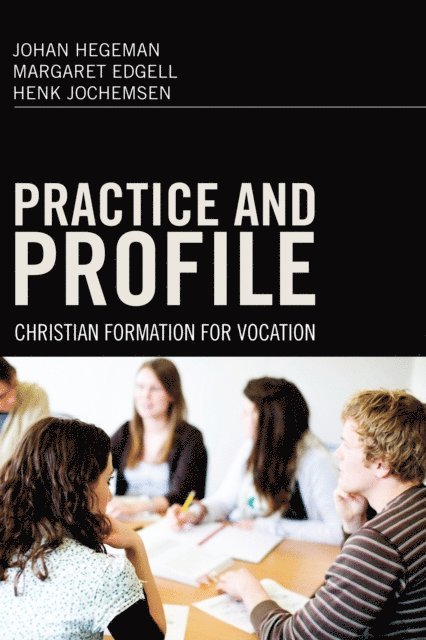
Too many students are disappointed. They want to make a difference in their chosen professions. They are inspired by successful visionaries, but they have little idea how to follow in their oversized footsteps. Their colleges and universities promise more professional development than they can possibly deliver, especially in terms of moral development for the professions. Experts coming from a range of perspectives in higher education agree that moral formation for the professions must increasingly take place in higher education. Tragically, the recent evolution of teaching has stripped educators of much of the rationale for moral formation. The recent record of moral lapses by managers testifies to this crisis of moral education. The authors call for a revival of moral formation in higher education for the professions. They supply the needed resources to redesign classic as well as cutting-edge teaching and learning toward practical moral education in the professions.This book is carefully designed to apply traditional Christian principles appropriately to evolving professional practices. The authors'' strategies address the problems surrounding calling, vocation, and the growing need for virtue training in the professions. In particular, the authors provide clear direction for how to meet the need for professional profiles that meet the standards of the marketplace. Practice and Profile provides the reader with a tested and proven model of faith formation appropriate to the professions. It also goes into specific, useful detail as to how the model mobilizes learning in classroom and professional settings. It aids institutions of higher learning in their struggle with demands for new learning environments and new moral competencies. Foremost, it gives students a grasp of how to become dedicated professionals who make a difference.
Recalling Protestant missionary work among Jews and assistance to Jewish refugees before the war, Dr. Hegeman dissects the various positions taken by the clergy during World War II. He discusses the clergy’s resistance documents and analyzes the morality used. The result is a unique portrayal of the clergy’s struggle with conscience as they faced Nazi persecution of Jews during the war. The plight of the Jews who belonged to the churches is addressed. This study is the first comprehensive English-language treatment of the attitudes of Dutch Protestant clergy toward the Jews in the period before and during World War II. If you would like to order the book for delivery outside of the Netherlands, please email orders@aup.nl