Johann W. Unger – författare
Visar alla böcker från författaren Johann W. Unger. Handla med fri frakt och snabb leverans.
6 produkter
6 produkter
Inbunden, Engelska, 2016
1 299 kr
Skickas inom 10-15 vardagar
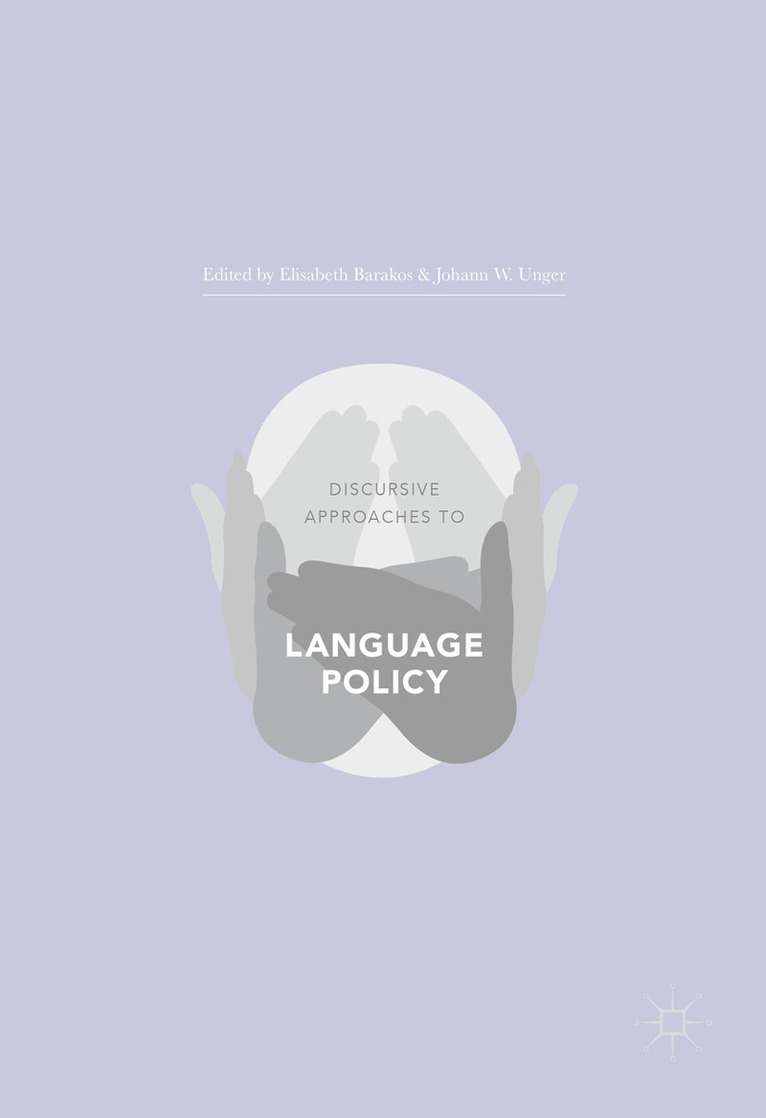
This book brings together the fields of language policy and discourse studies from a multidisciplinary theoretical, methodological and empirical perspective. The chapters in this volume are written by international scholars active in the field of language policy and planning and discourse studies. The diverse research contexts range from education in Paraguay and Luxembourg via businesses in Wales to regional English language policies in Tajikistan. Readers are thereby invited to think critically about the mutual relationship between language policy and discourse in a range of social, political, economic and cultural spheres. Using approaches that draw on discourse-analytic, anthropological, ethnographic and critical sociolinguistic frameworks, the contributors in this collection explore and refine the ‘discursive’ and the ‘critical’ aspects of language policy as a multilayered, fluid, ideological, discursive and social process that can operate as a tool of social change as well as reinforcing established power structures and inequalities.
E-bok
PDF, Engelska, 20161 722 kr
Läs direkt efter köp
This book brings together the fields of language policy and discourse studies from a multidisciplinary theoretical, methodological and empirical perspective. The chapters in this volume are written by international scholars active in the field of language policy and planning and discourse studies. The diverse research contexts range from education in Paraguay and Luxembourg via businesses in Wales to regional English language policies in Tajikistan. Readers are thereby invited to think critically about the mutual relationship between language policy and discourse in a range of social, political, economic and cultural spheres. Using approaches that draw on discourse-analytic, anthropological, ethnographic and critical sociolinguistic frameworks, the contributors in this collection explore and refine the ‘discursive’ and the ‘critical’ aspects of language policy as a multilayered, fluid, ideological, discursive and social process that can operate as a tool of social change as well as reinforcing established power structures and inequalities.
Inbunden, Engelska, 2014
2 299 kr
Skickas inom 10-15 vardagar
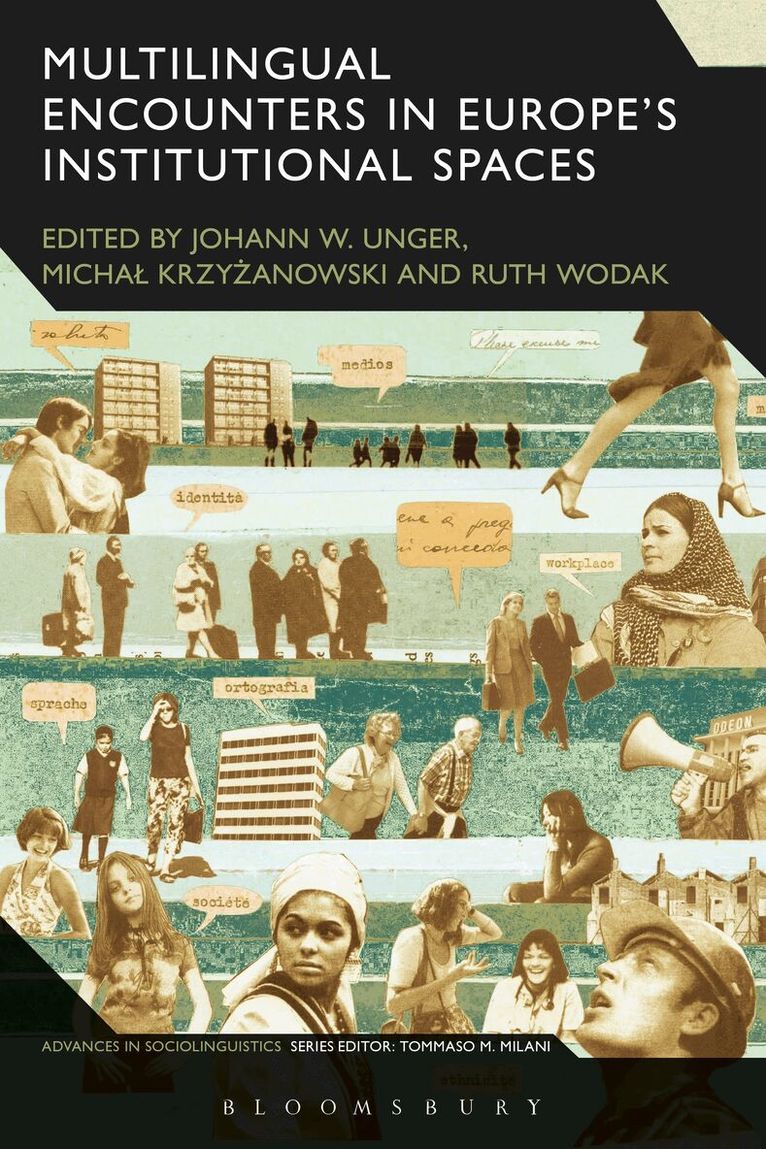
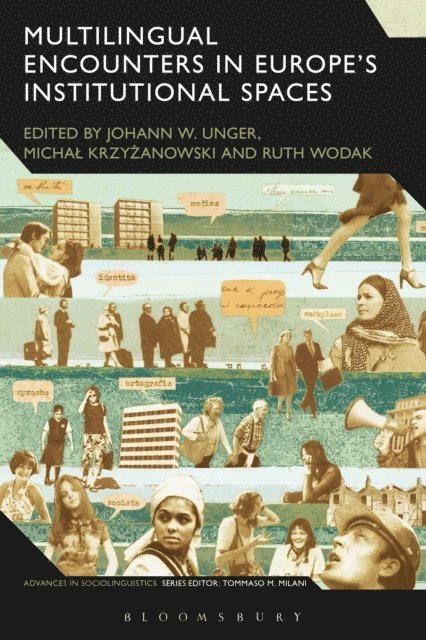
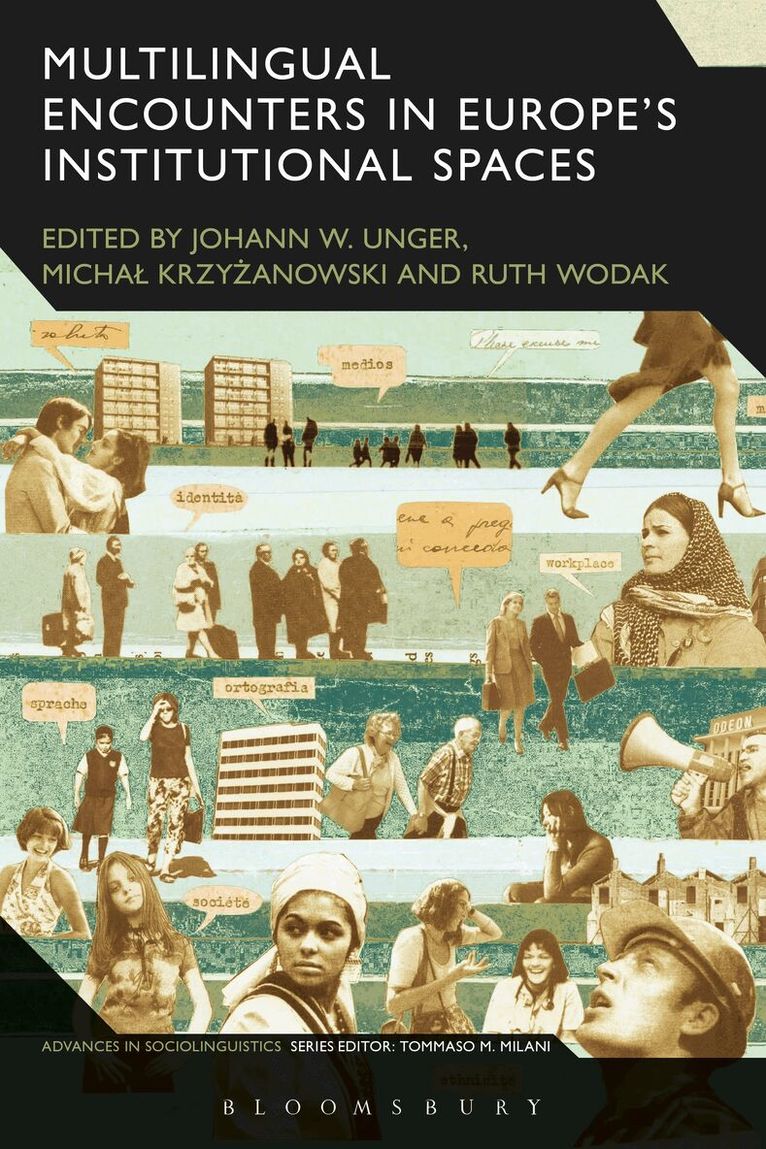
Multilingual encounters have been commonplace in many types of institutions, and have become an essential part of supranational institutions such as the EU since their inception. This volume explores and discusses different ways of researching the discursive dimension of these encounters, and critically examines their relevance to policy, politics and society as a whole. This includes institutions at the local, regional and supranational level.Multilingualism in institutions is currently often seen as an obstacle rather than an opportunity, at least with respect to European public and private spheres. The volume asks:- exactly how is multilingualism conceptualized and talked about in different institutions?- how do different institutions 'deal' with multilingualism, both internally and externally?- what are the policy making rules and challenges for the future for various institutions with respect to multilingualism?
E-bok
Engelska, 2014608 kr
Läs direkt efter köp
Multilingual encounters have been commonplace in many types of institutions, and have become an essential part of supranational institutions such as the EU since their inception. This volume explores and discusses different ways of researching the discursive dimension of these encounters, and critically examines their relevance to policy, politics and society as a whole. This includes institutions at the local, regional and supranational level.Multilingualism in institutions is currently often seen as an obstacle rather than an opportunity, at least with respect to European public and private spheres. The volume asks:- exactly how is multilingualism conceptualized and talked about in different institutions?- how do different institutions 'deal' with multilingualism, both internally and externally?- what are the policy making rules and challenges for the future for various institutions with respect to multilingualism?
E-bok
PDF, Engelska, 2014608 kr
Läs direkt efter köp
Multilingual encounters have been commonplace in many types of institutions, and have become an essential part of supranational institutions such as the EU since their inception. This volume explores and discusses different ways of researching the discursive dimension of these encounters, and critically examines their relevance to policy, politics and society as a whole. This includes institutions at the local, regional and supranational level.Multilingualism in institutions is currently often seen as an obstacle rather than an opportunity, at least with respect to European public and private spheres. The volume asks:- exactly how is multilingualism conceptualized and talked about in different institutions?- how do different institutions 'deal' with multilingualism, both internally and externally?- what are the policy making rules and challenges for the future for various institutions with respect to multilingualism?
Häftad, Engelska, 2015
566 kr
Skickas inom 10-15 vardagar
Multilingual encounters have been commonplace in many types of institutions, and have become an essential part of supranational institutions such as the EU since their inception. This volume explores and discusses different ways of researching the discursive dimension of these encounters, and critically examines their relevance to policy, politics and society as a whole. This includes institutions at the local, regional and supranational level.Multilingualism in institutions is currently often seen as an obstacle rather than an opportunity, at least with respect to European public and private spheres. The volume asks:- exactly how is multilingualism conceptualized and talked about in different institutions?- how do different institutions 'deal' with multilingualism, both internally and externally?- what are the policy making rules and challenges for the future for various institutions with respect to multilingualism?