Johannes Rojahn - Böcker
Visar alla böcker från författaren Johannes Rojahn. Handla med fri frakt och snabb leverans.
4 produkter
4 produkter
Del 2 - The Assessment and Treatment of Child Psychopathology and Developmental Disabilities
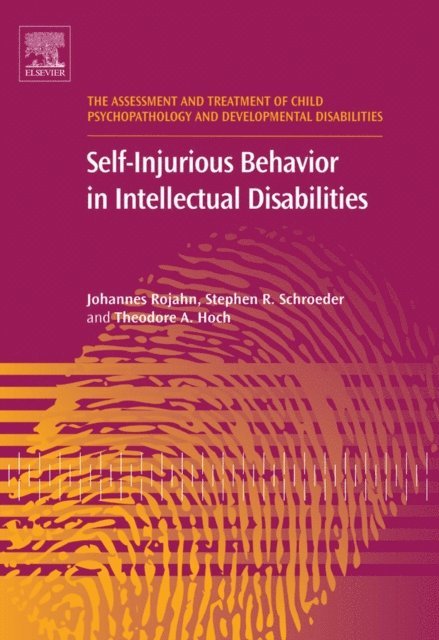
Self-Injurious Behavior in Intellectual Disabilities
Inbunden, Engelska, 2007
1 074 kr
Skickas inom 7-10 vardagar
Self-Injurious Behavior in Intellectual Disabilities gives a broad overview of the literature in the area of self-injurious behavior in people with intellectual disabilities, but most of the text is dedicated to the review of the behavioral and biological research in this field. In fact, it is our view that the most promising heuristic approach for the advancement of our understanding of this phenomenon and for its management and treatment is likely the bio-behavioral perspective in which behavior can be studied at the intersect of learning and the biological bases of behavior. We propose an overarching heuristic model, which we call the Gene-Brain-Behavior Model of Self-Injurious Behavior that presents a platform to integrate disparate, and previously isolated scientific approaches. Written by 3 authors to provide cohesive coverage Bridges the gap between psychological behavior and psychiatry Examines the overlap between intellectual disabilities and developmental disabilities
2 364 kr
Skickas inom 10-15 vardagar
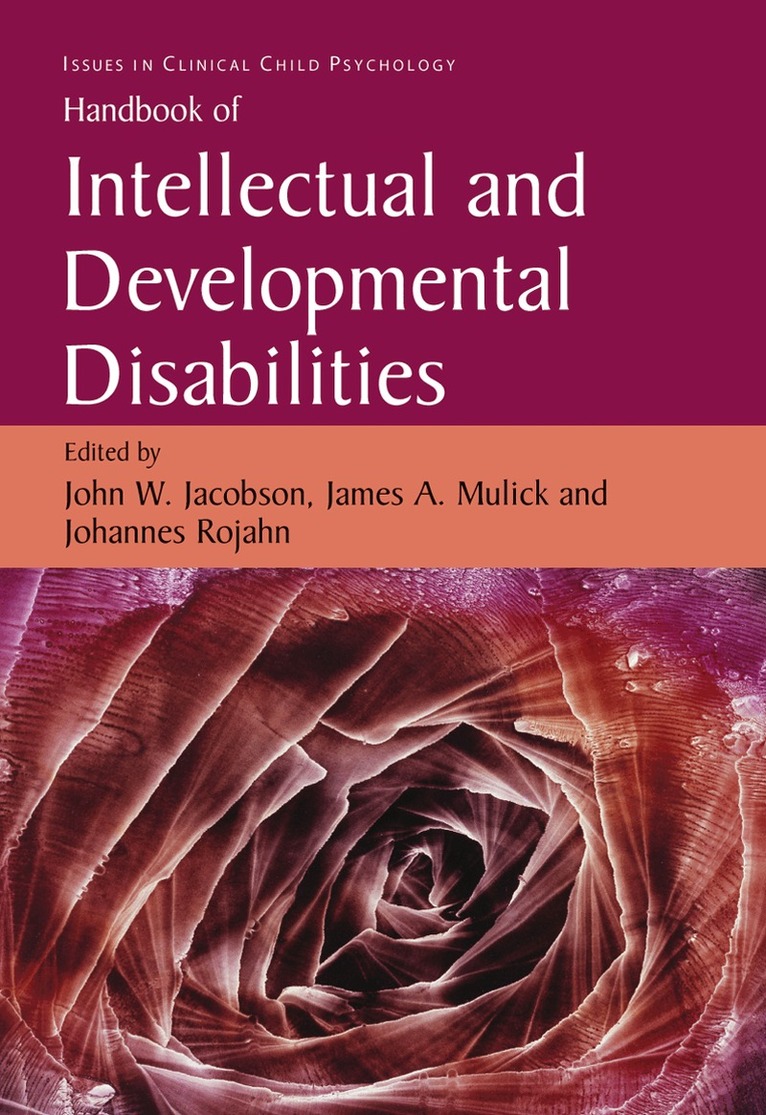
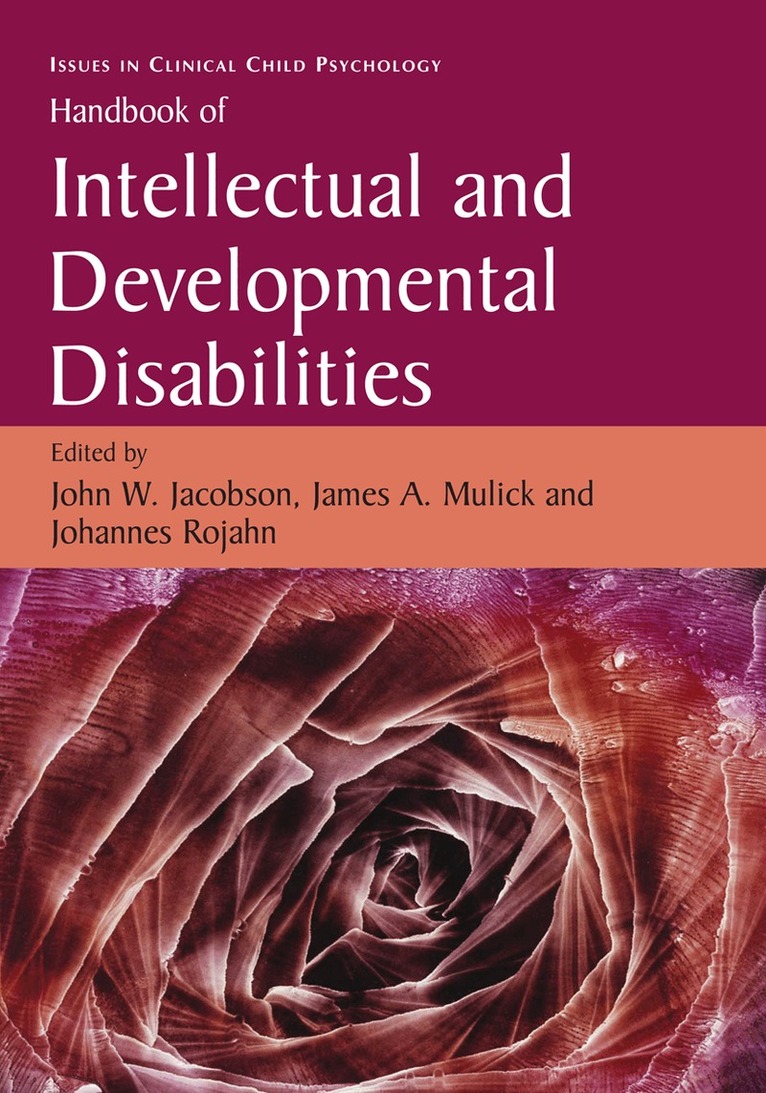
Changes within the interdisciplinary field of intellectual and developmental disabilities are evolving at a rapid pace. Clinicians, academics, administrators, and a variety of mental health providers alike need easy-to-access, reliable information that enables them to stay abreast of the numerous advances in research, assessment, treatment, and service delivery within a real-world sociopolitical framework. To that end, the Handbook of Intellectual and Developmental Disabilities is an essential resource for any professional who works with this vulnerable population.This volume examines in detail the numerous advances in the field, summarizing major domains and emerging subspecialties into one eminently useful reference. Its contributors comprise a panel of the leading scientist-clinicians, who offer much-needed insight and guidance into ongoing improvements in theory and practice as well as intervention and prevention. For example, the handbook:- Opens with chapters that offer a comprehensive review of current definitions, classifications, etiology, and findings on the most prevalent conditions, including cerebral palsy, pediatric brain injury, genetic syndromes, and autism spectrum disorder- Provides a survey of psychological and educational service delivery systems available to people with intellectual disabilities – for example, several chapters focus on explaining how agencies work, the politics of service delivery, residential versus day treatment, and program evaluation- Offers a wide range of assessment and diagnostic tools and tactics, including cognitive and adaptive behavior assessments, assessing for psychopathology, developmental screening, family assessment, and forensic applications- Reviews the latest evidence-based prevention and intervention strategies, from social skills training to self-harm reduction to pharmacotherapy- Concludes with insightful chapters on the ethical issues socialacceptance and advocacyThe Handbook of Intellectual and Developmental Disabilities makes clear the far-reaching impact these disorders have on individuals, their families, and society in general. For clinicians, researchers, and advanced-level graduate students, this volume is a must-have resource and reference.
1 852 kr
Skickas inom 10-15 vardagar
Changes within the interdisciplinary field of intellectual and developmental disabilities are evolving at a rapid pace. Clinicians, academics, administrators, and a variety of mental health providers alike need easy-to-access, reliable information that enables them to stay abreast of the numerous advances in research, assessment, treatment, and service delivery within a real-world sociopolitical framework. To that end, the Handbook of Intellectual and Developmental Disabilities is an essential resource for any professional who works with this vulnerable population.This volume examines in detail the numerous advances in the field, summarizing major domains and emerging subspecialties into one eminently useful reference. Its contributors comprise a panel of the leading scientist-clinicians, who offer much-needed insight and guidance into ongoing improvements in theory and practice as well as intervention and prevention. For example, the handbook:- Opens with chapters that offer a comprehensive review of current definitions, classifications, etiology, and findings on the most prevalent conditions, including cerebral palsy, pediatric brain injury, genetic syndromes, and autism spectrum disorder- Provides a survey of psychological and educational service delivery systems available to people with intellectual disabilities – for example, several chapters focus on explaining how agencies work, the politics of service delivery, residential versus day treatment, and program evaluation- Offers a wide range of assessment and diagnostic tools and tactics, including cognitive and adaptive behavior assessments, assessing for psychopathology, developmental screening, family assessment, and forensic applications- Reviews the latest evidence-based prevention and intervention strategies, from social skills training to self-harm reduction to pharmacotherapy- Concludes with insightful chapters on the ethical issues socialacceptance and advocacyThe Handbook of Intellectual and Developmental Disabilities makes clear the far-reaching impact these disorders have on individuals, their families, and society in general. For clinicians, researchers, and advanced-level graduate students, this volume is a must-have resource and reference.
376 kr
Skickas inom 3-6 vardagar