John A. Barranger - Böcker
Visar alla böcker från författaren John A. Barranger. Handla med fri frakt och snabb leverans.
3 produkter
3 produkter
2 181 kr
Skickas inom 10-15 vardagar
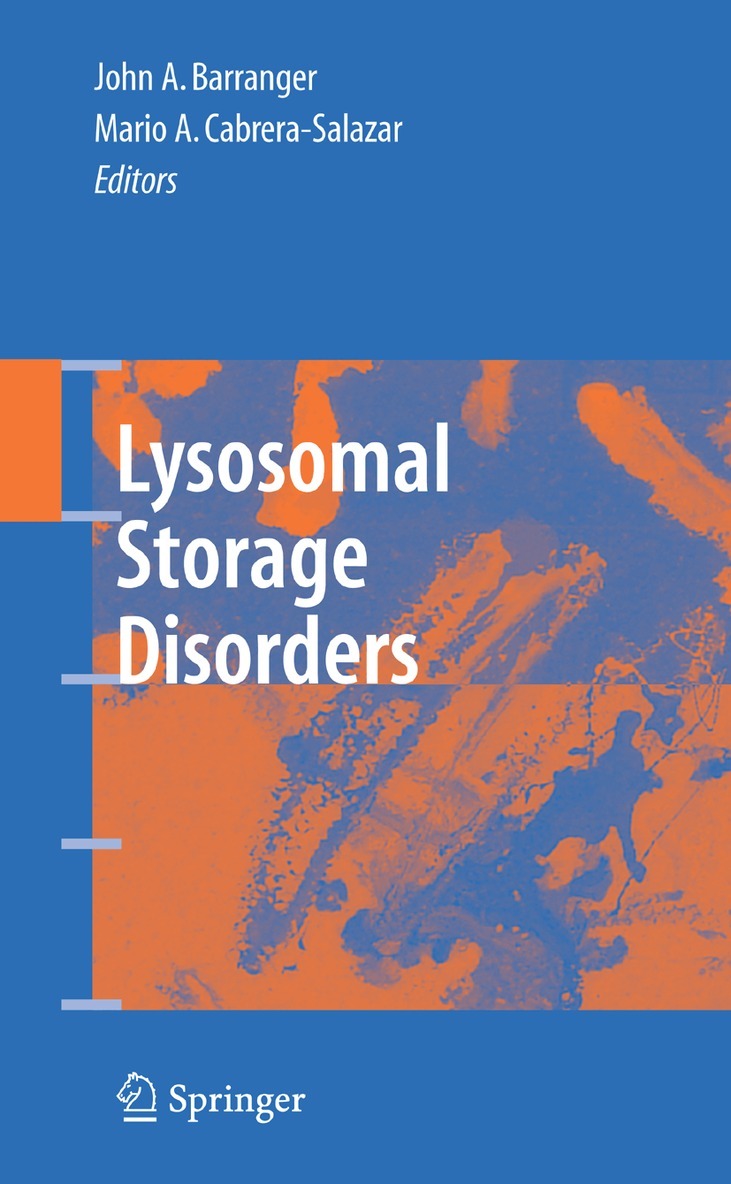
Scientific progress has been rapid in lysosomal biology during the last six decades. Its application to human disease is nothing less than spectacular. In no other group of disorders has knowledge and clinical utility progressed so speedily. Recall that the organelle was described in just 1955. Since then, the biochemical alterations and storage materials were described, the enzyme deficiencies discovered, the gene coding of these glycoproteins cloned and thousands of mutations defined. These advances have resulted in highly improved diagnosis for more than 50 diseases. For five diseases, including the most common lysosomal storage disorder, molecular therapy is a reality, extremely effective and very safe. This higher plateau of medical approaches to human disease is something to which all translational scientists aspire and only a few actually witness. The relief of pain and suffering is a tribute to the ideas and work of many dedicated investigators. Much of that work is presented in this text. Despite our ability to treat some of these diseases through enzyme replacement therapy (ERT) and, accurately define different diseases that look alike, there is much to be learned about lysosomal disease. With each step up the barrier to knowledge, a new point of view is attained, a fresh perspective. Much is seen more clearly and many “allegories of the cave” are dispelled forever. Yet, our new view demands a new vision drawing us to find better definitions of what we see. This is how it has been with lysosomal diseases.
1 801 kr
Skickas inom 10-15 vardagar
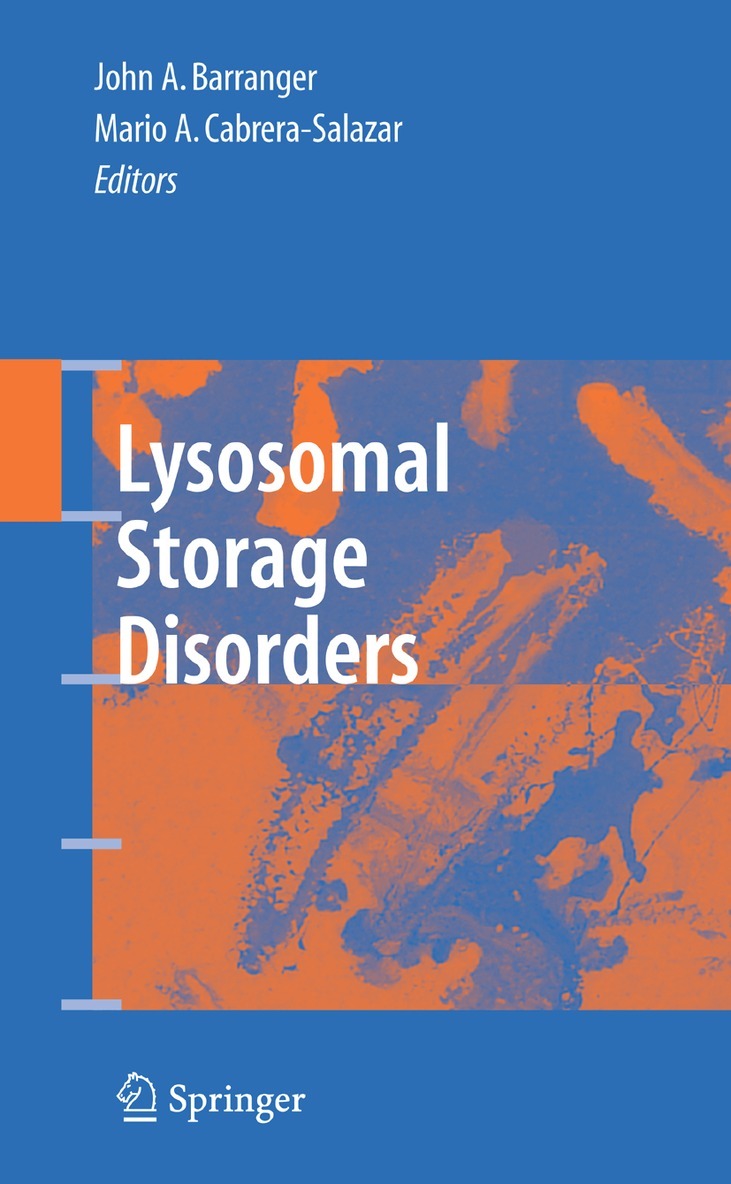
Scientific progress has been rapid in lysosomal biology during the last six decades. Its application to human disease is nothing less than spectacular. In no other group of disorders has knowledge and clinical utility progressed so speedily. Recall that the organelle was described in just 1955. Since then, the biochemical alterations and storage materials were described, the enzyme deficiencies discovered, the gene coding of these glycoproteins cloned and thousands of mutations defined. These advances have resulted in highly improved diagnosis for more than 50 diseases. For five diseases, including the most common lysosomal storage disorder, molecular therapy is a reality, extremely effective and very safe. This higher plateau of medical approaches to human disease is something to which all translational scientists aspire and only a few actually witness. The relief of pain and suffering is a tribute to the ideas and work of many dedicated investigators. Much of that work is presented in this text. Despite our ability to treat some of these diseases through enzyme replacement therapy (ERT) and, accurately define different diseases that look alike, there is much to be learned about lysosomal disease. With each step up the barrier to knowledge, a new point of view is attained, a fresh perspective. Much is seen more clearly and many “allegories of the cave” are dispelled forever. Yet, our new view demands a new vision drawing us to find better definitions of what we see. This is how it has been with lysosomal diseases.
1 987 kr
Skickas inom 7-10 vardagar
This book deals with the various aspects of gene therapy from the point of view of leading experts in their respective fields. It provides not only an overview to the various topics of gene therapy, but also discusses current problems and potential solutions. The various gene delivery vehicles and specific problems encountered in the individual target diseases (genetic and nongenetic diseases, as well as AIDS and cancer) are discussed in depth. This book should be useful reading for students, scientists and physicians interested in molecular medicine.