John A. Parnell – författare
Visar alla böcker från författaren John A. Parnell. Handla med fri frakt och snabb leverans.
4 produkter
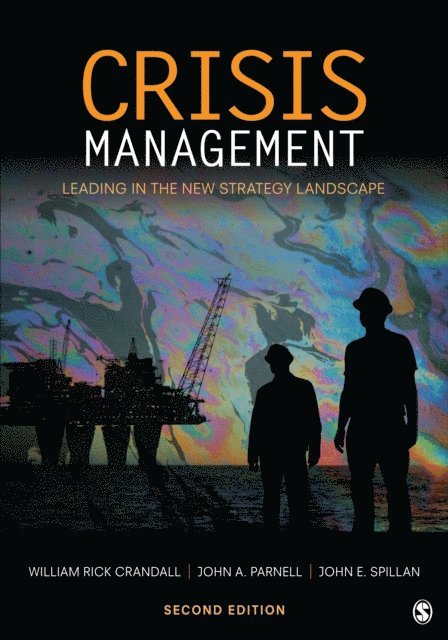
Crisis Management
Leading in the New Strategy Landscape
Av John E. Spillan, John A. Parnell m. fl.
E-bok, 2013
1360 kr
Lägg i varukorg
Offering a strategic orientation to crisis management, this fully updated edition of Crandall, Parnell, and Spillan′s Crisis Management helps readers understand the importance of planning for crises within the wider framework of an organization′s regular strategic management process. This …
Nonmarket Strategy in Business Organizations
A Global Assessment
Häftad, 2018
1361 kr
Lägg i varukorg
This book explores nonmarket strategy (NMS) in firms by invoking economic, political and philosophical perspectives. Featuring data from the USA, the UK, India, China, Mexico and other countries, the author links NMS to economic freedom, regional development, corruption and other national …
Nonmarket Strategy in Business Organizations
A Global Assessment
Inbunden, 2018
1361 kr
Lägg i varukorg
This book explores nonmarket strategy (NMS) in firms by invoking economic, political and philosophical perspectives. Featuring data from the USA, the UK, India, China, Mexico and other countries, the author links NMS to economic freedom, regional development, corruption and other national …
Nonmarket Strategy in Business Organizations
A Global Assessment
E-bok, 2018
1798 kr
Lägg i varukorg
This book explores nonmarket strategy (NMS) in firms by invoking economic, political and philosophical perspectives. Featuring data from the USA, the UK, India, China, Mexico and other countries, the author links NMS to economic freedom, regional development, corruption and other national factors. …