John Alba Cutler - Böcker
Visar alla böcker från författaren John Alba Cutler. Handla med fri frakt och snabb leverans.
3 produkter
3 produkter
1 921 kr
Skickas inom 5-8 vardagar
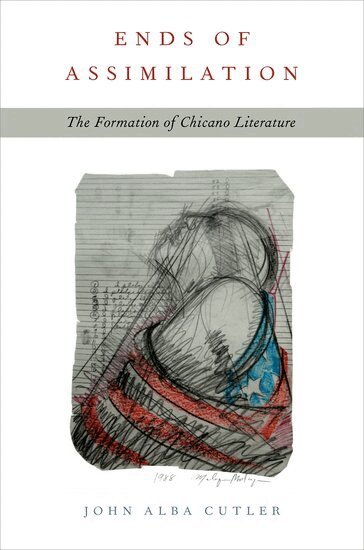
Ends of Assimilation compares sociological and Chicano/a (Mexican American) literary representations of assimilation. It argues that while Chicano/a literary works engage assimilation in complex, often contradictory ways, they manifest an underlying conviction in literature's productive power. At the same time, Chicano/a literature demonstrates assimilation sociology's inattention to its status as a representational discourse. As twentieth-century sociologists employ the term, assimilation reinscribes as fact the fiction of a unitary national culture, ignores the interlinking of race and gender in cultural formation, and valorizes upward economic mobility as a politically neutral index of success.The study unfolds chronologically, describing how the historical formation of Chicano/a literature confronts the specter of assimilation discourse. It tracks how the figurative, rhetorical, and lyrical power of Chicano/a literary works compels us to compare literary discourse with the self-authorizing empiricism of assimilation sociology. It also challenges presumptions of authenticity on the part of Chicano/a cultural nationalist works, arguing that Chicano/a literature must reckon with cultural dynamism and develop models of relational authenticity to counter essentialist discourses. The book advances these arguments through sustained close readings of canonical and noncanonical figures and gives an account of various moments in the history and institutional development of Chicano/a literature, such as the rise and fall of Quinto Sol Publications, asserting that Chicano/a writers, editors, and publishers have self-consciously sought to acquire and redistribute literary cultural capital.
515 kr
Skickas inom 7-10 vardagar
Ends of Assimilation compares sociological and Chicano/a (Mexican American) literary representations of assimilation. It argues that while Chicano/a literary works engage assimilation in complex, often contradictory ways, they manifest an underlying conviction in literature's productive power. At the same time, Chicano/a literature demonstrates assimilation sociology's inattention to its status as a representational discourse. As twentieth-century sociologists employ the term, assimilation reinscribes as fact the fiction of a unitary national culture, ignores the interlinking of race and gender in cultural formation, and valorizes upward economic mobility as a politically neutral index of success.The study unfolds chronologically, describing how the historical formation of Chicano/a literature confronts the specter of assimilation discourse. It tracks how the figurative, rhetorical, and lyrical power of Chicano/a literary works compels us to compare literary discourse with the self-authorizing empiricism of assimilation sociology. It also challenges presumptions of authenticity on the part of Chicano/a cultural nationalist works, arguing that Chicano/a literature must reckon with cultural dynamism and develop models of relational authenticity to counter essentialist discourses. The book advances these arguments through sustained close readings of canonical and noncanonical figures and gives an account of various moments in the history and institutional development of Chicano/a literature, such as the rise and fall of Quinto Sol Publications, asserting that Chicano/a writers, editors, and publishers have self-consciously sought to acquire and redistribute literary cultural capital.
1 411 kr
Skickas inom 7-10 vardagar
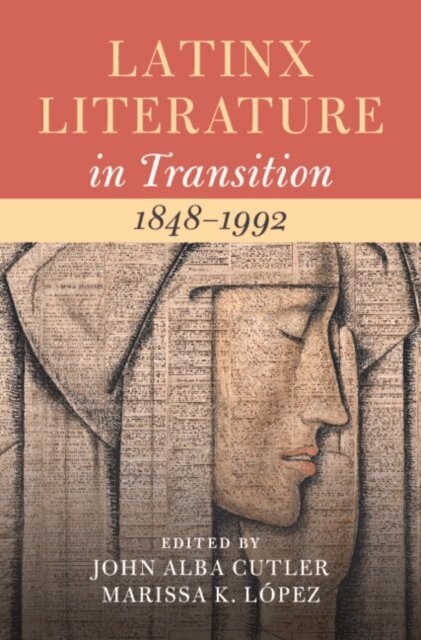
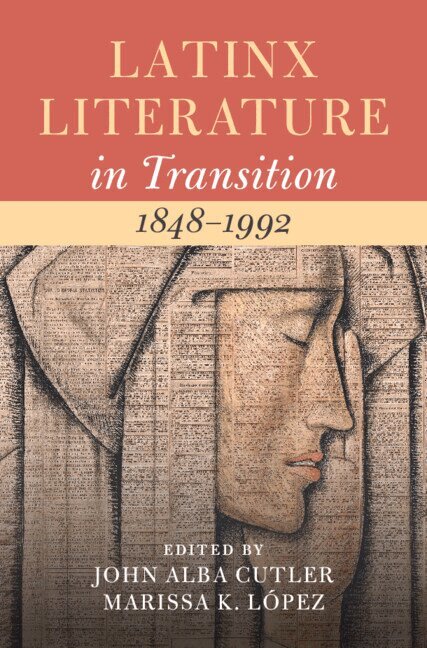
This book introduces scholars and students of literature to previously neglected or unknown works of literature-such as José Rodríguez Cerna's chronicles and Leonor Villegas de Magnón's memoir of the Mexican Revolution-as well as new approaches to canonical texts by Maria Amparo Ruiz de Burton, Julia de Burgos, Tomás Rivera, and Gloria Anzaldúa. It challenges how previous generations of scholars have understood American modernity by rejecting a standard, historical organization and instead unfolding in clusters of essays related to key terms-space, being, time, form, and labor-corresponding to the overlapping legacies of Spanish and US colonialism and expansion that frame Latinx experience. This volume showcases the diversity of US Latinx communities and cultures, including work on Mexican/Chicanx, Central American, and Caribbean figures and highlighting the evolution of scholarship on Afro-Latinx creative expression and Latinx representations of indigeneity.