John Arquilla - Böcker
Visar alla böcker från författaren John Arquilla. Handla med fri frakt och snabb leverans.
15 produkter
15 produkter
671 kr
Skickas inom 10-15 vardagar
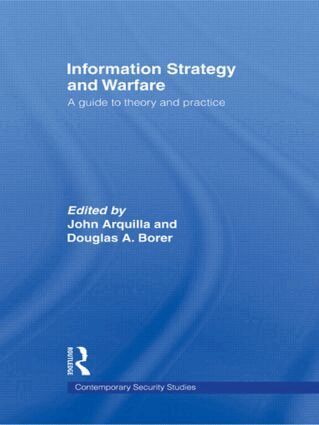
This volume develops information strategy as a construct equal in importance to military strategy as an influential tool of statecraft.John Arquilla and Douglas A. Borer explore three principal themes: the rise of the ‘information domain’ and information strategy as an equal partner alongside traditional military strategy the need to consider the organizational implications of information strategy the realm of what has been called ‘information operations’ (IO) - the building blocks of information strategy - has been too narrowly depicted and must be both broadened and deepened. Information Strategy and Warfare will be essential reading for students and practitioners of information strategy, as well as scholars of security studies and military strategy in general.
2 222 kr
Skickas inom 10-15 vardagar
This volume develops information strategy as a construct equal in importance to military strategy as an influential tool of statecraft.John Arquilla and Douglas A. Borer explore three principal themes: the rise of the ‘information domain’ and information strategy as an equal partner alongside traditional military strategy the need to consider the organizational implications of information strategy the realm of what has been called ‘information operations’ (IO) - the building blocks of information strategy - has been too narrowly depicted and must be both broadened and deepened. Information Strategy and Warfare will be essential reading for students and practitioners of information strategy, as well as scholars of security studies and military strategy in general.
833 kr
Skickas inom 10-15 vardagar
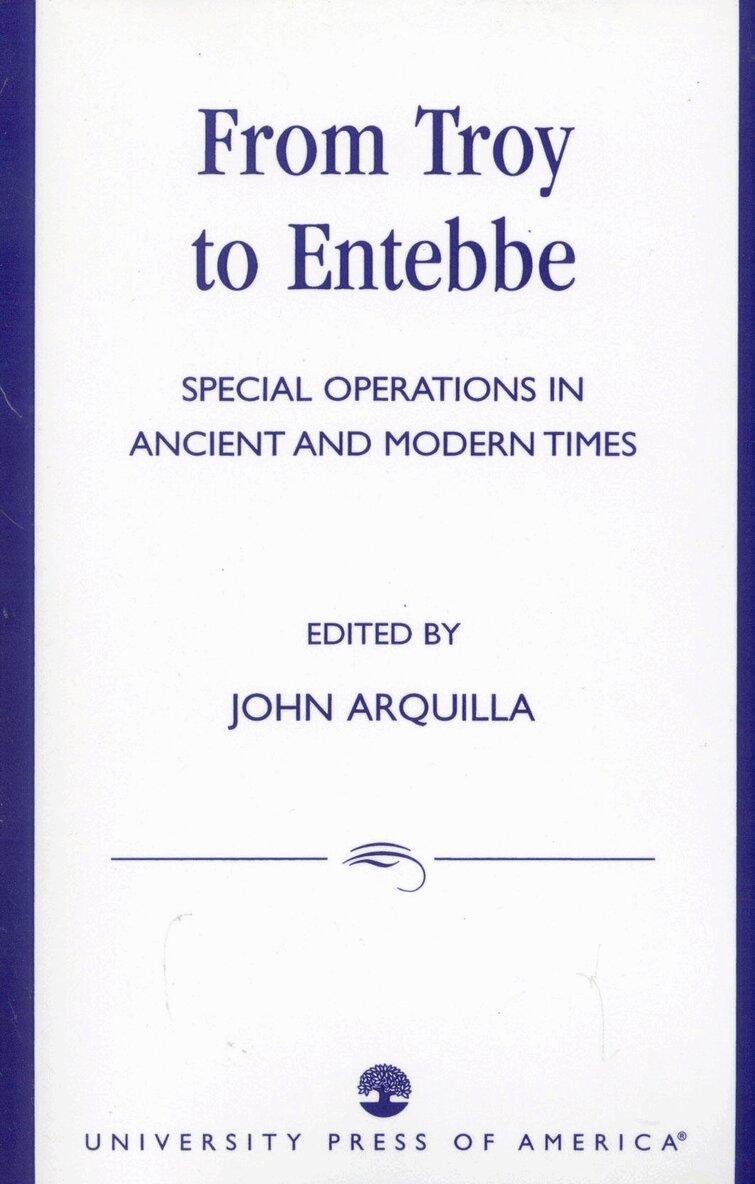
Special operations, though most commonly associated with the period from the Second World War to the present, have played a key role throughout the history of conflict from the Trojan War to the great arms struggles of the 20th century. This volume introduces the reader to the broad sweep of the history of special operations, and also includes several excerpts from the classic literature on the subject. Contents: Origins: Robert Graves, "The Wooden Horse", "The Sack of Troy"; Raiding in the Age of Sail: G.M. Thomson, "The Damage Done by this Corsair", "The Wind Commands Me Away"; Ian Grimble, "The ImpÈ^Rrieuse"; The Early American Tradition: Kenneth Roberts, "The Raid on St. Francis"; Fred Cook, "Struggle for the South"; R.E. Dupuy and W.H. Baumer, "Wars With the Barbary Pirates"; 19th Century Colonial Warfare; Leo Tolstoy, The Raid; Wyatt Blassingame, "How the Legion Began", "The Legion Fights in Algeria"; The Civil War: Archer Hines, "Military Means, Political Ends"; Bruce Catton, "Total War and an Election"; World War I: Lowell Thomas, "Trapped by a G-Ship.."; T.E. Lawrence, "The Raid Upon the Bridges"; World War II in Western Europe and North Africa: Cajus Bekker, "The Coup de Main at Eben Emael", "The Blood-Bath of Crete"; Paul Carell, "A British Commando Attempt to Capture Rommel", "The British Raid on Tobruk", "Brandenburgers in Action Behind the Front"; John Lodwick, Raiders from the Sea, Chapters 16-18; The Pacific War: Walter Lord, "A Very Private War";Ronald Spector, "The Road to Myitkyina"; Milton E. Miles, "Chinese Pirates and the SACO Dragon"; Algeria, Round II: Jean LartÈ^Rguy, "The Leap of Leucadia"; The Ultimate Rescue: Chaim Herzog, "Entebbe"; Bibliography; Index.
255 kr
Tillfälligt slut
234 kr
Skickas
1 068 kr
Skickas inom 10-15 vardagar
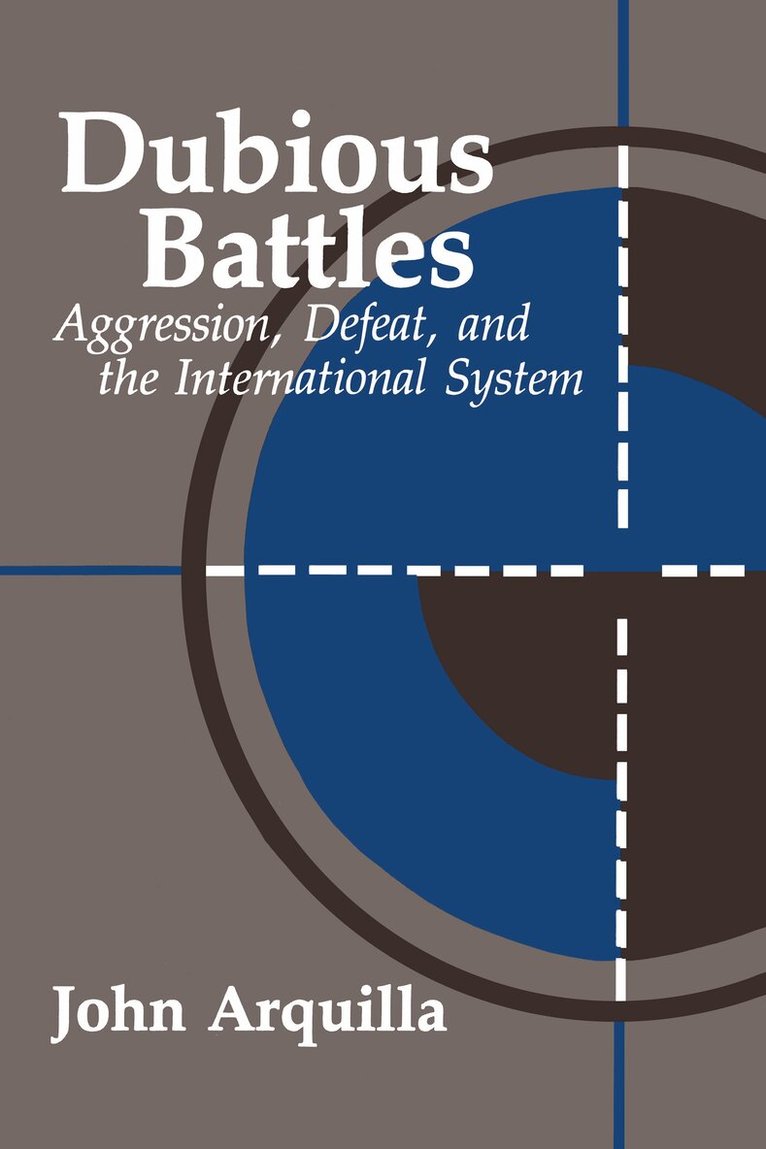
Why do leaders initiate wars they are destined to lose? This study shows that imperfect understanding of land-sea wars was at the root of defeats for leaders from Louis XIV to Saddam Hussein.
1 886 kr
Skickas inom 10-15 vardagar
Why do leaders initiate wars they are destined to lose? This study shows that imperfect understanding of land-sea wars was at the root of defeats for leaders from Louis XIV to Saddam Hussein.
526 kr
Skickas inom 5-8 vardagar
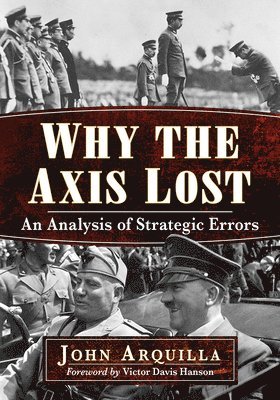
The factors leading to the defeat of the Axis Powers in World War II have been debated for decades. One prevalent view is that overwhelming Allied superiority in materials and manpower doomed the Axis. Another holds that key strategic and tactical blunders lost the war--from Hitler halting his panzers outside Dunkirk, allowing more than 300,000 trapped Allied soldiers to escape, to Admiral Yamamoto falling into the trap set by the U.S. Navy at Midway.Providing a fresh perspective on the war, this study challenges both views and offers an alternative explanation: the Germans, Japanese and Italians made poor design choices in ships, planes, tanks and information security--before and during the war--that forced them to fight with weapons and systems that were too soon outmatched by the Allies. The unprecedented arms race of World War II posed a fundamental "design challenge" the Axis powers sometimes met but never mastered.
462 kr
Skickas inom 7-10 vardagar
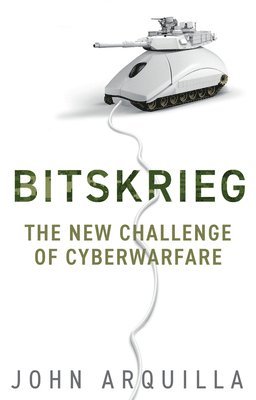
New technologies are changing how we protect our citizens and wage our wars. Among militaries, everything taken for granted about the ability to maneuver and fight is now undermined by vulnerability to “weapons of mass disruption”: cutting-edge computer worms, viruses, and invasive robot networks. At home, billions of household appliances and other “smart” items that form the Internet of Things risk being taken over, then added to the ranks of massive, malicious “zombie” armies. The age of Bitskrieg is here, bringing vexing threats that range from the business sector to the battlefield.In this new book, world-renowned cybersecurity expert John Arquilla looks unflinchingly at the challenges posed by cyberwarfare – which he argues have been neither met nor mastered. He offers fresh solutions for protecting against enemies that are often anonymous, unpredictable, and capable of projecting force and influence vastly disproportionate to their size, strength, or wealth. The changes called for require radical rethinking of military and security affairs, diplomacy, and even the routines of our daily lives.
153 kr
Skickas inom 7-10 vardagar
New technologies are changing how we protect our citizens and wage our wars. Among militaries, everything taken for granted about the ability to maneuver and fight is now undermined by vulnerability to “weapons of mass disruption”: cutting-edge computer worms, viruses, and invasive robot networks. At home, billions of household appliances and other “smart” items that form the Internet of Things risk being taken over, then added to the ranks of massive, malicious “zombie” armies. The age of Bitskrieg is here, bringing vexing threats that range from the business sector to the battlefield.In this new book, world-renowned cybersecurity expert John Arquilla looks unflinchingly at the challenges posed by cyberwarfare – which he argues have been neither met nor mastered. He offers fresh solutions for protecting against enemies that are often anonymous, unpredictable, and capable of projecting force and influence vastly disproportionate to their size, strength, or wealth. The changes called for require radical rethinking of military and security affairs, diplomacy, and even the routines of our daily lives.
266 kr
Skickas
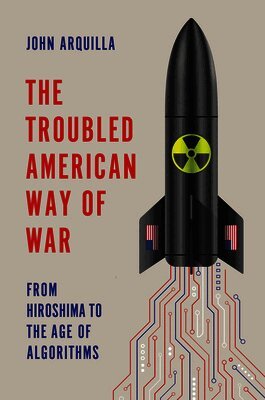
Since the end of World War II, the United States has been the world's pre-eminent military power. Yet it has suffered as much failure as it has experienced victory. The bloody stalemate in Korea, defeats in Vietnam and Afghanistan, and difficulties fighting Iraqi insurgents reflect persistent problems with US military strategy. Beyond these conflicts, soldiers and civilian analysts have flirted, since Hiroshima, with highly dangerous ideas about waging and winning a nuclear war.In this astute critique, leading defense expert John Arquilla identifies the blind spots preventing the US from achieving sustained military success. Drawing on a range of sources, including high-level insiders, he argues that the US has fixated on three aspects of military affairs – strategic air power, nuclear weaponry, and informational/computational analytics – to its detriment and at the expense of effective innovation. This matters not only for the US and its allies, but for its broader impact on the future of war.Given the continuing challenges posed by insurgents and terrorists, a new round of great-power competition, and increasing reliance on AI, the troubled American way of war urgently needs redesigning. At stake are the stability and security of global order.
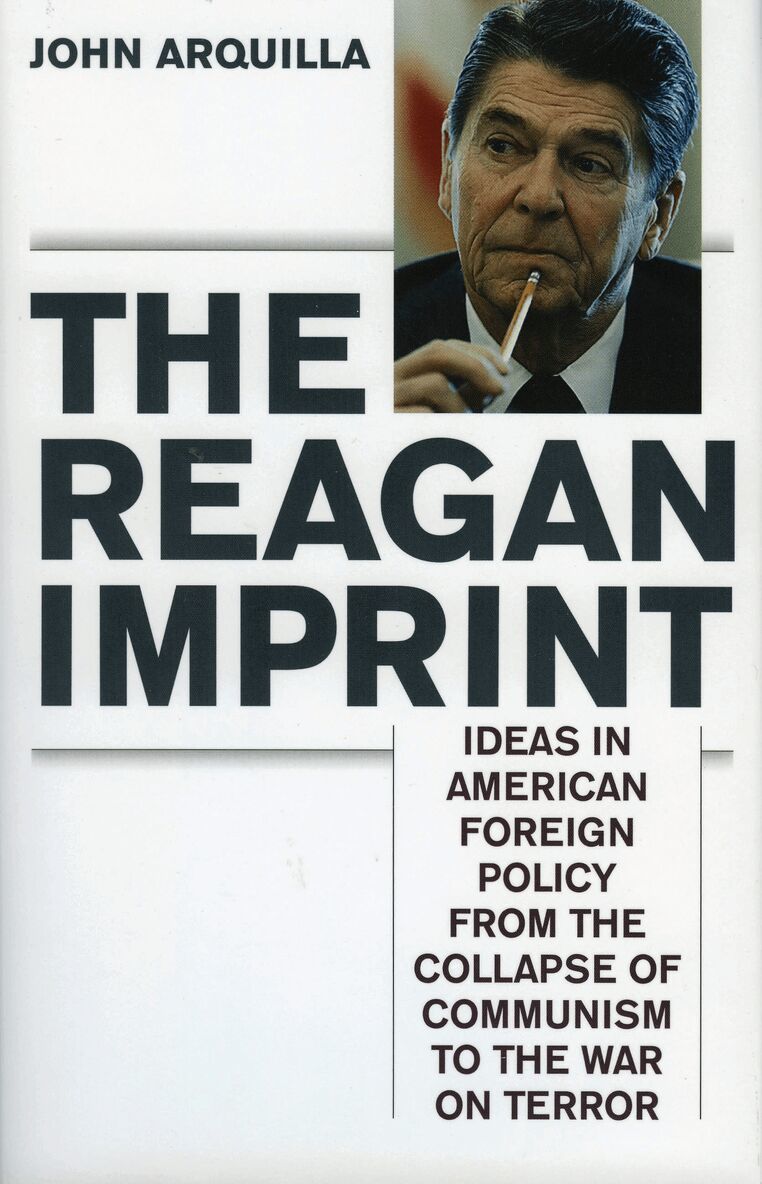
Reagan Imprint
Ideas in American Foreign Policy from the Collapse of Communism to the War on Terror
Häftad, Engelska, 2007
181 kr
Skickas inom 10-15 vardagar
A balanced analysis—neither an attack nor an apology—of Ronald Reagan's influence on world politics and the United States position in the international community as a result of ideas and policies pursued during his presidency.
Insurgents, Raiders, and Bandits
How Masters of Irregular Warfare Have Shaped Our World
Inbunden, Engelska, 2011
296 kr
Skickas inom 10-15 vardagar
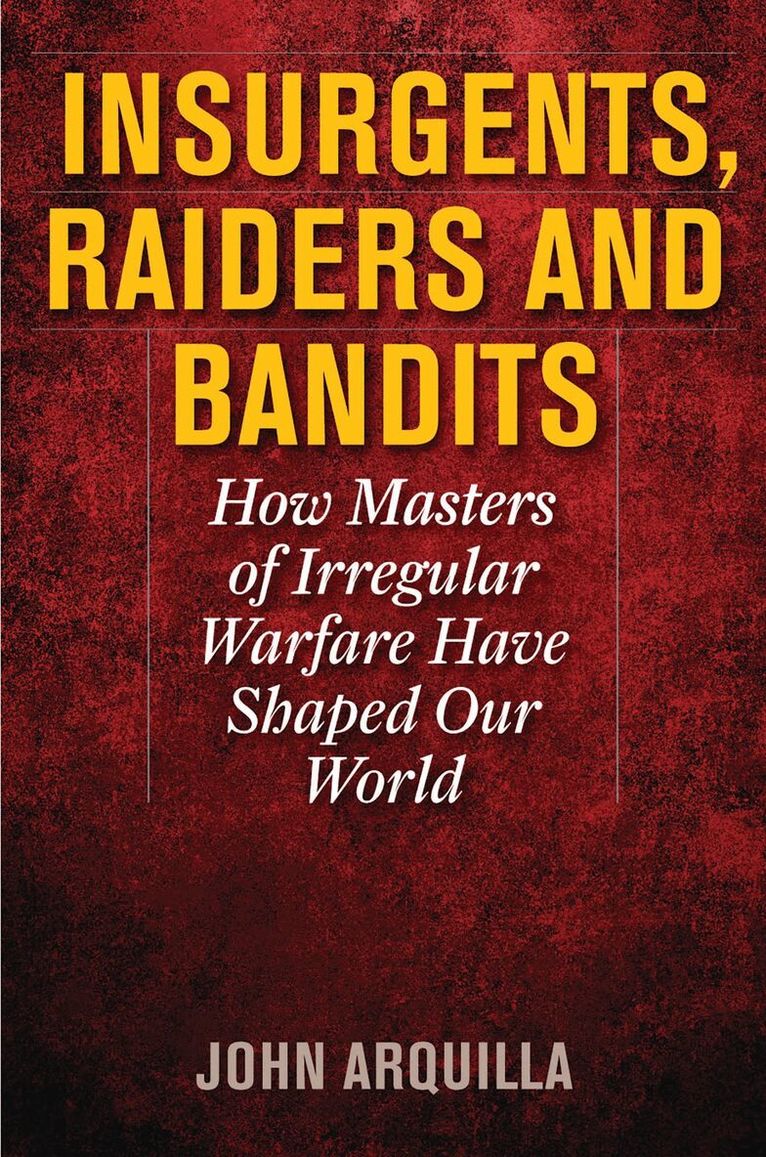
From the small bands of wilderness warriors who battled in 18th-century North America to the "Chechen Lion," and the contemporary conflict in Chechnya, John Arquilla chronicles the deadly careers of the greatest masters of irregular warfare over the past 250 years. Their impact on events has been profound, with irregulars playing crucial roles in such epochal struggles as the Anglo-French duel for North America, the defeat of Napoleon in Spain and Russia, the American Civil War, both world wars, and the current era of terrorism. Seeing the world through the eyes of guerrillas, raiders and bandits, Arquilla has written an alternative history that provides lessons for warfare in our time that must not be ignored.
629 kr
Skickas inom 7-10 vardagar
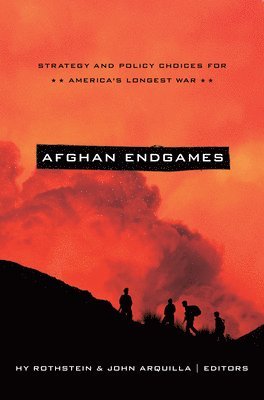
The United States and its allies have been fighting the Taliban and al-Qaeda in Afghanistan for a decade in a war that either side could still win. While a gradual drawdown has begun, significant numbers of US combat troops will remain in Afghanistan until at least 2014, perhaps longer, depending on the situation on the ground and the outcome of the US presidential election in 2012. Given the realities of the Taliban's persistence and the desire of US policymakers - and the public - to find a way out, what can and should be the goals of the US and its allies in Afghanistan? "Afghan Endgames" brings together some of the finest minds in the fields of history, strategy, anthropology, ethics, and mass communications to provide a clear, balanced, and comprehensive assessment of the alternatives for restoring peace and stability to Afghanistan. Presenting a range of options - from immediate withdrawal of all coalition forces to the maintenance of an open-ended, but greatly reduced military presence - the contributors weigh the many costs, risks, and benefits of each alternative.This important book boldly pursues several strands of thought suggesting that a strong, legitimate central government is far from likely to emerge in Kabul; that fewer coalition forces, used in creative ways, may have better effects on the ground than a larger, more conventional presence; and that, even though Pakistan should not be pushed too hard, so as to avoid sparking social chaos there, Afghanistan's other neighbors can and should be encouraged to become more actively involved. The volume's editors conclude that while there may never be complete peace in Afghanistan, a self-sustaining security system able to restore order swiftly in the wake of violence is attainable.
657 kr
Skickas inom 7-10 vardagar
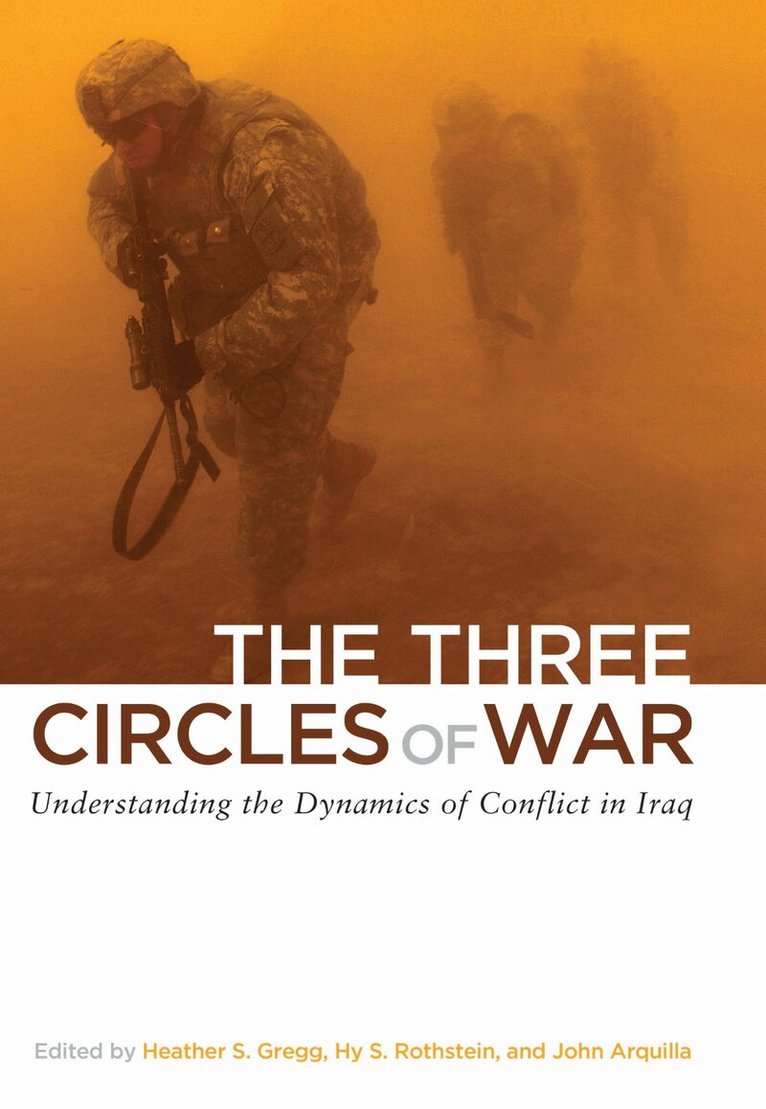
The conflict in Iraq is characterized by three faces of war: interstate conflict, civil war, and insurgency. The Coalition's invasion of Iraq in March 2003 began as an interstate war. No sooner had Saddam Hussein been successfully deposed, however, than U.S.-led forces faced a lethal insurgency. After Sunni al Qaeda in Iraq bombed the Shia al-Askari Shrine in 2006, the burgeoning conflict took on the additional element of civil war with sectarian violence between the Sunni and the Shia.The most effective strategies in a war as complicated as the three-level conflict in Iraq are intertwined and complementary, according to the editors of this volume. For example, the "surge" in U.S. troops in 2007 went beyond an increase in manpower; the mission had changed, giving priority to public security. This new direction also simultaneously addressed the insurgency as well as the civil war by forging new, trusting relationships between Americans and Iraqis and between Sunni and Shia. This book has broad implications for future decisions about war and peace in the twenty-first century.