John Avlon – författare
Visar alla böcker från författaren John Avlon. Handla med fri frakt och snabb leverans.
9 produkter
9 produkter
Häftad, Engelska, 2014
212 kr
Skickas inom 5-8 vardagar
Inbunden, Engelska, 2027
334 kr
Kommande
E-bok
Engelska, 2004214 kr
Läs direkt efter köp
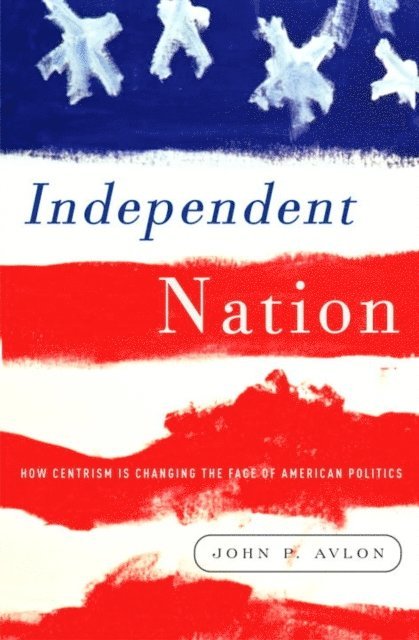
Fifty percent of American voters define themselves as political moderates, two-thirds favor political solutions that come from the center of the political spectrum, and Independents outnumber both Democrats and Republicans. Bill Clinton and George W. Bush each explicitly used Centrist strategies to win the White House—and twenty-first-century candidates will be compelled to do the same.Independent Nation documents the rich history of the defining political movement of our time. Organized as a series of short and colorful political biographies, it offers an insightful and engaging analysis of the successes and failures of key Centrist leaders throughout the twentieth century. In the process, it demonstrates that Centrism is not only a winning political strategy but an enlightened governing philosophy that best reflects the will of the people by putting patriotism ahead of partisanship and the national interest ahead of special interests.From the Hardcover edition.
Häftad, Engelska, 2018
253 kr
Skickas inom 3-6 vardagar
E-bok
Engelska, 2017142 kr
Läs direkt efter köp
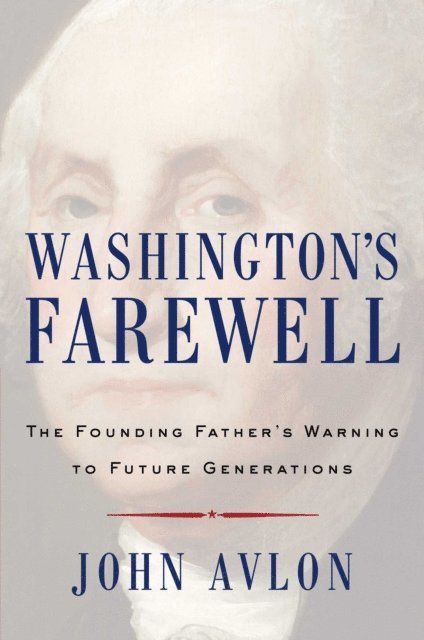
“A vivid portrait…and thoughtful consideration of George Washington’s wisdom that couldn’t be timelier” (Kirkus Reviews, starred review). A revealing look at the first President’s Farewell Address, a still-relevant warning against partisan politics and foreign entanglements.George Washington’s Farewell Address was a prophetic letter he wrote to his fellow citizens and signed from a “parting friend,” addressing the forces he feared could destroy our democracy: hyper-partisanship, excessive debt, and foreign wars. In it, Washington called for unity among “citizens by birth or choice,” advocated moderation, defended religious pluralism, proposed a foreign policy of independence (not isolation), and proposed that education is essential to democracy. He established the precedent for the peaceful transfer of power. Washington’s urgent message was adopted by Jefferson after years of opposition and quoted by Lincoln in defense of the Union. Woodrow Wilson invoked it for nation-building; Eisenhower for Cold War; Reagan for religion. Once celebrated as civic scripture, more widely reprinted than the Declaration of Independence, the Farewell Address is now almost forgotten. Yet its message remains starkly relevant today. In Washington’s Farewell, John Avlon offers a stunning portrait of our first president and his battle to save America from self-destruction. Washington’s Farewell “brings to light Washington’s goodbye by elucidating what it meant not only during the early days of the republic, but its lasting effect through the centuries” (Library Journal, starred review). Now the Farewell Address may inspire a new generation to re-center their politics and reunite our nation through the lessons rooted in Washington’s shared experience.
Ljudbok
Engelska, 2017358 kr
Lyssna direkt efter köp
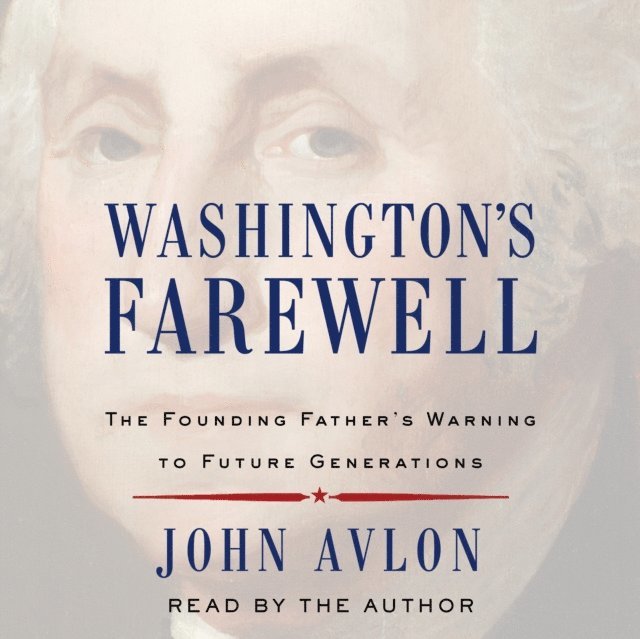
“A vivid portrait…and thoughtful consideration of George Washington’s wisdom that couldn’t be timelier” (Kirkus Reviews, starred review). A revealing look at the first President’s Farewell Address, a still-relevant warning against partisan politics and foreign entanglements.George Washington’s Farewell Address was a prophetic letter he wrote to his fellow citizens and signed from a “parting friend,” addressing the forces he feared could destroy our democracy: hyper-partisanship, excessive debt, and foreign wars. In it, Washington called for unity among “citizens by birth or choice,” advocated moderation, defended religious pluralism, proposed a foreign policy of independence (not isolation), and proposed that education is essential to democracy. He established the precedent for the peaceful transfer of power. Washington’s urgent message was adopted by Jefferson after years of opposition and quoted by Lincoln in defense of the Union. Woodrow Wilson invoked it for nation-building; Eisenhower for Cold War; Reagan for religion. Once celebrated as civic scripture, more widely reprinted than the Declaration of Independence, the Farewell Address is now almost forgotten. Yet its message remains starkly relevant today. In Washington’s Farewell, John Avlon offers a stunning portrait of our first president and his battle to save America from self-destruction. Washington’s Farewell “brings to light Washington’s goodbye by elucidating what it meant not only during the early days of the republic, but its lasting effect through the centuries” (Library Journal, starred review). Now the Farewell Address may inspire a new generation to re-center their politics and reunite our nation through the lessons rooted in Washington’s shared experience.
Ljudbok
Engelska, 2022383 kr
Lyssna direkt efter köp
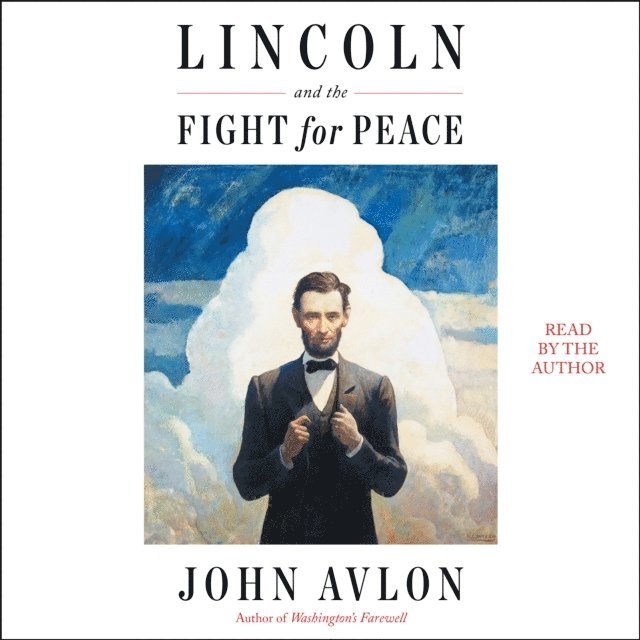
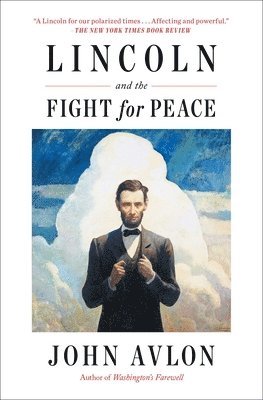
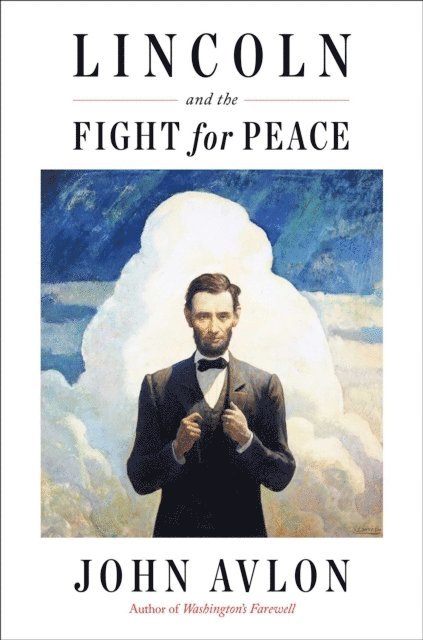
A groundbreaking and “affecting and powerful” (The New York Times Book Review) history of Abraham Lincoln’s plan to secure a just and lasting peace after the Civil War—a vision that inspired future presidents as well as the world’s most famous peacemakers. As the tide of the Civil War turned in the spring of 1865, Abraham Lincoln took a dangerous two-week trip to visit the troops on the front lines accompanied by his young son, seeing combat up close, meeting liberated slaves in the ruins of Richmond, and comforting wounded Union and Confederate soldiers. The power of Lincoln’s personal example in the closing days of the war offers a portrait of a peacemaker. He did not demonize people he disagreed with. He used humor, logic, and scripture to depolarize bitter debates. Balancing moral courage with moderation, Lincoln believed that decency could be the most practical form of politics, but he understood that people were more inclined to listen to reason when greeted from a position of strength. Ulysses S. Grant’s famously generous terms of surrender to General Robert E. Lee at Appomattox that April were an expression of a president’s belief that a soft peace should follow a hard war. While his assassination sent the country careening off course, Lincoln’s vision would be vindicated long after his death, inspiring future generations in their own quests to secure a just and lasting peace. As US General Lucius Clay, architect of the post-WWII German occupation said when asked what guided his decisions: “I tried to think of the kind of occupation the South would have had if Abraham Lincoln had lived.” Lincoln and the Fight for Peace reveals with “its graceful prose and wise insights” (Jon Meacham, Pulitzer Prize–winning author of The Soul of America) how Lincoln’s character informed his commitment to unconditional surrender followed by a magnanimous peace. Even during the Civil War, surrounded by reactionaries and radicals, he refused to back down from his belief that there is more that unites us than divides us. But he also understood that peace needs to be waged with as much intensity as war. Lincoln’s plan to win the peace is his unfinished symphony, but in its existing notes, we can find an anthem that can begin to bridge our divisions today.
Häftad, Engelska, 2023
252 kr
Skickas inom 3-6 vardagar
E-bok
Engelska, 2022177 kr
Läs direkt efter köp
A groundbreaking and “affecting and powerful” (The New York Times Book Review) history of Abraham Lincoln’s plan to secure a just and lasting peace after the Civil War—a vision that inspired future presidents as well as the world’s most famous peacemakers. As the tide of the Civil War turned in the spring of 1865, Abraham Lincoln took a dangerous two-week trip to visit the troops on the front lines accompanied by his young son, seeing combat up close, meeting liberated slaves in the ruins of Richmond, and comforting wounded Union and Confederate soldiers. The power of Lincoln’s personal example in the closing days of the war offers a portrait of a peacemaker. He did not demonize people he disagreed with. He used humor, logic, and scripture to depolarize bitter debates. Balancing moral courage with moderation, Lincoln believed that decency could be the most practical form of politics, but he understood that people were more inclined to listen to reason when greeted from a position of strength. Ulysses S. Grant’s famously generous terms of surrender to General Robert E. Lee at Appomattox that April were an expression of a president’s belief that a soft peace should follow a hard war. While his assassination sent the country careening off course, Lincoln’s vision would be vindicated long after his death, inspiring future generations in their own quests to secure a just and lasting peace. As US General Lucius Clay, architect of the post-WWII German occupation said when asked what guided his decisions: “I tried to think of the kind of occupation the South would have had if Abraham Lincoln had lived.” Lincoln and the Fight for Peace reveals with “its graceful prose and wise insights” (Jon Meacham, Pulitzer Prize–winning author of The Soul of America) how Lincoln’s character informed his commitment to unconditional surrender followed by a magnanimous peace. Even during the Civil War, surrounded by reactionaries and radicals, he refused to back down from his belief that there is more that unites us than divides us. But he also understood that peace needs to be waged with as much intensity as war. Lincoln’s plan to win the peace is his unfinished symphony, but in its existing notes, we can find an anthem that can begin to bridge our divisions today.