John C. Mutter - Böcker
Visar alla böcker från författaren John C. Mutter. Handla med fri frakt och snabb leverans.
6 produkter
6 produkter
1 250 kr
Skickas inom 3-6 vardagar
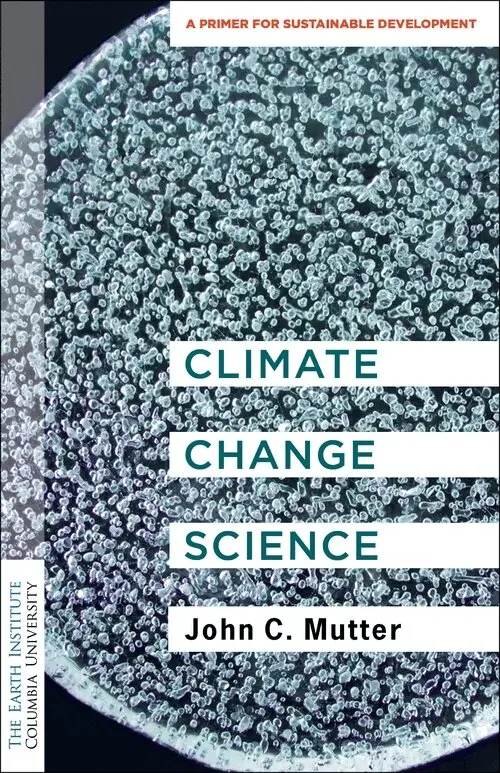
How will future climates be different from today’s world—and what consequences will changes in climate have for societies and their development strategies? This book is a primer on the essential science for grasping the workings of climate change and climate prediction. It is accessible for readers with little to no background in science, with an emphasis on the needs of those studying sustainable development.John C. Mutter gives a just-the-facts overview of how the climate system functions and what we know about why changes occur. He recounts the evolution of climatology from the earliest discoveries about Earth’s climate to present-day predictive capabilities, and clearly presents the scientific basis of fundamental topics such as climate zones, ocean-atmosphere dynamics, and the long-term cycles from glacial to interglacial periods. Mutter also details the mechanisms of climate change and the ways in which human activity affects global climate. He explains the science behind some known consequences of rising temperatures, such as sea level rise, hurricane behavior, and climate variability. The primer discusses how climate predictions are made and examines the sources of uncertainty in forecasting. Climate Change Science is a straightforward and easy-to-read treatment of the fundamental science needed to comprehend one of today’s most important issues.
164 kr
Skickas inom 7-10 vardagar
How will future climates be different from today’s world—and what consequences will changes in climate have for societies and their development strategies? This book is a primer on the essential science for grasping the workings of climate change and climate prediction. It is accessible for readers with little to no background in science, with an emphasis on the needs of those studying sustainable development.John C. Mutter gives a just-the-facts overview of how the climate system functions and what we know about why changes occur. He recounts the evolution of climatology from the earliest discoveries about Earth’s climate to present-day predictive capabilities, and clearly presents the scientific basis of fundamental topics such as climate zones, ocean-atmosphere dynamics, and the long-term cycles from glacial to interglacial periods. Mutter also details the mechanisms of climate change and the ways in which human activity affects global climate. He explains the science behind some known consequences of rising temperatures, such as sea level rise, hurricane behavior, and climate variability. The primer discusses how climate predictions are made and examines the sources of uncertainty in forecasting. Climate Change Science is a straightforward and easy-to-read treatment of the fundamental science needed to comprehend one of today’s most important issues.
714 kr
Skickas inom 7-10 vardagar
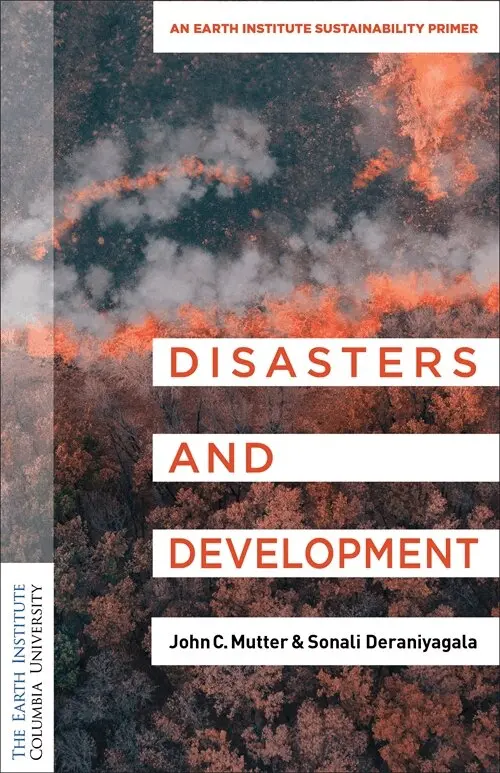
Disasters arise from the convergence of natural and social forces. Earthquakes, cyclones, floods, droughts, and other catastrophic events disproportionately affect the most vulnerable people, whether the poor in wealthy countries or the inhabitants of less developed countries. In a warming world, climate-related disasters threaten to become even more hazardous.This primer provides readers with a fundamental understanding of disasters and their consequences. John C. Mutter and Sonali Deraniyagala—a natural scientist and an economist—share their expertise in straightforward language, showing why an interdisciplinary approach is necessary to understand the causes and effects of these multifaceted events. This book first explains the natural science of why and how disasters occur and then investigates their significance for economic development across communities and countries, focusing on growth, inequality, and reconstruction. It features a wide range of global case studies, including earthquakes in Turkey and Haiti, hurricanes in the United States, drought in Ethiopia, and cyclones in Myanmar and Bangladesh. Disasters and Development will be useful for undergraduate and graduate courses, and it is relevant and accessible to practitioners and other interested readers.
180 kr
Skickas inom 7-10 vardagar
Disasters arise from the convergence of natural and social forces. Earthquakes, cyclones, floods, droughts, and other catastrophic events disproportionately affect the most vulnerable people, whether the poor in wealthy countries or the inhabitants of less developed countries. In a warming world, climate-related disasters threaten to become even more hazardous.This primer provides readers with a fundamental understanding of disasters and their consequences. John C. Mutter and Sonali Deraniyagala—a natural scientist and an economist—share their expertise in straightforward language, showing why an interdisciplinary approach is necessary to understand the causes and effects of these multifaceted events. This book first explains the natural science of why and how disasters occur and then investigates their significance for economic development across communities and countries, focusing on growth, inequality, and reconstruction. It features a wide range of global case studies, including earthquakes in Turkey and Haiti, hurricanes in the United States, drought in Ethiopia, and cyclones in Myanmar and Bangladesh. Disasters and Development will be useful for undergraduate and graduate courses, and it is relevant and accessible to practitioners and other interested readers.
837 kr
Kommande
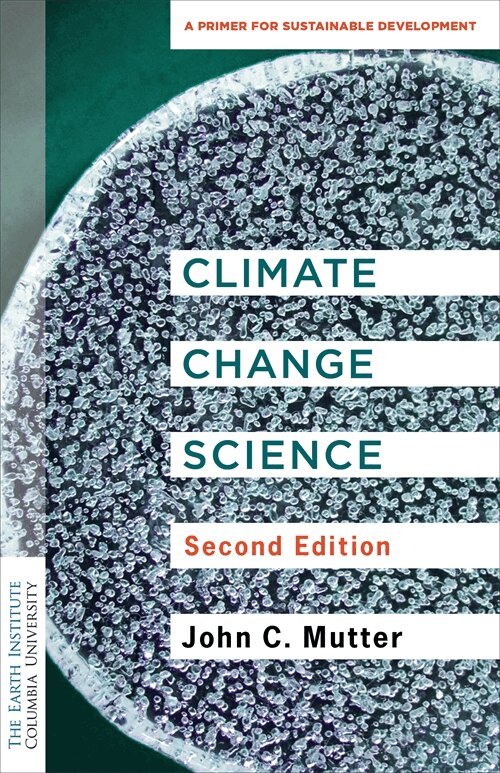
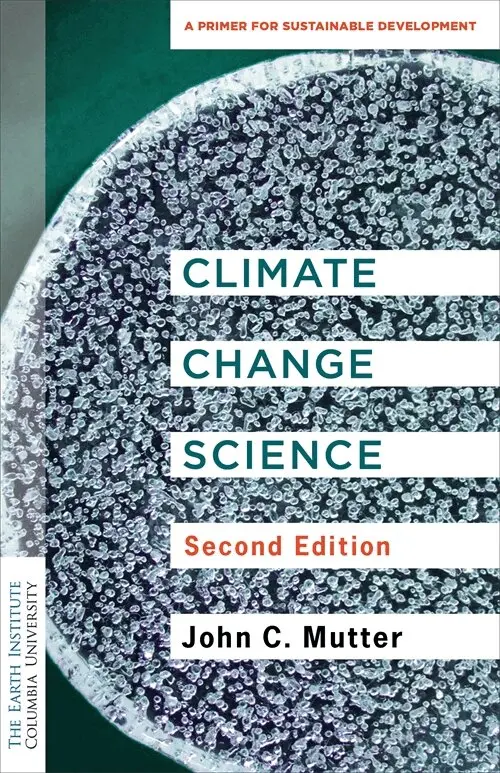
How will future climates be different from today’s world—and what consequences will changes in climate have for societies? This book is a primer on the fundamental science of climate change and climate prediction, now updated to reflect the latest research. It is accessible for readers with little to no background in science, particularly geared toward those studying sustainable development.John C. Mutter gives a just-the-facts overview of how the climate system functions and what we know about why changes occur. He details how human activity affects global climate, explaining consequences of rising temperatures such as sea level rise, hurricane behavior, and climate variability. The primer also discusses how climate predictions are made and examines the sources of uncertainty in forecasting.This second edition incorporates updates to the science that have occurred since the book’s original publication, including the most recent IPCC Assessment Report. It adds discussion of attribution science—the ability to determine the extent to which extreme weather was the result of climate change. It also features a new chapter on geoengineering, exploring proposals to mitigate or even reverse climate change by reducing the amount of solar radiation that reaches Earth or directly removing carbon dioxide from the atmosphere.
214 kr
Kommande
How will future climates be different from today’s world—and what consequences will changes in climate have for societies? This book is a primer on the fundamental science of climate change and climate prediction, now updated to reflect the latest research. It is accessible for readers with little to no background in science, particularly geared toward those studying sustainable development.John C. Mutter gives a just-the-facts overview of how the climate system functions and what we know about why changes occur. He details how human activity affects global climate, explaining consequences of rising temperatures such as sea level rise, hurricane behavior, and climate variability. The primer also discusses how climate predictions are made and examines the sources of uncertainty in forecasting.This second edition incorporates updates to the science that have occurred since the book’s original publication, including the most recent IPCC Assessment Report. It adds discussion of attribution science—the ability to determine the extent to which extreme weather was the result of climate change. It also features a new chapter on geoengineering, exploring proposals to mitigate or even reverse climate change by reducing the amount of solar radiation that reaches Earth or directly removing carbon dioxide from the atmosphere.