John D. Ciorciari – författare
Visar alla böcker från författaren John D. Ciorciari. Handla med fri frakt och snabb leverans.
6 produkter
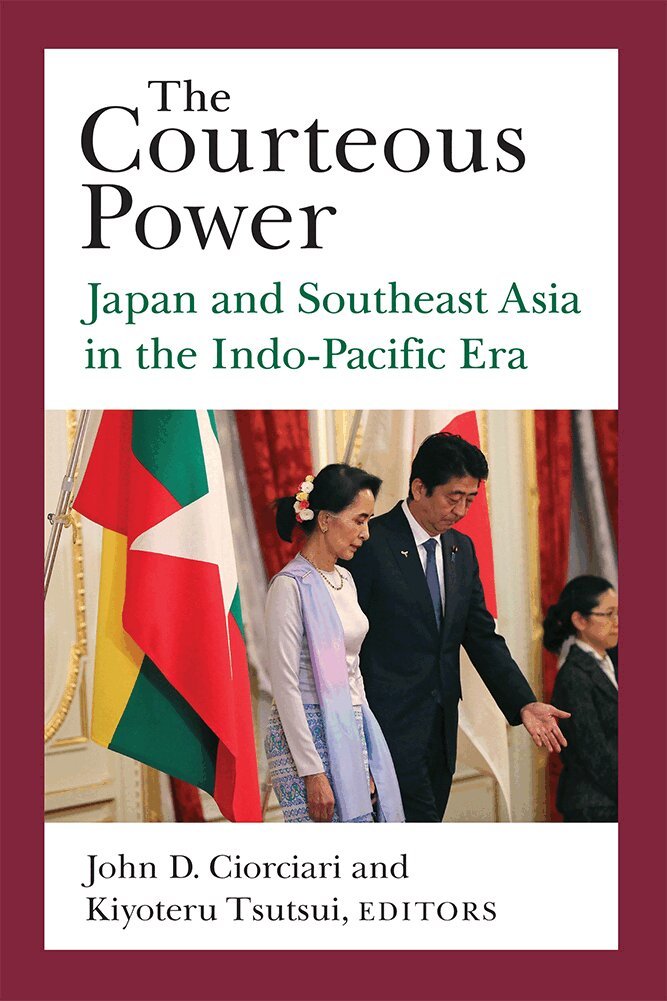
Courteous Power
Japan and Southeast Asia in the Indo-Pacific Era
Av John D. Ciorciari, Kiyoteru Tsutsui
Häftad, 2021
443 kr
Lägg i varukorg
The Courteous Power seeks to provide a nuanced view of the current relationship between Japan and Southeast Asia. Much of the current scholarship on East–Southeast Asian engagement has focused on the multidimensional chess game playing out between China and Japan, as the dominant post-imperialist …
Courteous Power
Japan and Southeast Asia in the Indo-Pacific Era
Av John D. Ciorciari, Kiyoteru Tsutsui
Inbunden, 2021
1126 kr
Lägg i varukorg
The Courteous Power seeks to provide a nuanced view of the current relationship between Japan and Southeast Asia. Much of the current scholarship on East–Southeast Asian engagement has focused on the multidimensional chess game playing out between China and Japan, as the dominant post-imperialist …
Courteous Power
Japan and Southeast Asia in the Indo-Pacific Era
Av Kiyoteru Tsutsui, John D. Ciorciari
E-bok, 2021
663 kr
Lägg i varukorg
The Courteous Power seeks to provide a nuanced view of the current relationship between Japan and Southeast Asia. Much of the current scholarship on East–Southeast Asian engagement has focused on the multidimensional chess game playing out between China and Japan, as the dominant post-imperialist …
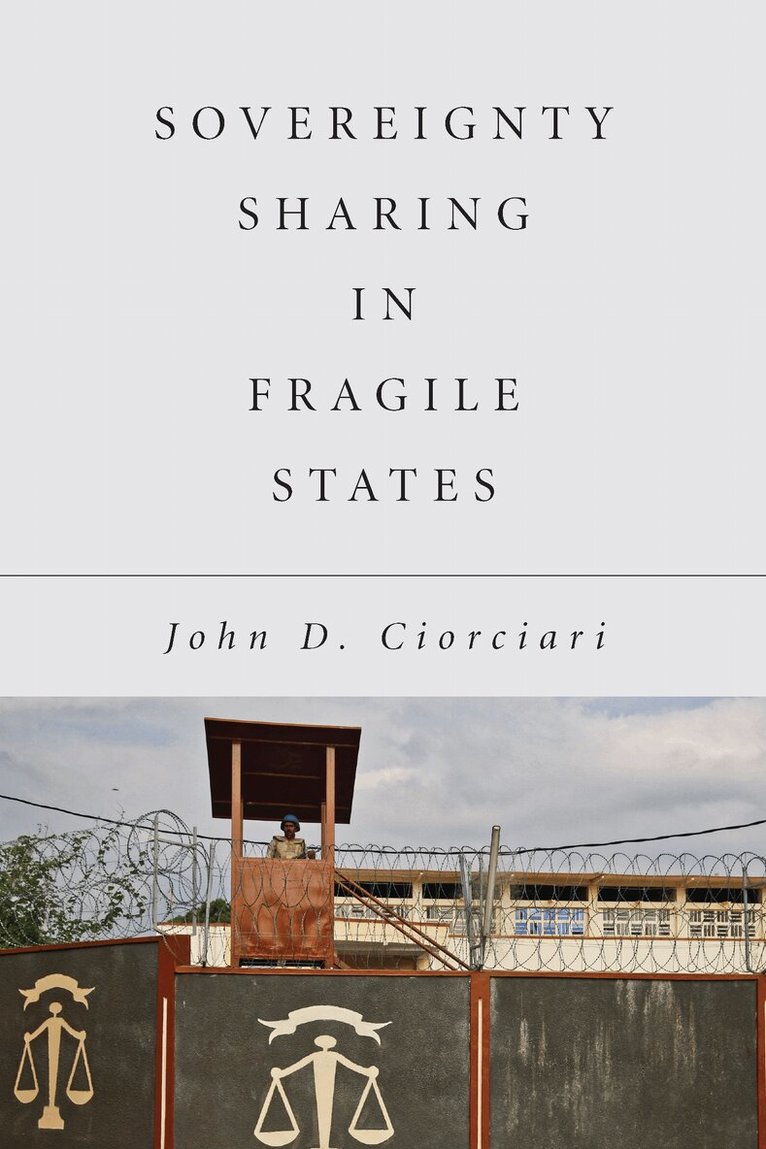
Sovereignty Sharing in Fragile States
Inbunden, 2021
906 kr
Lägg i varukorg
In fragile states, domestic and international actors sometimes take the momentous step of sharing sovereign authority to provide basic public services and build the rule of law. While sovereignty sharing can help address gaps in governance, it is inherently difficult, risking redundancy, confusion …
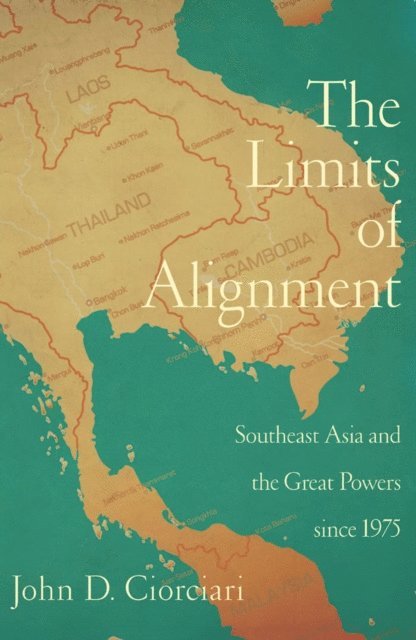
Limits of Alignment
Southeast Asia and the Great Powers since 1975
E-bok, 2010
806 kr
Lägg i varukorg
The Limits of Alignment is an engaging and accessible study that explores how small states and middle powers of Southeast Asia ensure their security in a world where they are overshadowed by greater powers. John D. Ciorciari challenges a central concept in international relations theory—that states …
Limits of Alignment
Southeast Asia and the Great Powers since 1975
Häftad, 2010
662 kr
Lägg i varukorg
"The Limits of Alignment" is an engaging and accessible study that explores how small states and middle powers of Southeast Asia ensure their security in a world where they are overshadowed by greater powers. John D. Ciorciari challenges a central concept in international relations theory - that …