John D. Lyons - Böcker
Visar alla böcker från författaren John D. Lyons. Handla med fri frakt och snabb leverans.
18 produkter
18 produkter
2 947 kr
Skickas inom 5-8 vardagar
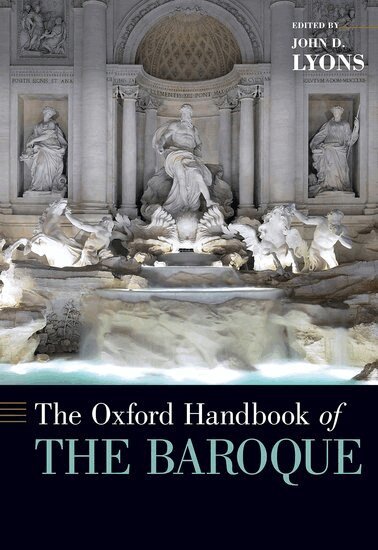
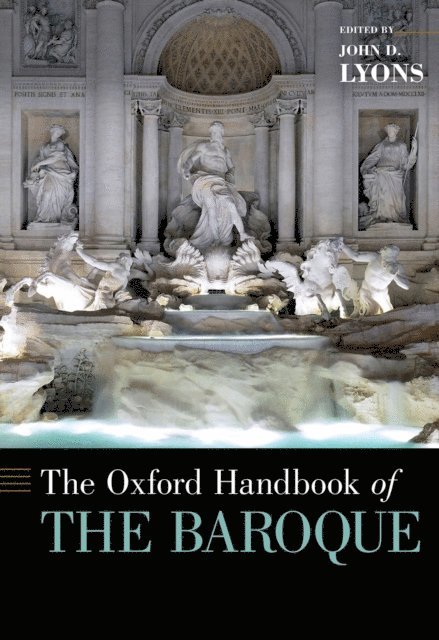
Few periods in history are so fundamentally contradictory as the Baroque, the culture flourishing from the mid-sixteenth to the mid-eighteenth centuries in Europe. When we hear the term Baroque, the first images that come to mind are symmetrically designed gardens in French chateaux, scenic fountains in Italian squares, and the vibrant rhythms of a harpsichord. Behind this commitment to rule, harmony, and rigid structure, however, the Baroque also embodies a deep fascination with wonder, excess, irrationality, and rebellion against order. The Oxford Handbook of the Baroque delves into this contradiction to provide a sweeping survey of the Baroque not only as a style but also as a historical, cultural, and intellectual concept. With its thirty-eight chapters edited by leading expert John D. Lyons, the Handbook explores different manifestations of Baroque culture, from theatricality in architecture and urbanism to opera and dance, from the role of water to innovations in fashion, from mechanistic philosophy and literature to the tension between religion and science. These discussions present the Baroque as a broad cultural phenomenon that arose in response to the enormous changes emerging from the sixteenth century: the division between Catholics and Protestants, the formation of nation-states and the growth of absolutist monarchies, the colonization of lands outside Europe and the mutual impact of European and non-European cultures. Technological developments such as the telescope and the microscope and even greater access to high-quality mirrors altered mankinds view of the universe and of human identity itself. By exploring the Baroque in relation to these larger social upheavals, this Handbook reveals a fresh and surprisingly modern image of the Baroque as a powerful response to an epoch of crisis.
1 286 kr
Skickas inom 7-10 vardagar
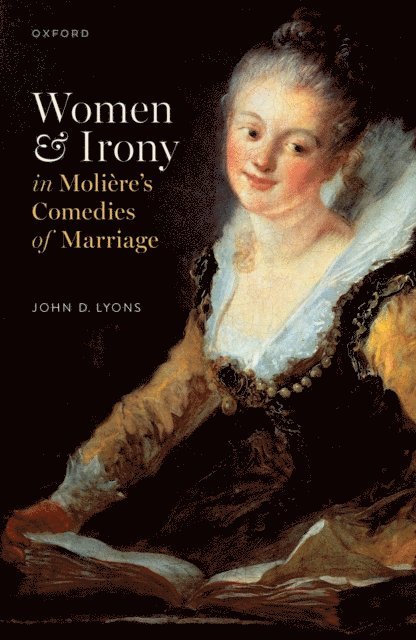
This is a book about how Molière, France's most celebrated author of comedies, made something strikingly new out of the traditional comedy plot of thwarted courtship. Though justly celebrated for his mastery of physical comedy and farce, one of Molière's key moves was to pay attention to the way women could use language. Seventeenth-century France was a time when speaking well became exceptionally important, and in this arena women were the trend-setters. Among the most important places to display taste and social skills were the salons, gatherings presided over by women. Yet women still enjoyed little in the way of rights, particularly regarding a central decision in their lives: the choice of a husband. French regulations of marriage contracts became increasingly restrictive, largely to the detriment of women. To draw attention to their plight, women novelists and essayists presented case studies in how men and women misunderstood one another, how women were coerced to wed, how marriages could become nightmares, and how courtships could fail. Against this fraught social background Molière showed women using one of the few assets they had, their mastery of words, and in particular the rhetoric of irony, to frustrate the plans of fathers, guardians, and other authority figures. The comedies discussed here include very well-known plays such as The Misanthrope, Tartuffe, The Learned Ladies, The School for Wives and Don Juan, and also less known but revealing and thought-provoking works such as The School for Husbands, George Dandin and Monsieur de Pourceaugnac.
124 kr
Kommande
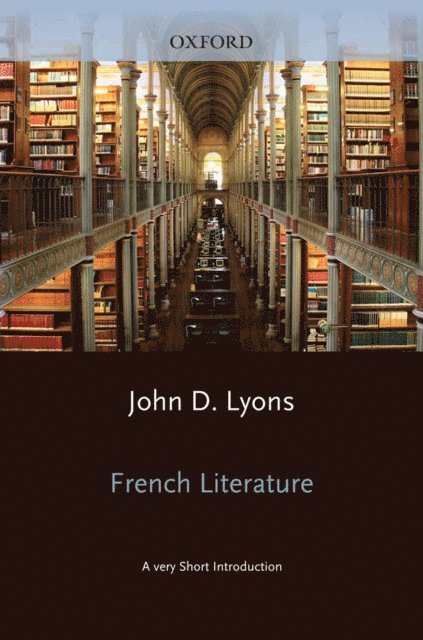
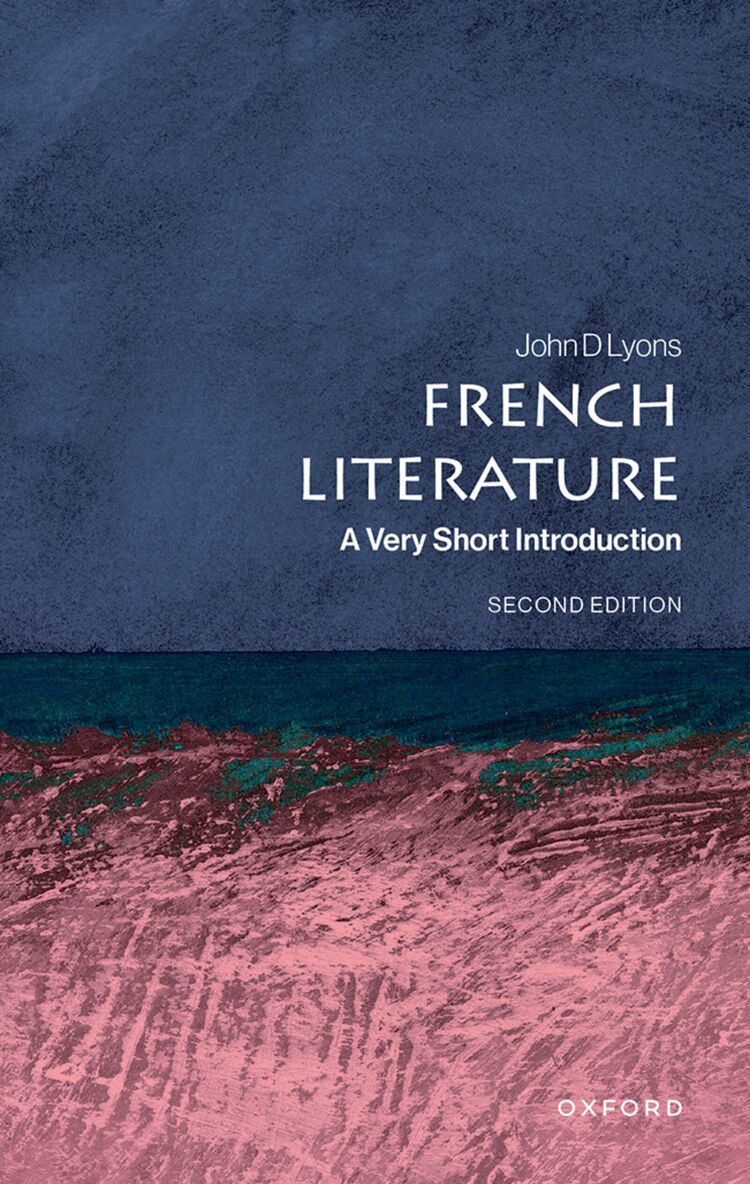
Very Short Introductions: Brilliant, Sharp, Inspiring People have been writing literary works in French for a thousand years, since the 11th century. What began as a small stream of texts copied by hand has become a vast river of printed poems, dramas, novels, stories, biographies, and autobiographies in an ever-changing kaleidoscope of forms created and enjoyed now not only in Europe but on many continents. French was long the true lingua franca of cultural elites in many countries. Yet, French has also been a language of revolutionary aspirations and of those campaigning for human rights. This Very Short Introduction is a guide to the most distinctive works from the Middle Ages through the Renaissance and into the Baroque and Enlightenment periods, and then into the explosion of writings and movements from Romanticism to the twenty-first century. The concept of character serves as a guiding thread through these many periods. What kinds of individuals appear as protagonists? What can we infer about the values, the priorities, the social hierarchies, the artistic movements, the dominant emotions, and literary forms typical of the time that produced the works? Are the central characters rulers or rebels? Saints or sinners? Warriors or peacemakers? Sometimes they are giants, or werewolves, or even talking animals. What type of physical world do they inhabit? In the Middle Ages, it was often an aristocratic court or the ascetic cell of a monk or a nun. As Paris grew in importance as a stable capital, people learned to express themselves in refined conversation in salons hosted by literary women or, instead, in the male gathering place, the tavern. With the Enlightenment, the café emerged as a rival to the salon. Still, in a powerful reaction to the artifice of cities, Romanticism exalted the simple life of the countryside and the exotic locales of North America and Africa. All of this constitutes the vast repertory of literature in French, the language of sixteen Nobel Prize winners in literature. ABOUT THE SERIES: The Very Short Introductions series from Oxford University Press contains hundreds of titles in almost every subject area. These pocket-sized books are the perfect way to get ahead in a new subject quickly. Our expert authors combine facts, analysis, perspective, new ideas, and enthusiasm to make interesting and challenging topics highly readable.
124 kr
Skickas inom 5-8 vardagar
The heritage of literature in the French language is rich, varied, and extensive in time and space; appealing both to its immediate public, readers of French, and also to a global audience reached through translations and film adaptations. The first great works of this repertory were written in the twelfth century in northern France, and now, at the beginning of the twenty-first century, include authors writing in many parts of the world, ranging from the Caribbean to Western Africa. French Literature: A Very Short Introduction introduces this lively literary world by focusing on texts - epics, novels, plays, poems, and screenplays - that concern protagonists whose adventures and conflicts reveal shifts in literary and social practices. From the hero of the medieval Song of Roland to the Caribbean heroines of I, Tituba, Black Witch of Salem or the European expatriate in Japan in Fear and Trembling, these problematic protagonists allow us to understand what interests writers and readers across the wide world of French.ABOUT THE SERIES: The Very Short Introductions series from Oxford University Press contains hundreds of titles in almost every subject area. These pocket-sized books are the perfect way to get ahead in a new subject quickly. Our expert authors combine facts, analysis, perspective, new ideas, and enthusiasm to make interesting and challenging topics highly readable.
210 kr
Skickas inom 7-10 vardagar
The text of this Norton Critical Edition is that of Thomas Sargent Perry's 1892 translation, indisputably the translation that has best served readers in English. Reprinted repeatedly over the last one hundred years, the Perry translation is a classic in its own right. After careful review, the editor has corrected minor infelicities of translation (necessary to remain true to Lafayette's text) and updated vocabulary.To experience the innovation of Lafayette's writing, it is necessary to understand the critical resistance it met with in seventeenth-century France."Contemporary Reactions" includes five assessments of The Princess of Clèves—by Marie-Madeleine de Lafayette herself, Roger de Bussy-Rabutin and Marie de Sévigné, Jean-Baptiste-Henry du Trousset de Valincour, Jean-Antoine de Charnes, and Du Plaisir—following its controversial publication. John Lyons's translations for this Norton Critical Edition make these reactions available in English for the first time."Criticism" includes eleven modern studies of the novel, five of which appear here in English for the first time, by Jean Fabre, Michel Butor, Jean Rousset, Helen Karen Kaps, Gérard Genette, Roger Francillon, Kurt Weinberg, Peggy Kamuf, Erica Harth, Joan DeJean, and Laurence Gregario.A Glossary of Characters and a Selected Bibliography are also included.
533 kr
Skickas inom 7-10 vardagar
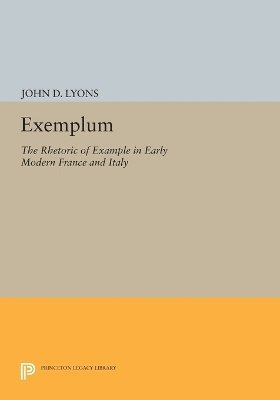
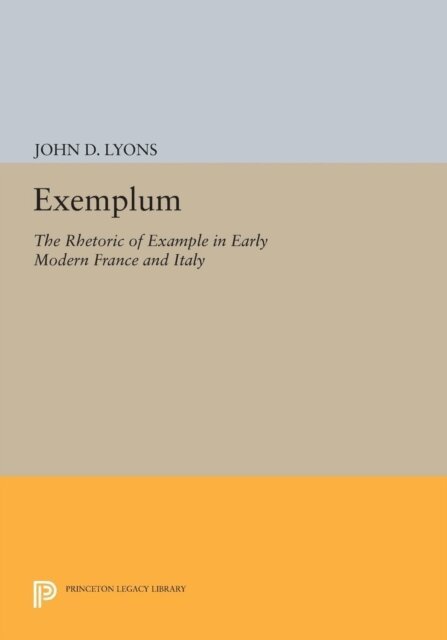
Examples, crucial links between discourse and society's view of reality, have until now been largely neglected in literary criticism. In the first book-length study of the rhetoric of example, John Lyons situates this figure by comparing it with more frequently studied tropes such as metaphor and synecdoche, discusses meanings of the terms example and exemplum, and proposes a set of descriptive concepts for the study of example in early modern literature. Tracing its paradoxical nature back to Aristotle's Rhetoric, Lyons shows how exemplary rhetoric is caught between often competing aims of persuasive general statement and accurate representation. In French and Italian texts of the sixteenth and seventeenth centuries this dual task was rendered still more challenging by a transition to new sources of examples as the age of discovery brought increased emphasis on observation. The writers of this period were aware of a crisis in exemplary rhetoric, a situation in which serious questions were raised about how authors and audience would find a common ground in interpreting representative instances.Lyons's focus on the strategy of example leads to new readings of six major writers--Machiavelli, Marguerite de Navarre, Montaigne, Pascal, Descartes, and Marie de Lafayette. Originally published in 1990. The Princeton Legacy Library uses the latest print-on-demand technology to again make available previously out-of-print books from the distinguished backlist of Princeton University Press. These editions preserve the original texts of these important books while presenting them in durable paperback and hardcover editions. The goal of the Princeton Legacy Library is to vastly increase access to the rich scholarly heritage found in the thousands of books published by Princeton University Press since its founding in 1905.
2 536 kr
Skickas inom 3-6 vardagar
Examples, crucial links between discourse and society's view of reality, have until now been largely neglected in literary criticism. In the first book-length study of the rhetoric of example, John Lyons situates this figure by comparing it with more frequently studied tropes such as metaphor and synecdoche, discusses meanings of the terms example and exemplum, and proposes a set of descriptive concepts for the study of example in early modern literature. Tracing its paradoxical nature back to Aristotle's Rhetoric, Lyons shows how exemplary rhetoric is caught between often competing aims of persuasive general statement and accurate representation. In French and Italian texts of the sixteenth and seventeenth centuries this dual task was rendered still more challenging by a transition to new sources of examples as the age of discovery brought increased emphasis on observation. The writers of this period were aware of a crisis in exemplary rhetoric, a situation in which serious questions were raised about how authors and audience would find a common ground in interpreting representative instances.Lyons's focus on the strategy of example leads to new readings of six major writers--Machiavelli, Marguerite de Navarre, Montaigne, Pascal, Descartes, and Marie de Lafayette. Originally published in 1990. The Princeton Legacy Library uses the latest print-on-demand technology to again make available previously out-of-print books from the distinguished backlist of Princeton University Press. These editions preserve the original texts of these important books while presenting them in durable paperback and hardcover editions. The goal of the Princeton Legacy Library is to vastly increase access to the rich scholarly heritage found in the thousands of books published by Princeton University Press since its founding in 1905.
1 566 kr
Skickas inom 10-15 vardagar
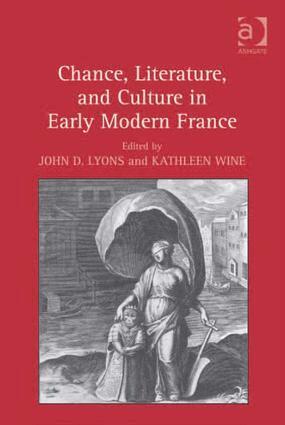
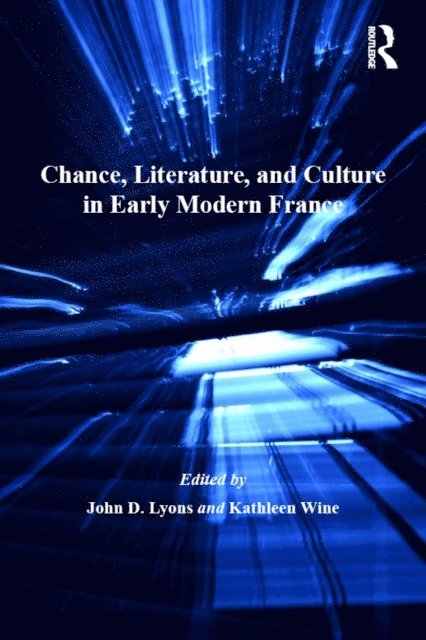
In the Renaissance and early modern periods, there were lively controversies over why things happen. Central to these debates was the troubling idea that things could simply happen by chance. In France, a major terrain of this intellectual debate, the chance hypothesis engaged writers coming from many different horizons: the ancient philosophies of Epicurus, the Stoa, and Aristotle, the renewed reading of the Bible in the wake of the Reformation, a fresh emphasis on direct, empirical observation of nature and society, the revival of dramatic tragedy with its paradoxical theme of the misfortunes that befall relatively good people, and growing introspective awareness of the somewhat arbitrary quality of consciousness itself. This volume is the first in English to offer a broad cultural and literary view of the field of chance in this period. The essays, by a distinguished team of scholars from the U.S., Britain, and France, cluster around four problems: Providence in Question, Aesthetics and Poetics of Chance, Law and Ethics, and Chance and its Remedies. Convincing and authoritative, this collection articulates a new and rich perspective on the culture of sixteenth- and seventeenth-century France.
915 kr
Skickas inom 7-10 vardagar
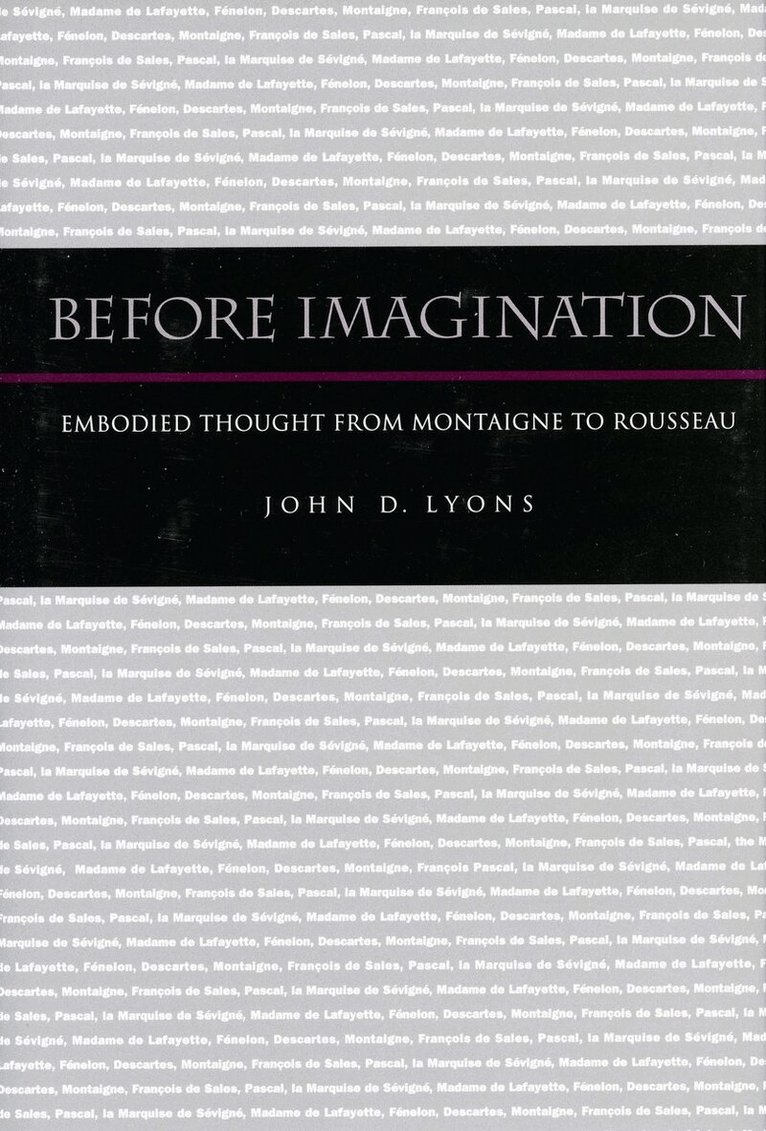
Before imagination became the transcendent and creative faculty promoted by the Romantics, it was for something quite different. Not reserved to a privileged few, imagination was instead considered a universal ability that each person could direct in practical ways. To imagine something meant to form in the mind a replica of a thing—its taste, its sound, and other physical attributes. At the end of the Renaissance, there was a movement to encourage individuals to develop their ability to imagine vividly. Within their private mental space, a space of embodied, sensual thought, they could meditate, pray, or philosophize. Gradually, confidence in the self-directed imagination fell out of favor and was replaced by the belief that the few—an elite of writers and teachers—should control the imagination of the many. This book seeks to understand what imagination meant in early modern Europe, particularly in early modern France, before the Romantic era gave the term its modern meaning. The author explores the themes surrounding early modern notions of imagination (including hostility to imagination) through the writings of such figures as Descartes, Montaigne, François de Sales, Pascal, the Marquise de Sévigné, Madame de Lafayette, and Fénelon.
477 kr
Skickas inom 7-10 vardagar
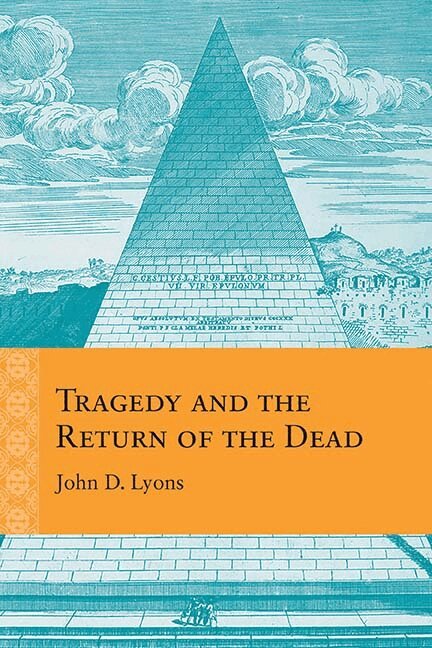
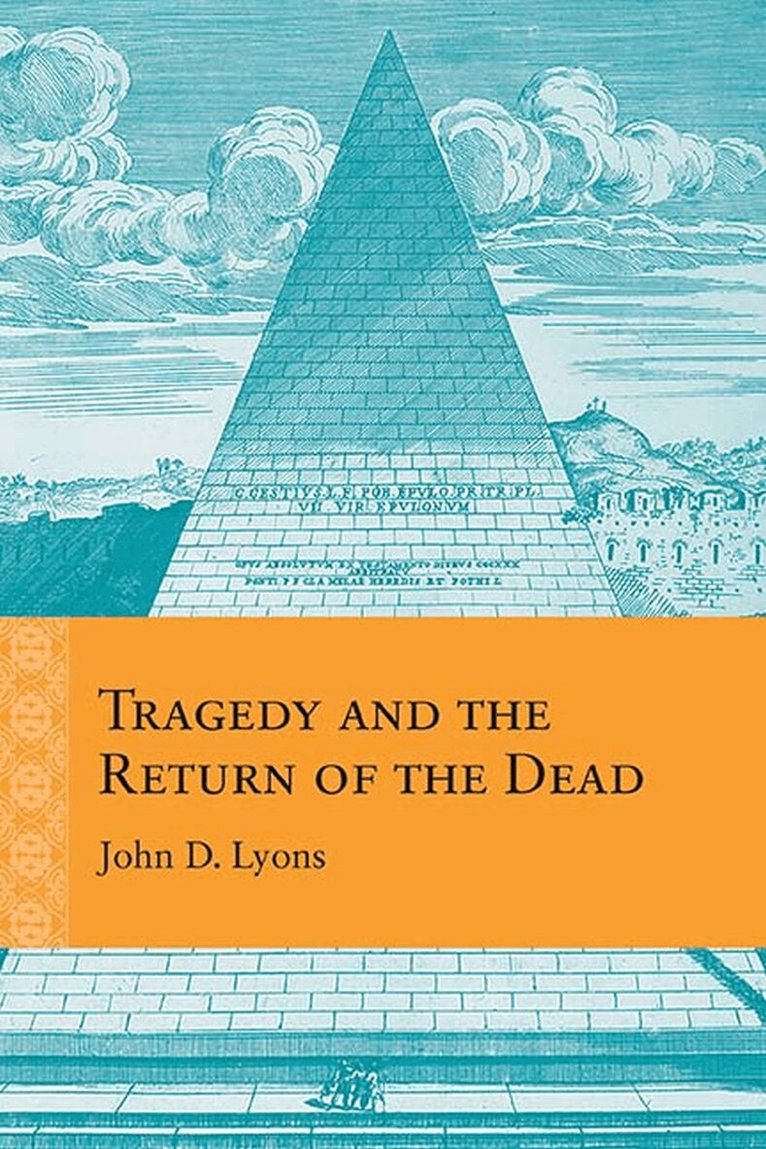
Early modernity rediscovered tragedy in the dramas and the theoretical writings of the ancient Greeks and Romans. Attempting to make new tragic fictions, writers like Shakespeare, Webster, Hardy, Corneille, and Racine created a dramatic form that would probably have been unrecognizable to the ancient Athenians. Tragedy and the Return of the Dead recovers a model of the tragic that fits ancient tragedies, early modern tragedies, as well as contemporary narratives and films no longer called “tragic” but which perpetuate the same elements.Authoritative, wide-ranging, and thought provoking, Tragedy and the Return of the Dead uncovers a set of interlocking plots of family violence that stretch from Greek antiquity up to the popular culture of today. Casting aside the elite, idealist view that tragedy manifests the conflict between two equal goods or the human struggle against the divine, John D. Lyons looks closely at tragedy’s staging of gory and painful deaths, ignominious burials, and the haunting return of ghosts. Through this adjusted lens Le Cid, Hamlet, The Spanish Tragedy, Romeo and Juliet, Phèdre, Macbeth, and other early modern works appear in a striking new light. These works are at the center of a panorama that stretches from Aeschylus’s Agamemnon to Hitchcock’s Psycho and are placed against the background of the Gothic novel, Freud’s “uncanny,” and Burke’s “sublime.”Lyons demonstrates how tragedy under other names, such as “Gothic fiction” and “thrillers,” is far from dead and continues as a vital part of popular culture.
1 235 kr
Skickas inom 10-15 vardagar
Early modernity rediscovered tragedy in the dramas and the theoretical writings of the ancient Greeks and Romans. Attempting to make new tragic fictions, writers like Shakespeare, Webster, Hardy, Corneille, and Racine created a dramatic form that would probably have been unrecognizable to the ancient Athenians. Tragedy and the Return of the Dead recovers a model of the tragic that fits ancient tragedies, early modern tragedies, as well as contemporary narratives and films no longer called “tragic” but which perpetuate the same elements.Authoritative, wide-ranging, and thought provoking, Tragedy and the Return of the Dead uncovers a set of interlocking plots of family violence that stretch from Greek antiquity up to the popular culture of today. Casting aside the elite, idealist view that tragedy manifests the conflict between two equal goods or the human struggle against the divine, John D. Lyons looks closely at tragedy’s staging of gory and painful deaths, ignominious burials, and the haunting return of ghosts. Through this adjusted lens Le Cid, Hamlet, The Spanish Tragedy, Romeo and Juliet, Phèdre, Macbeth, and other early modern works appear in a striking new light. These works are at the center of a panorama that stretches from Aeschylus’s Agamemnon to Hitchcock’s Psycho and are placed against the background of the Gothic novel, Freud’s “uncanny,” and Burke’s “sublime.”Lyons demonstrates how tragedy under other names, such as “Gothic fiction” and “thrillers,” is far from dead and continues as a vital part of popular culture.
1 051 kr
Skickas inom 10-15 vardagar
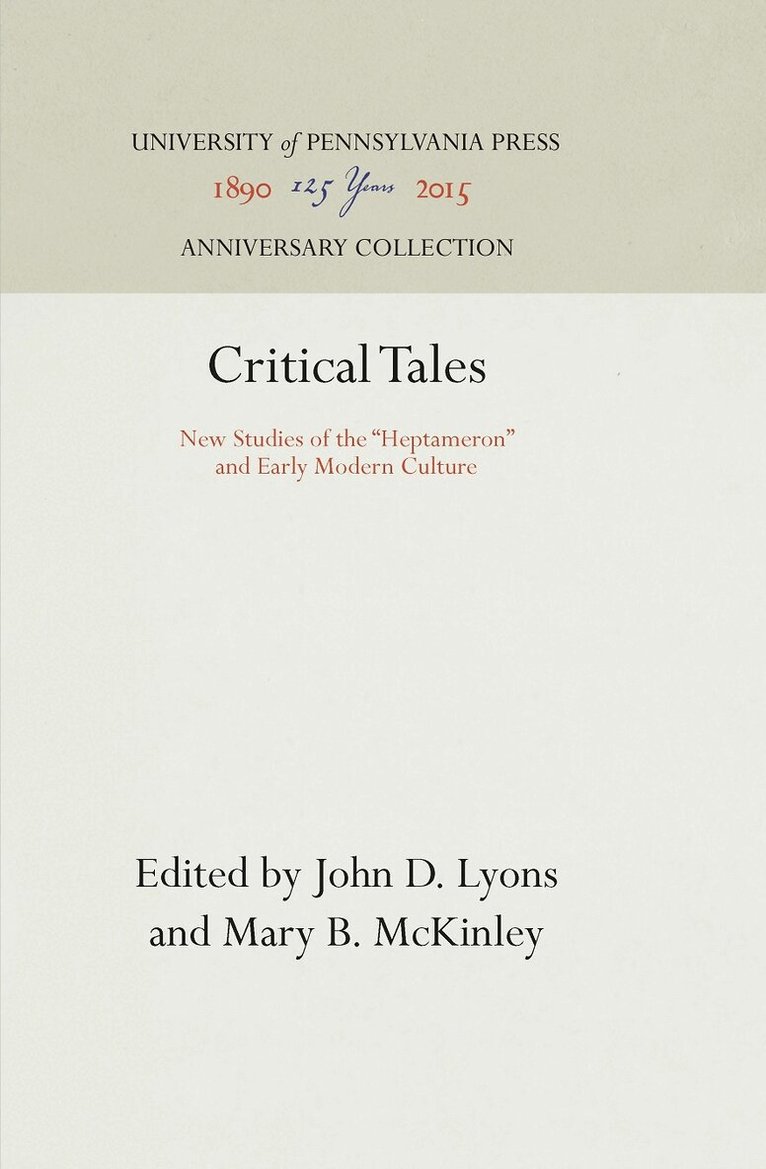
Appearing in print for the first time in 1558, the book that we now know as the Heptameron is the work of Marguerite, Queen of Navarre. Left incomplete, but dearly modeled on Boccaccio's Decameron, the Heptameron consists of a frame narrative and seventy-two tales told by five men and five women characters in the shady meadow at Notre Dame de Sarrance.As John D. Lyons and Mary B. McKinley contend in their introduction to this volume, the tales of the Heptameron portray the conflicts, ruptures, and upheavals that agitated early modern French society. They present a forum in which different elements of Renaissance and Reformation culture meet and, at times, collide. Contradictory suppositions about men and women are easily discerned behind almost all of the stories, and the discussions among the fictional storytellers represent attitudes both feminist and misogynist, masculinist, and misandrous. Less oppositional are the religious conflicts among the storytellers; some are less ardently religious while others are concerned with the corporeal rather than the spiritual.The stories of the Heptameron are often cautionary tales about the corruption of the late medieval church, about decadent priests and monks, or about the unfortunate faithful whose belief in the efficacy of good works for salvation leads to disaster and death. The conflicts of the Reformation loom over the Heptameron not just as the origin of its ideological tensions but also as a prominent symptom of the larger, related disruptions that marked sixteenth-century Europe.Provocative and wide-ranging, appealing to specialists in numerous fields, Critical Tales is the first collective volume of studies in English on the Heptameron. The authors-Robert D. Cottrell, Hope Glidden, Marcel Tetel, Donald Stone, Tom Conley, Michel Jeanneret, Cathleen M. Bauschatz, FranÇois Cornilliat and Ullrich Langer, Mary B. McKinley, Philippe de Lajarte, Andre Tournon, Daniel Russell, FranÇois Rigolot, Paula Sommers, and Edwin M. Duval-present different approaches to Marguerite de Navarre's tales, dealing with such topics as confession, rape, the impact of printing on knowledge and narrative, narrative theory, and androgyny. The contributors to Critical Tales, like the storytellers of the Heptameron, are not afraid to challenge the critical establishment and one another. The book will be of interest to students and scholars of French and comparative literature and women's studies.
1 356 kr
Skickas inom 7-10 vardagar
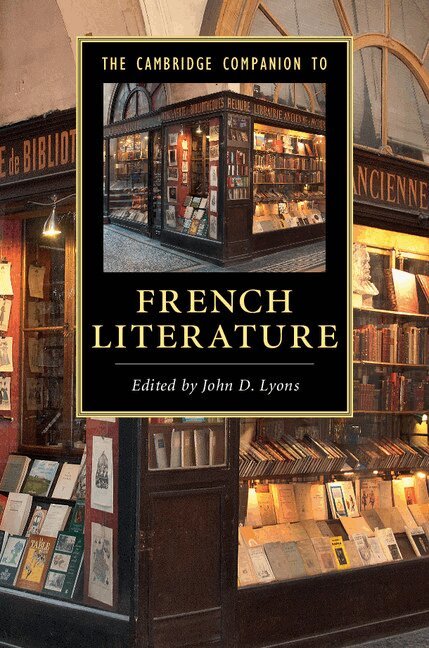
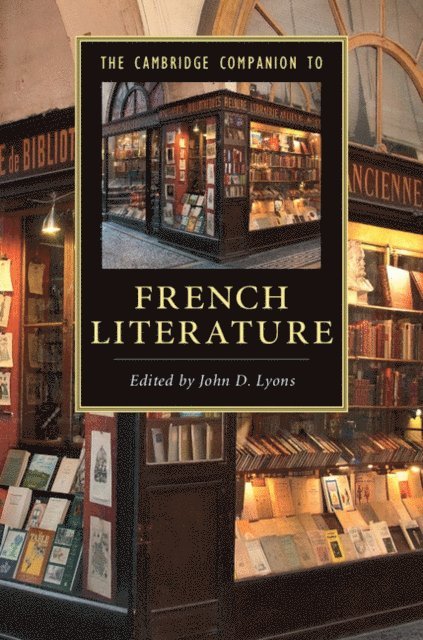
In this authoritative and accessible account of French literature, sixteen essays by leading specialists offer provocative insights into French literary culture, its genres, movements, themes, and historic turning points, including the cultural and linguistic challenges of today's multi-ethnic France. The French have, over the centuries, invented and reinvented writing, from the Arthurian romances of Chrétien de Troyes to Montaigne's Essays, which gave the world a new literary form and a new standard for writing about personal thought and experience; from the highly polished tragedies of French classicism to the satirical novels of the Enlightenment; from Proust's explorations of social and sexual mores to the 'New Novel' of the late twentieth century; and from Baudelaire's urban poetry to today's poetic experiments with sound and typography. The broad scope of this Companion, which goes beyond individual authors or periods, enables a deeper appreciation for the distinctive literature of France.
370 kr
Skickas inom 7-10 vardagar
In this authoritative and accessible account of French literature, sixteen essays by leading specialists offer provocative insights into French literary culture, its genres, movements, themes, and historic turning points, including the cultural and linguistic challenges of today's multi-ethnic France. The French have, over the centuries, invented and reinvented writing, from the Arthurian romances of Chrétien de Troyes to Montaigne's Essays, which gave the world a new literary form and a new standard for writing about personal thought and experience; from the highly polished tragedies of French classicism to the satirical novels of the Enlightenment; from Proust's explorations of social and sexual mores to the 'New Novel' of the late twentieth century; and from Baudelaire's urban poetry to today's poetic experiments with sound and typography. The broad scope of this Companion, which goes beyond individual authors or periods, enables a deeper appreciation for the distinctive literature of France.
1 149 kr
Skickas inom 5-8 vardagar
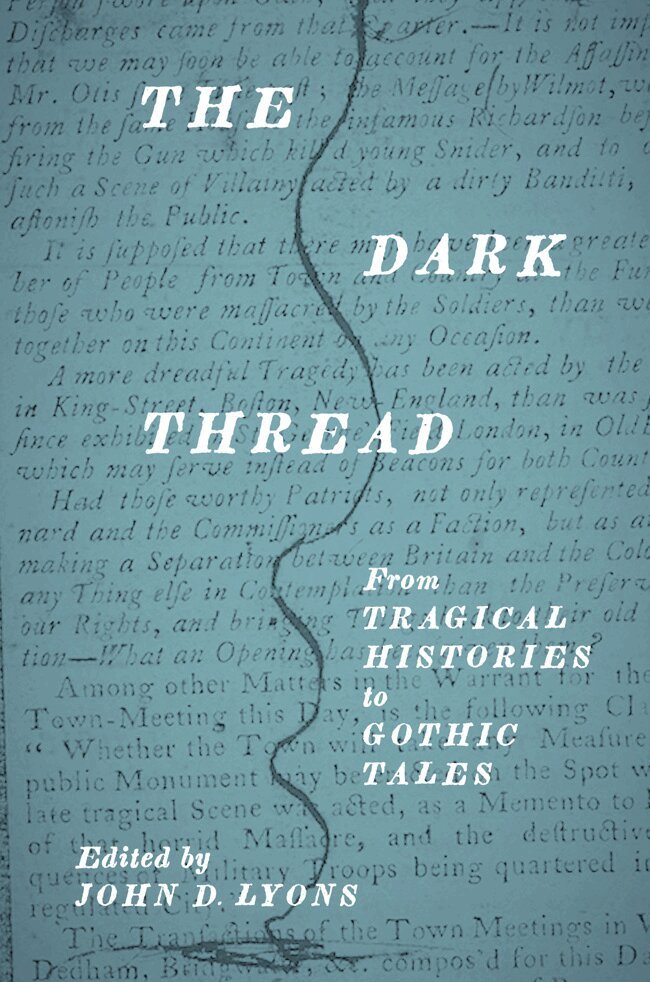
In The Dark Thread, scholars examine a set of important and perennial narrative motifs centered on violence within the family as they have appeared in French, English, Spanish, and American literatures. Over fourteen essays, contributors highlight the connections between works from early modernity and subsequent texts from the eighteenth through the twentieth centuries, in which incidents such as murder, cannibalism, poisoning, the burial of the living, the failed burial of the dead, and subsequent apparitions of ghosts that haunt the household unite “high” and “low” cultural traditions. This book questions the traditional separation between the highly honored genre of tragedy and the less respected and generally less well-known genres of histoires tragiques, gothic tales and novels, and horror stories.Published by University of Delaware Press. Distributed worldwide by Rutgers University Press.
499 kr
Skickas inom 10-15 vardagar
In The Dark Thread, scholars examine a set of important and perennial narrative motifs centered on violence within the family as they have appeared in French, English, Spanish, and American literatures. Over fourteen essays, contributors highlight the connections between works from early modernity and subsequent texts from the eighteenth through the twentieth centuries, in which incidents such as murder, cannibalism, poisoning, the burial of the living, the failed burial of the dead, and subsequent apparitions of ghosts that haunt the household unite “high” and “low” cultural traditions. This book questions the traditional separation between the highly honored genre of tragedy and the less respected and generally less well-known genres of histoires tragiques, gothic tales and novels, and horror stories.Published by University of Delaware Press. Distributed worldwide by Rutgers University Press.
126 kr
Skickas inom 5-8 vardagar
197 kr
Skickas inom 5-8 vardagar