John D. Mayer - Böcker
Visar alla böcker från författaren John D. Mayer. Handla med fri frakt och snabb leverans.
9 produkter
9 produkter
240 kr
Skickas inom 5-8 vardagar
556 kr
Skickas inom 3-6 vardagar
1 908 kr
Skickas inom 10-15 vardagar
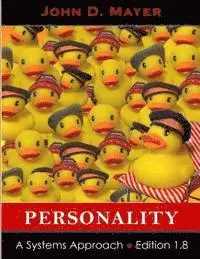
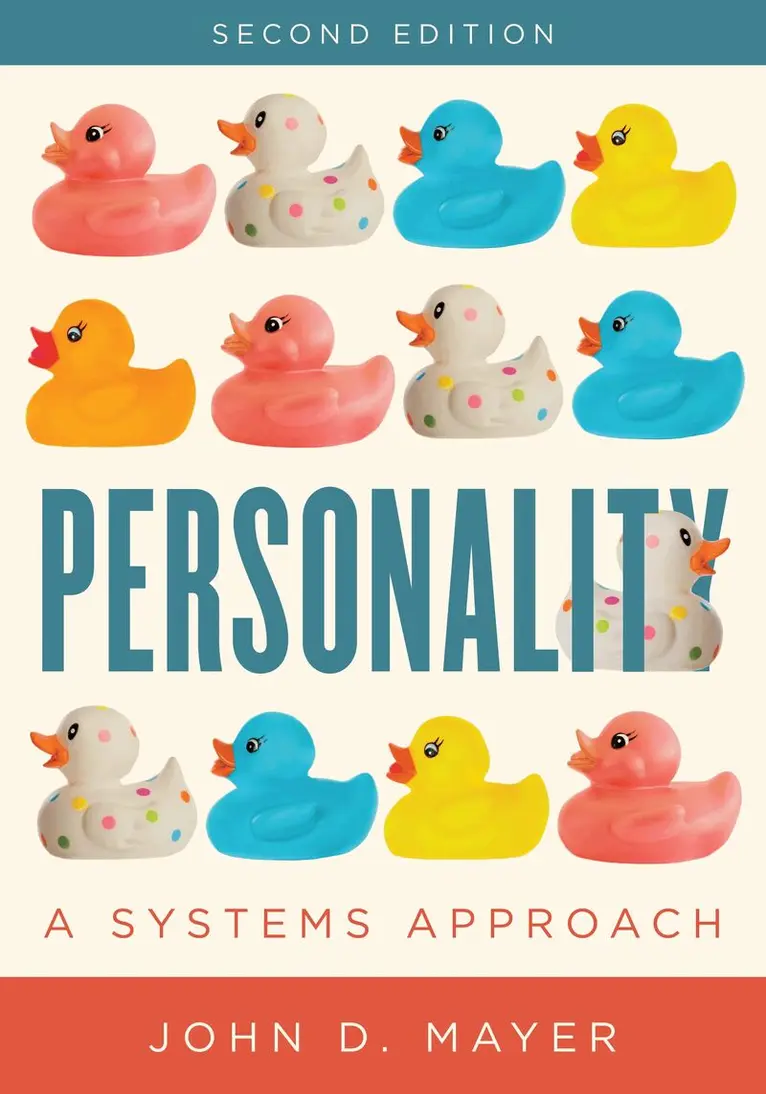
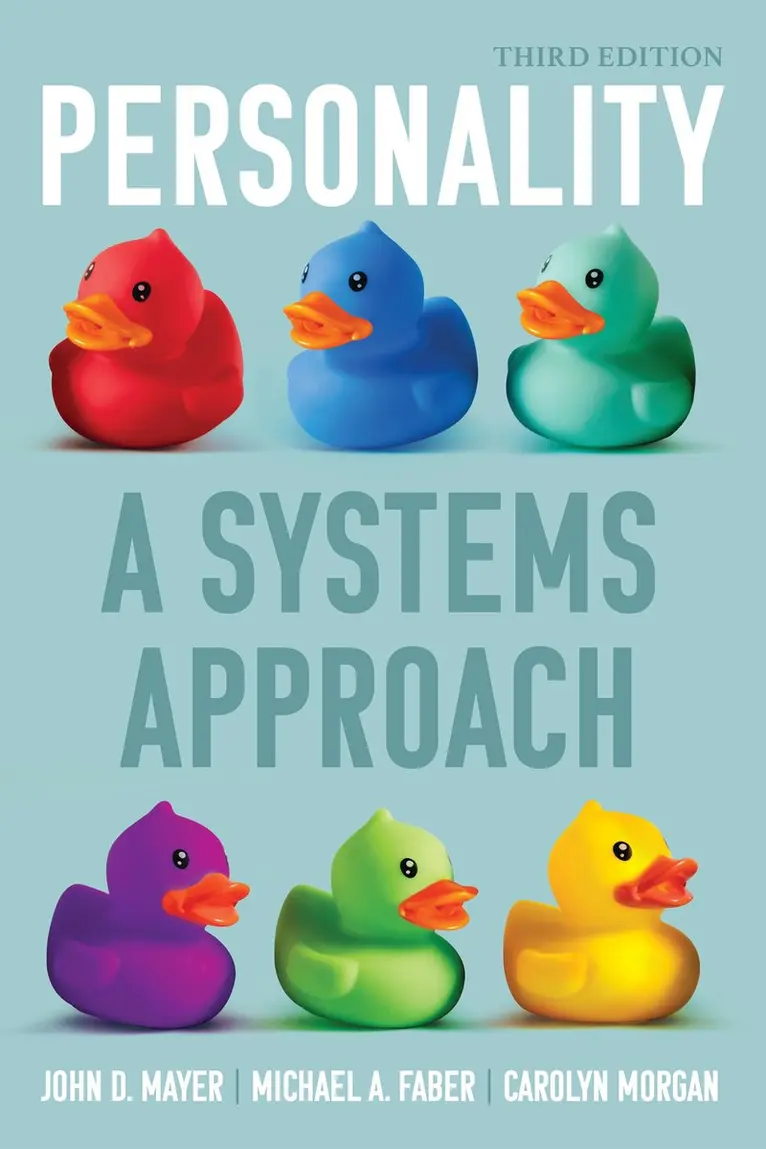
Organized around the personality systems framework, this text offers students a clear and engaging introduction to the study of personality. The second edition integrates cutting-edge research and provides a comprehensive road map toward understanding (1) what personality is; (2) what personality’s major subsystems are by breaking down motivation, emotion, cognition, and self; (3) how personality’s parts are organized; and (4) how personality develops and changes over time.New and Updated Features:Engaging case examples throughout each chapter bring concepts to life.Valuable study aids, including chapter-opening big picture questions, review questions, and glossary reinforce each chapter’s main topics.A fresh design incorporates new figures and tables.A new learning package designed to enhance the experience of both instructors and students includes a test bank, a Respondus test bank, and a companion website.This book is accompanied by a learning package designed to enhance the experience of both instructors and students.Test Bank. For every chapter in the text, the Test Bank includes multiple choice questions in a variety of skill levels and organized by chapter topic. The Test Bank is available to adopters in Word, PDF or Respondus formats. Our Test Bank is most flexibly used in Respondus, test authoring software which is available in two forms. Check with your university to see if you have a site license to the full program, Respondus 4.0, which offers the option to upload your tests to any of the most popular course management systems such as Blackboard. If you don’t have a Respondus license or do not care about having your tests in a course management system, you can use our test bank file in Respondus LE. The LE program is free and can be used to automate the process of creating tests in print format.• Visit the Respondus Test Bank Network to download the test bank for either Respondus 4.0 or Respondus LE.• If you prefer to use our Test Bank in Word or PDF, please Sign-In if you are a registered user, or Register then email us at textbooks@rowman.com .Companion Website. Accompanying the text is an open-access Companion Website designed to reinforce the main topics. For each chapter, flash cards, self-quizzes, and additional review resources help students master the information they learn in the classroom. Students can access the Companion Website from their computer or mobile device at textbooks.rowman.com/mayer2e.
1 305 kr
Skickas inom 10-15 vardagar
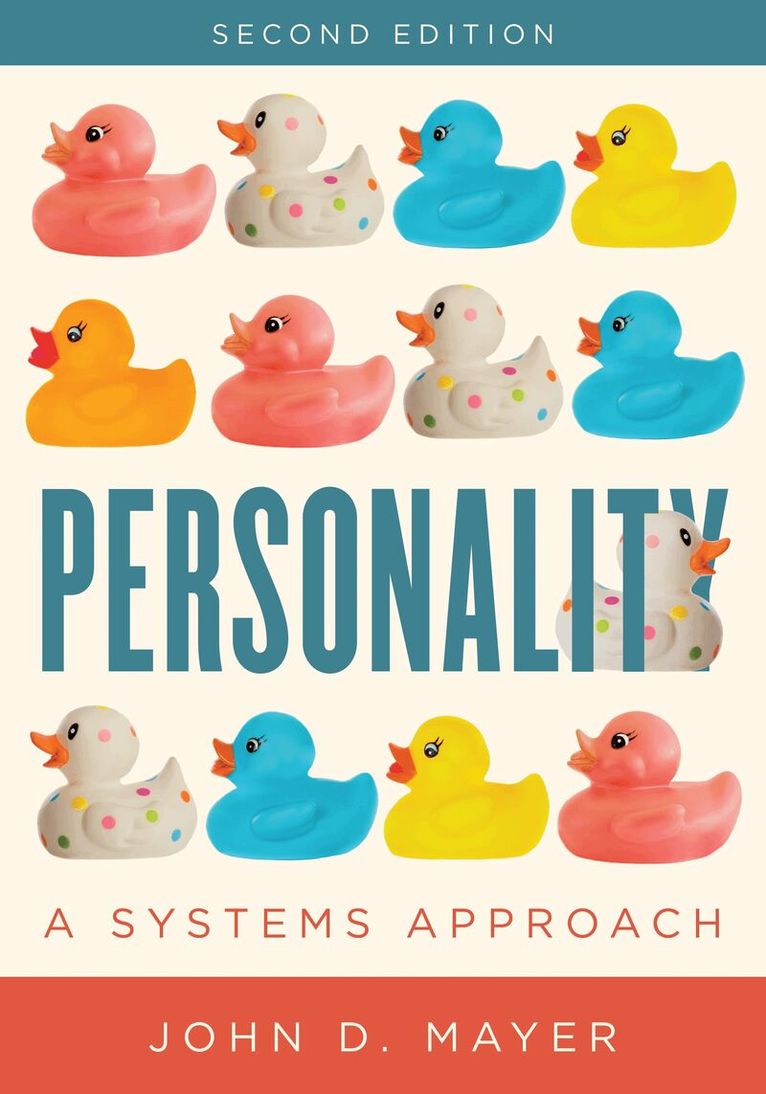
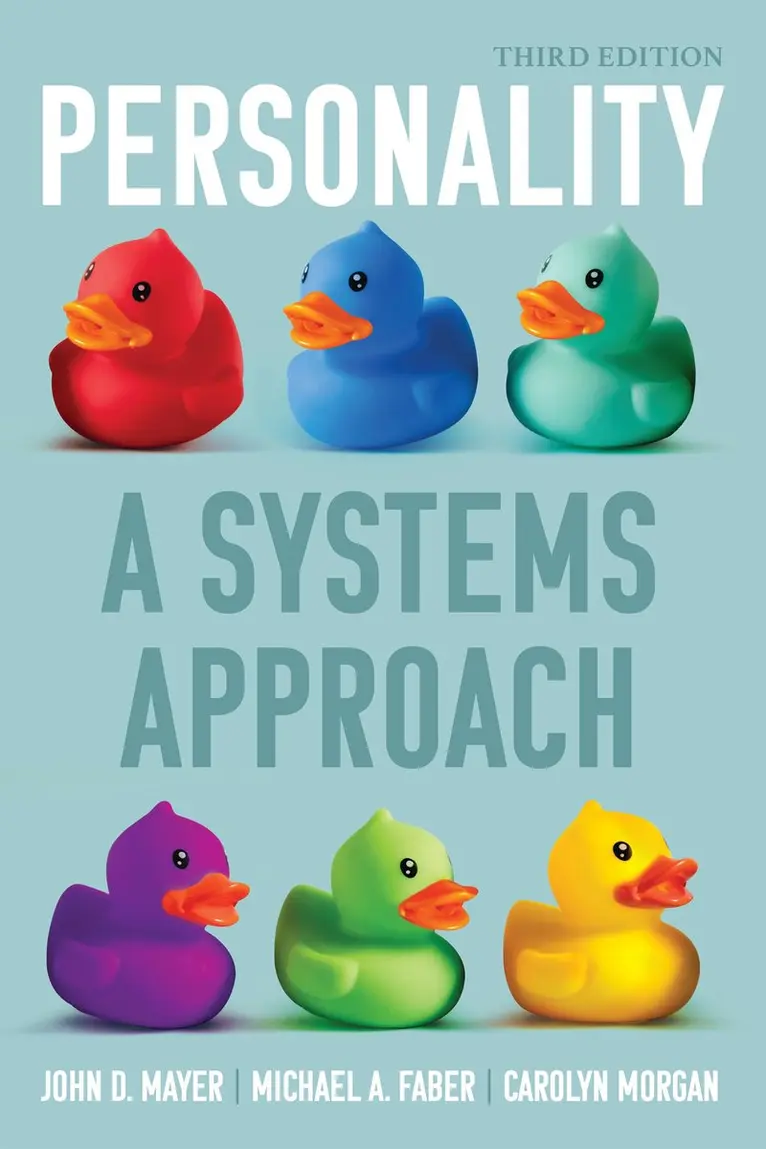
Organized around the personality systems framework, this text offers students a clear and engaging introduction to the study of personality. The second edition integrates cutting-edge research and provides a comprehensive road map toward understanding (1) what personality is; (2) what personality’s major subsystems are by breaking down motivation, emotion, cognition, and self; (3) how personality’s parts are organized; and (4) how personality develops and changes over time.New and Updated Features:Engaging case examples throughout each chapter bring concepts to life.Valuable study aids, including chapter-opening big picture questions, review questions, and glossary reinforce each chapter’s main topics.A fresh design incorporates new figures and tables.A new learning package designed to enhance the experience of both instructors and students includes a test bank, a Respondus test bank, and a companion website.This book is accompanied by a learning package designed to enhance the experience of both instructors and students.Test Bank. For every chapter in the text, the Test Bank includes multiple choice questions in a variety of skill levels and organized by chapter topic. The Test Bank is available to adopters in Word, PDF or Respondus formats. Our Test Bank is most flexibly used in Respondus, test authoring software which is available in two forms. Check with your university to see if you have a site license to the full program, Respondus 4.0, which offers the option to upload your tests to any of the most popular course management systems such as Blackboard. If you don’t have a Respondus license or do not care about having your tests in a course management system, you can use our test bank file in Respondus LE. The LE program is free and can be used to automate the process of creating tests in print format.• Visit the Respondus Test Bank Network to download the test bank for either Respondus 4.0 or Respondus LE.• If you prefer to use our Test Bank in Word or PDF, please Sign-In if you are a registered user, or Register then email us at textbooks@rowman.com .Companion Website. Accompanying the text is an open-access Companion Website designed to reinforce the main topics. For each chapter, flash cards, self-quizzes, and additional review resources help students master the information they learn in the classroom. Students can access the Companion Website from their computer or mobile device at textbooks.rowman.com/mayer2e.
737 kr
Skickas inom 3-6 vardagar
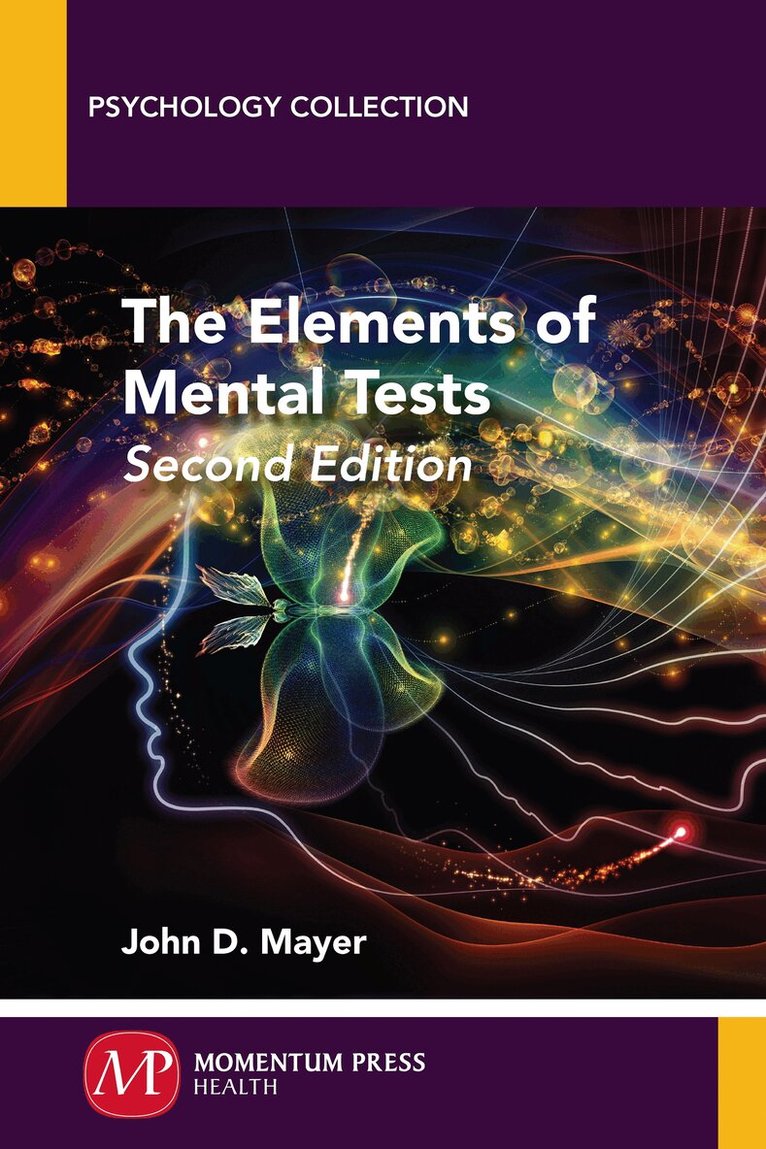
The Elements of Mental Tests provides an introduction to mental testing and the use of psychological and educational measures. Part I: The Elements of Measurement introduces the types of educational and psychological tests commonly in use, the test data those measures collect, and the types of test items that make up a test. Part II: The Elements of Test Scores introduces the mathematical models that professionals use to represent test-takers' answers to test questions. Part II begins with a review of basic statistics particularly relevant to measurement, including the conversion of test scores to z-scores and the use of correlation coefficients to relate test items and tests to one another. Part II continues with an integrated introduction to both Classical Test Theory and Item Response Theory-the most influential methods for understanding tests in use today. Part III: The Elements of Test Quality examines the standards of good testing including a test's reliability and its precision of measurement, the evaluation of test validity, and the features of a good test administration. Altogether, the book provides a comprehensive foundation for readers who are interested in tests, in testing, and in their use in contemporary life.
1 071 kr
Tillfälligt slut
Since the release of the very successful first edition in 2001, the field of emotional intelligence has grown in sophistication and importance. Many new and talented researchers have come into the field and techniques in EI measurement have dramatically increased so that we now know much more about the distinctiveness and utility of the different EI measures. There has also been a dramatic upswing in research that looks at how to teach EI in schools, organizations, and families.In this second edition, leaders in the field present the most up-to-date research on the assessment and use of the emotional intelligence construct. Importantly, this edition expands on the previous by providing greater coverage of emotional intelligence interventions.As with the first edition, this second edition is both scientifically rigorous, yet highly readable and accessible to a non-specialist audience. It will therefore be of value to researchers and practitioners in many disciplines beyond social psychology, including areas of basic research, cognition and emotion, organizational selection, organizational training, education, clinical psychology, and development psychology.
652 kr
Skickas inom 10-15 vardagar
Since the release of the very successful first edition in 2001, the field of emotional intelligence has grown in sophistication and importance. Many new and talented researchers have come into the field and techniques in EI measurement have dramatically increased so that we now know much more about the distinctiveness and utility of the different EI measures. There has also been a dramatic upswing in research that looks at how to teach EI in schools, organizations, and families.In this second edition, leaders in the field present the most up-to-date research on the assessment and use of the emotional intelligence construct. Importantly, this edition expands on the previous by providing greater coverage of emotional intelligence interventions.As with the first edition, this second edition is both scientifically rigorous, yet highly readable and accessible to a non-specialist audience. It will therefore be of value to researchers and practitioners in many disciplines beyond social psychology, including areas of basic research, cognition and emotion, organizational selection, organizational training, education, clinical psychology, and development psychology.
2 030 kr
Skickas inom 10-15 vardagar
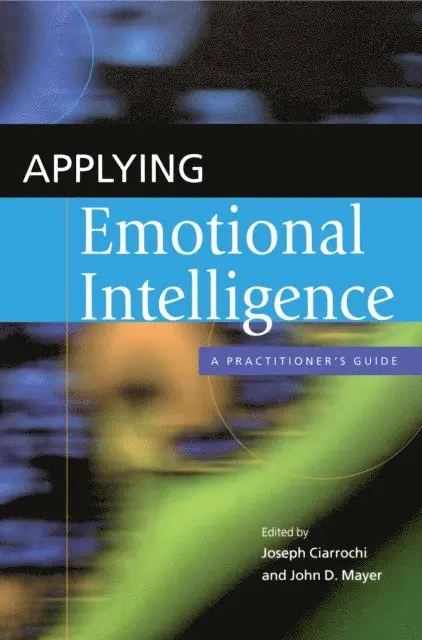
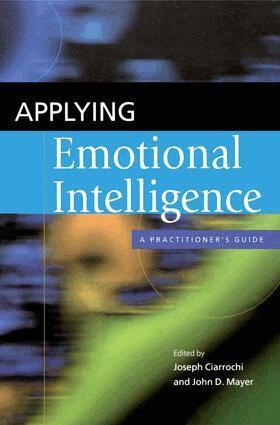
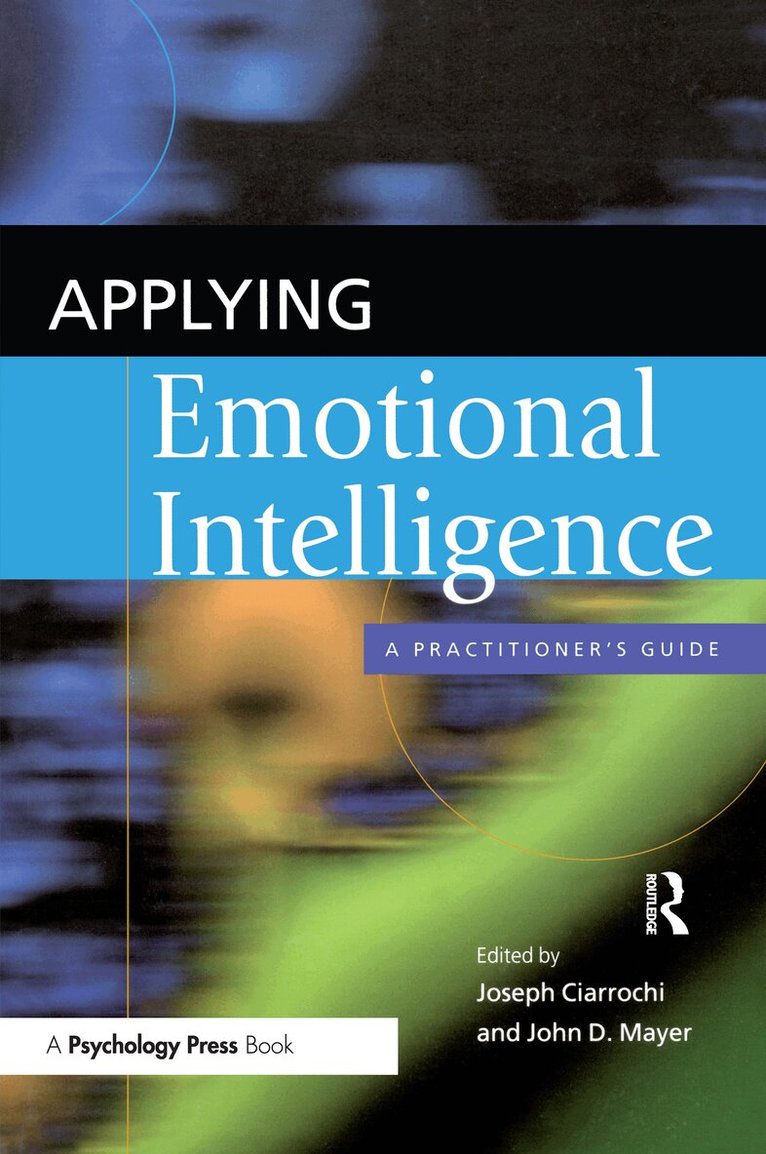
The explosion of research on emotional intelligence (EI) in the past decade has provided increasing evidence that EI can be measured reliably and can be useful in predicting important outcomes, such as managerial effectiveness and relationship quality.Naturally, people are now asking, "So, how does one improve EI?". Applying Emotional Intelligence collects the most important programs focused on that idea, and enquires of their originators, "What do you do?", "Why do you do it?", and, "What is the evidence for your approach?".The emphasis of the book is applied, in that it provides and contrasts concrete examples of what we do in our interventions in a wide variety of situations. The chapters present descriptions of programs, including specific activities and exercises that influence emotional knowledge and social effectiveness more generally. While practical in its focus, this book also discusses the theoretical bases for these approaches.These are new programs with outcomes that are now beginning to be studied. The book presents the most important and recent research findings that examine the efficacy of these programs. Applying Emotional Intelligence is a "must-read" for anyone interested in EI and its application. This book will be of interest to researchers conducting EI intervention research, as well as a wide variety of practitioners, including those interested in developing EI in organizations, health areas, clinical populations, and school-age settings. Finally, the book is designed to be relevant to the reader's own life, encouraging the reader to consider how the programs and the exercises might impact his or her personality and outlook, as well as contribute to the development of those who have themselves participated in the programs.
652 kr
Skickas inom 10-15 vardagar
The explosion of research on emotional intelligence (EI) in the past decade has provided increasing evidence that EI can be measured reliably and can be useful in predicting important outcomes, such as managerial effectiveness and relationship quality.Naturally, people are now asking, "So, how does one improve EI?". Applying Emotional Intelligence collects the most important programs focused on that idea, and enquires of their originators, "What do you do?", "Why do you do it?", and, "What is the evidence for your approach?".The emphasis of the book is applied, in that it provides and contrasts concrete examples of what we do in our interventions in a wide variety of situations. The chapters present descriptions of programs, including specific activities and exercises that influence emotional knowledge and social effectiveness more generally. While practical in its focus, this book also discusses the theoretical bases for these approaches.These are new programs with outcomes that are now beginning to be studied. The book presents the most important and recent research findings that examine the efficacy of these programs. Applying Emotional Intelligence is a "must-read" for anyone interested in EI and its application. This book will be of interest to researchers conducting EI intervention research, as well as a wide variety of practitioners, including those interested in developing EI in organizations, health areas, clinical populations, and school-age settings. Finally, the book is designed to be relevant to the reader's own life, encouraging the reader to consider how the programs and the exercises might impact his or her personality and outlook, as well as contribute to the development of those who have themselves participated in the programs.