John E. Sunder – författare
Visar alla böcker från författaren John E. Sunder. Handla med fri frakt och snabb leverans.
3 produkter
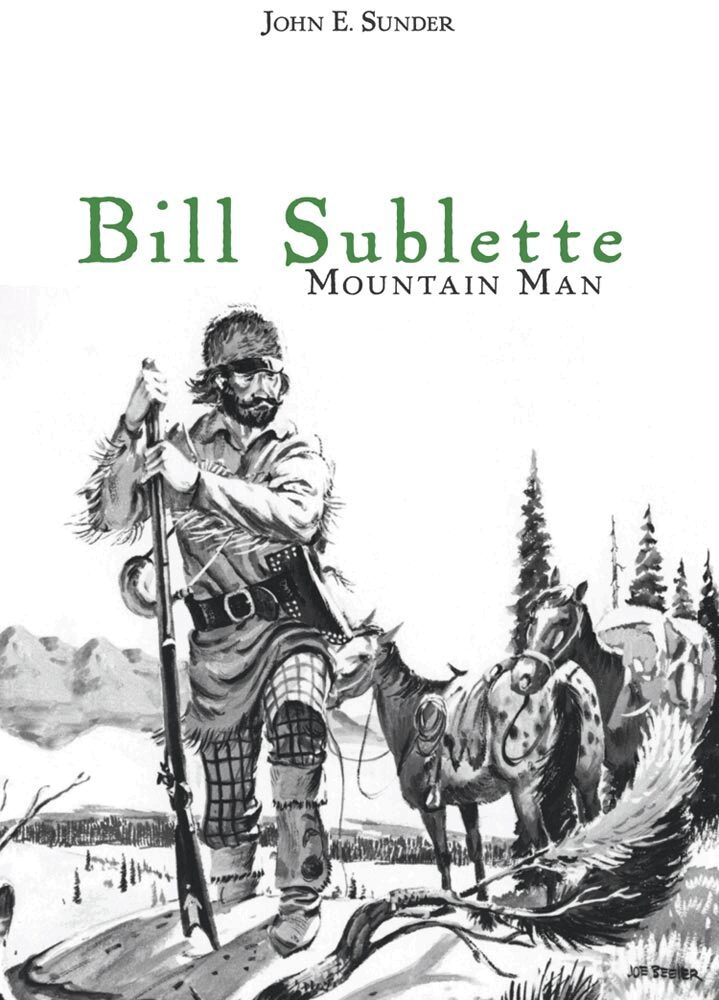
Bill Sublette
Mountain Man
Häftad, 1973
225 kr
Lägg i varukorg
Bill Sublette (1799-1845) led two lives. Renowned as a hardy mountain man, he ranged the Missouri, Big Horn, Yellowstone, and Sweetwater River country between 1823 and 1833 hunting beaver, fighting Indians, and unwittingly opening the West for settlers (he proved that wagons could be used …
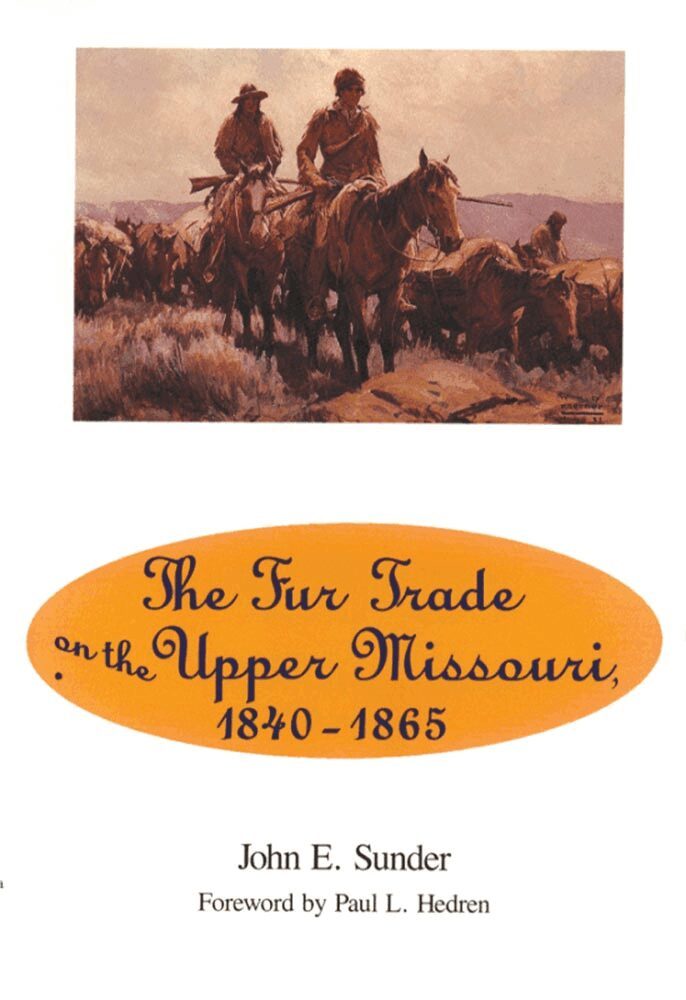
Fur Trade on the Upper Missouri, 1840-1865
Häftad, 1993
284 kr
Lägg i varukorg
By beginning where the standard works leave off and carrying the story up to its logical conclusion in 1865, this book fills a definite void in the history of the fur trade in the American West. Set in the upper Missouri country, which was bypassed by settlement until the 1860s, it focuses …
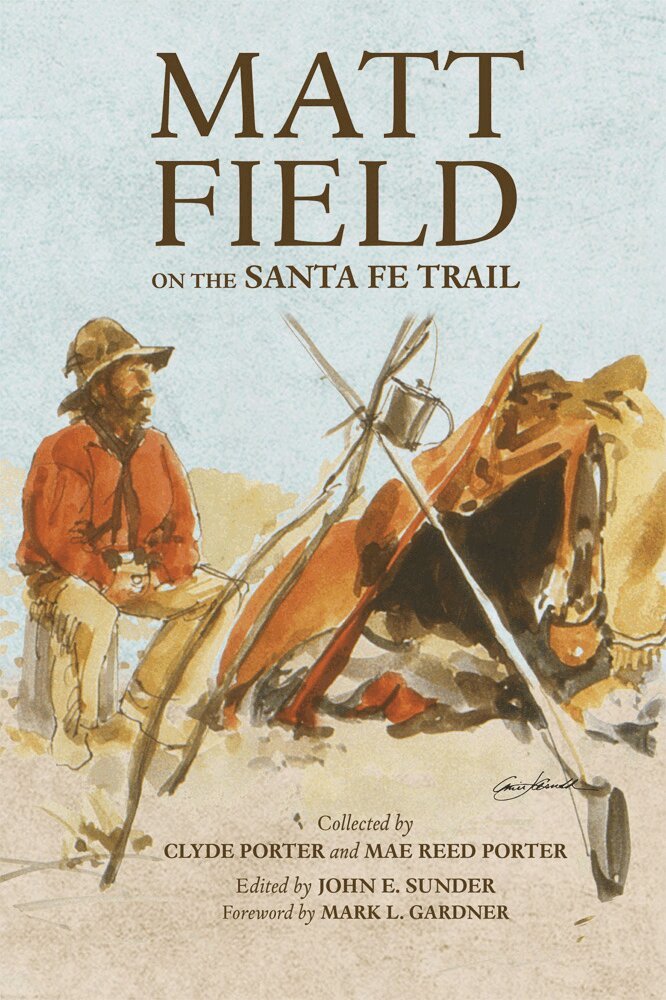
Matt Field on the Santa Fe Trail
Av Matthew C. Field, Clyde Porter m. fl.
Häftad, 1995
263 kr
Lägg i varukorg
In 1839 a journalist for the New Orleans Picayune, Matthew C. Field, joined a company of merchants and tourists headed west on the Santa Fe Trail. Leaving Independence, Missouri, early in July ""with a few wagons and a carefree spirit,"" Field recorded his vivid impressions of travel westward on …