John F. Quinn – författare
Visar alla böcker från författaren John F. Quinn. Handla med fri frakt och snabb leverans.
7 produkter
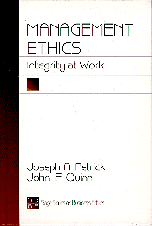
Management Ethics
Integrity at Work
Av Joseph A. Petrick, John F. Quinn
Inbunden, 1997
2882 kr
Lägg i varukorg
Management Ethics: Integrity at Work redefines what it means for a manager to function with integrity in the private and public sectorsùdomestically and globally. It integrates the latest theoretical work in both descriptive and normative ethics, and incorporates legal, communication, quality, and …
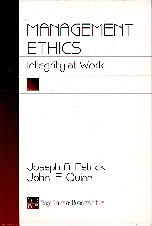
Management Ethics
Integrity at Work
Av Joseph A. Petrick, John F. Quinn
Häftad, 1997
2101 kr
Lägg i varukorg
Management Ethics: Integrity at Work redefines what it means for a manager to function with integrity in the private and public sectorsùdomestically and globally. It integrates the latest theoretical work in both descriptive and normative ethics, and incorporates legal, communication, quality, and …
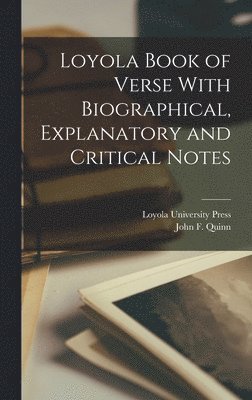
Loyola Book of Verse With Biographical, Explanatory and Critical Notes
Av John F Quinn, Loyola University Press
Inbunden, 2022
459 kr
Lägg i varukorg
Loyola Book of Verse With Biographical, Explanatory and Critical Notes
Av John F Quinn, Loyola University Press
Häftad, 2022
328 kr
Lägg i varukorg
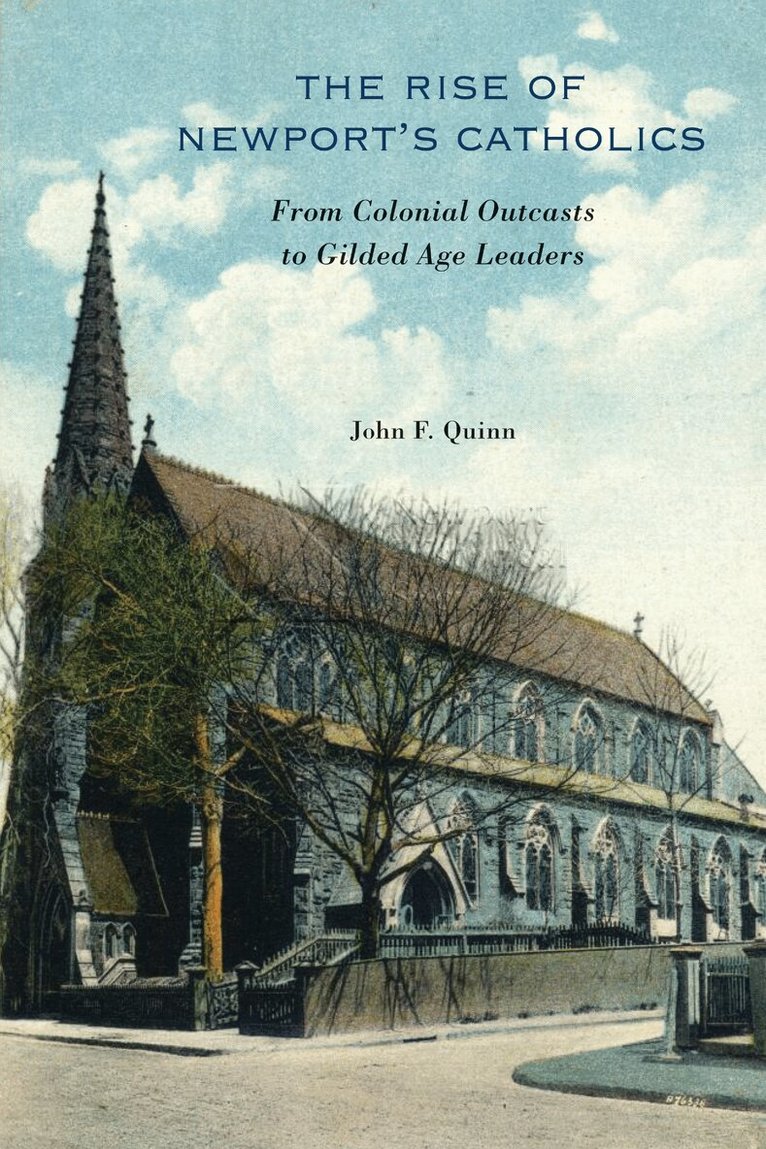
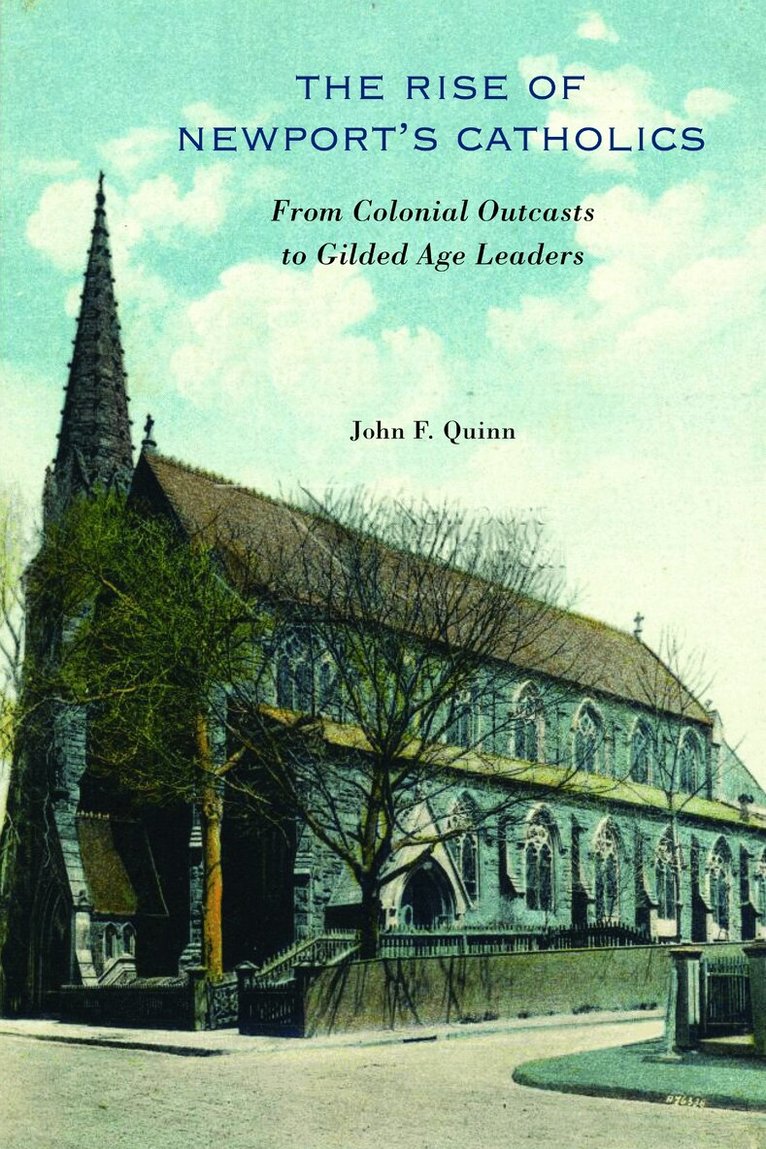
Rise of Newport's Catholics
From Colonial Outcasts to Gilded Age Leaders
Häftad, 2024
358 kr
Lägg i varukorg
Nineteenth-century New England was a hostile place for Catholics. In Massachusetts a mob torched a convent; in Maine a priest was tarred and feathered; and Rhode Island elected an anti-Catholic Know Nothing governor. “No Irish Need Apply” signs were common. Newport was different. It was a …
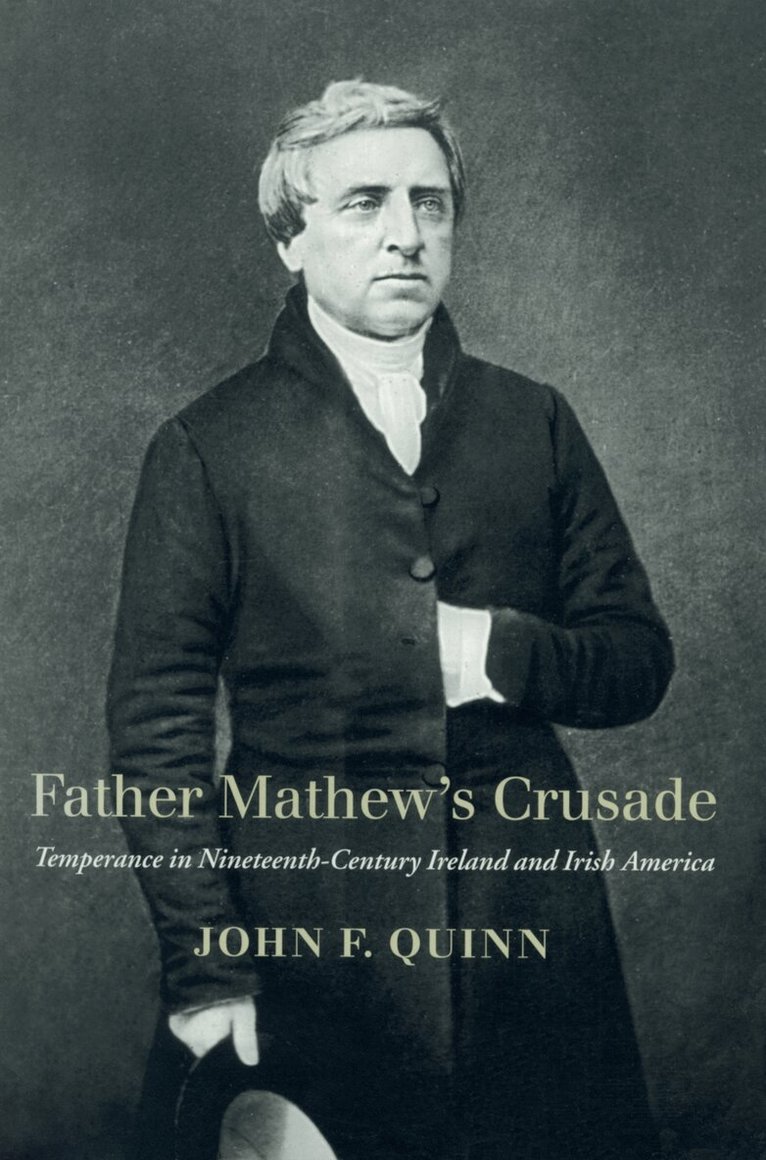
Father Mathew's Crusade
Temperance in Nineteenth-century Ireland and Irish America
Häftad, 2002
368 kr
Tillfälligt slut
A chronicle of the mercurial rise, fall and revival of the Irish temperance movement. It examines how a popular Franciscan friar, Father Theobald Mathew, was almost single-handedly responsible for the transformation of Ireland into a temperance stronghold in the 1830s and 40s.
Rise of Newport's Catholics
From Colonial Outcasts to Gilded Age Leaders
Inbunden, 2024
1116 kr
Tillfälligt slut
Nineteenth-century New England was a hostile place for Catholics. In Massachusetts a mob torched a convent; in Maine a priest was tarred and feathered; and Rhode Island elected an anti-Catholic Know Nothing governor. “No Irish Need Apply” signs were common. Newport was different. It was a …