John F. Wasik – författare
322 kr
Läs direkt efter köp
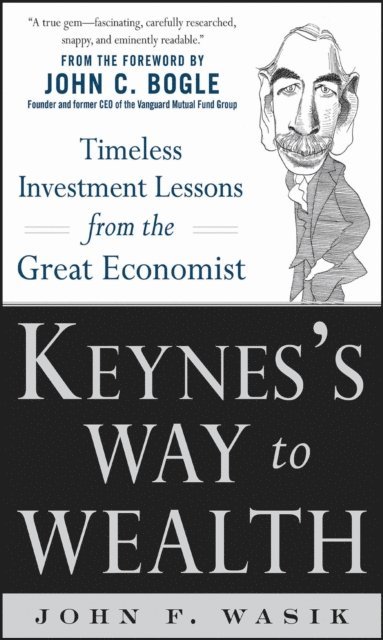
“Mr. Wasik’s distillation of how Keynes made--and then remade--his fortune is instructive. And the principles that Keynes followed have stood the test of time. As Mr. Wasik adds, ''The object of investing is to ensure prosperity, not to become obsessed with making money.''"The New York Times
John Maynard Keynes indelibly made his mark on global economics...
Few people know, however, that he was also a daring, steel-nerved investor who built a multimilliondollar fortune in the stock market while providing financial counsel to the likes of Winston Churchill and FDR. Now, you can learn from--and imitate--Keynes''s success by examining the story of his lifeand investment strategies, masterfully told by awardwinning author John F. Wasik.
As you follow Keynes from his early years with the Bloomsbury Group, through two world wars and the Great Depression Keynes''s theories and practices come to life by way of the historic and personal events that shaped them. Like today''s investors, Keynes faced markets roiled by panic, inflation, deflation, widespread unemployment, and war--and he developed a core set of principles to prosper in every climate. With the individual investor in mind, this straightforward guide makes it easy for investors at all levels to implement the action-oriented strategies presented in each of the 10 chapters and start investing like Keynes today by:
Buying and holding quality stocksIgnoring short-term newsBuilding diversified portfoliosTrading contrary to market momentumGetting the most out of dividend stocksUsing the eloquent insight of a seasoned investment writer, author John F. Wasik digs down into what investments Keynes owned, how he bought and sold them, how his theories guided his investments, and vice versa. He illustrates why Keynes''s ideas, insights, and portfolio strategies have withstood the test of time, and how they will continue to produce financial gains for dedicated investors. In a nutshell, Wasik delivers a pragmatic guide to the style of portfolio management practiced by such Keynes followers as Benjamin Graham, Warren Buffett, and Charles Munger.
The smart money gets richer in all types of weather, and so can you by following Keynes''s Way to Wealth.
PRAISE FOR KEYNES''S WAY TO WEALTH:
"Intelligent investing ultimately depends on having an intelligent theory of the economy. This story of Keynes''s life as an investor illustrates this beautifully." -- Robert Shiller, professor of Economics, Yale University; New York Times columnist; and author of Finance and the Good Society
"The great economist John Maynard Keynes speculated and lost big-time. Out of the ashes, he evolved some great long-term investment strategies that will work for every prudent investor. While picking up tips, you''ll also find that this book is a great read." -- Jane Bryant Quinn, author of Making the Most of Your Money NOW
"I''d always heard Keynes was a talented investor but never knew any of the details. John Wasik''s excellent book uncovers that story and reveals Keynes''s considerable investing skills. If you enjoy studying great investors, add this book to your list." -- Joe Mansueto, founder and CEO, Morningstar, Inc.
"With the possible exception of Mark Twain, no one surpasses John Maynard Keynes as a source of pithy financial wisdom and sayings. Keynes’s Way to Wealth mines the reasoning and investment experiences behind his quotability, a bounty that will simultaneously edify, entertain, and augment your bottom line." -- William J. Bernstein, author and principal, Efficient Frontier Advisors
213 kr
Skickas inom 5-8 vardagar
143 kr
Läs direkt efter köp
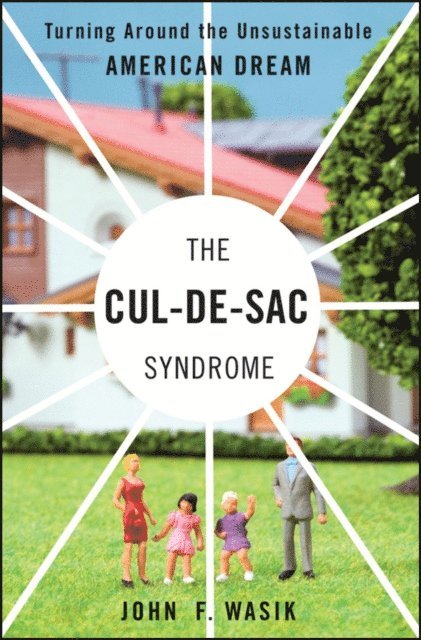
In The Cul-de-Sac Syndrome, Bloomberg News'' John Wasik exposes the economic, cultural, environmental, and health problems underlying life in suburbia. Wasik provides powerful insights into how the U.S. suburban lifestyle has become unsustainable and what can be done to salvage it. His observations are firmly grounded in exclusive on-the-ground research, interviews with thought leaders, and the latest studies and statistics. The book
Exposes the untold truths about suburban home ownership: green isn''t always so green, life isn''t cheaper after accounting for gas, water, and taxes, and modern suburban living isn''t so idyllic considering the toll it takes on our health Includes exclusive research and analysis by experts in the field that debunks the many myths associated with suburban living Explores innovative solutions being developed in cities across the countryThe American Dream of moving further from a city to buy a bigger house and find better schools has become a costly nightmare. The Cul-de-Sac Syndrome examines why and what can be done.
159 kr
Läs direkt efter köp
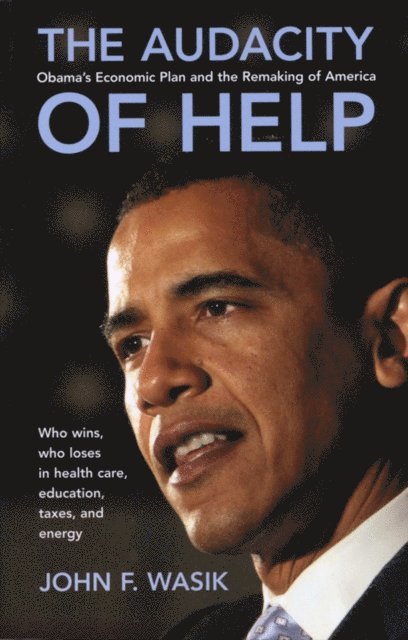
The Audacity of Help unrolls the blueprints and offers insights on how the economic stimulus package—as passed by Congress and signed into law by President Obama—will affect healthcare, education, the environment, energy, taxes, and more. The book includes analysis of sectors and industries that will benefit, as well as those that will not. Wasik''s conclusions are firmly grounded in a comprehensive and enlightening evaluation of the final economic package passed into law. Extensive study and interviews with experts from each economic sector support his analysis.
143 kr
Läs direkt efter köp
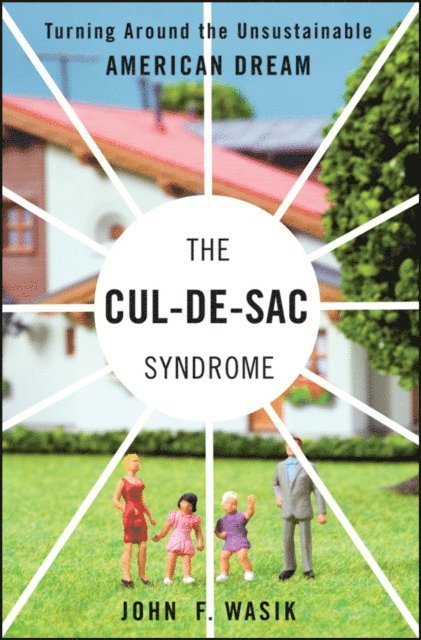
In The Cul-de-Sac Syndrome, Bloomberg News'' John Wasik exposes the economic, cultural, environmental, and health problems underlying life in suburbia. Wasik provides powerful insights into how the U.S. suburban lifestyle has become unsustainable and what can be done to salvage it. His observations are firmly grounded in exclusive on-the-ground research, interviews with thought leaders, and the latest studies and statistics. The book
Exposes the untold truths about suburban home ownership: green isn''t always so green, life isn''t cheaper after accounting for gas, water, and taxes, and modern suburban living isn''t so idyllic considering the toll it takes on our health Includes exclusive research and analysis by experts in the field that debunks the many myths associated with suburban living Explores innovative solutions being developed in cities across the countryThe American Dream of moving further from a city to buy a bigger house and find better schools has become a costly nightmare. The Cul-de-Sac Syndrome examines why and what can be done.
159 kr
Läs direkt efter köp
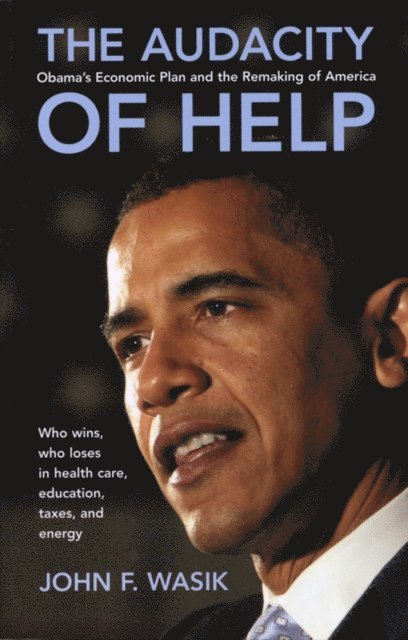
The Audacity of Help unrolls the blueprints and offers insights on how the economic stimulus package—as passed by Congress and signed into law by President Obama—will affect healthcare, education, the environment, energy, taxes, and more. The book includes analysis of sectors and industries that will benefit, as well as those that will not. Wasik''s conclusions are firmly grounded in a comprehensive and enlightening evaluation of the final economic package passed into law. Extensive study and interviews with experts from each economic sector support his analysis.
507 kr
Skickas inom 10-15 vardagar
546 kr
Läs direkt efter köp
Cul-de-Sac Syndrome
Turning Around the Unsustainable American Dream
187 kr
Skickas inom 5-8 vardagar
Audacity of Help
Obama's Stimulus Plan and the Remaking of America
134 kr
Skickas inom 5-8 vardagar
151 kr
Läs direkt efter köp
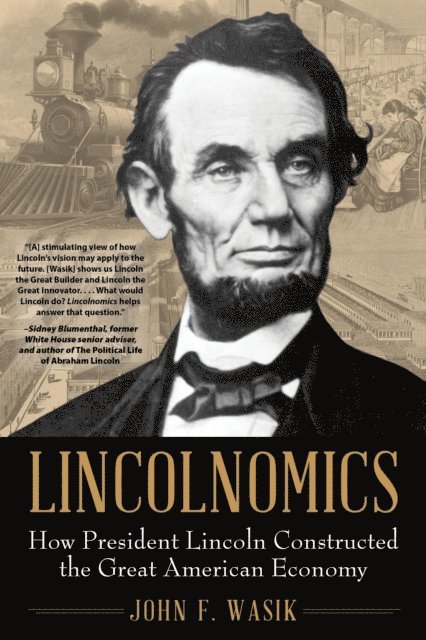
A biography of Abraham Lincoln that examines his untold legacy as the Great Builder of American infrastructure. Abraham Lincoln’s view of the right to fulfill one’s economic destiny was at the core of his governing philosophy―but he knew no one could climb that ladder without strong federal support. Some of his most enduring policies came to him before the Civil War, visions of a country linked by railroads running ocean to ocean, canals turning small towns into bustling cities, public works bridging farmers to market. Expertly appraising the foundational ideas and policies on infrastructure that America’s sixteenth president rooted in society, John F. Wasik tracks Lincoln from his time in the 1830s as a young Illinois state legislator pushing internal improvements; through his work as a lawyer representing the Illinois Central Railroad in the 1840s; to his presidential fight for the Transcontinental Railroad; and his support of land-grant colleges that educated a nation. To Lincoln, infrastructure meant more than the roads, bridges, and canals he shepherded as a lawyer and a public servant. These brick-and-mortar developments were essential to a nation’s lifting citizens above poverty and its isolating origins. Lincolnomics revives the disremembered history of how Lincoln paved the way for Eisenhower’s interstate highways and FDR’s social amenities. With an afterword addressing the failure of American infrastructure during the COVID-19 pandemic, and how Lincoln’s policies provide a guide to the future, Lincolnomics makes the case for the man nicknamed “The Rail Splitter” as the Presidency’s greatest builder. “In this unique blend of biography and policy prescription, journalist Wasik . . . casts Abraham Lincoln as America’s “foremost moral architect of economic and social opportunity” and looks to his life and political career for lessons in how the nation might rebuild its infrastructure and redress income inequality. . . . Wasik convincingly argues that [Lincoln’s] economic policies deserve more credit.” —Publishers Weekly “While revealing as history, Wasik’s account about the first Republican President’s launches of infrastructure shame the ignorant, obstinate, narcissist Republicans of today who wish instead to build up tyrant Trump’s political infrastructure. This is a book to be read and used today.” —Ralph Nader “Wasik invented a new word for this book because his theme bears new force: Abraham Lincoln sought a better-built nation and a freer legal space to help every individual, regardless of background, to aspire and rise. Most historians know this too vaguely about Lincoln; Wasik finally gives the great democratic idea the prominence it deserves.” —James M. Cornelius, Ph.D., editor, Journal of the Abraham Lincoln Association
546 kr
Läs direkt efter köp