John F. Weeks – författare
Visar alla böcker från författaren John F. Weeks. Handla med fri frakt och snabb leverans.
6 produkter
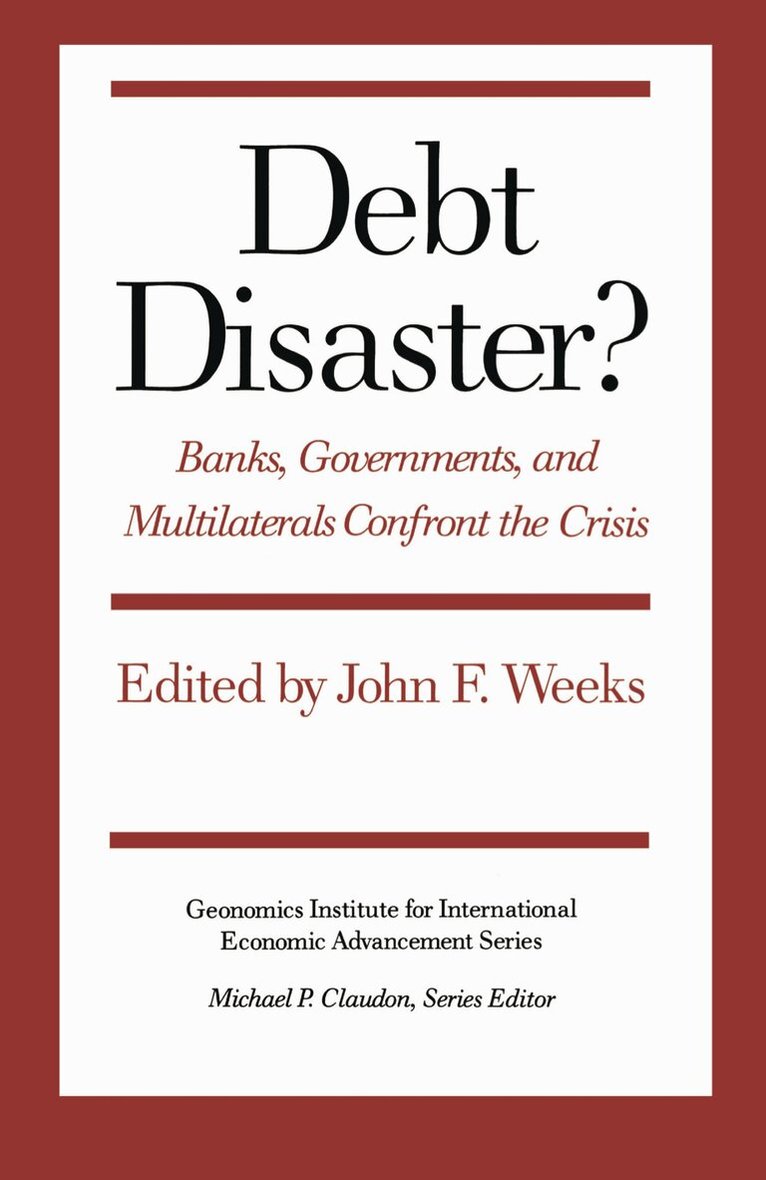
Debt Disaster?
Banks, Government and Multilaterals Confront the Crisis
Inbunden, 1989
1526 kr
Lägg i varukorg
Written for the nontechnical reader and intended to intervene in the policy debate, Debt Disaster? offers informative analysis, controversial assessments, and concrete solutions to bring a close the bleakest period for the Third World since the end of World War II. Out of this volume comes a clear …
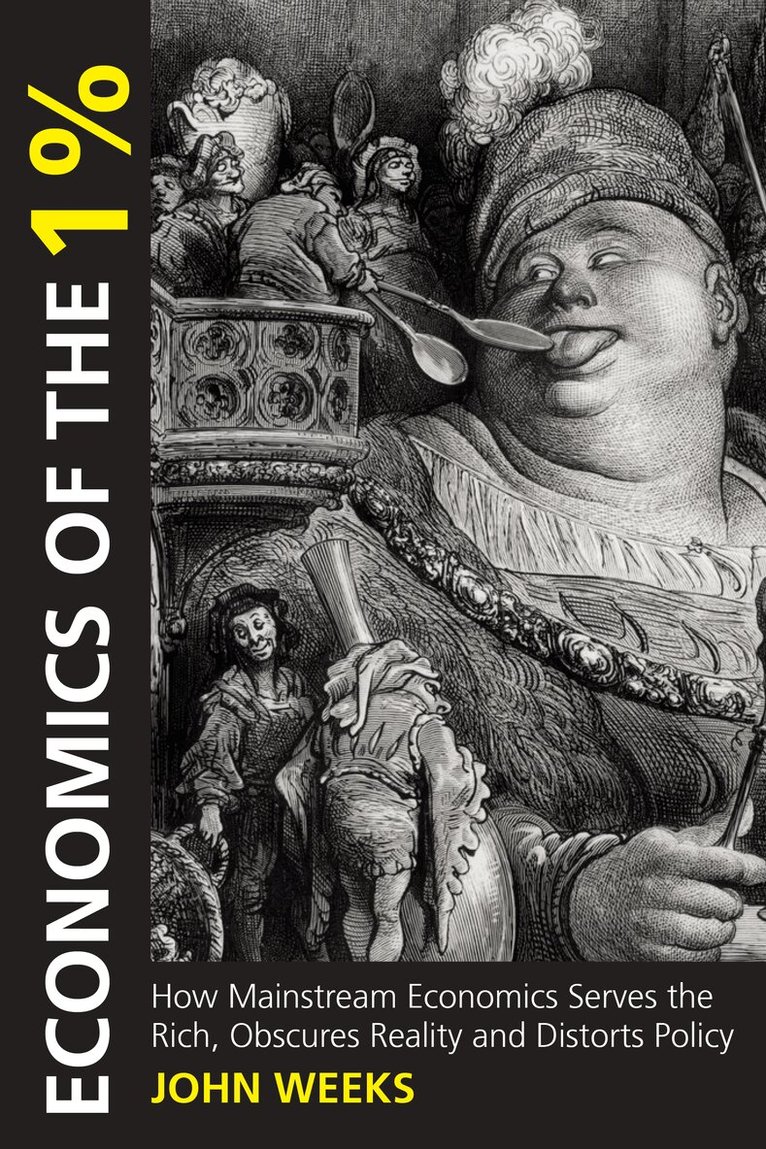
Economics of the 1%
Häftad, 2014
250 kr
Lägg i varukorg
How much do economists really know? In most cases, they claim to have profound knowledge but in fact understand little and obscure almost everything. Most people are convinced that economics should be left to the ‘experts’, when they themselves are perfectly capable of understanding it. This book …
Economics of the 1%
E-bok, 2014
203 kr
Lägg i varukorg
How much do economists really know? In most cases, they claim to have profound knowledge but in fact understand little and obscure almost everything. Most people are convinced that economics should be left to the ‘experts’, when they themselves are perfectly capable of understanding it. This book …
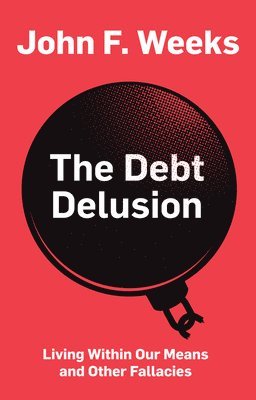
Debt Delusion
Living Within Our Means and Other Fallacies
Inbunden, 2019
728 kr
Lägg i varukorg
‘Governments should spend no more than their tax income.’ Most people in Europe and North America accept this statement as simple common sense. It resonates with the deeply engrained economic metaphors that dominate public discourse, from ‘living within your means’ to ‘balancing the budget’ – all …
Debt Delusion
Living Within Our Means and Other Fallacies
Häftad, 2019
223 kr
Lägg i varukorg
‘Governments should spend no more than their tax income.’ Most people in Europe and North America accept this statement as simple common sense. It resonates with the deeply engrained economic metaphors that dominate public discourse, from ‘living within your means’ to ‘balancing the budget’ – all …
Debt Delusion
Living Within Our Means and Other Fallacies
E-bok, 2020
252 kr
Lägg i varukorg
‘Governments should spend no more than their tax income.’ Most people in Europe and North America accept this statement as simple common sense. It resonates with the deeply engrained economic metaphors that dominate public discourse, from ‘living within your means’ to ‘balancing the budget’ – all …