Häftad, Engelska, 2015
723 kr
Skickas inom 10-15 vardagar
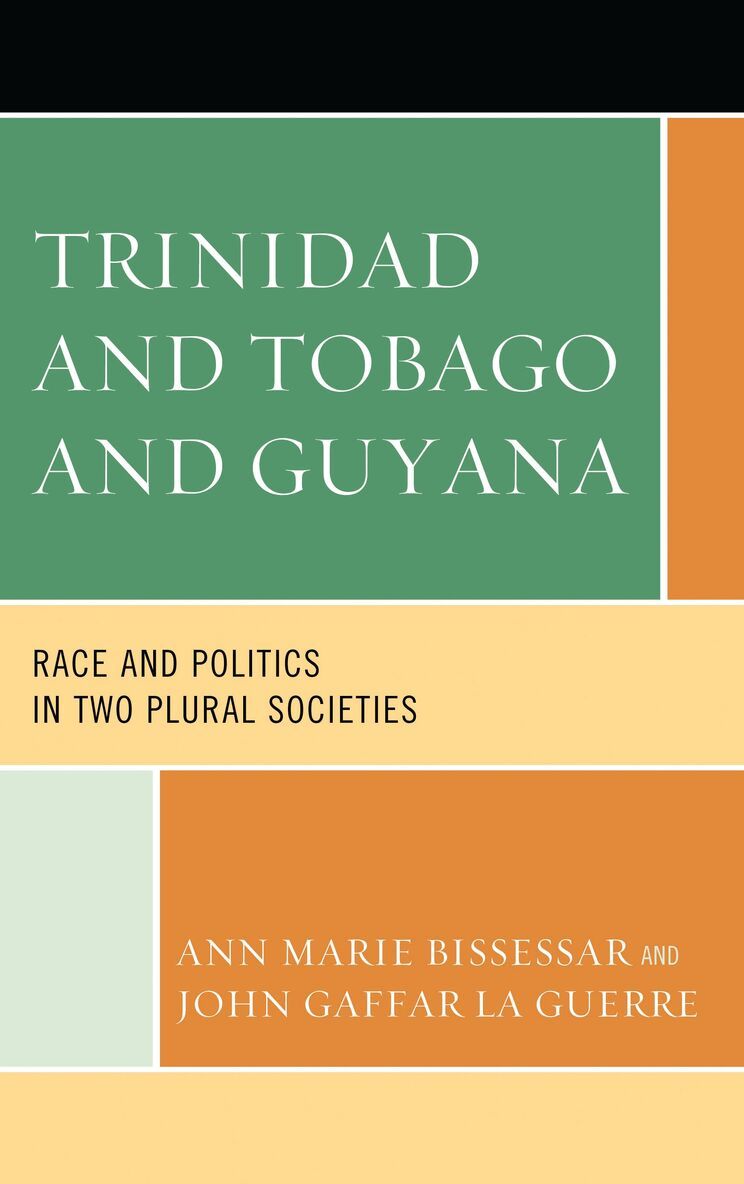
In this book an attempt is made to probe more carefully the processes by which social and ethnic problems, as these pertain to Caribbean countries, Trinidad and Tobago and Guyana, are conveyed to the political arena and the mechanisms by which they determine critical outcomes. The authors of this book have accordingly distinguished between predisposing factors and what are described as triggering mechanisms. The factors that trigger dramatic changes will differ between Guyana and Trinidad and Tobago. In short, while in some respects these societies are similar, in others, there are dramatic differences in their respective histories and political developments.This study begins with a survey of the literature on race relations and their connections with politics; it then proceeds to examine the context for the insertion of the two major groups into these societies, the emergence of ethnic groups, and their relationships with political organizations. The nature and politics of the leaders are then analyzed along with the political structures with a view to identifying what factors were responsible for the differing political experiences of both countries.