John Ghazvinian – författare
Visar alla böcker från författaren John Ghazvinian. Handla med fri frakt och snabb leverans.
11 produkter
11 produkter
Häftad, Engelska, 2008
329 kr
Skickas inom 3-6 vardagar
Häftad, Engelska, 2021
243 kr
Skickas
E-bok
Engelska, 202174 kr
Läs direkt efter köp
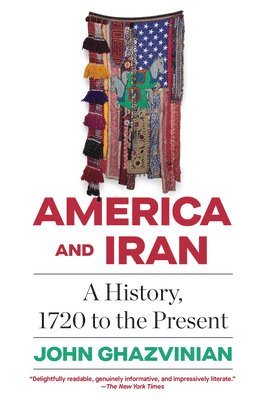
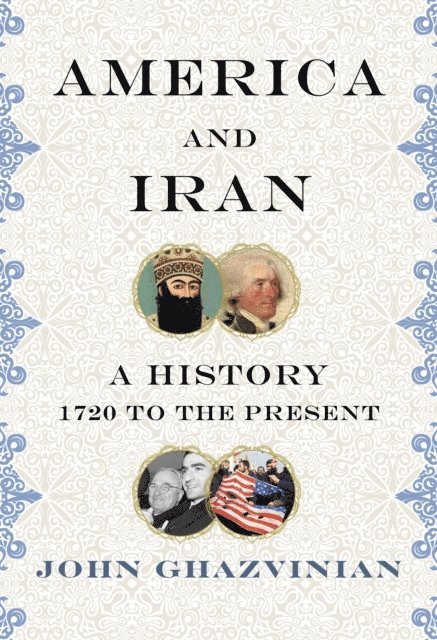
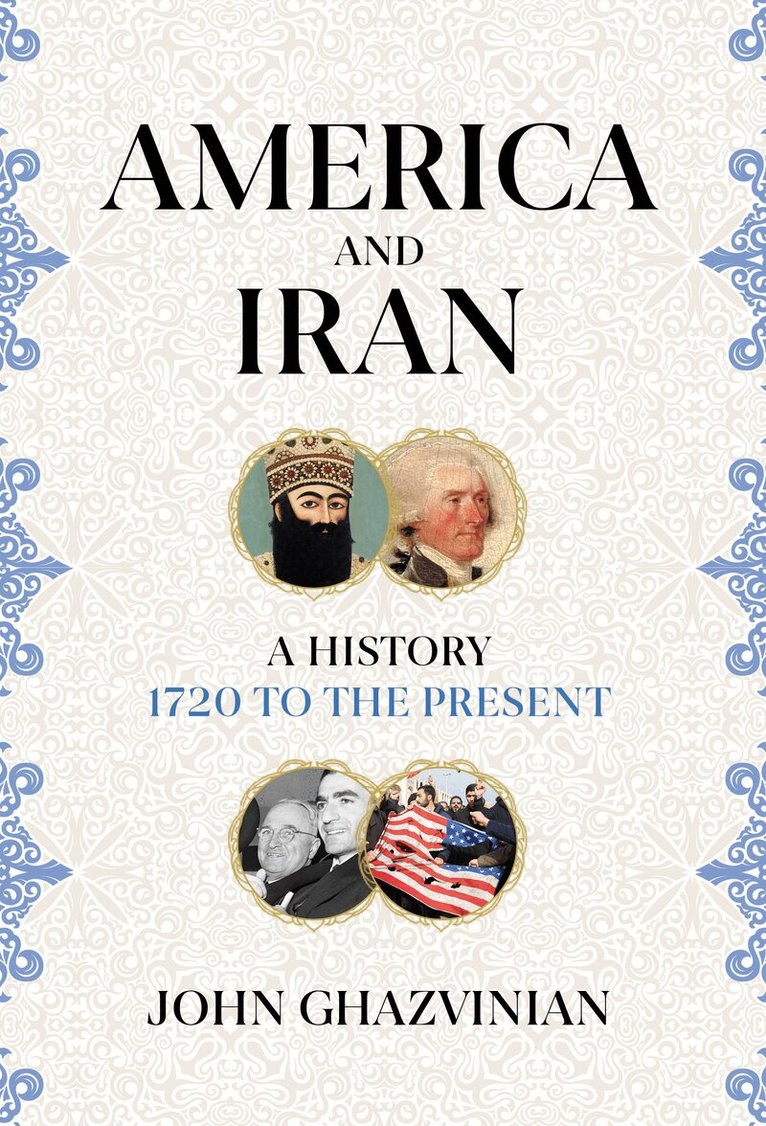
An important, urgently needed book--a hugely ambitious, illuminating portrait of the two-century long entwined history of Iran and America, the first book to examine in all its aspects, the rich and fraught relations between these two powers, once allies, now adversaries. By admired historian, author of Untapped: The Scramble for Africa''s Oil ("he would do Graham Greene proud" --Kirkus Reviews).In this rich, fascinating history, John Ghazvinian traces the complex story of the relations of these two powers back to the eighteenth-century''s Persian Empire, the subject of great admiration of Thomas Jefferson and John Quincy Adams and for the Iranians, an America seen as an ideal to emulate for its own government.Drawing on years of archival research both in the US and Iran--including access to Iranian government archives rarely available to western scholars--the Iranian-born, Oxford-educated historian leads us through the four seasons of US-Iran relations: the ''spring'' of mutual fascination; the ''summer'' of early interactions; the ''autumn'' of close strategic ties; and the long, dark ''winter'' of mutual hatred.Ghazvinian, with grasp and a storyteller''s ability, makes clear where, how, and when it all went wrong. And shows why two countries that once had such heartfelt admiration for each other became such committed enemies; showing us, as well, how it didn''t have to turn out this way.
E-bok
Engelska, 2008129 kr
Läs direkt efter köp
Although Africa has long been known to be rich in oil, extracting it hadn’t seemed worth the effort and risk until recently. But with the price of Middle Eastern crude oil skyrocketing and advancing technology making reserves easier to tap, the region has become the scene of a competition between major powers that recalls the nineteenth-century scramble for colonization there. But what does this giddy new oil boom mean—for America, for the world, for Africans themselves? John Ghazvinian traveled through twelve African countries—from Sudan to Congo to Angola—talking to warlords, industry executives, bandits, activists, priests, missionaries, oil-rig workers, scientists, and ordinary people whose lives have been transformed—not necessarily for the better—by the riches beneath their feet. The result is a high-octane narrative that reveals the challenges, obstacles, reasons for despair, and reasons for hope emerging from the world’s newest energy hot spot.
Inbunden, Engelska, 2020
1 534 kr
Skickas inom 10-15 vardagar
American and Muslim Worlds before 1900 challenges the prevailing assumption that when we talk about "American and Muslim worlds", we are talking about two conflicting entities that came into contact with each other in the 20th century. Instead, this book shows there is a long and deep seam of history between the two which provides an important context for contemporary events -- and is also important in its own right.Some of the earliest American Muslims were the African slaves working in the plantations of the Carolinas and Latin America. Thomas Jefferson, a slaveholder himself, was frequently called an "infidel" and suspected of hidden Muslim sympathies by his opponents. Whether it was the sale of American commodities in Central Asia, Ottoman consuls in Washington, orientalist themes in American fiction, the uprisings of enslaved Muslims in Brazil, or the travels of American missionaries in the Middle East, there was no shortage of opportunities for Muslims and inhabitants of the Americas to meet, interact and shape one another from an early period.
E-bok
PDF, Engelska, 2020482 kr
Läs direkt efter köp
American and Muslim Worlds before 1900 challenges the prevailing assumption that when we talk about "American and Muslim worlds", we are talking about two conflicting entities that came into contact with each other in the 20th century. Instead, this book shows there is a long and deep seam of history between the two which provides an important context for contemporary events -- and is also important in its own right. Some of the earliest American Muslims were the African slaves working in the plantations of the Carolinas and Latin America. Thomas Jefferson, a slaveholder himself, was frequently called an "infidel" and suspected of hidden Muslim sympathies by his opponents. Whether it was the sale of American commodities in Central Asia, Ottoman consuls in Washington, orientalist themes in American fiction, the uprisings of enslaved Muslims in Brazil, or the travels of American missionaries in the Middle East, there was no shortage of opportunities for Muslims and inhabitants of the Americas to meet, interact and shape one another from an early period.
E-bok
Engelska, 2020500 kr
Läs direkt efter köp
American and Muslim Worlds before 1900 challenges the prevailing assumption that when we talk about "American and Muslim worlds", we are talking about two conflicting entities that came into contact with each other in the 20th century. Instead, this book shows there is a long and deep seam of history between the two which provides an important context for contemporary events -- and is also important in its own right. Some of the earliest American Muslims were the African slaves working in the plantations of the Carolinas and Latin America. Thomas Jefferson, a slaveholder himself, was frequently called an "infidel" and suspected of hidden Muslim sympathies by his opponents. Whether it was the sale of American commodities in Central Asia, Ottoman consuls in Washington, orientalist themes in American fiction, the uprisings of enslaved Muslims in Brazil, or the travels of American missionaries in the Middle East, there was no shortage of opportunities for Muslims and inhabitants of the Americas to meet, interact and shape one another from an early period.
Häftad, Engelska, 2021
465 kr
Skickas inom 10-15 vardagar
American and Muslim Worlds before 1900 challenges the prevailing assumption that when we talk about "American and Muslim worlds", we are talking about two conflicting entities that came into contact with each other in the 20th century. Instead, this book shows there is a long and deep seam of history between the two which provides an important context for contemporary events -- and is also important in its own right.Some of the earliest American Muslims were the African slaves working in the plantations of the Carolinas and Latin America. Thomas Jefferson, a slaveholder himself, was frequently called an "infidel" and suspected of hidden Muslim sympathies by his opponents. Whether it was the sale of American commodities in Central Asia, Ottoman consuls in Washington, orientalist themes in American fiction, the uprisings of enslaved Muslims in Brazil, or the travels of American missionaries in the Middle East, there was no shortage of opportunities for Muslims and inhabitants of the Americas to meet, interact and shape one another from an early period.
Inbunden, Engelska, 2020
364 kr
Skickas
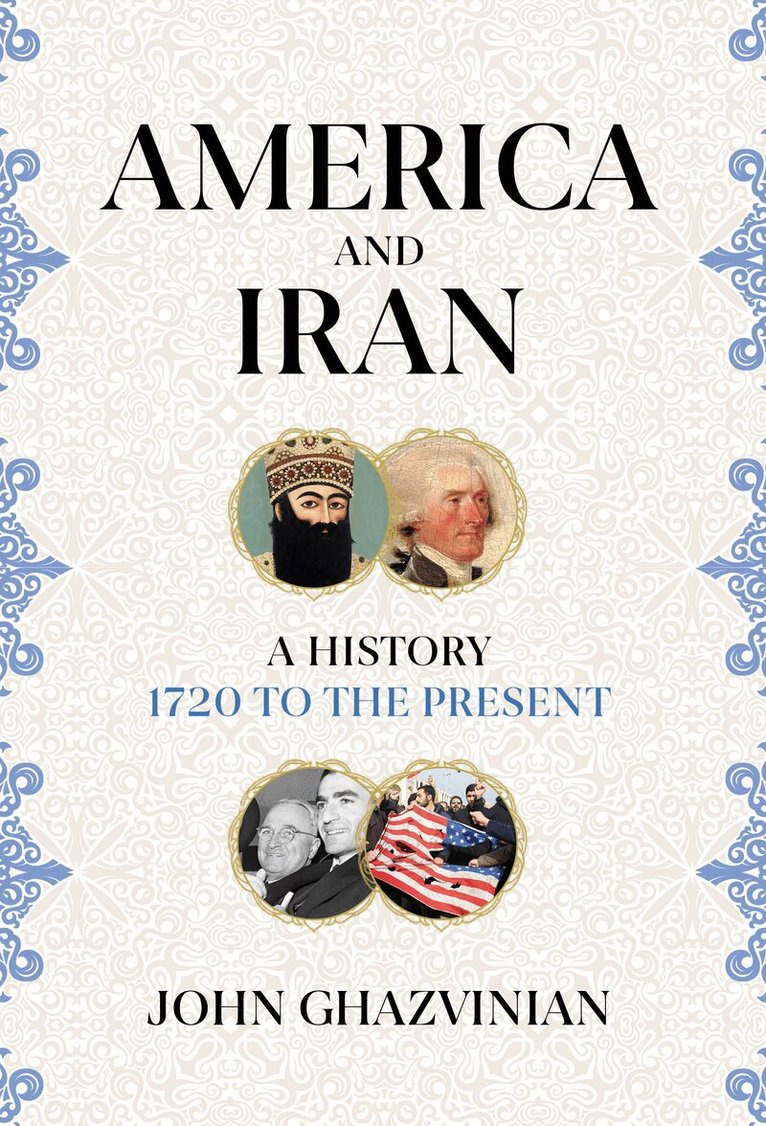
Selected as one of the 100 Notable Books of the Year by the New York TimesIn recent times, the United States and Iran have seemed closer to war than peace, but that is not where their story began. When America was in its infancy, Thomas Jefferson and John Quincy Adams turned to the history of the Persian Empire as they looked for guidance on how to run their new country. And in the following century, Iranian newspapers heralded America as an ideal that their own government might someday emulate. How, then, did the two nations become the adversaries that they are today?In this rich, fascinating history, John Ghazvinian traces the complex story of America and Iran over three centuries. Drawing on years of research conducted in both countries – including access to Iranian government archives rarely available to Western scholars – he leads us through the four seasons of US-Iranian relations: from the spring of mutual fascination, where Iran, sick of duplicitous Britain and Russia interfering in its affairs, sought a relationship with the United States, to the long, dark winter of hatred that we are yet to see end. A revealing account, America and Iran lays bare when, where and how it all went wrong – and why it didn’t have to be this way.
E-bok
Engelska, 2020241 kr
Läs direkt efter köp
Selected as one of the 100 Notable Books of the Year by the New York TimesIn recent times, the United States and Iran have seemed closer to war than peace, but that is not where their story began. When America was in its infancy, Thomas Jefferson and John Quincy Adams turned to the history of the Persian Empire as they looked for guidance on how to run their new country. And in the following century, Iranian newspapers heralded America as an ideal that their own government might someday emulate. How, then, did the two nations become the adversaries that they are today?In this rich, fascinating history, John Ghazvinian traces the complex story of America and Iran over three centuries. Drawing on years of research conducted in both countries – including access to Iranian government archives rarely available to Western scholars – he leads us through the four seasons of US-Iranian relations: from the spring of mutual fascination, where Iran, sick of duplicitous Britain and Russia interfering in its affairs, sought a relationship with the United States, to the long, dark winter of hatred that we are yet to see end. A revealing account, America and Iran lays bare when, where and how it all went wrong – and why it didn’t have to be this way.
Häftad, Engelska, 2026
640 kr
Skickas inom 5-8 vardagar