John Hanson Mitchell – författare
Visar alla böcker från författaren John Hanson Mitchell. Handla med fri frakt och snabb leverans.
20 produkter
Travels in a Vanishing Empire
China 1915 to 1918: The Journals of James Archibald Mitchell
Av James Archibald Mitchell, John Hanson Mitchell m. fl.
Inbunden, 2017
254 kr
Lägg i varukorg
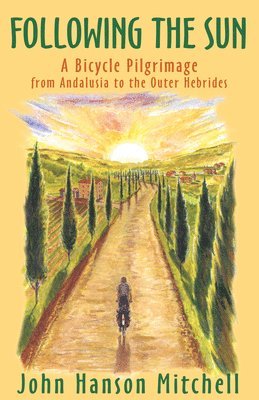
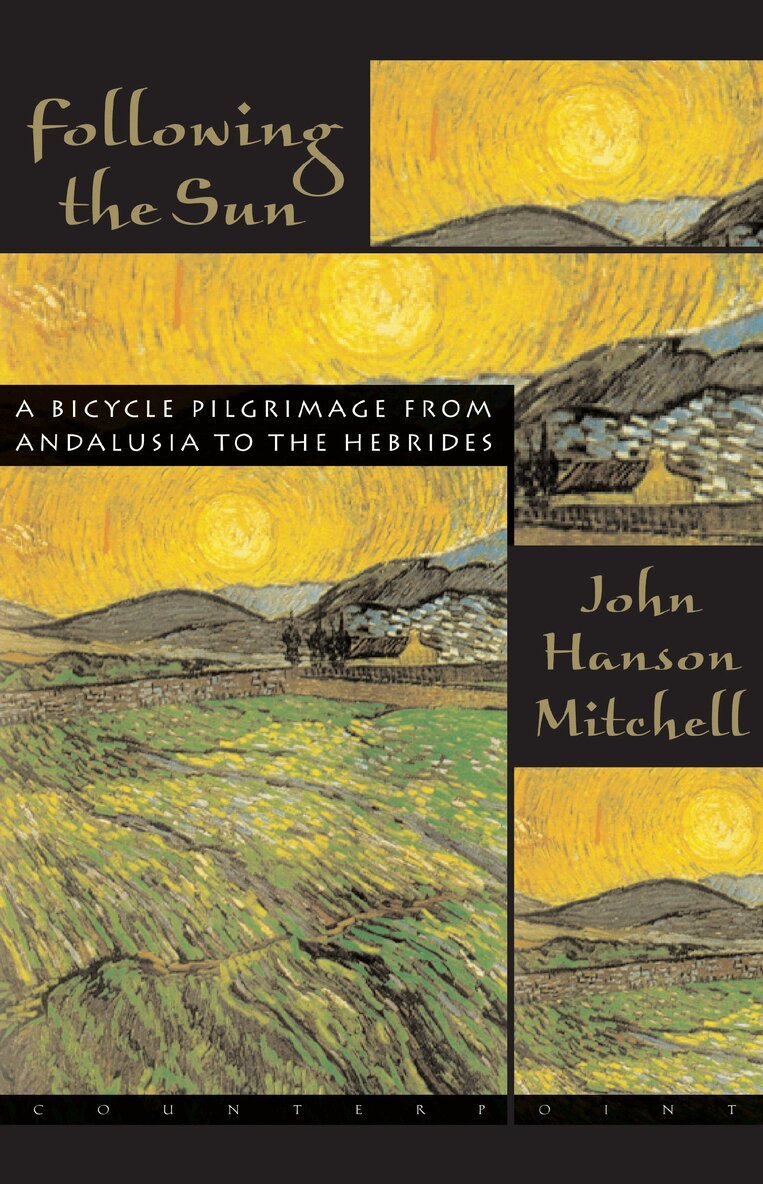
Following the Sun
A Bicycle Pilgrimage from Andalusia to the Outer Hebrides
Häftad, 2015
164 kr
Lägg i varukorg
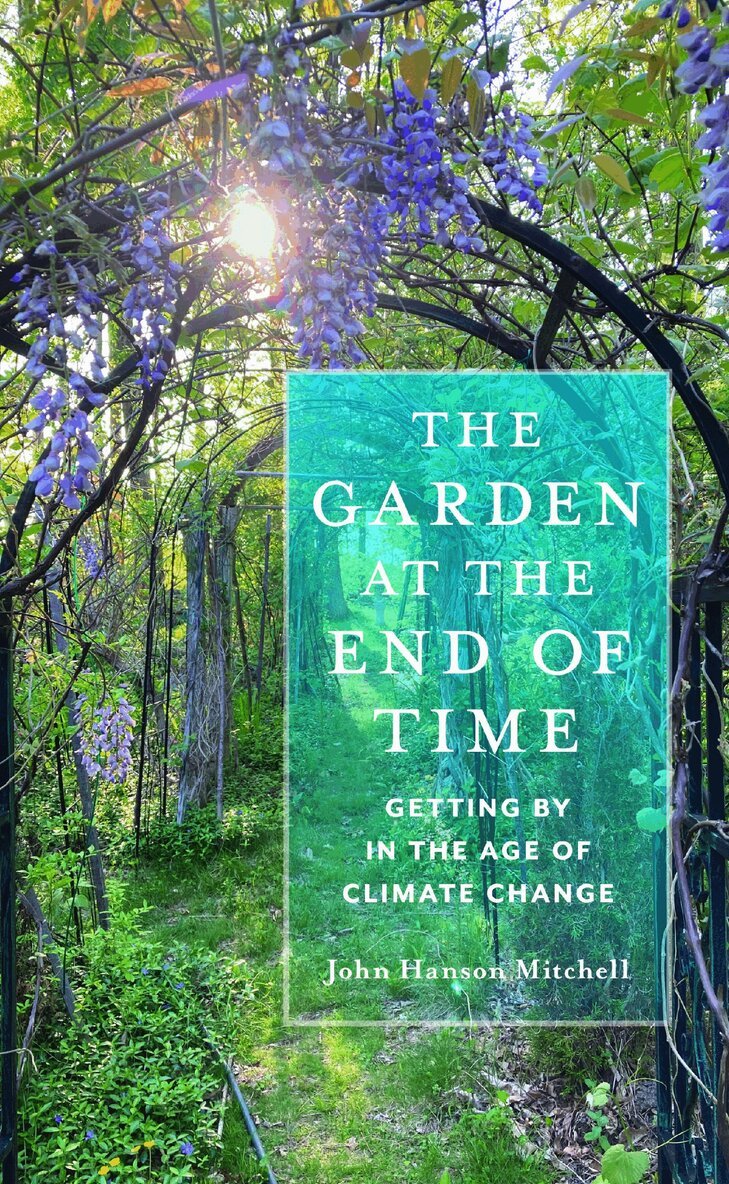
Garden at the End of Time
Getting by in the Age of Climate Change
Häftad, 2025
289 kr
Lägg i varukorg
John Hanson Mitchell has long written about his garden outside of Boston, and about the plants and animals with whom he shares this land. In 2022, the United Nations and others started reporting the true severity of the climate crisis as the Earth passed a point of no return. All across the globe …
Garden at the End of Time
Getting by in the Age of Climate Change
Inbunden, 2025
1180 kr
Lägg i varukorg
John Hanson Mitchell has long written about his garden outside of Boston, and about the plants and animals with whom he shares this land. In 2022, the United Nations and others started reporting the true severity of the climate crisis as the Earth passed a point of no return. All across the globe …
Gleanings from a Wild Garden
Excerpts, Essays, and Works in Progress
Häftad, 2026
189 kr
Lägg i varukorg
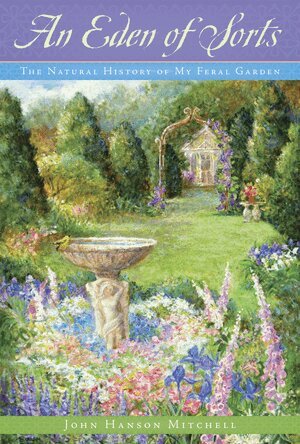
Eden of Sorts
The Natural History of My Feral Garden
Inbunden, 2013
231 kr
Tillfälligt slut
Twenty-five years ago Mitchell cut down a 1 1/2-acre stand of 75-year-old white pines and planted a garden in their place. AN EDEN OF SORTS is a history of the plants and animals that lived on the tract over the next decades, including two generations of half-wild children! What started out as a …
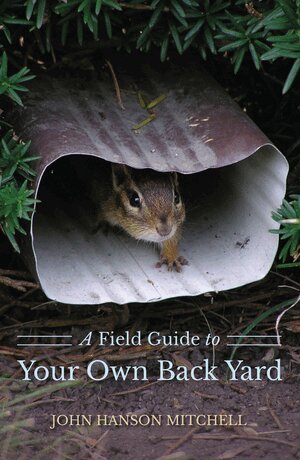
Field Guide to Your Own Back Yard
Häftad, 2014
193 kr
Tillfälligt slut
“If there is grass and a few scraggling trees, there will be wildlife,” suggests John Hanson Mitchell, an internationally recognized naturalist and advocate for tuning your senses to the wonders of your environment. Whether your yard consists of a small stretch of grass or a rambling mix of forest …
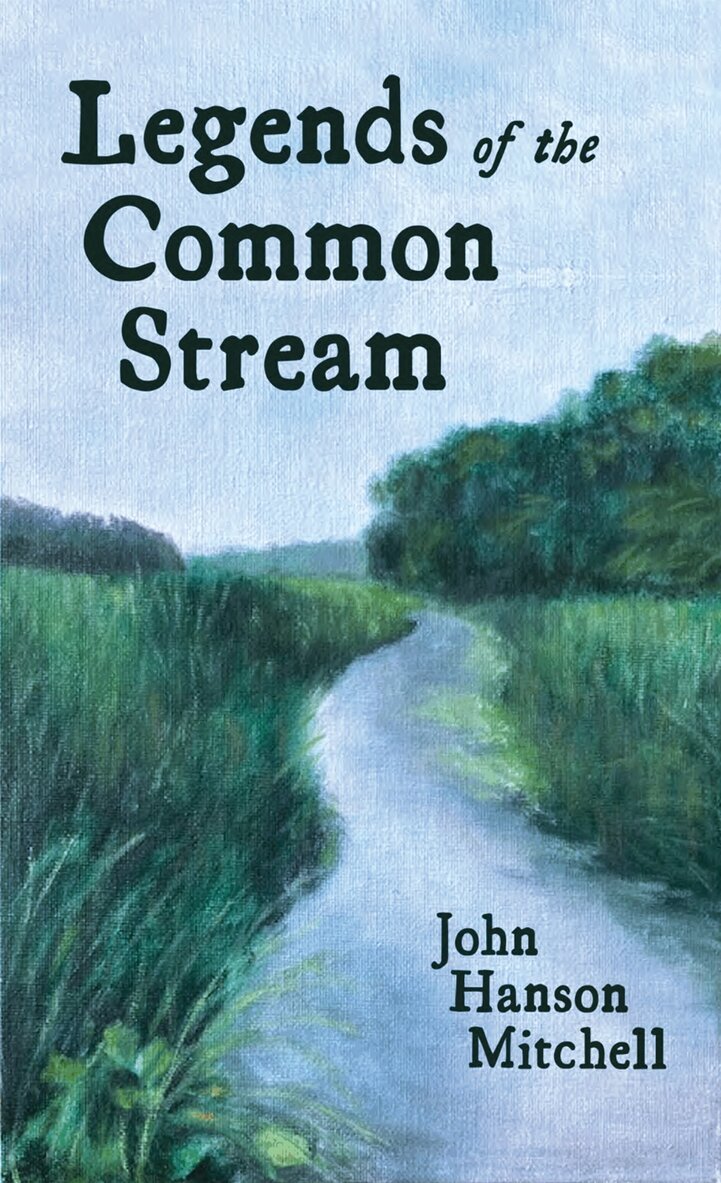
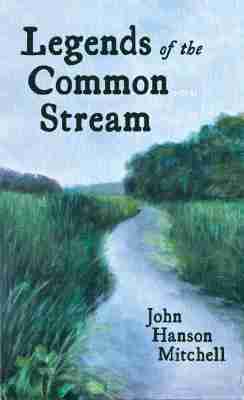
Legends of the Common Stream
Häftad, 2021
295 kr
Tillfälligt slut
For over twenty years, John Hanson Mitchell has visited Beaver Brook almost daily. This small, slow-flowing Massachusetts stream was of vital importance for early settlers and an indispensable resource for the Native peoples who lived and fished along its shores, but it has been largely forgotten …
Legends of the Common Stream
Inbunden, 2021
1044 kr
Tillfälligt slut
For over twenty years, John Hanson Mitchell has visited Beaver Brook almost daily. This small, slow-flowing Massachusetts stream was of vital importance for early settlers and an indispensable resource for the Native peoples who lived and fished along its shores, but it has been largely forgotten …