513 kr
Skickas inom 5-8 vardagar
513 kr
Skickas inom 5-8 vardagar
373 kr
Skickas inom 5-8 vardagar
472 kr
Skickas inom 5-8 vardagar
584 kr
Läs direkt efter köp
663 kr
Läs direkt efter köp
620 kr
Läs direkt efter köp
620 kr
Läs direkt efter köp
1 373 kr
Läs direkt efter köp
472 kr
Läs direkt efter köp
472 kr
Läs direkt efter köp
768 kr
Skickas inom 5-8 vardagar
991 kr
Läs direkt efter köp
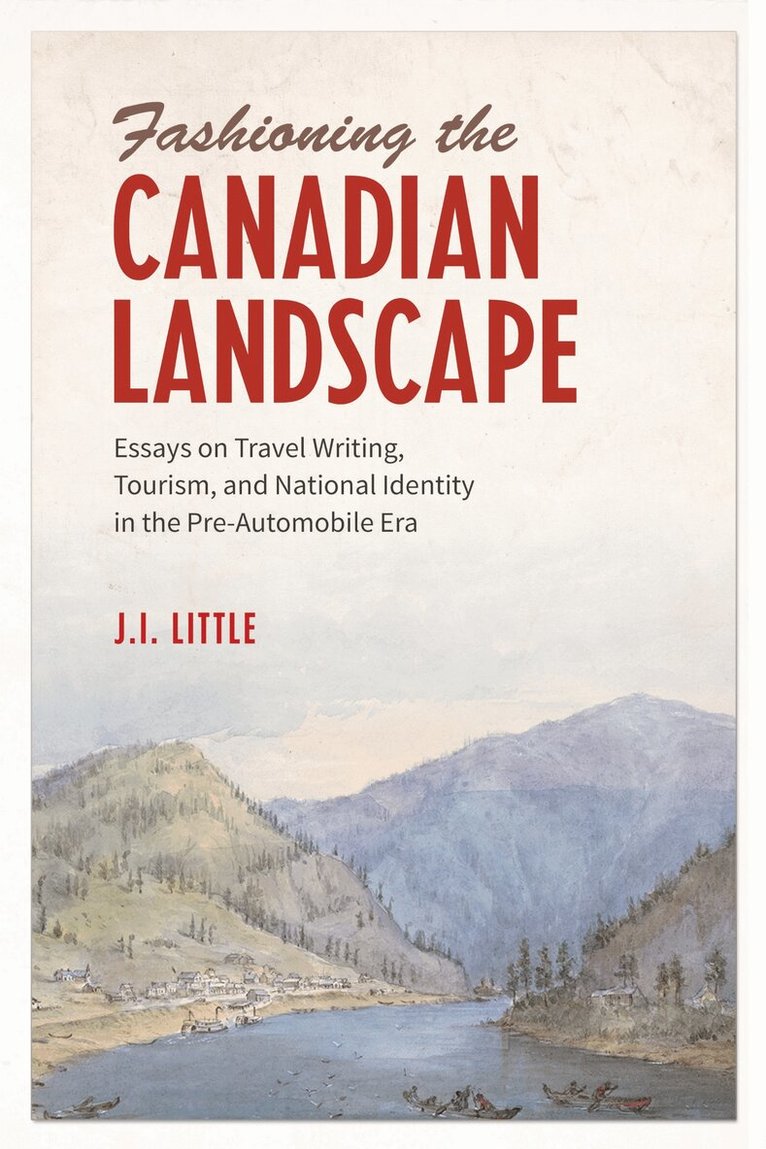
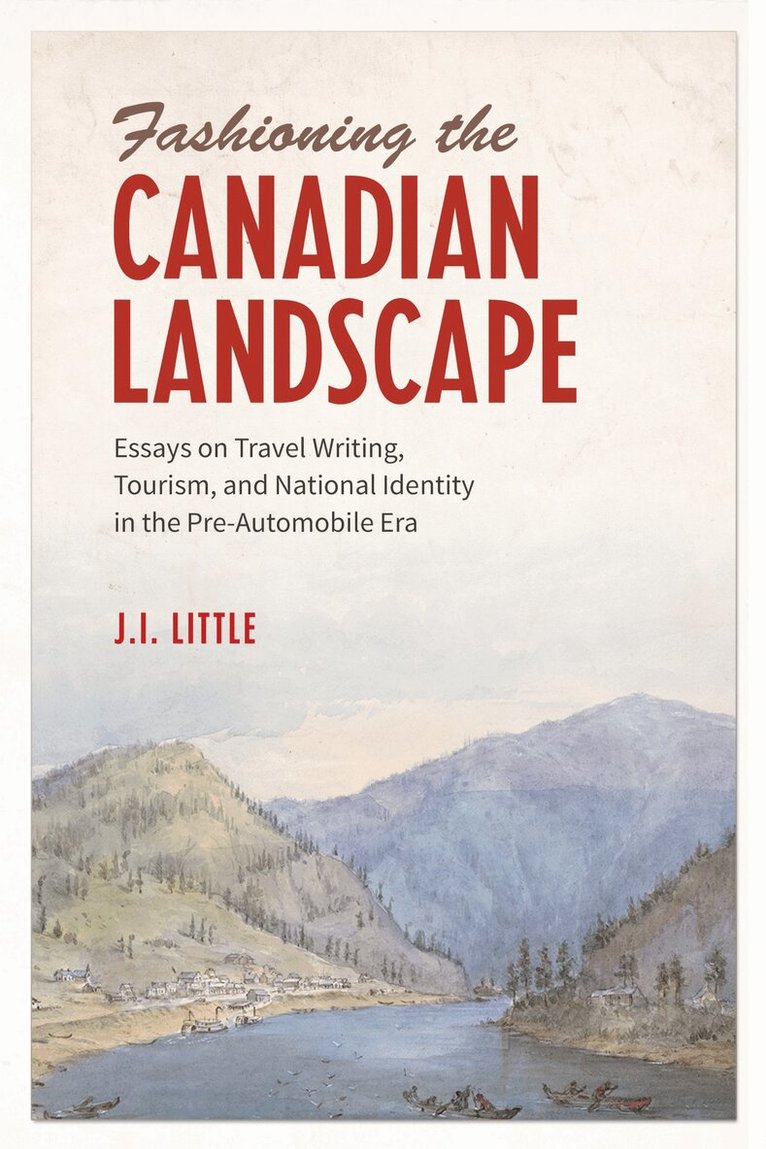
Interpretations of Canada''s emerging identity have been largely based on a relatively small corpus of literary writing and landscape paintings, overlooking the influence of the British and American travel writers who published hundreds of books and articles that did much to fix the image of Canada in the popular imagination.
In Fashioning the Canadian Landscape, J.I. Little examines how Canada, much like the United States, came to be identified with its natural landscape. Little argues that in contrast to the American identification with the wilderness sublime, however, Canada’s image was strongly influenced by the picturesque convention favoured by British travel writers.
This amply illustrated volume includes chapters ranging from Labrador to British Columbia, some of which focus on such notable British authors as Rupert Brooke and Rudyard Kipling, and others on talented American writers such as Charles Dudley Warner. Based not only on the views of the landscape but on the racist descriptions of the Indigenous peoples and the romanticization of the Canadian ‘folk’, Little argues that the national image that emerged was colonialist as well as colonial in nature.
991 kr
Läs direkt efter köp
Interpretations of Canada''s emerging identity have been largely based on a relatively small corpus of literary writing and landscape paintings, overlooking the influence of the British and American travel writers who published hundreds of books and articles that did much to fix the image of Canada in the popular imagination.
In Fashioning the Canadian Landscape, J.I. Little examines how Canada, much like the United States, came to be identified with its natural landscape. Little argues that in contrast to the American identification with the wilderness sublime, however, Canada’s image was strongly influenced by the picturesque convention favoured by British travel writers.
This amply illustrated volume includes chapters ranging from Labrador to British Columbia, some of which focus on such notable British authors as Rupert Brooke and Rudyard Kipling, and others on talented American writers such as Charles Dudley Warner. Based not only on the views of the landscape but on the racist descriptions of the Indigenous peoples and the romanticization of the Canadian ‘folk’, Little argues that the national image that emerged was colonialist as well as colonial in nature.