John Israel - Böcker
Visar alla böcker från författaren John Israel. Handla med fri frakt och snabb leverans.
9 produkter
9 produkter
1 267 kr
Skickas inom 5-8 vardagar
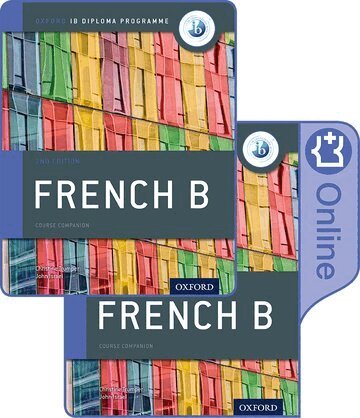
Written by experienced French B experts and teachers, this print and digital Course Book pack provides the most comprehensive mapping to the latest DP Language B syllabus, for first examination in 2020. Each Course Book Pack is made up of one print Course book and one enhanced online Course book, for a rich and interactive learning experience. Developed directly with the IB, you can trust the resource to support confident development of the four language skills and to provide thorough coverage of the new prescribed themes and concepts. Now including plenty of listening practice and a wealth of additional interactive, digital activities, this brand new, enhanced edition fully supports the new IB course and assessment.The online Course Book will be available on Oxford Education Bookshelf until 2028. Access is facilitated via a unique code, which is sent in the mail. The code must be linked to an email address, creating a user account. Access may be transferred once to a new user, once the initial user no longer requires access. You will need to contact your local Educational Consultant to arrange this.
Oxford IB Diploma Programme: Oxford IB Diploma Programme: IB French B Enhanced Online Course Book
Engelska, 2018
1 172 kr
Skickas inom 5-8 vardagar
Written by experienced French B experts and teachers, this digital Course Book provides the most comprehensive mapping to the latest DP Language B syllabus, for first examination in 2020. Each digital Course Book contains enhanced online content, for a rich and interactive learning experience. Developed directly with the IB, you can trust the resource to support confident development of the four language skills and to provide thorough coverage of the new prescribed themes and concepts. Now including plenty of listening practice and a wealth of additional digital materials, this brand new, enhanced edition fully supports the new IB course and assessment. This online Course Book will be available on Oxford Education Bookshelf until 2028. Access is facilitated via a unique code, which is sent in the mail. The code must be linked to an email address, creating a user account. Access may be transferred once to a new user, once the initial user no longer requires access. You will need to contact your local Educational Consultant to arrange this.
686 kr
Skickas inom 5-8 vardagar
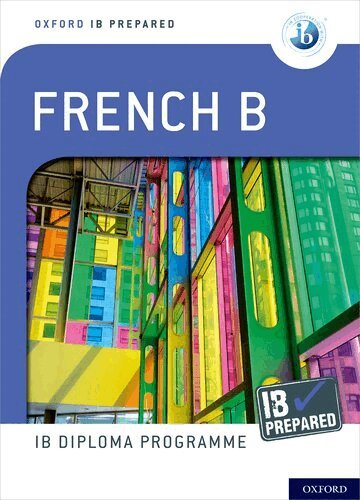
IB Prepared resources are developed directly with the IB to provide the most up-to-date, authentic and authoritative guidance on DP assessment. IB Prepared: French B provides strategic guidance, authentic sample material and exam-style practice opportunities, allowing learners to consolidate the skills that are essential to success.
686 kr
Skickas inom 5-8 vardagar
IB Prepared resources are developed directly with the IB to provide the most up-to-date, authentic and authoritative guidance on DP assessment. IB Prepared: French B provides strategic guidance, authentic sample material and exam-style practice opportunities, allowing learners to consolidate the skills that are essential to success.
985 kr
Skickas inom 7-10 vardagar
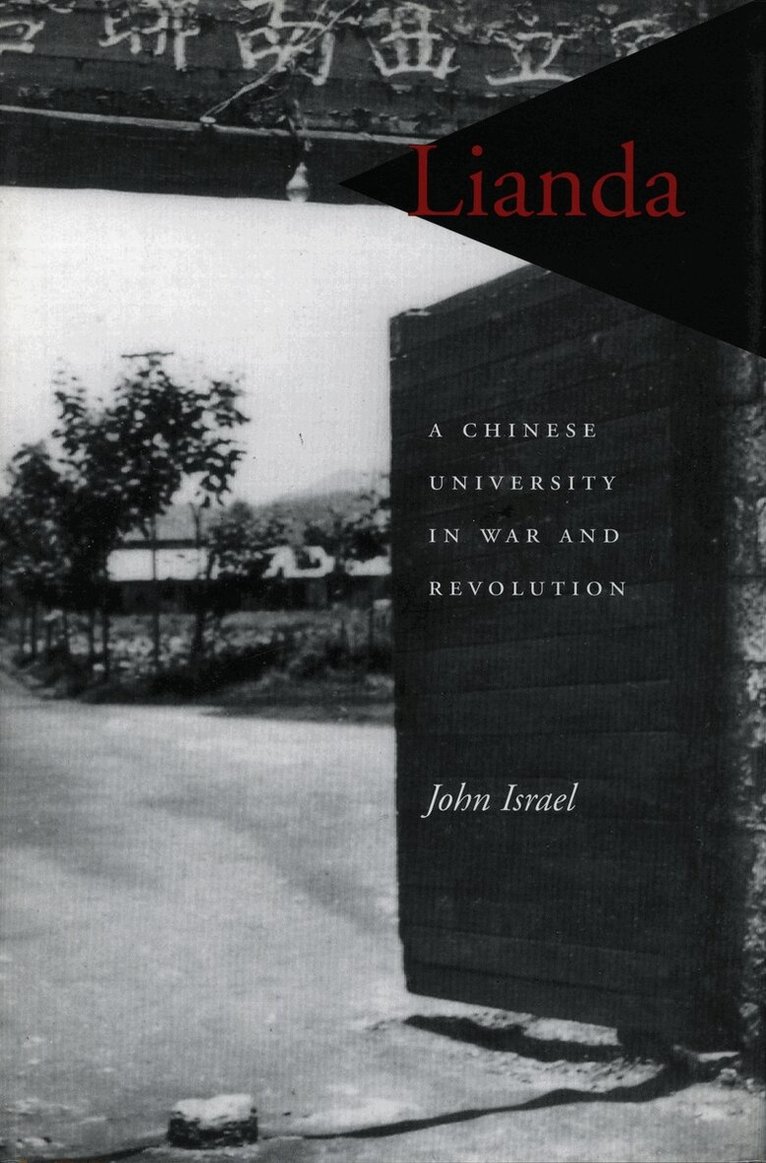
In the summer of 1937, Japanese troops occupied the campuses of Beijing's two leading universities, Beida and Qinghua, and reduced Nankai, in Tianjin, to rubble. These were China's leading institutions of higher learning, run by men educated in the West and committed to modern liberal education. The three universities first moved to Changsha, 900 miles southwest of Beijing, where they joined forces. But with the fall of Nanjing in mid-December, many students left to fight the Japanese, who soon began bombing Changsha.In February 1938, the 800 remaining students and faculty made the thousand-mile trek to Kunming, in China's remote, mountainous southwest, where they formed the National Southwest Associated University (Lianda). In makeshift quarters, subject to sporadic bombing by the Japanese and shortages of food, books, and clothing, students and professors did their best to conduct a modern university. In the next eight years, many of China's most prominent intellectuals taught or studied at Lianda. This book is the story of their lives and work under extraordinary conditions.Lianda's wartime saga crystallized the experience of a generation of Chinese intellectuals, beginning with epic journeys, followed by years of privation and endurance, and concluding with politicization, polarization, and radicalization, as China moved from a war of resistance against a foreign foe to a civil war pitting brother against brother. The Lianda community, which had entered the war fiercely loyal to the government of Chiang Kai-shek, emerged in 1946 as a bastion of criticism of China's ruling Guomindang party. Within three years, the majority of the Lianda community, now returned to its north China campuses in Beijing and Tianjin, was prepared to accept Communist rule.In addition to struggling for physical survival, Lianda's faculty and students spent the war years striving to uphold a model of higher education in which modern universities, based in large part on the American model, sought to preserve liberal education, political autonomy, and academic freedom. Successful in the face of wartime privations, enemy air raids, and Guomindang pressure, Lianda's constituent universities eventually succumbed to Communist control. By 1952, the Lianda ideal had been replaced with a politicized and technocratic model borrowed from the Soviet Union.
350 kr
Skickas inom 5-8 vardagar
196 kr
Skickas inom 5-8 vardagar
970 kr
Skickas inom 10-15 vardagar
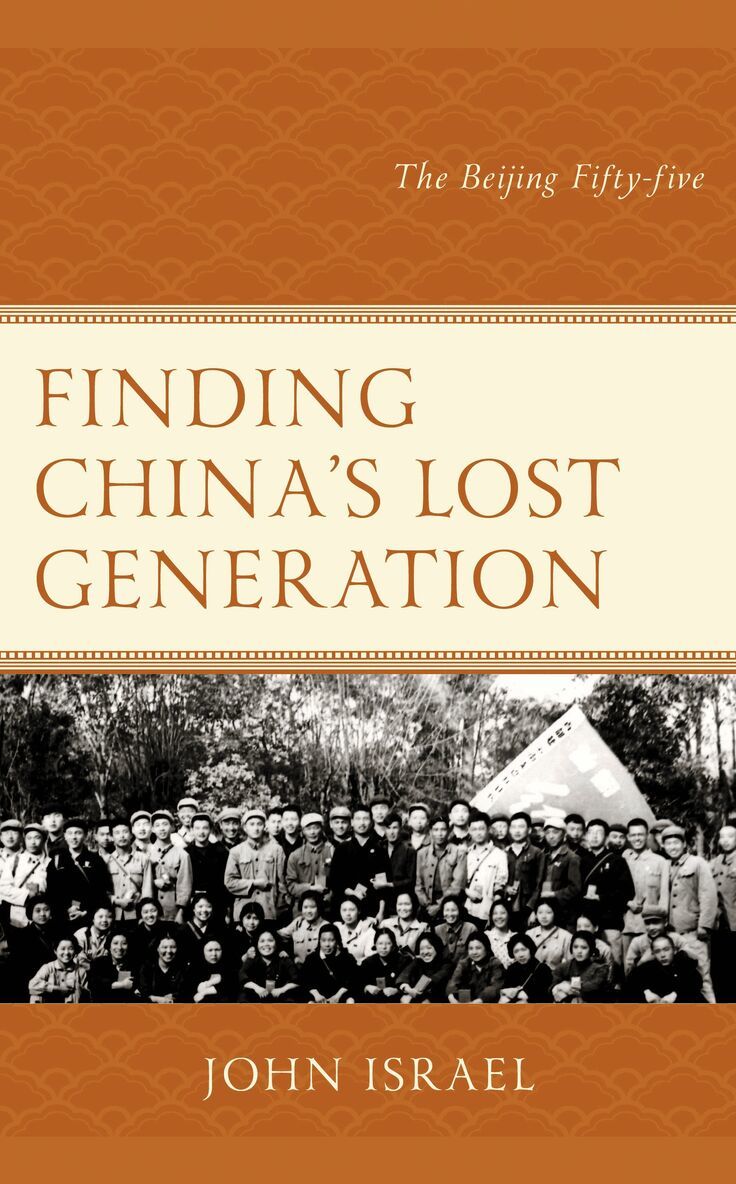
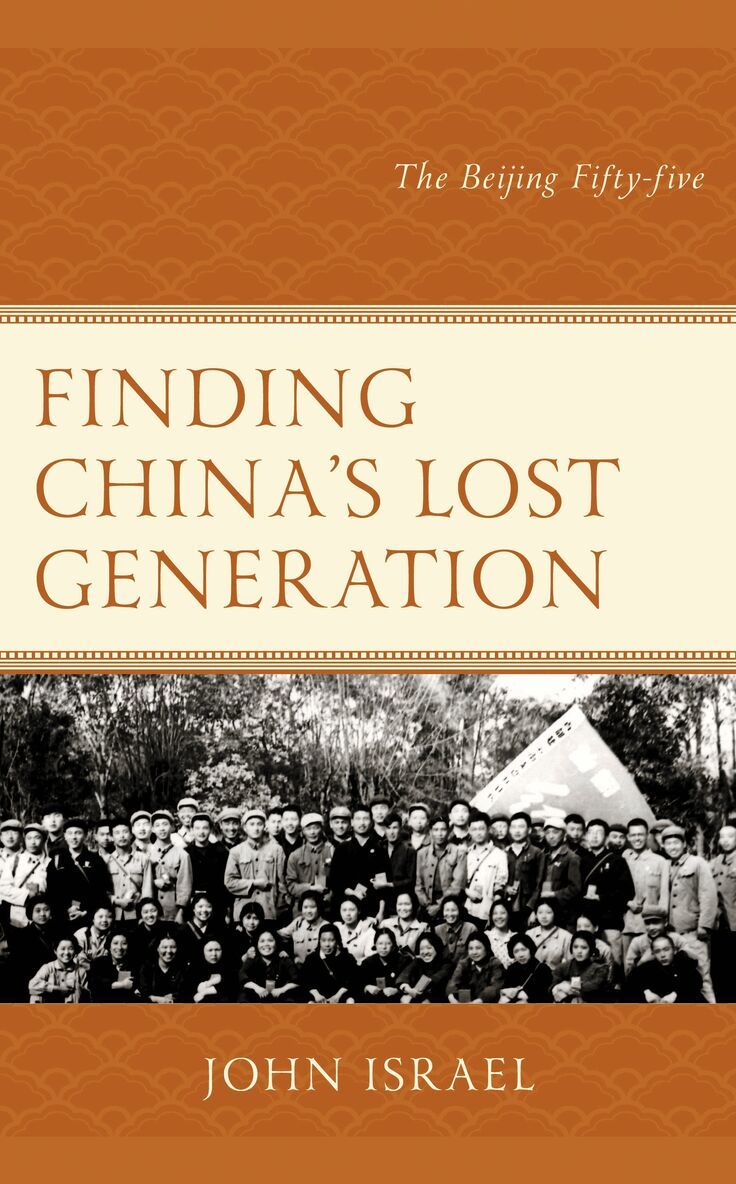
In December 1968 Mao Zedong proclaimed that China’s educated urban youth should move to the countryside to be reeducated by the poor and lower middle peasants. Some seventeen million who responded to his call spent the better part of a decade laboring in remote and impoverished regions. Returning to the cities in the late 1970s, undereducated, unemployed, and manifestly unprepared to contribute to China’s post-Maoist future, the rusticated youth were dubbed the “Lost Generation”. How then, could China transform itself into an economic and military behemoth without the support of an entire generation of educated men and women?A close look at a group of young Beijingers suggests that at least some of the rusticated millions reentered urban life with assets that enabled them to play a creative role. “The Beijing Fifty-five” were atypical insofar as they had volunteered to carve rubber plantations out of a tropical wilderness on China’s southwest border a year before the wave of involuntary recruits. However, their struggle to survive cultural, political, and physical challenges was typical. Drawing from the spoken and written testimony of the Fifty-five, this book shows in dramatic detail how “The Lost Generation” survived the tribulations of the Mao years to help build today’s China.
447 kr
Skickas inom 10-15 vardagar
In December 1968 Mao Zedong proclaimed that China’s educated urban youth should move to the countryside to be reeducated by the poor and lower middle peasants. Some seventeen million who responded to his call spent the better part of a decade laboring in remote and impoverished regions. Returning to the cities in the late 1970s, undereducated, unemployed, and manifestly unprepared to contribute to China’s post-Maoist future, the rusticated youth were dubbed the “Lost Generation”. How then, could China transform itself into an economic and military behemoth without the support of an entire generation of educated men and women?A close look at a group of young Beijingers suggests that at least some of the rusticated millions reentered urban life with assets that enabled them to play a creative role. “The Beijing Fifty-five” were atypical insofar as they had volunteered to carve rubber plantations out of a tropical wilderness on China’s southwest border a year before the wave of involuntary recruits. However, their struggle to survive cultural, political, and physical challenges was typical. Drawing from the spoken and written testimony of the Fifty-five, this book shows in dramatic detail how “The Lost Generation” survived the tribulations of the Mao years to help build today’s China.