John J. Klein - Böcker
Visar alla böcker från författaren John J. Klein. Handla med fri frakt och snabb leverans.
7 produkter
7 produkter
661 kr
Skickas inom 10-15 vardagar
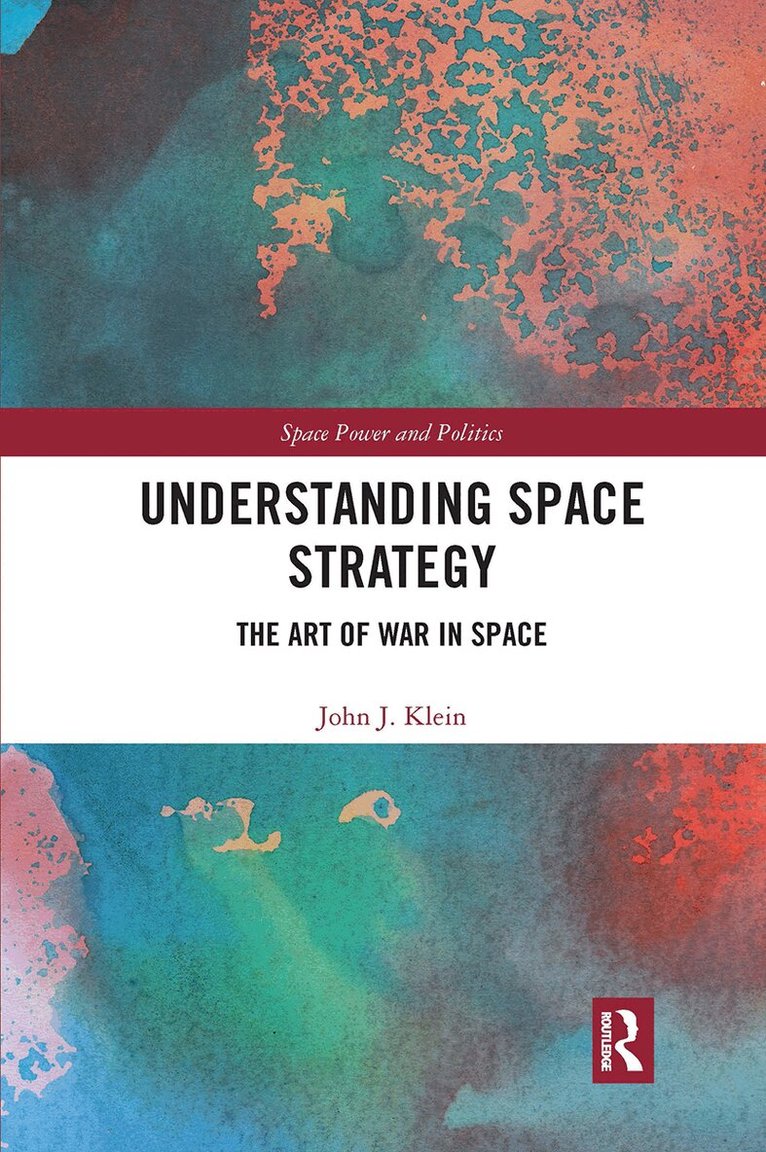
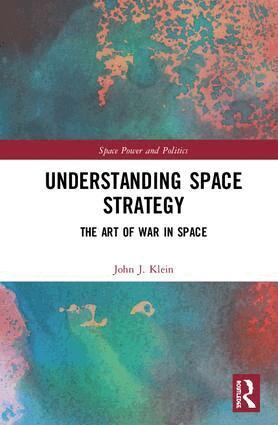
This book examines the rise of great power competition in space, including the relevant and practical space strategies for China, Russia, the United States, and other countries.The work discusses the concepts and writings of past strategists, such as Thucydides, Sun Tzu, and Clausewitz, in relation to warfare initiated in or extending into space. This analysis underscores why polities initiate war based upon an assessment of fear, honor, and interest, and explains why this will also be true of war in space. Based upon the timeless strategic writings of the past, the book uncovers the strategy of space warfare, along with the concepts of deterrence, dissuasion, and the inherent right of self-defense, and outlines strategies for great, medium, and emerging space powers. Additionally, it highlights changes needed to space strategy based upon the Law of Armed Conflict, norms of behavior, and Rules of Engagement. The work also examines advancements and emerging trends in the commercial space sector, as well as what these changes mean for the implementation of a practical space strategy. Given the rise of great power competition in space, this work presents a space strategy based upon historical experience. This book will be of much interest to students of space policy, strategic studies, and International Relations.
481 kr
Tillfälligt slut
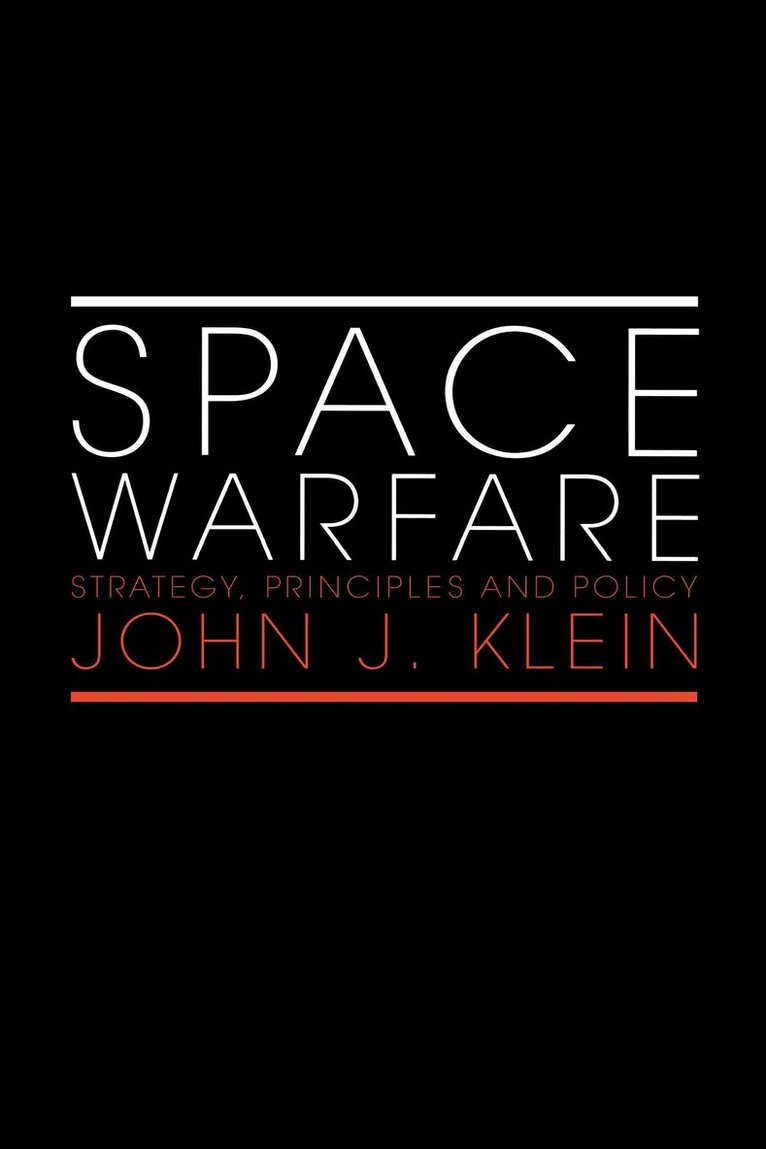
This new study considers military space strategy within the context of the land and naval strategies of the past.Explaining why and how strategists note the similarities of space operations to those of the air and naval forces, this book shows why many such strategies unintentionally lead to overemphasizing the importance of space-based offensive weaponry and technology.Counter to most U.S. Air Force doctrines, the book argues that space-based weapons don’t imbue superiority. It examines why both air and naval strategic frameworks actually fail to adequately capture the scope of real-world issues regarding current space operations. Yet by expanding a naval strategic framework to include maritime activities—which includes the interaction of land and sea—the breadth of issues and concerns regarding space activities and operations can be fully encompassed.Commander John Klein, United States Navy, uses Sir Julian Corbett’s maritime strategy as a strategic springboard, while observing the salient lessons of other strategists—including Sun Tzu, Clausewitz, Jomini, and Mao Tse-tung—to show how a space strategy and associated principles of space warfare can be derived to predict concerns, develop ideas, and suggest policy not currently recognized.This book will be of great interest to all students and scholars of military and strategic studies and to those with an interest in space strategy in particular.
1 459 kr
Tillfälligt slut
This new study considers military space strategy within the context of the land and naval strategies of the past.Explaining why and how strategists note the similarities of space operations to those of the air and naval forces, this book shows why many such strategies unintentionally lead to overemphasizing the importance of space-based offensive weaponry and technology.Counter to most U.S. Air Force doctrines, the book argues that space-based weapons don’t imbue superiority. It examines why both air and naval strategic frameworks actually fail to adequately capture the scope of real-world issues regarding current space operations. Yet by expanding a naval strategic framework to include maritime activities—which includes the interaction of land and sea—the breadth of issues and concerns regarding space activities and operations can be fully encompassed.Commander John Klein, United States Navy, uses Sir Julian Corbett’s maritime strategy as a strategic springboard, while observing the salient lessons of other strategists—including Sun Tzu, Clausewitz, Jomini, and Mao Tse-tung—to show how a space strategy and associated principles of space warfare can be derived to predict concerns, develop ideas, and suggest policy not currently recognized.This book will be of great interest to all students and scholars of military and strategic studies and to those with an interest in space strategy in particular.
249 kr
Skickas inom 5-8 vardagar
587 kr
Skickas inom 10-15 vardagar
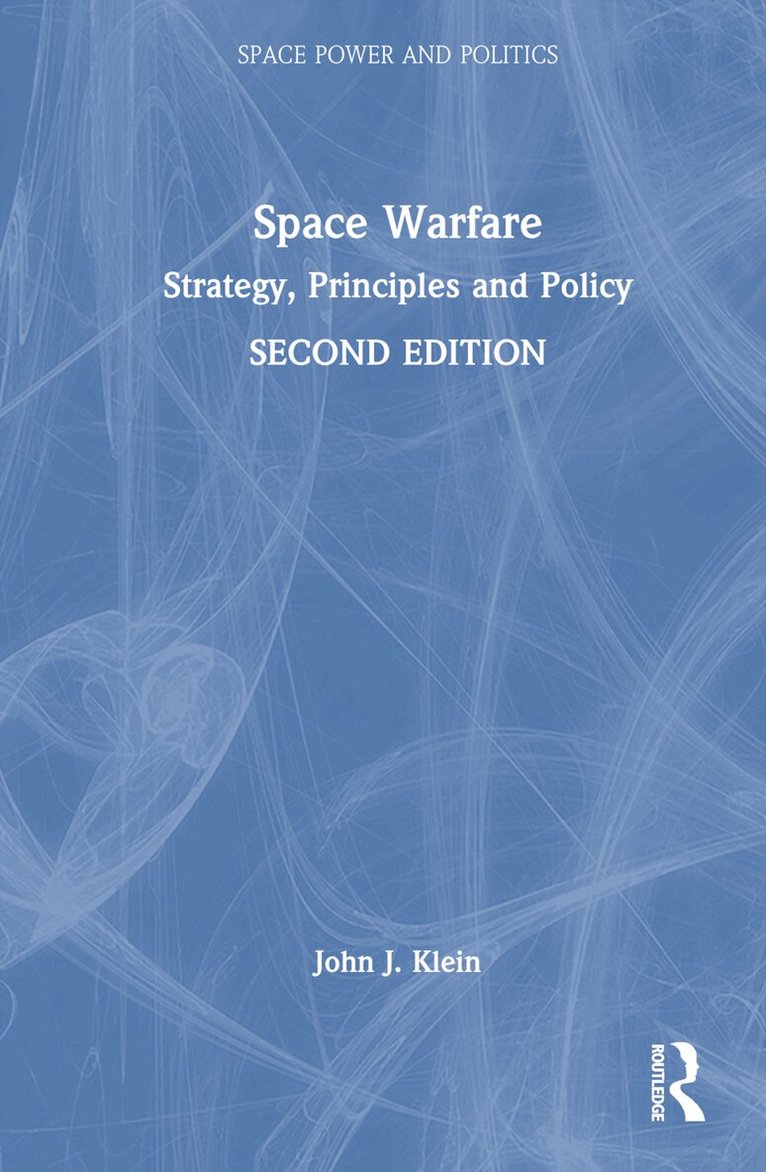
This book examines military space strategy within the context of the land and naval strategies of the past. This second edition has been updated and revised, with several new chapters included.The book examines competition and conflict in the space domain, including the methods used and sound counterstrategies to thwart a competitor’s efforts. Contrary to many spacepower pundits, the book explains that neither is the space domain inherently offense-dominant nor is there a first-mover advantage when incorporating a sound space strategy. Offering new insights into the nature of strategic competition in space, this second edition leans heavily on the British maritime experience and the work of Julian Corbett to provide a strategic framework for understanding competition, crisis, and conflict in the space domain. It also includes important concepts from leading theorists and strategists, both past and present, to amplify concepts and provide additional insights into the functioning of space strategy. The book provides a foundational framework by underscoring that space strategy is shaped by the fundamental nature of all warfare, along with the universal principles of strategy and the essential unity of all strategic experience. Warfare is warfare, no matter the domain of operations, and consequently, policymakers and military leaders can look to historical experience and knowledge of past strategic frameworks to help gain insights into the functioning of space warfare.This book will appeal to students of spacepower, defense and strategic studies, and International Relations.
2 171 kr
Skickas inom 10-15 vardagar
This book examines military space strategy within the context of the land and naval strategies of the past. This second edition has been updated and revised, with several new chapters included.The book examines competition and conflict in the space domain, including the methods used and sound counterstrategies to thwart a competitor’s efforts. Contrary to many spacepower pundits, the book explains that neither is the space domain inherently offense-dominant nor is there a first-mover advantage when incorporating a sound space strategy. Offering new insights into the nature of strategic competition in space, this second edition leans heavily on the British maritime experience and the work of Julian Corbett to provide a strategic framework for understanding competition, crisis, and conflict in the space domain. It also includes important concepts from leading theorists and strategists, both past and present, to amplify concepts and provide additional insights into the functioning of space strategy. The book provides a foundational framework by underscoring that space strategy is shaped by the fundamental nature of all warfare, along with the universal principles of strategy and the essential unity of all strategic experience. Warfare is warfare, no matter the domain of operations, and consequently, policymakers and military leaders can look to historical experience and knowledge of past strategic frameworks to help gain insights into the functioning of space warfare.This book will appeal to students of spacepower, defense and strategic studies, and International Relations.
2 162 kr
Skickas inom 10-15 vardagar
This book examines the rise of great power competition in space, including the relevant and practical space strategies for China, Russia, the United States, and other countries.The work discusses the concepts and writings of past strategists, such as Thucydides, Sun Tzu, and Clausewitz, in relation to warfare initiated in or extending into space. This analysis underscores why polities initiate war based upon an assessment of fear, honor, and interest, and explains why this will also be true of war in space. Based upon the timeless strategic writings of the past, the book uncovers the strategy of space warfare, along with the concepts of deterrence, dissuasion, and the inherent right of self-defense, and outlines strategies for great, medium, and emerging space powers. Additionally, it highlights changes needed to space strategy based upon the Law of Armed Conflict, norms of behavior, and Rules of Engagement. The work also examines advancements and emerging trends in the commercial space sector, as well as what these changes mean for the implementation of a practical space strategy. Given the rise of great power competition in space, this work presents a space strategy based upon historical experience. This book will be of much interest to students of space policy, strategic studies, and International Relations.