John Kekes – författare
Visar alla böcker från författaren John Kekes. Handla med fri frakt och snabb leverans.
48 produkter
Hard Questions
Facing the Problems of Life
Av John Kekes
Inbunden, 2019
634 kr
Lägg i varukorg
In this book, John Kekes discusses the hard questions we all must face in the course of our lives. Is there an absolute value that overrides all other considerations? Must we conform to prevailing conventions? Do we owe what our country asks of us? Must justice be done at all costs? How should we …
Hard Questions
Facing the Problems of Life
Av John Kekes
E-bok, 2019
391 kr
Lägg i varukorg
In this book, John Kekes discusses the hard questions we all must face in the course of our lives. Is there an absolute value that overrides all other considerations? Must we conform to prevailing conventions? Do we owe what our country asks of us? Must justice be done at all costs? How should we …
Hard Questions
Facing the Problems of Life
Av John Kekes
E-bok, 2019
391 kr
Lägg i varukorg
In this book, John Kekes discusses the hard questions we all must face in the course of our lives. Is there an absolute value that overrides all other considerations? Must we conform to prevailing conventions? Do we owe what our country asks of us? Must justice be done at all costs? How should we …
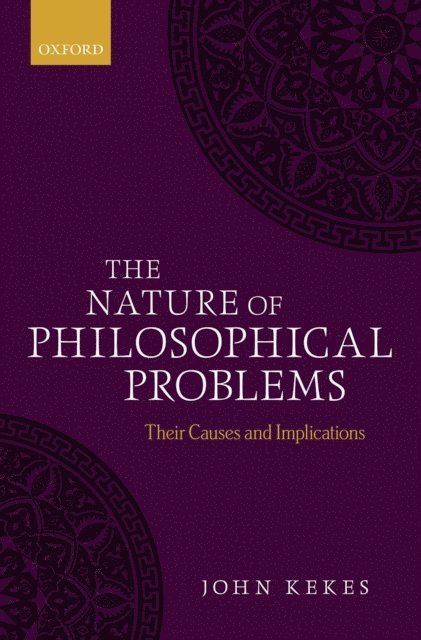
Nature of Philosophical Problems
Their Causes and Implications
Av John Kekes
E-bok, 2014
880 kr
Lägg i varukorg
We must all make choices about how we want to live. We evaluate our possibilities by relying on historical, moral, personal, political, religious, and scientific modes of evaluations, but the values and reasons that follow from them conflict. Philosophical problems are forced on us when we try to …
Nature of Philosophical Problems
Their Causes and Implications
Av John Kekes
E-bok, 2014
880 kr
Lägg i varukorg
We must all make choices about how we want to live. We evaluate our possibilities by relying on historical, moral, personal, political, religious, and scientific modes of evaluations, but the values and reasons that follow from them conflict. Philosophical problems are forced on us when we try to …
Enjoyment
The Moral Significance of Styles of Life
Av John Kekes
E-bok, 2008
310 kr
Lägg i varukorg
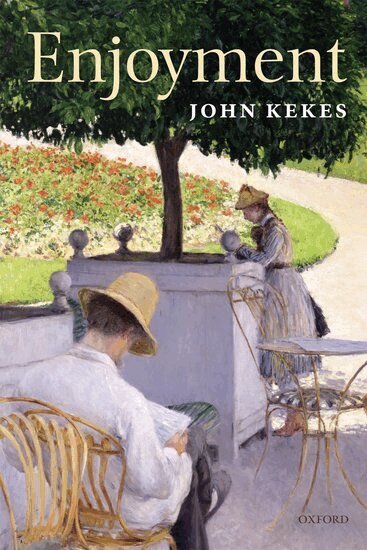
In this book John Kekes examines the indispensable role enjoyment plays in a good life. The key to it is the development of a style of life that combines an attitude and a manner of living and acting that jointly express one''s deepest concerns. Since such styles vary with characters and …
Human Condition
Av John Kekes
E-bok, 2010
514 kr
Lägg i varukorg
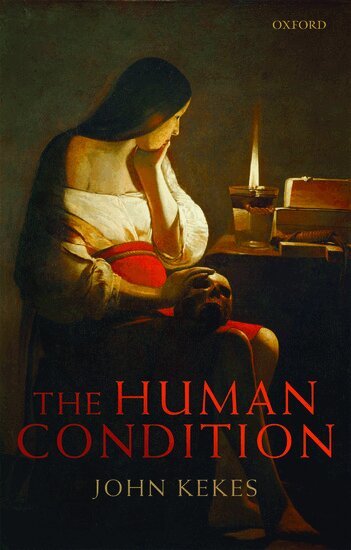
The Human Condition is a response to the growing disenchantment in the Western world with contemporary life. John Kekes provides rationally justified answers to questions about the meaning of life, the basis of morality, the contingencies of human lives, the prevalence of evil, the nature and …
Human Condition
Av John Kekes
E-bok, 2010
502 kr
Lägg i varukorg
The Human Condition is a response to the growing disenchantment in the Western world with contemporary life. John Kekes provides rationally justified answers to questions about the meaning of life, the basis of morality, the contingencies of human lives, the prevalence of evil, the nature and …
Wisdom
A Humanistic Conception
Av John Kekes
Inbunden, 2020
934 kr
Lägg i varukorg
In this book, renowned philosopher John Kekes develops and defends a humanistic conception of wisdom as a personal attitude--one that can guide how we face adversities and evaluate the often conflicting possibilities and limits of life in the context in which we live.Wisdom includes basic …
Wisdom
A Humanistic Conception
Av John Kekes
E-bok, 2020
844 kr
Lägg i varukorg
In this book, renowned philosopher John Kekes develops and defends a humanistic conception of wisdom as a personal attitude--one that can guide how we face adversities and evaluate the often conflicting possibilities and limits of life in the context in which we live.Wisdom includes basic …
Wisdom
A Humanistic Conception
Av John Kekes
E-bok, 2020
844 kr
Lägg i varukorg
In this book, renowned philosopher John Kekes develops and defends a humanistic conception of wisdom as a personal attitude--one that can guide how we face adversities and evaluate the often conflicting possibilities and limits of life in the context in which we live.Wisdom includes basic …
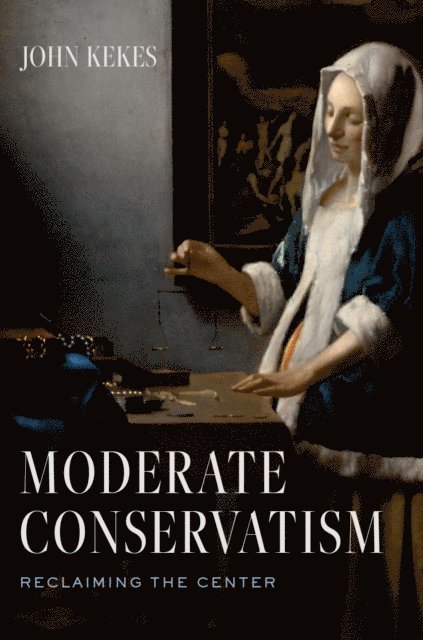
Moderate Conservatism
Reclaiming the Center
Av John Kekes
Inbunden, 2023
420 kr
Lägg i varukorg
Moderate Conservatism: Reclaiming the Center by John Kekes is a response to attacks on the United States' 300-year-old constitutional democracy by extremists on the left and the right. It makes a reasoned case for moderation and the defense of a political system that has endured because it has …
Moderate Conservatism
Reclaiming the Center
Av John Kekes
E-bok, 2022
310 kr
Lägg i varukorg
Moderate Conservatism: Reclaiming the Center by John Kekes is a response to attacks on the United States'' 300-year-old constitutional democracy by extremists on the left and the right. It makes a reasoned case for moderation and the defense of a political system that has endured because it has …
Moderate Conservatism
Reclaiming the Center
Av John Kekes
E-bok, 2022
310 kr
Lägg i varukorg
Moderate Conservatism: Reclaiming the Center by John Kekes is a response to attacks on the United States'' 300-year-old constitutional democracy by extremists on the left and the right. It makes a reasoned case for moderation and the defense of a political system that has endured because it has …
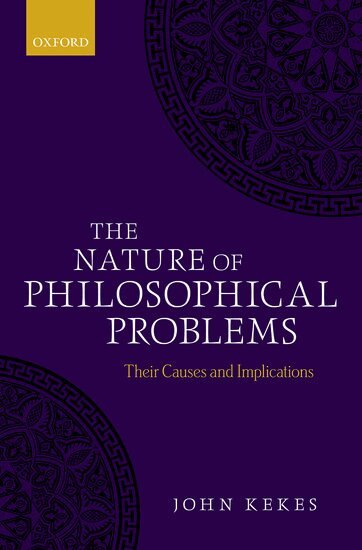
The Nature of Philosophical Problems
Their Causes and Implications
Av John Kekes
Inbunden, 2014
1385 kr
Lägg i varukorg
We must all make choices about how we want to live. We evaluate our possibilities by relying on historical, moral, personal, political, religious, and scientific modes of evaluations, but the values and reasons that follow from them conflict. Philosophical problems are forced on us when we try to …
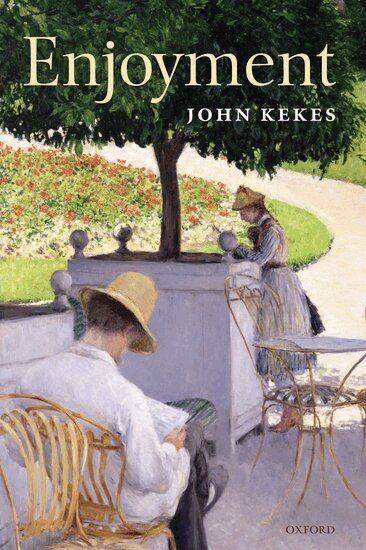
Enjoyment
The Moral Significance of Styles of Life
Av John Kekes
Inbunden, 2008
530 kr
Lägg i varukorg
In this book John Kekes examines the indispensable role enjoyment plays in a good life. The key to it is the development of a style of life that combines an attitude and a manner of living and acting that jointly express one's deepest concerns. Since such styles vary with characters and …
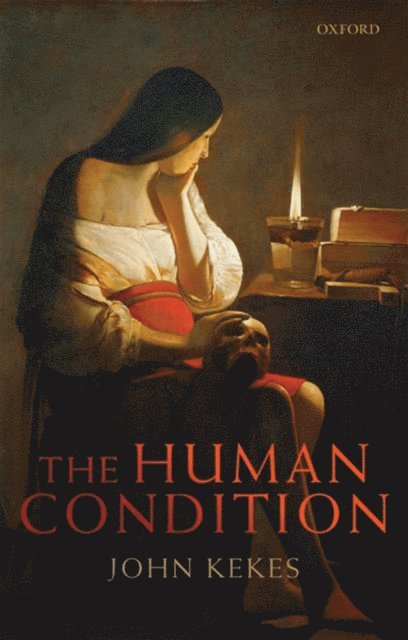
The Human Condition
Av John Kekes
Inbunden, 2010
1901 kr
Lägg i varukorg
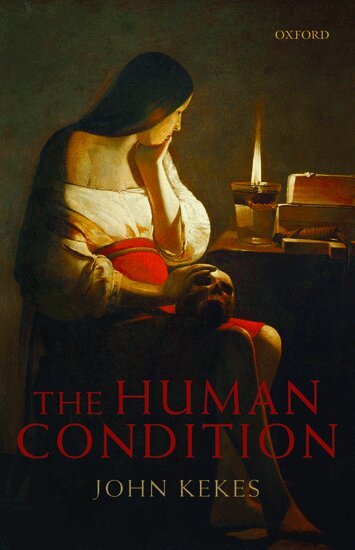
The Human Condition is a response to the growing disenchantment in the Western world with contemporary life. John Kekes provides rationally justified answers to questions about the meaning of life, the basis of morality, the contingencies of human lives, the prevalence of evil, the nature and …
Enjoyment
The Moral Significance of Styles of Life
Av John Kekes
Häftad, 2010
541 kr
Lägg i varukorg
In this book John Kekes examines the indispensable role enjoyment plays in a good life. The key to it is the development of a style of life that combines an attitude and a manner of living and acting that jointly express one's deepest concerns. Since such styles vary with characters and …
The Human Condition
Av John Kekes
Häftad, 2013
732 kr
Lägg i varukorg
The Human Condition is a response to the growing disenchantment in the Western world with contemporary life. John Kekes provides rationally justified answers to questions about the meaning of life, the basis of morality, the contingencies of human lives, the prevalence of evil, the nature and …
How Should We Live?
A Practical Approach to Everyday Morality
Av John Kekes
Inbunden, 2014
848 kr
Lägg i varukorg
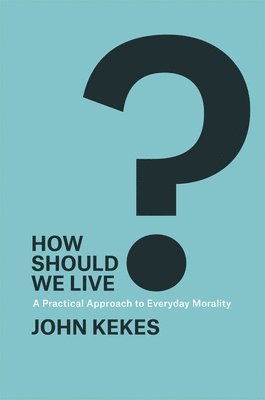
What is your highest ideal? What code do you live by? We all know that these differ from person to person. Nonetheless philosophers have long sought a single, overriding ideal that should guide everyone, always, everywhere, and after centuries of debate we're no closer to an answer. In How Should …
Human Predicaments
And What to Do about Them
Av John Kekes
Inbunden, 2016
848 kr
Lägg i varukorg
In his latest book, esteemed philosopher John Kekes draws on anthropology, history, and literature in order to help us cope with the common predicaments that plague us as we try to take control of our lives. In each chapter he offers fascinating new ways of thinking about a particular problem that …
Human Predicaments
And What to Do about Them
Av John Kekes
Häftad, 2019
279 kr
Lägg i varukorg
In his latest book, esteemed philosopher John Kekes draws on anthropology, history, and literature in order to help us cope with the common predicaments that plague us as we try to take control of our lives. In each chapter he offers fascinating new ways of thinking about a particular problem that …
How Should We Live?
A Practical Approach to Everyday Morality
Av John Kekes
Häftad, 2019
279 kr
Lägg i varukorg
What is your highest ideal? What code do you live by? We all know that these differ from person to person. Artists, scientists, social activists, farmers, executives, and athletes are guided by very different ideals. Nonetheless for hundreds of years philosophers have sought a single, overriding …
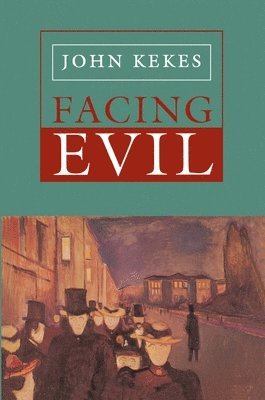
Facing Evil
Av John Kekes
Häftad, 1993
3,0 utav 5 stjärnor. Totalt antal röster: (1)
568 kr
Lägg i varukorg
Arguing that the prevalence of evil presents a fundamental problem for our secular sensibility, John Kekes develops a conception of character-morality as a response. He shows that the main sources of evil are habitual, unchosen actions produced by our character defects and that we can increase our …
Moral Tradition and Individuality
Av John Kekes
Häftad, 1991
653 kr
Lägg i varukorg
In this study, John Kekes develops the view that good lives depend on maintaining a balance between one's moral tradition and individuality. Our moral tradition provides the forms of good lives and the permissible ways of trying to achieve them. But to do so, the author argues, we must grow in …
Morality of Pluralism
Av John Kekes
Häftad, 1996
1042 kr
Lägg i varukorg
Controversies about abortion, the environment, pornography, AIDS, and similar issues naturally lead to the question of whether there are any values that can be ultimately justified, or whether values are simply conventional. John Kekes argues that the present moral and political uncertainties are …
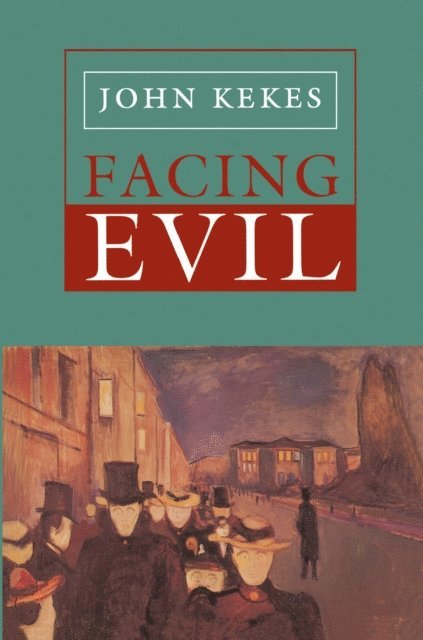
Facing Evil
Av John Kekes
E-bok, 2020
785 kr
Lägg i varukorg
Arguing that the prevalence of evil presents a fundamental problem for our secular sensibility, John Kekes develops a conception of character-morality as a response. He shows that the main sources of evil are habitual, unchosen actions produced by our character defects and that we can increase our …
Moral Tradition and Individuality
Av John Kekes
E-bok, 2021
785 kr
Lägg i varukorg
In this study, John Kekes develops the view that good lives depend on maintaining a balance between one''s moral tradition and individuality. Our moral tradition provides the forms of good lives and the permissible ways of trying to achieve them. But to do so, the author argues, we must grow in …
Moral Wisdom and Good Lives
Av John Kekes
Inbunden, 1995
713 kr
Lägg i varukorg
In this profound and yet accessible book, John Kekes discusses moral wisdom: a virtue essential to living a morally good and personally satisfying life. He advances a broad, nontechnical argument that considers the adversities inherent in the human condition and assists in the achievement of good …