John Laws - Böcker
Visar alla böcker från författaren John Laws. Handla med fri frakt och snabb leverans.
4 produkter
4 produkter
431 kr
Skickas inom 7-10 vardagar
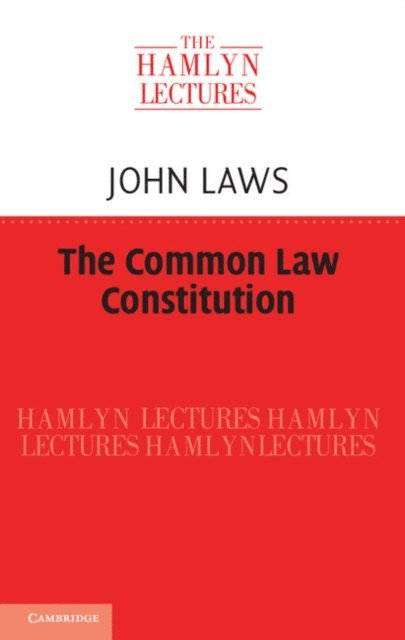
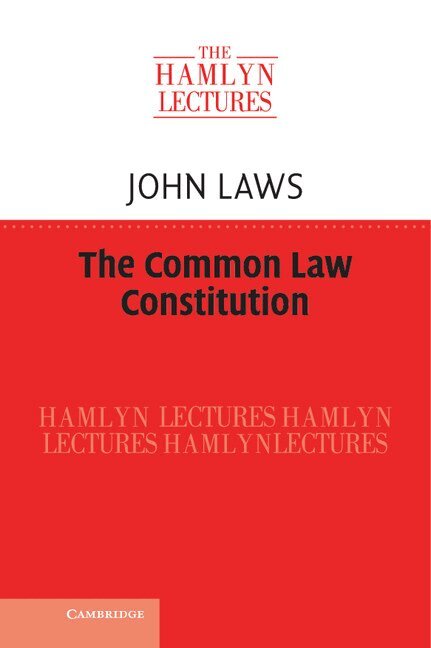
For the 2013 Hamlyn Lectures, Sir John Laws explored the constitutional balance between law and government in the United Kingdom. He argues that the unifying principle of the constitution is the common law and that its distinctive method has endowed the British State with profoundly beneficial effects, before examining two contemporary threats to the constitutional balance: extremism and the effect of Europe-made laws on the domestic English system.
331 kr
Skickas inom 7-10 vardagar
For the 2013 Hamlyn Lectures, Sir John Laws explored the constitutional balance between law and government in the United Kingdom. He argues that the unifying principle of the constitution is the common law and that its distinctive method has endowed the British State with profoundly beneficial effects, before examining two contemporary threats to the constitutional balance: extremism and the effect of Europe-made laws on the domestic English system.
572 kr
Skickas inom 10-15 vardagar
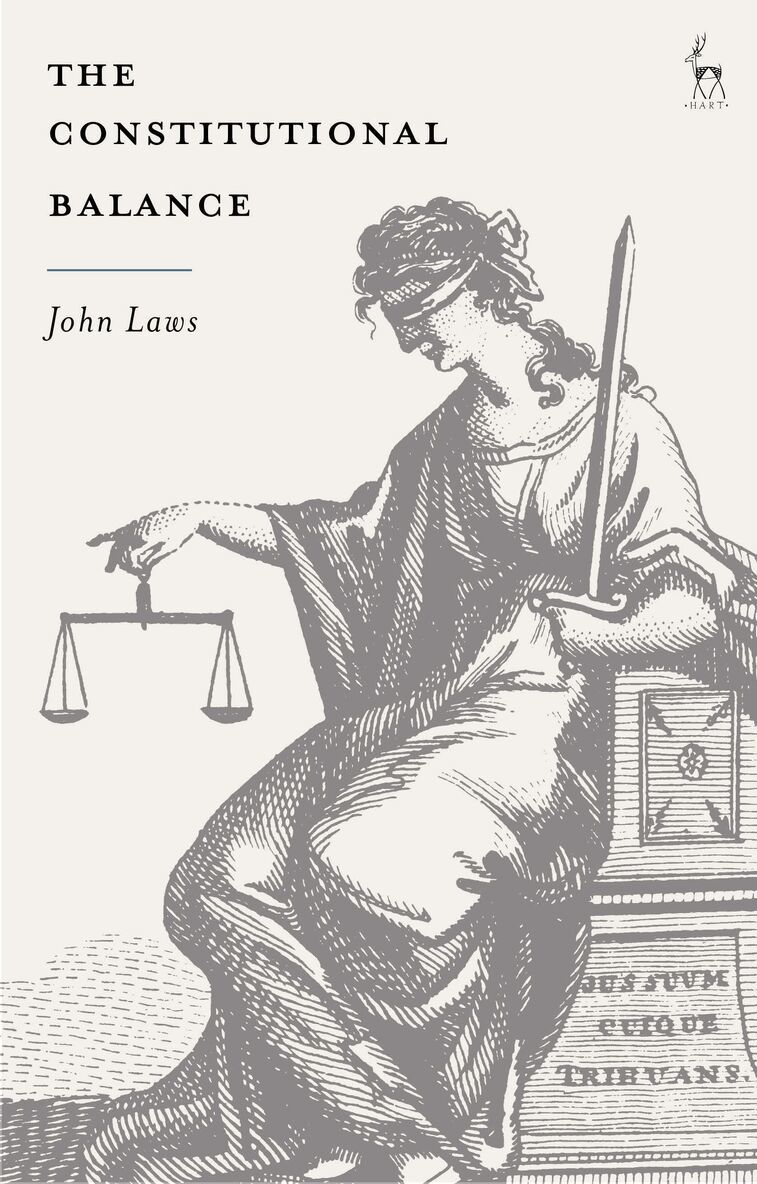
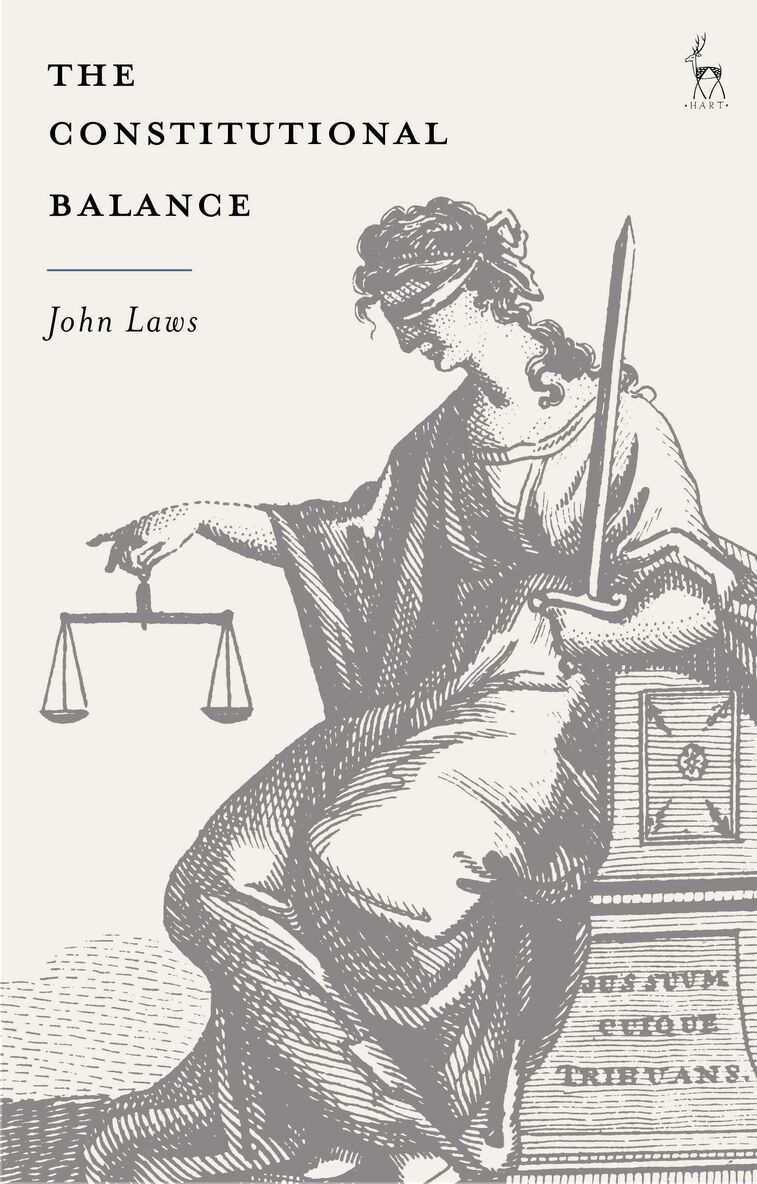
In The Constitutional Balance Sir John Laws has left a vivid and timely commentary on one of the most pressing issues in the legal world today. The debate continues whether or not judges venture too far into issues of Government policy, and whether or not there are any limits on the power of the executive and the legislature to propose and enact legislation that unduly restricts fundamental freedoms in a democratic society subject to the rule of law.Sir John Laws examines the relationship between constitutional fundamentals and values. He finds basic ideals of reason, fairness and the presumption of liberty in the common law, and recognises that a democratically accountable executive and legislature must be able to make policy and enact and implement legislation to pursue social goals. The courts then interpret the laws. As Sir John puts it – “The meeting of Parliament and the common law, in the crucible of statutory interpretation, is close to the core of [the constitutional balance]”.These fundamental values can compete with each other, giving rise to tensions within and between key state institutions, in particular the executive and the judiciary. A 'constitutional balance' between them must be found if the constitution is to function properly, each institution is to understand the proper extent and limits of its authority, and the rule of law is to be maintained. Sir John draws on his life-long experience as a barrister, judge and academic, and on case-law and learning, to explain in vibrant and engaging terms how such a 'constitutional balance' might be achieved.
264 kr
Skickas inom 10-15 vardagar
In The Constitutional Balance Sir John Laws has left a vivid and timely commentary on one of the most pressing issues in the legal world today. The debate continues whether or not judges venture too far into issues of Government policy, and whether or not there are any limits on the power of the executive and the legislature to propose and enact legislation that unduly restricts fundamental freedoms in a democratic society subject to the rule of law.Sir John Laws examines the relationship between constitutional fundamentals and values. He finds basic ideals of reason, fairness and the presumption of liberty in the common law, and recognises that a democratically accountable executive and legislature must be able to make policy and enact and implement legislation to pursue social goals. The courts then interpret the laws. As Sir John puts it – “The meeting of Parliament and the common law, in the crucible of statutory interpretation, is close to the core of [the constitutional balance]”.These fundamental values can compete with each other, giving rise to tensions within and between key state institutions, in particular the executive and the judiciary. A 'constitutional balance' between them must be found if the constitution is to function properly, each institution is to understand the proper extent and limits of its authority, and the rule of law is to be maintained. Sir John draws on his life-long experience as a barrister, judge and academic, and on case-law and learning, to explain in vibrant and engaging terms how such a 'constitutional balance' might be achieved.