John M. Budd – författare
Visar alla böcker från författaren John M. Budd. Handla med fri frakt och snabb leverans.
16 produkter
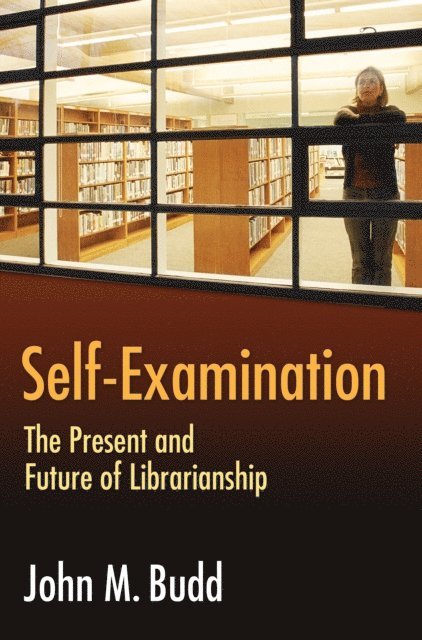
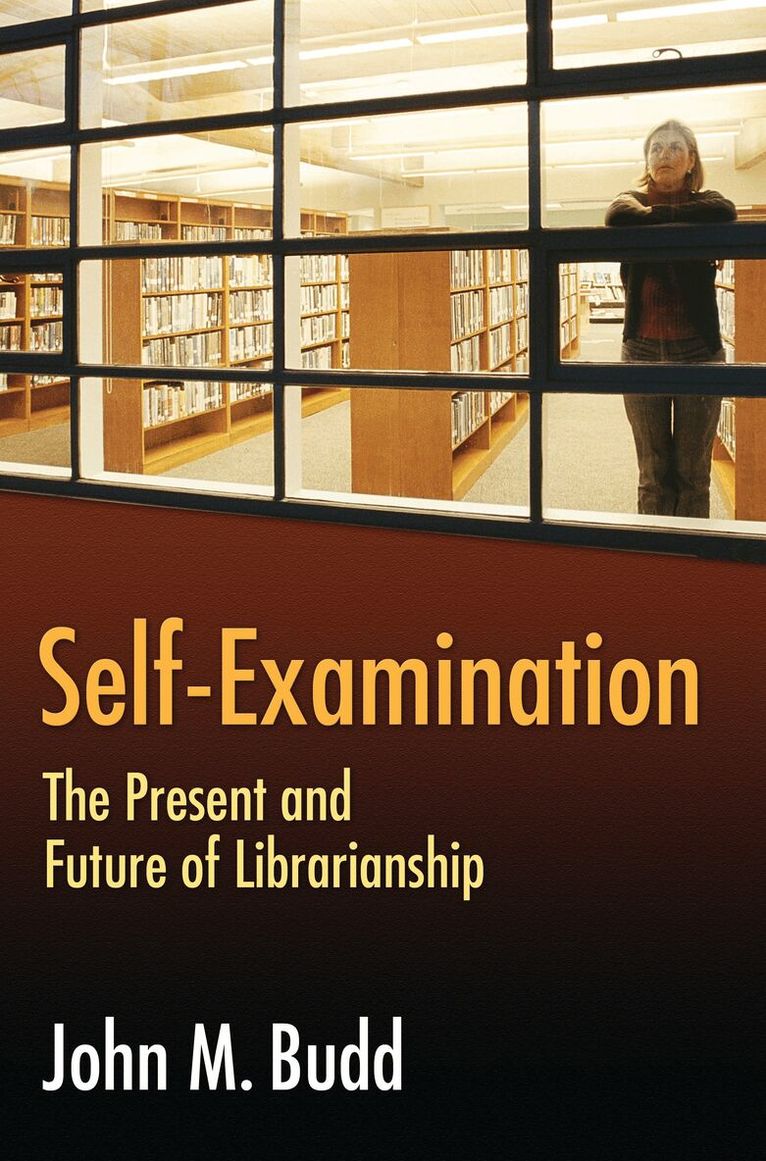
Self-Examination
The Present and Future of Librarianship
Av John M. Budd
E-bok, 2007
845 kr
Lägg i varukorg
What makes us librarians? What is it we do that is indispensable? John Budd joins an august group of library-science luminaries, such as Pierce Butler, Jesse Shera, and Michael Gorman, whose works and example invite professional and critical self-examination. Here, Budd challenges us to confront …
Eight Scandinavian Novelists
Criticism and Reviews in English
Av John M. Budd
Inbunden, 1981
564 kr
Lägg i varukorg
Product information not available.
Henry James
A Bibliography of Criticism, 1975-1981
Av John M. Budd
Inbunden, 1983
564 kr
Lägg i varukorg
Product information not available.
Library and Its Users
The Communication Process
Av John M. Budd
Inbunden, 1992
1198 kr
Lägg i varukorg
The purpose of this book is to examine the library and the librarian as they communicate with their raison d'etre, the user. Drawing from several literatures--those of communication, information theory, philosophy and linguistics--John M. Budd furthers the discussion of the communication process as …
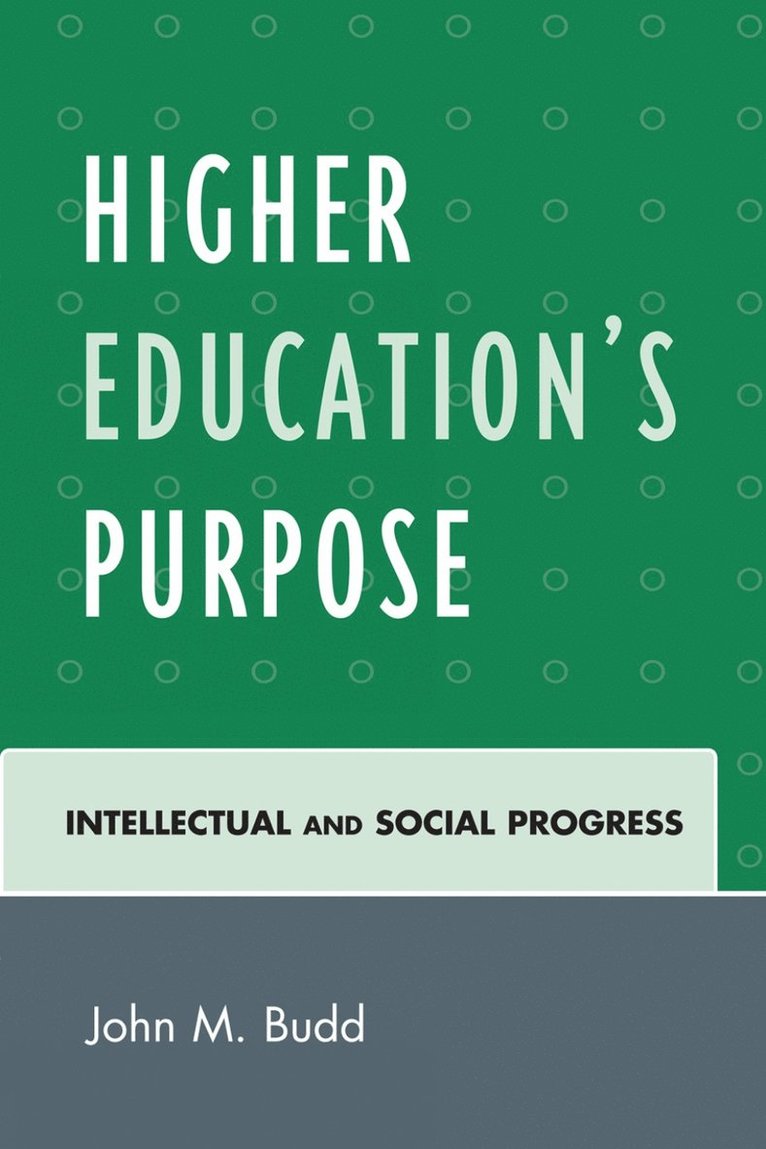
Higher Education's Purpose
Intellectual and Social Progress
Av John M. Budd
Häftad, 2008
601 kr
Lägg i varukorg
Is higher education in crisis? There are certainly some serious problems facing colleges and universities today. This book examines the internal and external problems facing higher education and offers some specific recommendations-addressing such issues as tenure, curriculum, administration, and …
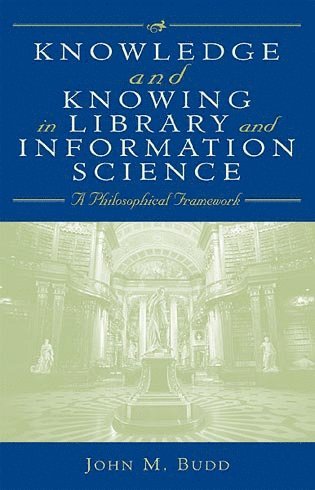
Knowledge and Knowing in Library and Information Science
A Philosophical Framework
Av John M. Budd
Häftad, 2001
987 kr
Lägg i varukorg
This landmark work traces the heritage of thought, from the beginnings of modern science in the seventeenth century, until today, that has influenced the profession of library and information science.
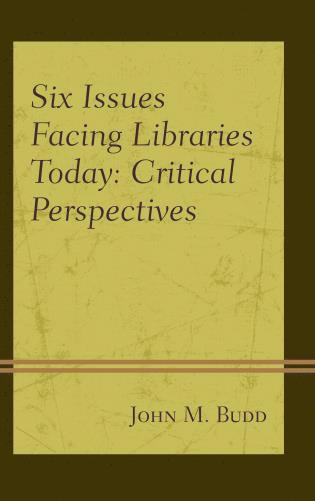
Six Issues Facing Libraries Today
Critical Perspectives
Av John M. Budd
Inbunden, 2017
1127 kr
Lägg i varukorg
This book addresses some of the most pressing issues in library and information science. It offers informed insight and perspectives on six essential and timely questions facing the profession:What is information?What is information literacy?What roles do academic libraries play in higher education …
Knowledge and Knowing in Library and Information Science
A Philosophical Framework
Av John M. Budd
E-bok, 2001
1067 kr
Lägg i varukorg
This landmark work traces the heritage of thought, from the beginnings of modern science in the seventeenth century, until today, that has influenced the profession of library and information science.
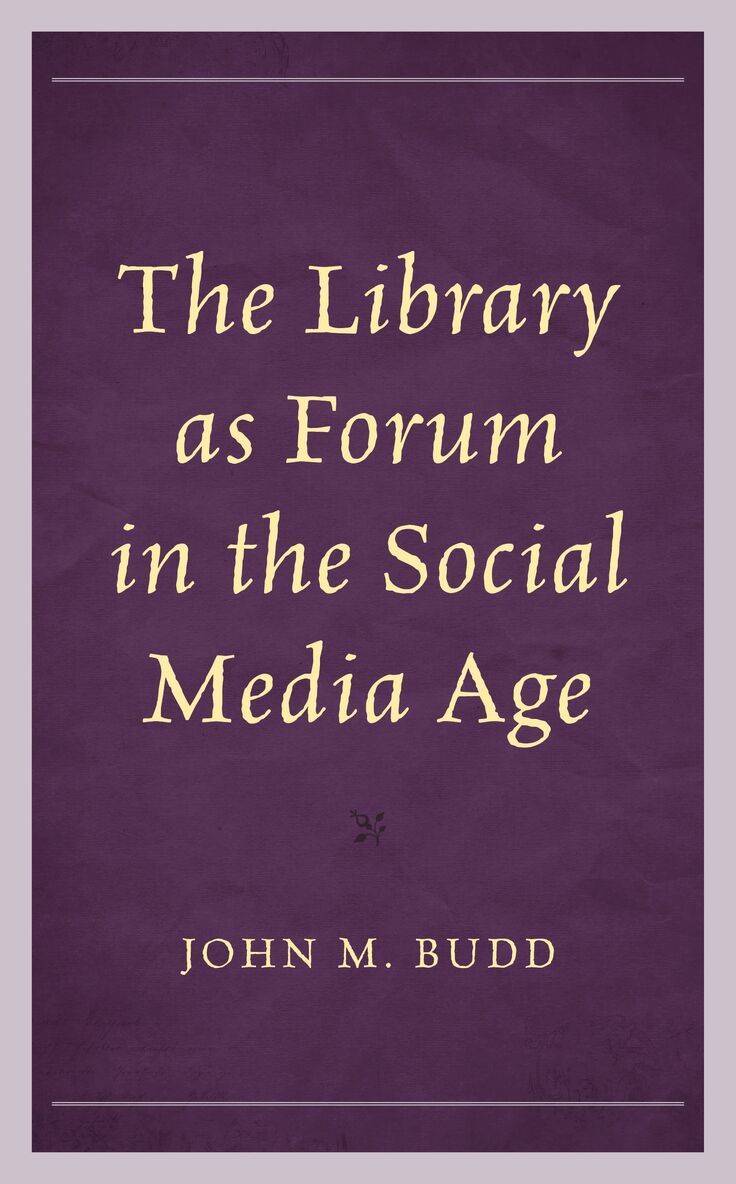
Library as Forum in the Social Media Age
Av John M. Budd
Inbunden, 2022
1268 kr
Lägg i varukorg
How do individuals in our country converse about thorny political matters? We know that these kinds of discussions can be fraught, but there are ways that the conversations can be thoughtful and civil. In this book, ways to ensure civil conversations are explored deeply. A major thrust of the book …
Library as Forum in the Social Media Age
Av John M. Budd
Häftad, 2024
455 kr
Lägg i varukorg
How do individuals in our country converse about thorny political matters? We know that these kinds of discussions can be fraught, but there are ways that the conversations can be thoughtful and civil. In this book, ways to ensure civil conversations are explored deeply. A major thrust of the book …
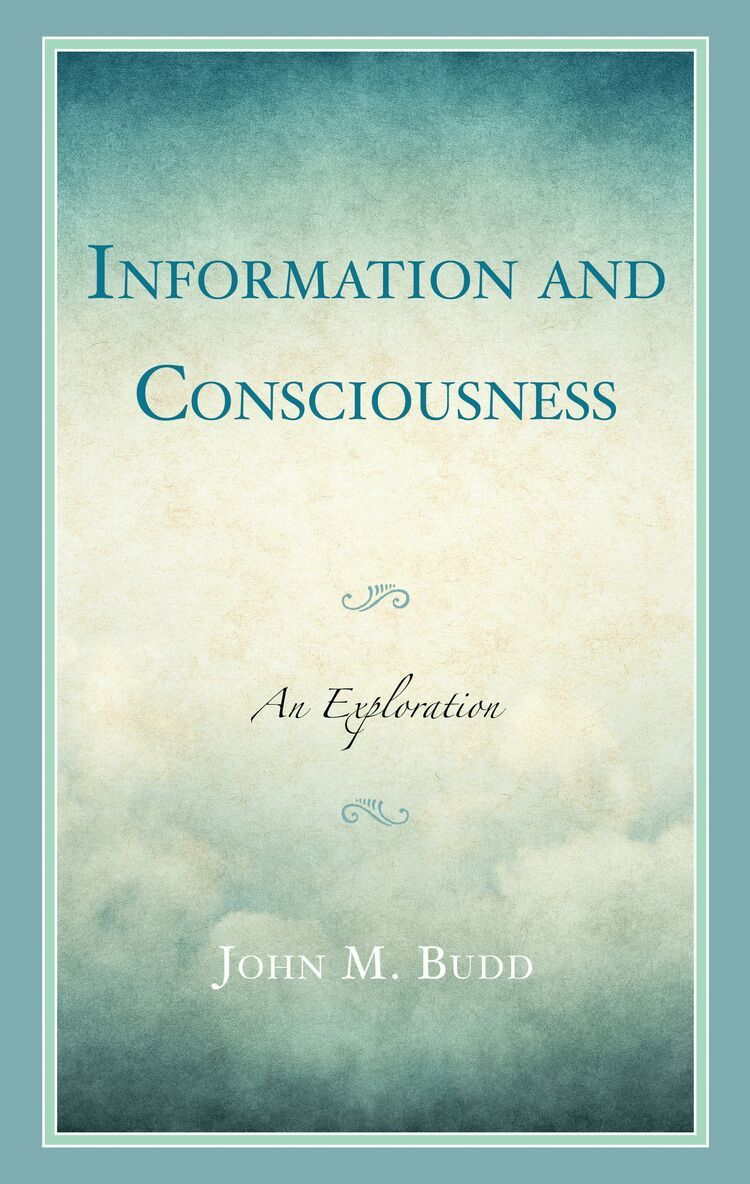
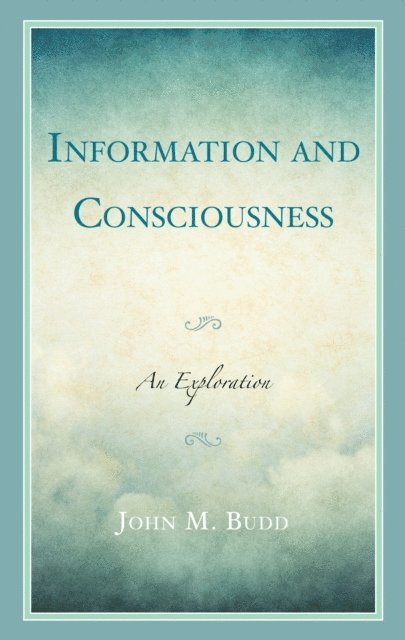
Information and Consciousness
An Exploration
Av John M. Budd
Inbunden, 2024
1197 kr
Lägg i varukorg
Information and Consciousness: An Exploration connects information and consciousness in ways that will open up potential inquiry into what information is, how it works, and its relationship to human consciousness. Information has been taken to mean many things in the past; the risk has been that, …
Information and Consciousness
An Exploration
Av John M. Budd
Häftad, 2027
409 kr
Kommande
Explore how information and consciousness are connected, and the potential questions and ideas those connections can lead to.This book connects information and consciousness in ways that will open up potential inquiry into what information is, how it works, and its relationship to human …
Information and Consciousness
An Exploration
Av John M. Budd
E-bok, 2024
1278 kr
Lägg i varukorg
Explore how information and consciousness are connected, and the potential questions and ideas those connections can lead to. This book connects information and consciousness in ways that will open up potential inquiry into what information is, how it works, and its relationship to human …
Self-Examination
The Present and Future of Librarianship
Av John M. Budd
Häftad, 2007
777 kr
Lägg i varukorg
What makes us librarians? What is it we do that is indispensable? John Budd joins an august group of library-science luminaries, such as Pierce Butler, Jesse Shera, and Michael Gorman, whose works and example invite professional and critical self-examination. Here, Budd challenges us to confront …
How Should We Live
Ethics and Morals for Library and Information Work
Av John M Budd
Häftad, 2026
870 kr
Lägg i varukorg
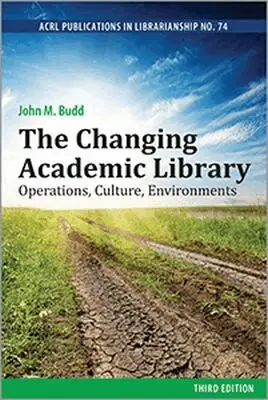
Changing Academic Library: Operations, Culture, Environments
Av John M. Budd
Häftad, 2018
992 kr
Tillfälligt slut
In this newly revised and expanded third edition, The Changing Academic Library: Operations, Culture, Environments, number 74 in ACRL’s Publications in Librarianship series, presents a critical examination of major issues facing colleges and universities and the unique challenges their libraries …