John M. Janzen – författare
Visar alla böcker från författaren John M. Janzen. Handla med fri frakt och snabb leverans.
11 produkter
Health in a Fragile State
Science, Sorcery, and Spirit in the Lower Congo
Inbunden, 2019
935 kr
Lägg i varukorg
Based on extensive field research in the Manianga region of the Lower Congo, Health in a Fragile State is an anthropological account of public health and health care after the collapse of the Congolese state in the 1980s and 1990s. This work brings into focus John M. Janzen's earlier books on …
Health in a Fragile State
Science, Sorcery, and Spirit in the Lower Congo
Häftad, 2021
254 kr
Lägg i varukorg
Based on extensive field research in the Manianga region of the Lower Congo, Health in a Fragile State is an anthropological account of public health and health care after the collapse of the Congolese state in the 1980s and 1990s. This work brings into focus John M. Janzen's earlier books on …
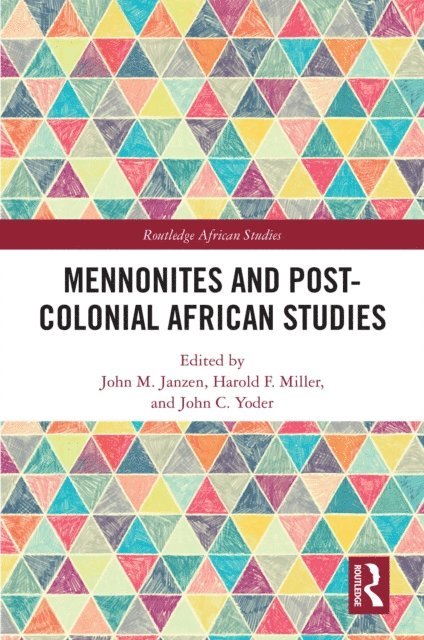
Mennonites and Post-Colonial African Studies
Av John M. Janzen, Harold F. Miller m. fl.
Inbunden, 2021
2504 kr
Lägg i varukorg
This book examines the evolution of post-colonial African Studies through the eyes of Africanists from the Anabaptist (Mennonite and Church of the Brethren) community.The book chronicles the lives of twenty-two academics and practitioners whose work spans from the immediate post-colonial period in …
Mennonites and Post-Colonial African Studies
Av John M. Janzen, Harold F. Miller m. fl.
Häftad, 2023
689 kr
Lägg i varukorg
This book examines the evolution of post-colonial African Studies through the eyes of Africanists from the Anabaptist (Mennonite and Church of the Brethren) community.The book chronicles the lives of twenty-two academics and practitioners whose work spans from the immediate post-colonial period in …
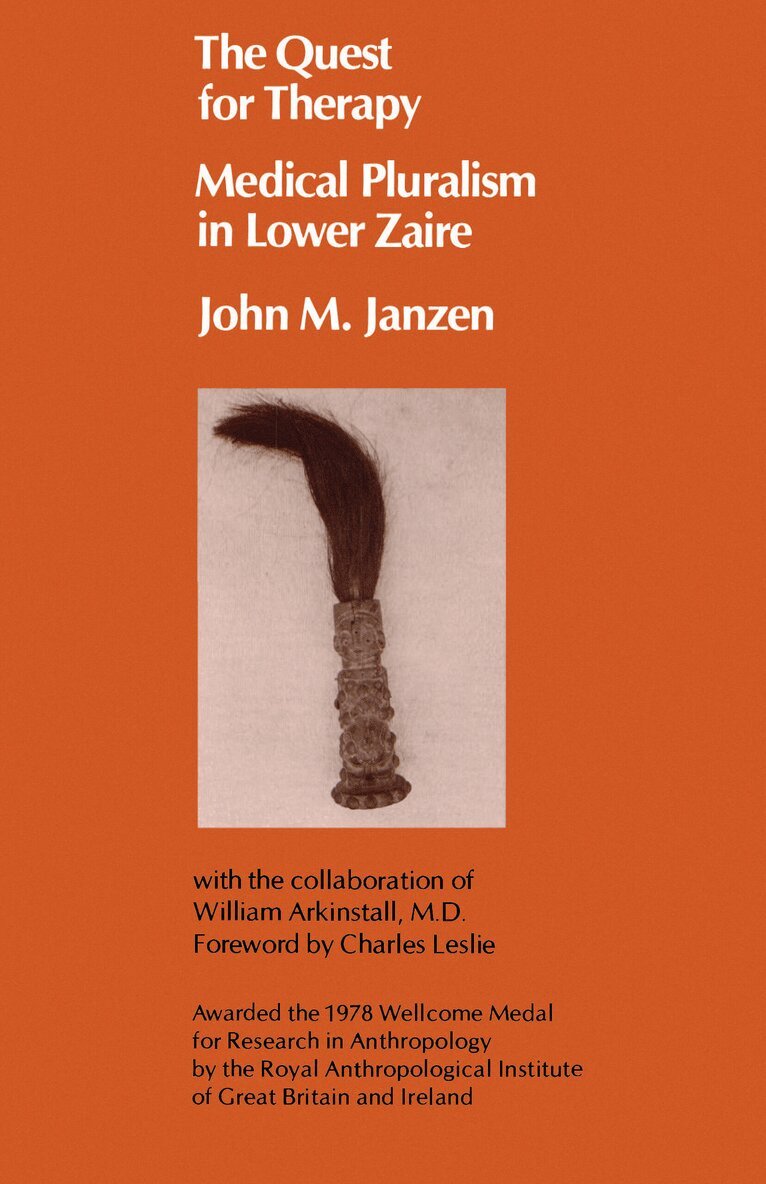
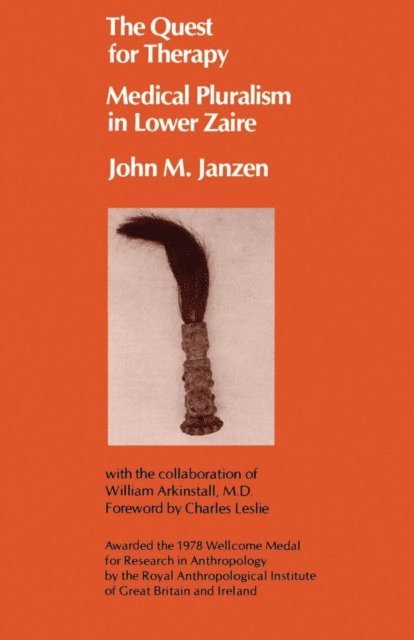
Quest for Therapy in Lower Zaire
Häftad, 1982
441 kr
Lägg i varukorg
In this book, Dr. John M. Janzen describes patterns of healing among the BaKongo of Lower Zaire in Africa, who, like many people elsewhere, utilize cosmopolitan medicine alongside traditional healing practices. What criteria, he asks, determine the choice of the alternative therapies? And what is …
Social Basis of Health and Healing in Africa
Av Steven Feierman, John M. Janzen
Häftad, 1992
446 kr
Lägg i varukorg
Until now our knowledge of African health and healing has been extensive but fragmented. Here in eighteen essays is the first comprehensive account of disease, health,and healing practices in the African continent. The contributors all emphasize the social conditions linked to ill health and the …
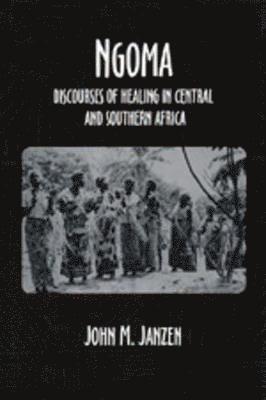
Ngoma
Discourses of Healing in Central and Southern Africa
Inbunden, 1992
771 kr
Lägg i varukorg
Ngoma, in Bantu, means drum, song, performance, and healing cult or association. A widespread form of ritual healing in Central and Southern Africa, ngoma is fully investigated here for the first time and interpreted in a contemporary context. John Janzen's daring study incorporates drumming and …
Quest for Therapy in Lower Zaire
E-bok, 1978
488 kr
Lägg i varukorg
In this book, Dr. John M. Janzen describes patterns of healing among the BaKongo of Lower Zaire in Africa, who, like many peoples elsewhere, utilize cosmopolitan medicine alongside traditional healing practices. What criteria, he asks, determine the choice of the alternative therapies? And what is …
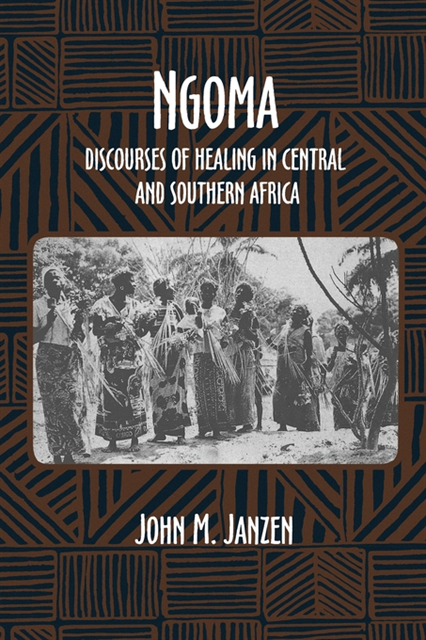
Ngoma
Discourses of Healing in Central and Southern Africa
E-bok, 1992
898 kr
Lägg i varukorg
Ngoma , in Bantu, means drum, song, performance, and healing cult or association. A widespread form of ritual healing in Central and Southern Africa, ngoma is fully investigated here for the first time and interpreted in a contemporary context. John Janzen''s daring study incorporates drumming and …
Mennonites and Post-Colonial African Studies
Av John C. Yoder, Harold F. Miller m. fl.
E-bok, 2021
820 kr
Lägg i varukorg
This book examines the evolution of post-colonial African Studies through the eyes of Africanists from the Anabaptist (Mennonite and Church of the Brethren) community. The book chronicles the lives of twenty-two academics and practitioners whose work spans from the immediate post-colonial period in …
Mennonites and Post-Colonial African Studies
Av John C. Yoder, Harold F. Miller m. fl.
E-bok, 2021
838 kr
Lägg i varukorg
This book examines the evolution of post-colonial African Studies through the eyes of Africanists from the Anabaptist (Mennonite and Church of the Brethren) community. The book chronicles the lives of twenty-two academics and practitioners whose work spans from the immediate post-colonial period in …