John MacGinnis – författare
Visar alla böcker från författaren John MacGinnis. Handla med fri frakt och snabb leverans.
4 produkter
4 produkter
Häftad, Engelska, 2018
257 kr
Skickas
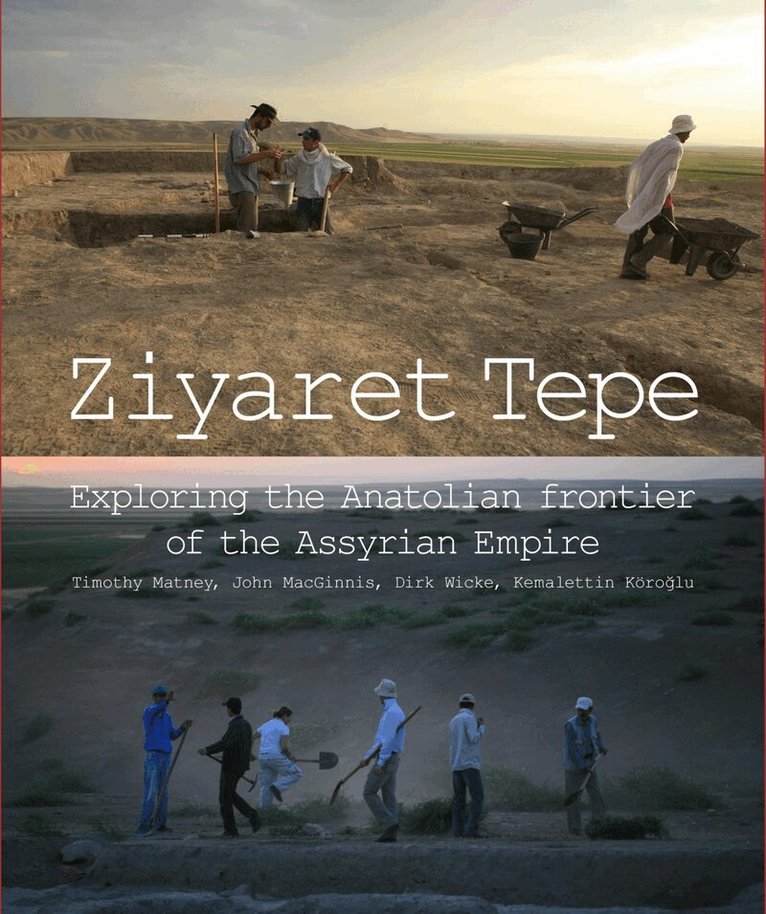
This volume presents a vivid record in words and pictures of a dig on the Anatolian borders of Mesopotamia that ended recently after nearly two decades. Designed in the format of a survey book, Ziyaret Tepe: Exploring the Anatolian frontier of the Assyrian Empire captures the sense of intimacy and immediacy of the project. Ziyaret Tepe, the ancient city of Tušhan, was a provincial capital of the Assyrian Empire, in its day the greatest empire the world had ever seen. The excavations captured in this innovative book uncovered the palace of the governor, the mansions of the elite and the barracks of the rank and file, charting the history of the empire from its expansion in the early 9th century BC to its fall three centuries years later. The great mound of Ziyaret Tepe, with its accumulated layers rising 22 metres above the surrounding plain, is a record of thousands of years of human occupation. In the course of 18 seasons of fieldwork, both the lower town and the mound looming up over it yielded the secrets of Tušhan, today in southeast Turkey, near the border with Syria. This has always been frontier country. Elaborate wall paintings, a hoard of luxury items burned in a cremation ritual 2,800 years ago, and a cuneiform tablet that hints at a previously unknown language are among the team’s exceptional finds. The story of the project is told by the specialists who dedicated years of their lives to it. Geophysicists, ceramicists, readers of cuneiform, experts in weaving, board games and Neo-Assyrian politics joined archaeologists, zooarchaeologists, archaeobotanists and many others. But this is no dry field book of dusty digging. Both accessible and scholarly, it is a lively, copiously illustrated record of excavations involving the whole team, a compelling demonstration of the collaboration – the science, artistry and imaginative reconstruction – that makes modern archaeology so absorbing.
E-bok
Engelska, 2021123 kr
Läs direkt efter köp
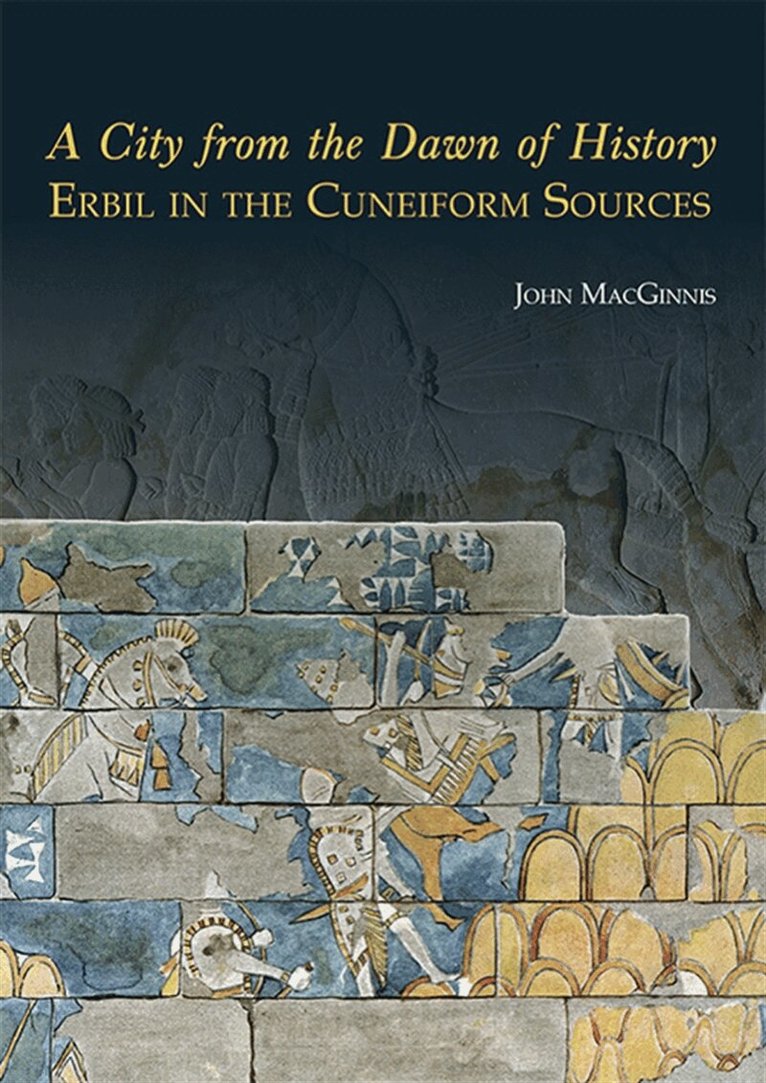
The city of Erbil, which now claims to be one of the oldest continually inhabited cities in the world, lies on the rich alluvial plains at the foot of the piedmont of the Zagros mountains in a strategic position which from the earliest times made it a natural gateway between Iran and Mesopotamia. Within the context of ancient Mesopotamian civilisation there can be no doubt that it will have been one of the most important urban centres. Yet while the citadel of Erbil is without question a site of exceptional interest, archaeologically the mound has until recently remained virtually untouched. On the other hand rich documentation allows us to understand the context in which the city grew and flourished. This work is dedicated to the cuneiform sources. Together these include hundreds of documents stretching from the late third millennium to the mid first millennium BC. The very first references, in administrative documents from the archives of the royal palace at Ebla, date to ca. 2300 BC. In the eras that follow texts written in Sumerian and then Akkadian attest to the city's periods of independence alternating with its incorporation in the Ur III, Assyrian and Babylonian empires. From the Achaemenid period, while the Elamite texts from Persepolis are mostly unpublished, Erbil does appear both in the famous inscription of Darius I at Behistun and in the celebrated Passport of Nehtihur, an Aramaic document from Elephantine in Egypt. The sources include a wide variety of administrative texts, royal inscriptions, grants, chronicles, letters, votive dedications and oracular pronouncements which together give a unique insight into the history and society of this exceptional city.
Häftad, Engelska, 2023
493 kr
Skickas inom 3-6 vardagar
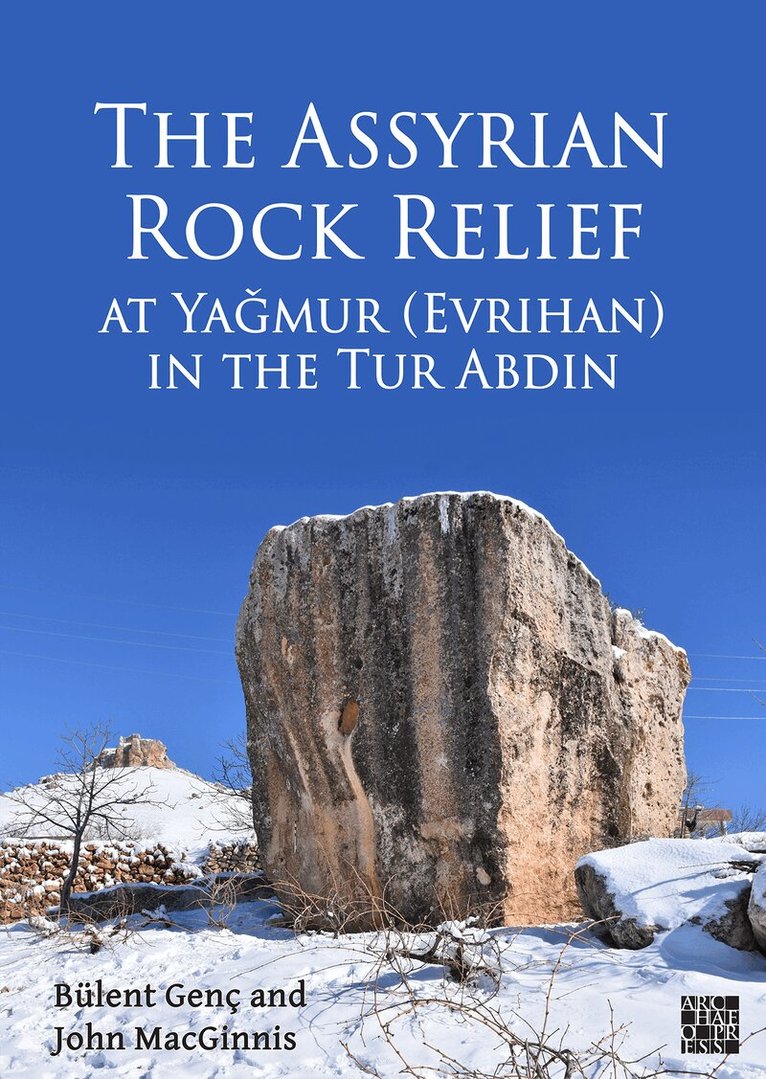
The Assyrian Rock Relief at Yaǧmur in the Tur Abdin publishes a newly discovered rock relief in the Mazıdağı Plain, at the western end of the Tur Abdin in southeastern Turkey. The preserved remains include an image of an Assyrian king, divine symbols and traces of three panels of cuneiform inscription. Both the image and the panel preserving the most coherent section of legible text can be dated to the time of Tiglath-pileser I. The sequences which can be deciphered relate to the king’s penetration into the northwest undertaken in the course of his third campaign against the Nairi lands. The monument is studied in the context of our understanding of the Assyrian expansion in this sector, together with a review of the settlement pattern and political organisation of the Tur Abdin as presented in Assyrian sources.
Häftad, Engelska, 2016
1 186 kr
Tillfälligt slut
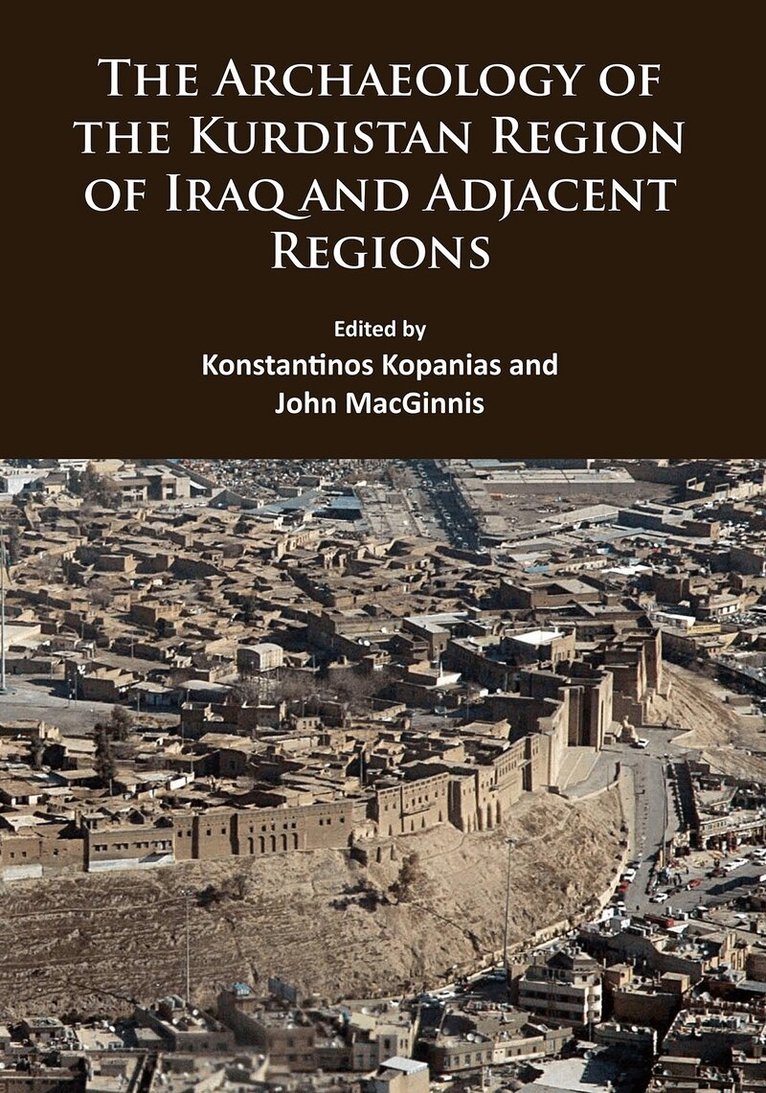
The burgeoning of archaeological research in the Kurdish Autonomous Region of Iraq is one of the great success stories of world archaeology today. For twenty years it was impossible for western archaeologists to work in Iraq, and for most of this time there were also heavy restrictions on the activity of Iraqi archaeologists. In addition to this Kurdistan remains a region never systematically explored. The conference presented the first opportunity for the leading figures in this renaissance of research in the area to gather and present all the key new projects which are revolutionising our understanding of the region.The following papers are available to download in Open Access:Current Investigations into the Early Neolithic of the Zagros Foothills of Iraqi Kurdistan - Roger Matthews, Wendy Matthews, Kamal Rasheed Raheem and Kamal Rauf Aziz: DownloadAbout Bakr Awa - Peter A. Miglus: Download