John Makeham - Böcker
Visar alla böcker från författaren John Makeham. Handla med fri frakt och snabb leverans.
13 produkter
13 produkter
983 kr
Skickas inom 7-10 vardagar
Zhu Xi (1130-1200) is the most influential Neo-Confucian philosopher and arguably the most important Chinese philosopher of the past millennium, both in terms of his legacy and for the sophistication of his systematic philosophy. The Buddhist Roots of Zhu Xi's Philosophical Thought combines in a single study two major areas of Chinese philosophy that are rarely tackled together: Chinese Buddhist philosophy and Zhu Xi's Neo-Confucian philosophy. Despite Zhu Xi's importance as a philosopher, the role of Buddhist thought and philosophy in the construction of his systematic philosophy remains poorly understood. What aspects of Buddhism did he criticize and why? Was his engagement limited to criticism (informed or otherwise) or did Zhu also appropriate and repurpose Buddhist ideas to develop his own thought? If Zhu's philosophical repertoire incorporated conceptual structures and problematics that are marked by a distinct Buddhist pedigree, what implications does this have for our understanding of his philosophical project? The five chapters that make up The Buddhist Roots of Zhu Xi's Philosophical Thought present a rich and complex portrait of the Buddhist roots of Zhu Xi's philosophical thought. The scholarship is meticulous, the analysis is rigorous, and the philosophical insights are fresh. Collectively, the chapters illuminate a greatly expanded range of the intellectual resources Zhu incorporated into his philosophical thought, demonstrating the vital role that models derived from Buddhism played in his philosophical repertoire. In doing so, they provide new perspectives on what Zhu Xi was trying to achieve as a philosopher, by repurposing ideas from Buddhism. They also make significant and original contributions to our understanding of core concepts, debates and conceptual structures that shaped the development of philosophy in East Asia over the past millennium.
929 kr
Skickas inom 7-10 vardagar
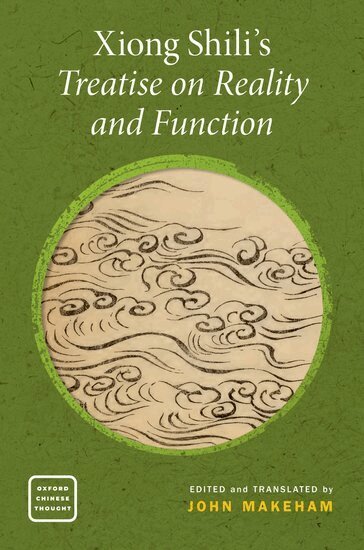
Xiong Shili (1885-1968) is widely recognized as a founding figure of the modern New Confucian school of philosophy and seen by many as one of the most important and creative Chinese philosophers of the twentieth century. His ultimate concern throughout his long intellectual career was to show that "Reality (ti) and function (yong) are non-dual." Reality is the "locus" that ontologically grounds the phenomenal yet is not different from the phenomenal. His onto-cosmology draws syncretically on a diverse range of resources in the Chinese philosophical tradition to construct his own overarching metaphysical vision, articulated within the broader context of advancing a systematic critique of both Madhyamaka and Yogācāra Buddhist thought, the culmination of nearly four decades of critical engagement.Treatise on Reality and Function (Ti yong lun) is the mature expression of Xiong's signature metaphysical doctrine. Published in 1958, Xiong considered it to be his most important philosophical achievement, but it has never before appeared in English. This annotated translation by John Makeham presents the text along with the original foreword attributed to Han Yuankai, and Xiong's original preface.
380 kr
Skickas inom 5-8 vardagar
Xiong Shili (1885-1968) is widely recognized as a founding figure of the modern New Confucian school of philosophy and seen by many as one of the most important and creative Chinese philosophers of the twentieth century. His ultimate concern throughout his long intellectual career was to show that "Reality (ti) and function (yong) are non-dual." Reality is the "locus" that ontologically grounds the phenomenal yet is not different from the phenomenal. His onto-cosmology draws syncretically on a diverse range of resources in the Chinese philosophical tradition to construct his own overarching metaphysical vision, articulated within the broader context of advancing a systematic critique of both Madhyamaka and Yogācāra Buddhist thought, the culmination of nearly four decades of critical engagement.Treatise on Reality and Function (Ti yong lun) is the mature expression of Xiong's signature metaphysical doctrine. Published in 1958, Xiong considered it to be his most important philosophical achievement, but it has never before appeared in English. This annotated translation by John Makeham presents the text along with the original foreword attributed to Han Yuankai, and Xiong's original preface.
1 801 kr
Skickas inom 5-8 vardagar
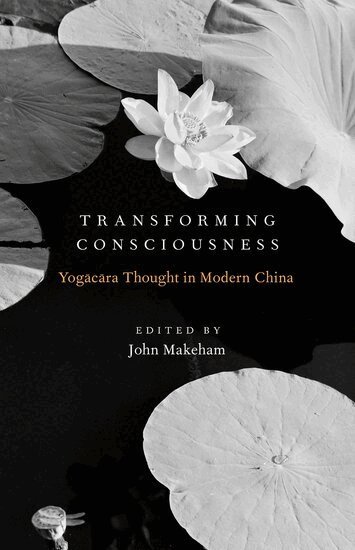
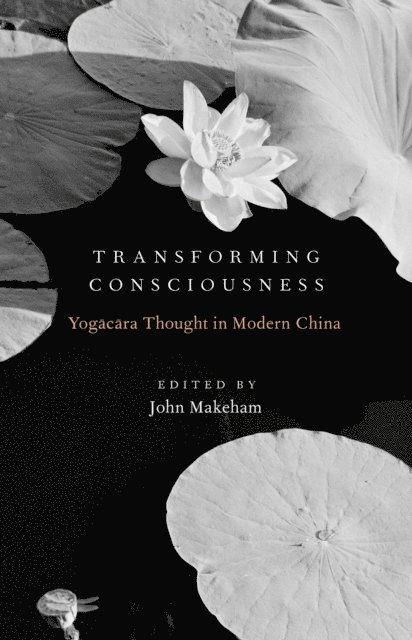
Transforming Consciousness forces us to rethink the entire project in modern China of the "translation of the West." Taken together, the chapters develop a wide-ranging and deeply sourced argument that Yogacara Buddhism played a much more important role in the development of modern Chinese thought (including philosophy, religion, scientific thinking, social, thought, and more) than has previously been recognized. They show that Yogacara Buddhism enabled key intellectuals of the late Qing and early Republic to understand, accept, modify, and critique central elements of Western social, political, and scientific thought. The chapters cover the entire period of Yogacara's distinct shaping of modern Chinese intellectual movements, from its roots in Meiji Japan through its impact on New Confucianism. If non-Buddhists found Yogacara useful as an indigenous form of logic and scientific thinking, Buddhists found it useful in thinking through the fundamental principles of the Mahayana school, textual criticism, and reforming the canon. This is a crucial intervention into contemporary scholarly understandings of China's twentieth century, and it comes at a moment in which increasing attention is being paid to modern Chinese thought, both in Western scholarship and within China.
541 kr
Skickas inom 5-8 vardagar
Transforming Consciousness forces us to rethink the entire project in modern China of the "translation of the West." Taken together, the chapters develop a wide-ranging and deeply sourced argument that Yogacara Buddhism played a much more important role in the development of modern Chinese thought (including philosophy, religion, scientific thinking, social, thought, and more) than has previously been recognized. They show that Yogacara Buddhism enabled key intellectuals of the late Qing and early Republic to understand, accept, modify, and critique central elements of Western social, political, and scientific thought. The chapters cover the entire period of Yogacara's distinct shaping of modern Chinese intellectual movements, from its roots in Meiji Japan through its impact on New Confucianism. If non-Buddhists found Yogacara useful as an indigenous form of logic and scientific thinking, Buddhists found it useful in thinking through the fundamental principles of the Mahayana school, textual criticism, and reforming the canon. This is a crucial intervention into contemporary scholarly understandings of China's twentieth century, and it comes at a moment in which increasing attention is being paid to modern Chinese thought, both in Western scholarship and within China.
Del 64 - Harvard-Yenching Institute Monograph Series
Lost Soul
“Confucianism” in Contemporary Chinese Academic Discourse
Inbunden, Engelska, 2008
402 kr
Skickas inom 7-10 vardagar
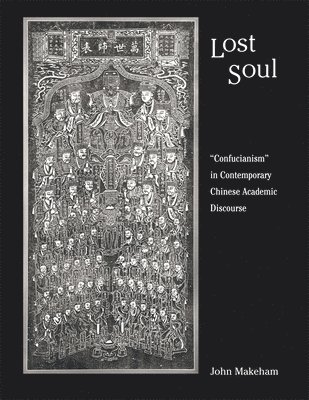
Since the mid-1980s, Taiwan and mainland China have witnessed a sustained resurgence of academic and intellectual interest in ruxue—“Confucianism”—variously conceived as a form of culture, an ideology, a system of learning, and a tradition of normative values. This discourse has led to a proliferation of contending conceptions of ruxue, as well as proposals for rejuvenating it to make it a vital cultural and psycho-spiritual resource in the modern world.This study aims to show how ruxue has been conceived in order to assess the achievements of this enterprise; to identify which aspects of ru thought and values academics find viable, and why; to highlight the dynamics involved in the ongoing cross-fertilization between academics in China and Taiwan; and to examine the relationship between these activities and cultural nationalism.Four key arguments are developed. First, the process of intellectual cross-fertilization and rivalry between scholars has served to sustain academic interest in ruxue. Second, contrary to conventional wisdom, party-state support in the PRC does not underpin the continuing academic discourse on ruxue. Third, cultural nationalism, rather than state nationalism, better explains the nature of this activity. Fourth, academic discourse on ruxue provides little evidence of robust philosophical creativity.
382 kr
Tillfälligt slut
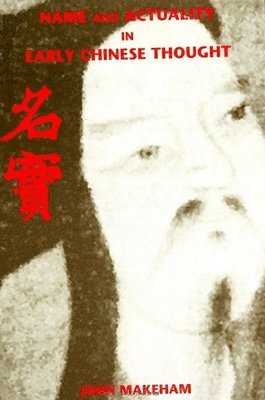
This is the first Western study of the philosophy of Xu Gan (170-217), a Confucian thinker who lived at a nodal point in the history of Chinese thought, when Han scholasticism had become ossified and the creative and independent quality that characterized Wei-Jin thought was just emerging. As the theme of his study, Makeham develops an original and richly detailed account of ming shi, 'name and actuality,' one of the key pairs of concepts in early Chinese thought. He shows how Xu Gan's understanding of the 'name and actuality' relationship was most immediately influenced by Xu Gan's understanding of why the Han dynasty had collapsed, yet had its roots in a tradition of discourse that spanned the classical period (circa 500-150 B.C.E.).In reconstructing the philosophical background of Xu Gan's understanding of the relationship between 'name and actuality,' Makeham identifies two antithetical theories of naming in early Chinese thought-nominalist and correlative-a distinction that is as great as the Realist-Nominalist distinction of Western thought. He shows how Xu Gan's views on the name and actuality relationship were animated, on the one hand, by a rejection of nominalist theories of naming, and on the other hand, by a novel appropriation of correlative theories of naming. The study also analyzes two of the more immediate social and intellectual issues in the late Eastern Han (25-220) period that had prompted Xu Gan to discuss the name and actuality relationship: the ethos of the scholar-gentry (ming jiao) and Han approaches to classical scholarship. Makeham demonstrates how Xu Gan's critique of these matters is valuable not only as a late Han philosophical account of what had led to the demise of the 400-year-old Han dynasty, but also as a mode of conceptualizing that contributed to the new direction that philosophical thinking took in the third century C.E..
534 kr
Skickas inom 10-15 vardagar
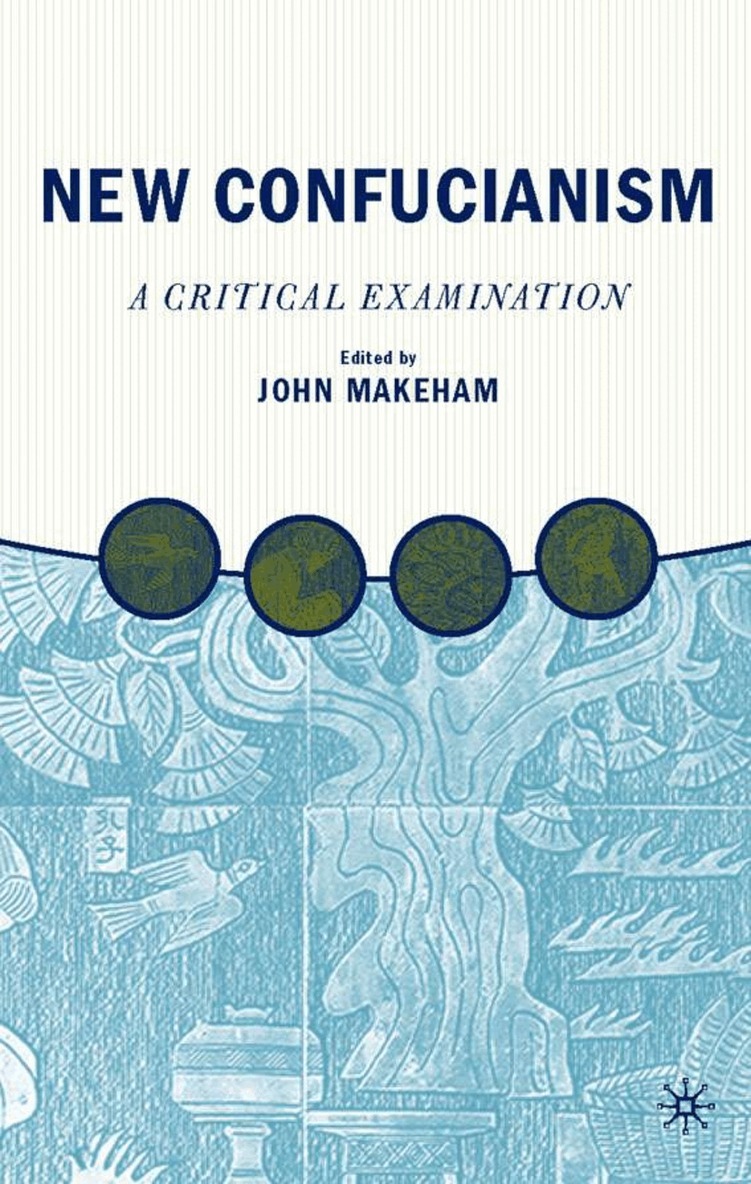
This collection of essays explores the development of the New Confucianism movement during the 20th century and questions whether it is, in fact, a distinctly new intellectual movement or one that has been mostly retrospectively created. The questions that contributors to this book seek to answer about this neo-conservative philosophical movement include: what has been the cross fertilization between Chinese scholars in China and overseas made possible by the shared discourse of Confucianism?; to what extent does this discourse transcend geographical, political, cultural, and ideological divides?; why do so many Chinese intellectuals equate Confucianism with Chinese cultural identity?; and does the Confucian revival of the 1990s in China and Taiwan represent a genuine philosophical renaissance or a resurgence in interest based on political and cultural factors?.
Del 2 - East Asian Buddhist Philosophy
Awakening of Faith and New Confucian Philosophy
Inbunden, Engelska, 2021
3 187 kr
Skickas inom 5-8 vardagar
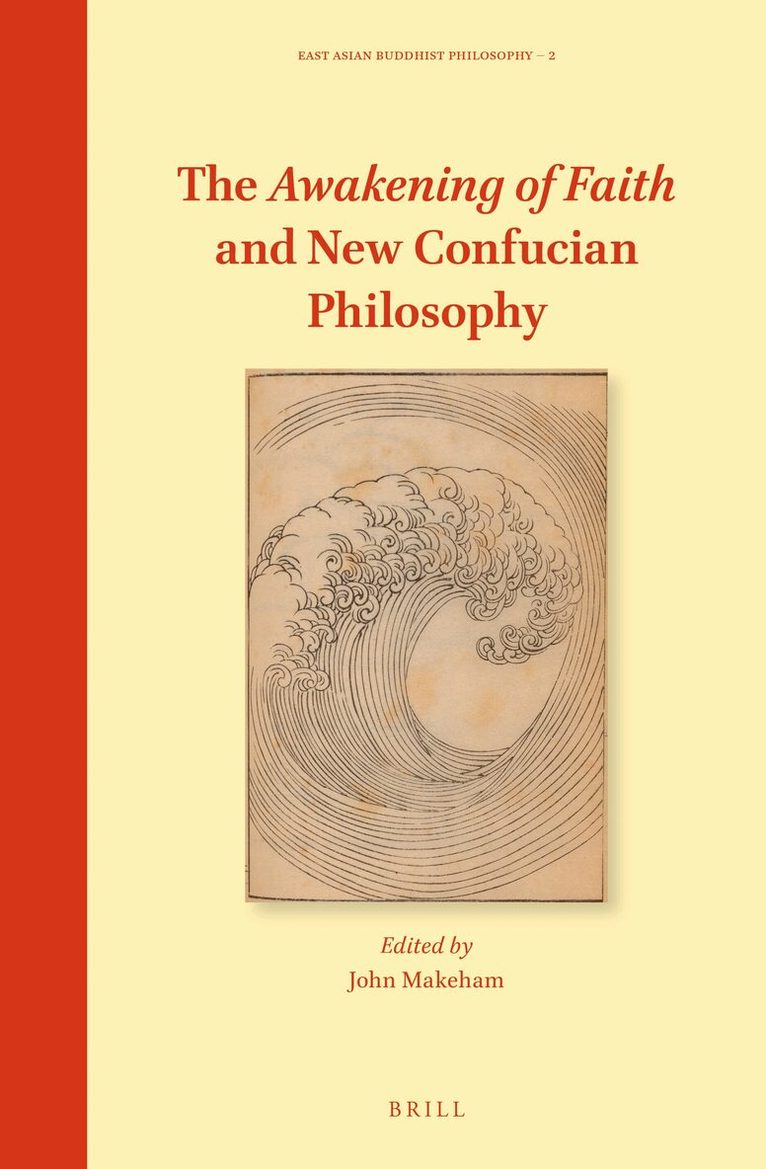
This innovative volume demonstrates how and to what ends the writings of Xiong Shili, Ma Yifu, Tang Junyi and Mou Zongsan adopted and repurposed conceptual models derived from the Buddhist text Treatise on Awakening Mahāyāna Faith. It shows which of the philosophical positions defended by these New Confucian philosophers were developed and sustained through engagement with the critical challenges advanced by scholars who attacked the Treatise. It also examines the extent to which twentieth-century New Confucians were aware of their intellectual debt to the Treatise and explains how they reconciled this awareness with their Confucian identity.
Del 27 - Modern Chinese Philosophy
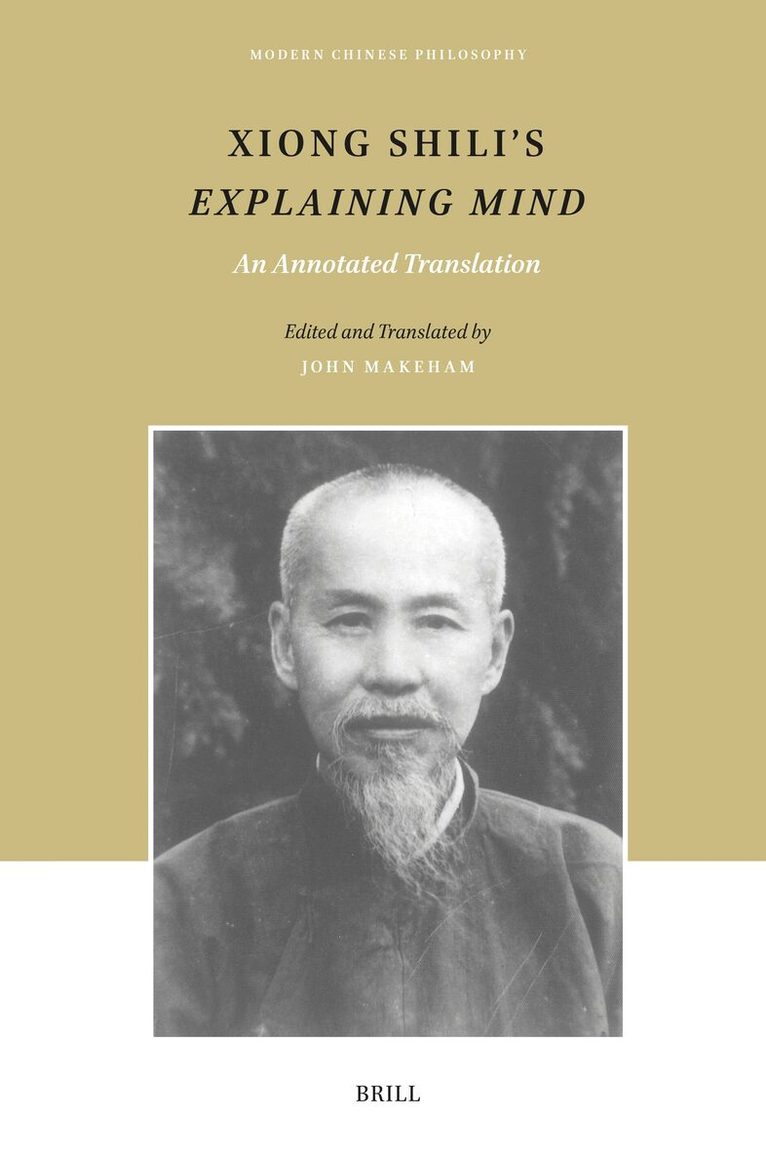
Xiong Shili’s Explaining Mind
An Annotated Translation
Inbunden, Engelska, 2025
2 497 kr
Skickas inom 3-6 vardagar
Explaining Mind is a representative text of Xiong Shili’s mature onto-cosmology, moral psychology, and epistemology, in which he develops an extended account of mind, as both a moral concept and a metaphysical concept, while critically engaging key aspects of Buddhist, Daoist and Confucian thought. The book covers a diverse range of topics and themes, including the non-duality of Reality and function, philosophical psychology, the inherent mind and the habituated mind, the mind of humaneness, the inseparability of mind and matter, learning concerned with increasing knowledge daily (modern science) and learning concerned with removing ignorance daily (ancient philosophy), cultivation practices of Confucians and Buddhists, wisdom and knowledge, and the origin of badness and wrongdoing.
3 172 kr
Skickas inom 10-15 vardagar
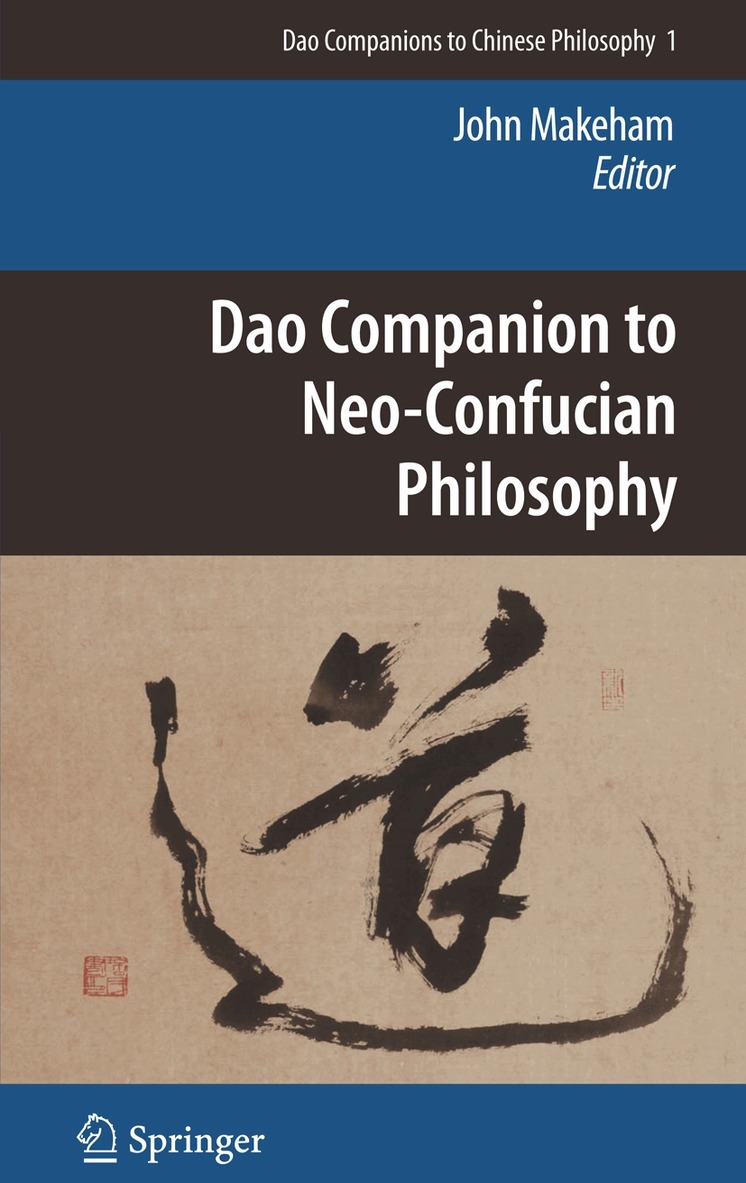
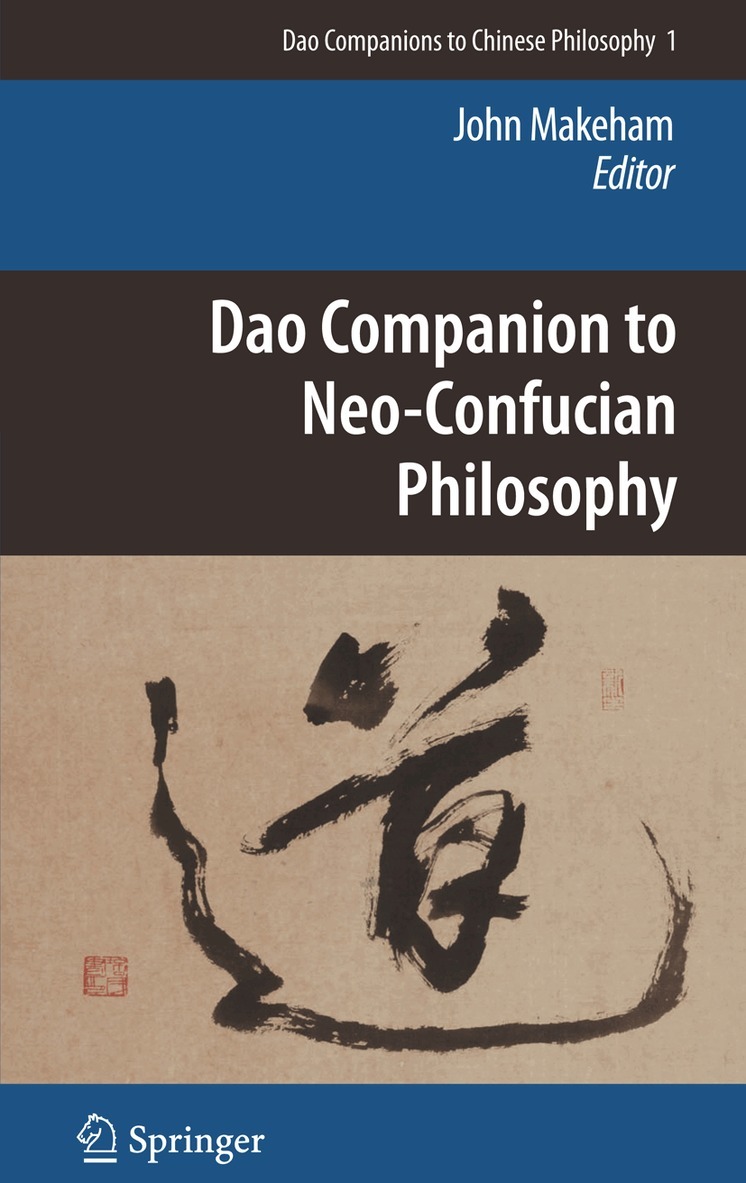
This is the first comprehensive introduction to the philosophical thinking of representative Neo-Confucian thinkers from the eleventh to eighteenth centuries. Draws methodological approaches from comparative philosophy and Chinese intellectual traditions.
3 172 kr
Skickas inom 10-15 vardagar
This is the first comprehensive introduction to the philosophical thinking of representative Neo-Confucian thinkers from the eleventh to eighteenth centuries. Draws methodological approaches from comparative philosophy and Chinese intellectual traditions.
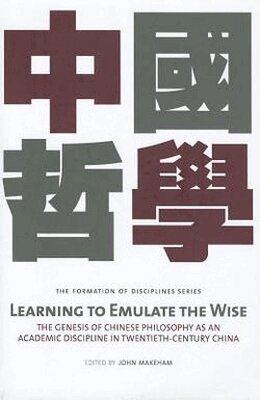
Learning to Emulate the Wise
The Genesis of Chinese Philosophy As an Academic Discipline in Twentieth-Century China
Inbunden, Engelska, 2012
561 kr
Skickas inom 7-10 vardagar
Learning to Emulate the Wise is the first book of a three-volume series that constructs a historically informed, multidisciplinary framework to examine how traditional Chinese knowledge systems and grammars of knowledge construction interacted with Western paradigms in the formation and development of modern academic disciplines in China. Within this volume, John Makeham and several other noted sinologists and philosophers explore how the field of "Chinese philosophy" (Zhongguo Zhexue) was born and developed in the early decades of the twentieth century, examining its growth and relationship with European, American, and Japanese scholarship and philosophy. The work discusses an array of representative institutions and individuals, including FengYoulan, Fu Sinian, Hu Shi, Jin Yuelin, Liang Shuming, Nishi Amane, Tang Yongtong, Xiong Shili, Zhang Taiyan, and a range of Marxist philosophers. The epilogue discusses the intellectual-historical significance of these figures and throws into relief how Zhongguozhexue is understood today.