John McEvoy – författare
Visar alla böcker från författaren John McEvoy. Handla med fri frakt och snabb leverans.
21 produkter
Handbook of Intellectual Disability and Clinical Psychology Practice
Av Alan Carr, Christine Linehan m. fl.
Inbunden, 2016
3917 kr
Lägg i varukorg
The Handbook of Intellectual Disability and Clinical Psychology Practice will equip clinical psychologists in training with the skills necessary to complete a clinical placement in the field of intellectual disability. Building on the success of the previous edition this handbook has been …
Handbook of Intellectual Disability and Clinical Psychology Practice
Av Alan Carr, Christine Linehan m. fl.
Häftad, 2016
1225 kr
Lägg i varukorg
The Handbook of Intellectual Disability and Clinical Psychology Practice will equip clinical psychologists in training with the skills necessary to complete a clinical placement in the field of intellectual disability. Building on the success of the previous edition this handbook has been …
Handbook of Intellectual Disability and Clinical Psychology Practice
Av John McEvoy, Patricia Noonan Walsh m. fl.
E-bok, 2016
1445 kr
Lägg i varukorg
The Handbook of Intellectual Disability and Clinical Psychology Practice will equip clinical psychologists in training with the skills necessary to complete a clinical placement in the field of intellectual disability. Building on the success of the previous edition this handbook has been …
Handbook of Intellectual Disability and Clinical Psychology Practice
Av John McEvoy, Patricia Noonan Walsh m. fl.
E-bok, 2016
1413 kr
Lägg i varukorg
The Handbook of Intellectual Disability and Clinical Psychology Practice will equip clinical psychologists in training with the skills necessary to complete a clinical placement in the field of intellectual disability. Building on the success of the previous edition this handbook has been …
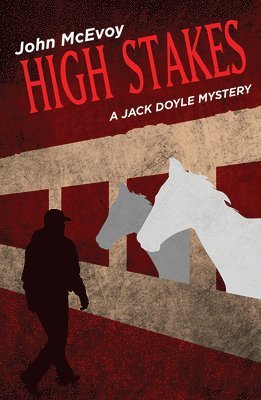
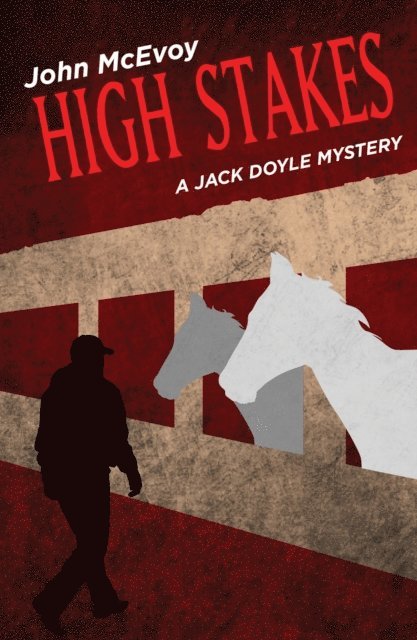
High Stakes
Av John McEvoy
E-bok, 2014
168 kr
Lägg i varukorg
"McEvoy deftly manages his busy plot while liberally spicing it with intriguing racing stories."— Publishers Weekly Irreverent Jack Doyle has worn many hats, one or two blown off by his irrepressible temper. A former boxer, advertising rep, and publicity man, Jack''s midlife career has been shaped …
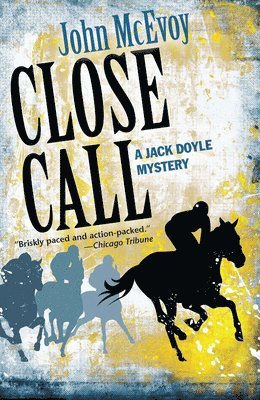
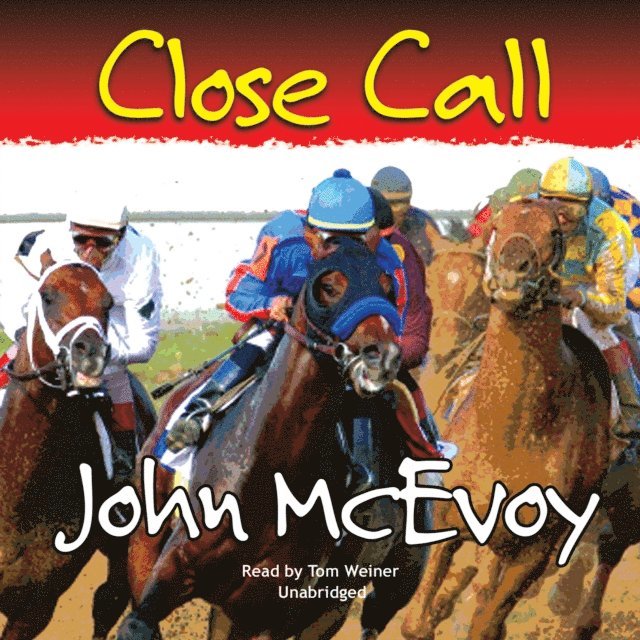
Close Call
Av John McEvoy
Ljudbok, 2008
278 kr
Lägg i varukorg
Jack Doyle, ex–amateur boxer and failed advertising account executive, returns to the world of thoroughbred horse racing when he is hired as publicity director for Monee Park, a struggling suburban Chicago track owned by heiress Celia McCann. McCann is determined to maintain the business, which was …
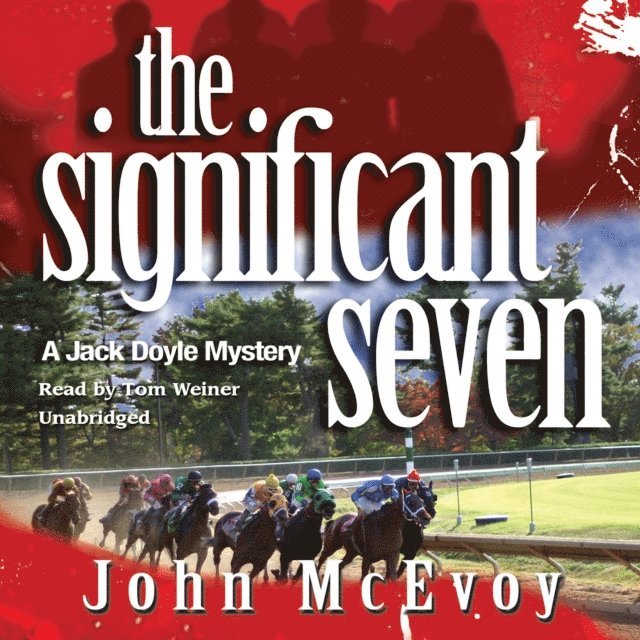
Significant Seven
Av John McEvoy
Ljudbok, 2010
278 kr
Lägg i varukorg
Seven lifelong friends and racing fans since their university days strike it lucky at Saratoga Race Course when they combine to win a million-dollar race. They use some of their profits to buy racehorses, one of which, The Badger Express, turns out to be a sensational runner, stallion, and …
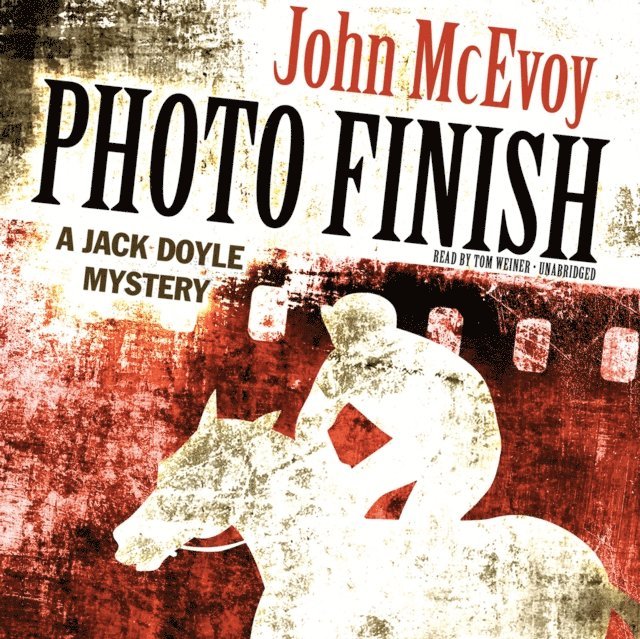
Photo Finish
A Jack Doyle Mystery
Av John McEvoy
Ljudbok, 2012
328 kr
Lägg i varukorg
Jack Doyle, former advertising man, amateur boxer, and Chicago racetrack publicist, undertakes a new job in the world of Thoroughbred horse racing: jockey agent. His client is Mickey Sheehan, a seventeen-year-old female riding phenomenon from Ireland, who has decided to try her luck in the States. …
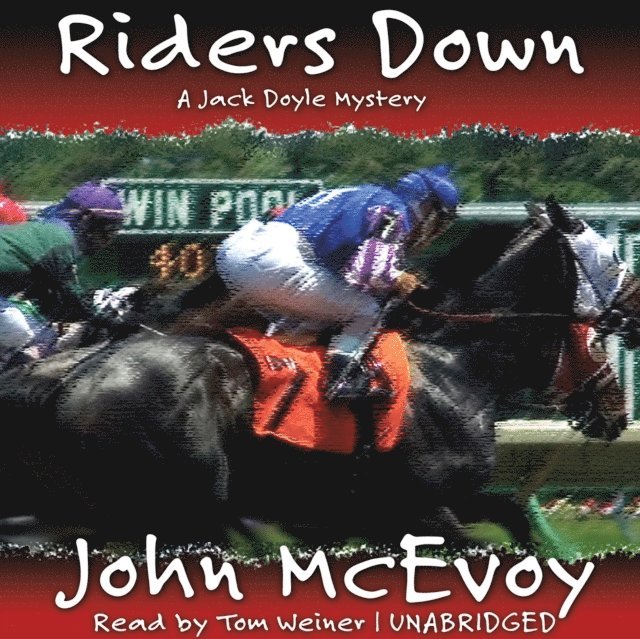
Riders Down
Av John McEvoy
Ljudbok, 2012
328 kr
Lägg i varukorg
No one really notices that a certain horse race might have been fixed until Matt O’Connor, a Chicago-based columnist for a national racing newspaper, gets a call from Moe Kellman, a horse-owning acquaintance. Kellman’s question for Matt: Was the death of ninety-two-year-old Bernard Glockner, …
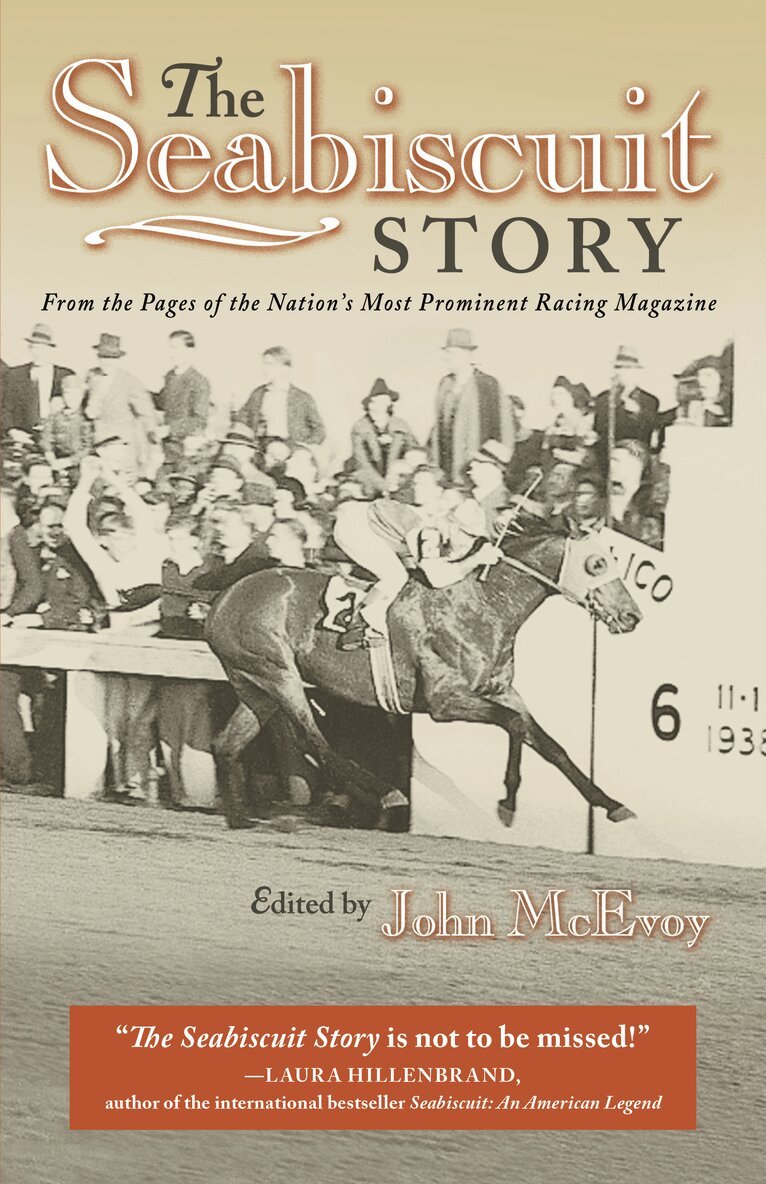
Seabiscuit Story
From the Pages of the Nation's Most Prominent Racing Magazine
Av John McEvoy
Häftad, 2023
275 kr
Lägg i varukorg
The Seabiscuit Story consists of actual news reports from the 1930s and 1940s, culled from the historic archives of The Blood-Horse magazine. Using firsthand accounts of Seabiscuit’s life and racing career—including his epic head-to-head victory against Triple Crown winner War Admiral—the book …
Photo Finish
Av John McEvoy
E-bok, 2012
148 kr
Lägg i varukorg
Irreverent Chicago racetrack publicist Jack Doyle, former advertising man and amateur boxer, accepts a new job as a thoroughbred jockey''s agent. His client is a seventeen-year-old riding phenom from Ireland named Mickey Sheehan. Mickey and Jack prove to be an effective team until someone begins …