John Mosier – författare
Visar alla böcker från författaren John Mosier. Handla med fri frakt och snabb leverans.
12 produkter
The Blitzkrieg Myth: How Hitler and the Allies Misread the Strategic Realities of World War II
Av John Mosier
Häftad, 2004
5,0 utav 5 stjärnor. Totalt antal röster: (1)
275 kr
Lägg i varukorg
Myth of the Great War
Av John Mosier
Häftad, 2001
5,0 utav 5 stjärnor. Totalt antal röster: (1)
229 kr
Lägg i varukorg
Blitzkrieg Myth
How Hitler and the Allies Misread the Strategic Realities of World War II
Av John Mosier
E-bok, 2011
113 kr
Lägg i varukorg
Many military tactics during World War II were based on the assumption that new technologies would lead to decisive battlefield victories, demoralization of the enemy by intensive bombing, or even a quick surrender. Political and military leaders, Allies and Axis alike, believed that "blitzkrieg" …
Myth of the Great War
A New Military History of World War I
Av John Mosier
E-bok, 2011
101 kr
Lägg i varukorg
"A compelling and novel reassessment of World War I military history" (Kirkus Reviews)"There is much in the work I really admire, not least its brilliant recasting of the traditional military narrative." —Niall Ferguson, author of The Pity of WarBased on previously unused French and German sources, …
Grant
Av John Mosier
Häftad, 2009
274 kr
Lägg i varukorg
A modest and unassuming man, Grant never lost a battle, leading the Union to victory over the Confederacy during the Civil War, ultimately becoming President of the reunited states. Grant revolutionized military warfare by creating new leadership tactics by integrating new technologies in classical …
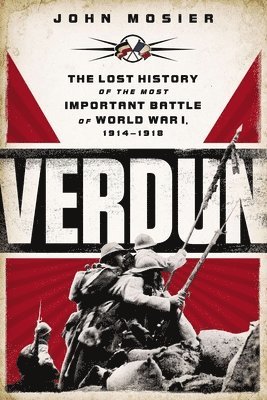
Verdun
The Lost History of the Most Important Battle of World War I
Av John Mosier
Häftad, 2014
316 kr
Lägg i varukorg
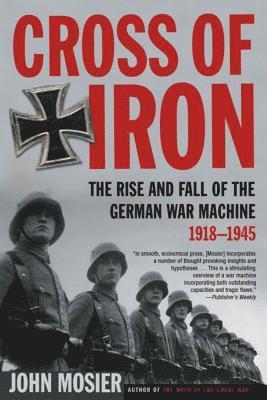
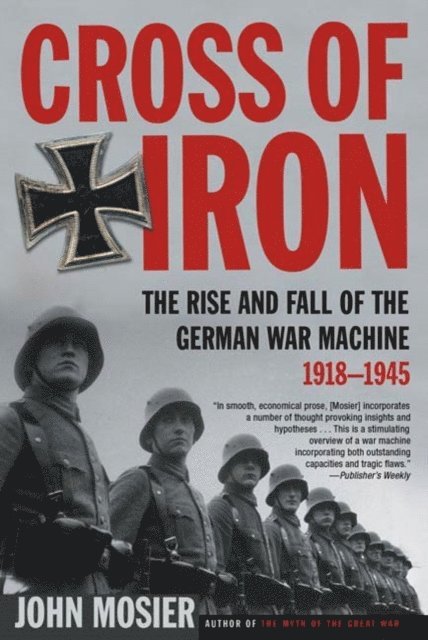
Cross of Iron: The Rise and Fall of the German War Machine, 1918-1945
Av John Mosier
Häftad, 2007
290 kr
Lägg i varukorg
Verdun
The Lost History of the Most Important Battle of World War I
Av John Mosier
E-bok, 2013
158 kr
Lägg i varukorg
Alongside Waterloo and Gettysburg, the Battle of Verdun during the First World War stands as one of history’s greatest clashes. Yet it is also one of the most complex and misunderstood, in a war only imperfectly grasped. Conventional wisdom holds that the battle began in February 1916 and lasted …
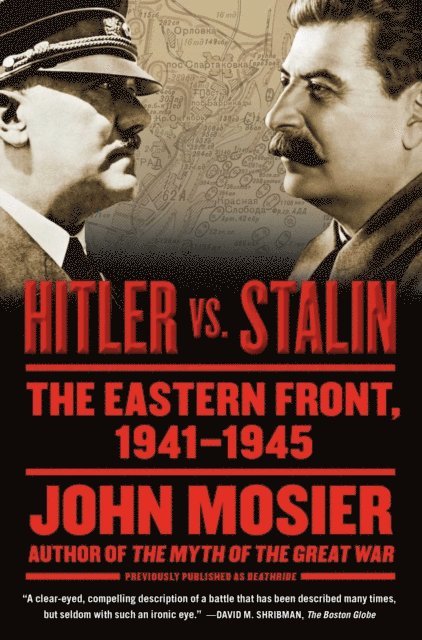
Deathride
Hitler vs. Stalin - The Eastern Front, 1941-1945
Av John Mosier
E-bok, 2010
199 kr
Lägg i varukorg
Originally published as Deathride , this is the true story of the Eastern Front in World War II, emphasizing how close Germany came to winning and the USSR to losing; the severity of the Soviet losses, which have been minimized due to Soviet propaganda; and the importance of the Allied invasions of …
Cross of Iron
The Rise and Fall of the German War Machine, 1918-1945
Av John Mosier
E-bok, 2007
201 kr
Lägg i varukorg
A riveting account of the origins and development of the German army that breaks through the distortions of conventional military history Acclaimed for his revisionist history of the German Army in World War I, John Mosier continues his pioneering work in Cross of Iron , offering an intimate …
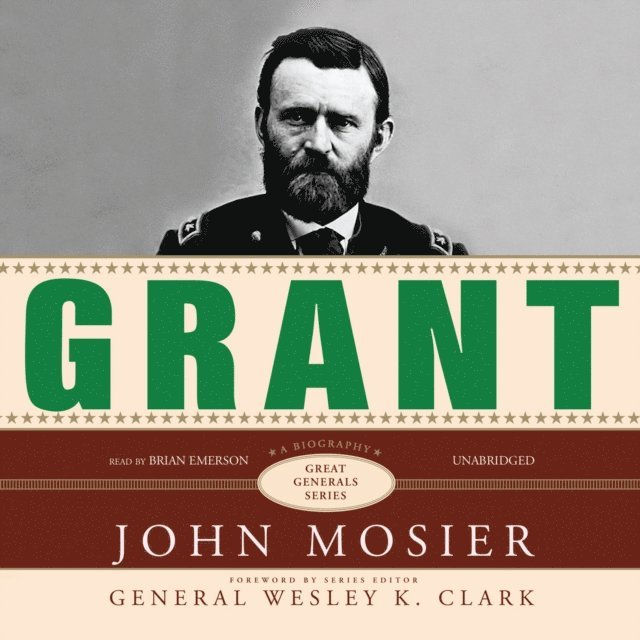
Grant
A Biography
Av John Mosier
Ljudbok, 2007
208 kr
Lägg i varukorg
In this addition to the Palgrave Great Generals Series, John Mosier brings to life the brilliant military strategist Ulysses S. Grant. A modest and unassuming man, Grant never lost a battle, leading the Union to victory over the Confederacy during the Civil War, ultimately becoming president of the …