John O. Greene – författare
593 kr
Skickas inom 10-15 vardagar
2 352 kr
Skickas inom 10-15 vardagar
2 120 kr
Skickas inom 10-15 vardagar
716 kr
Skickas inom 10-15 vardagar
2 055 kr
Skickas inom 10-15 vardagar
647 kr
Läs direkt efter köp
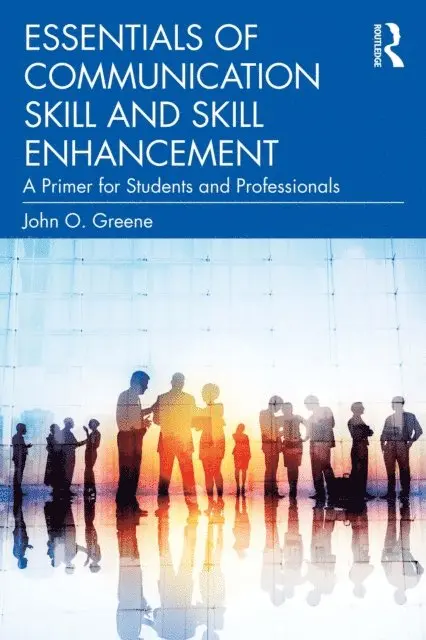
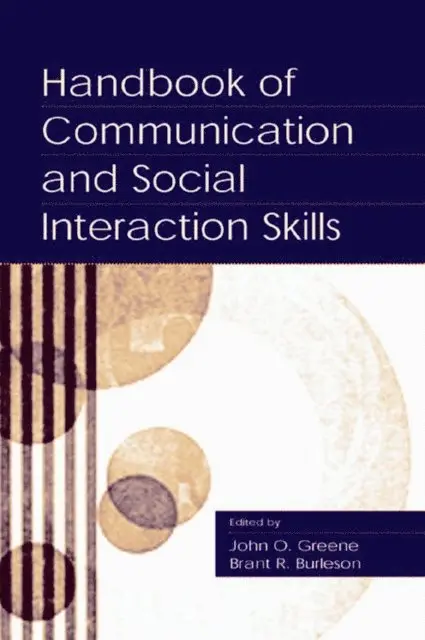
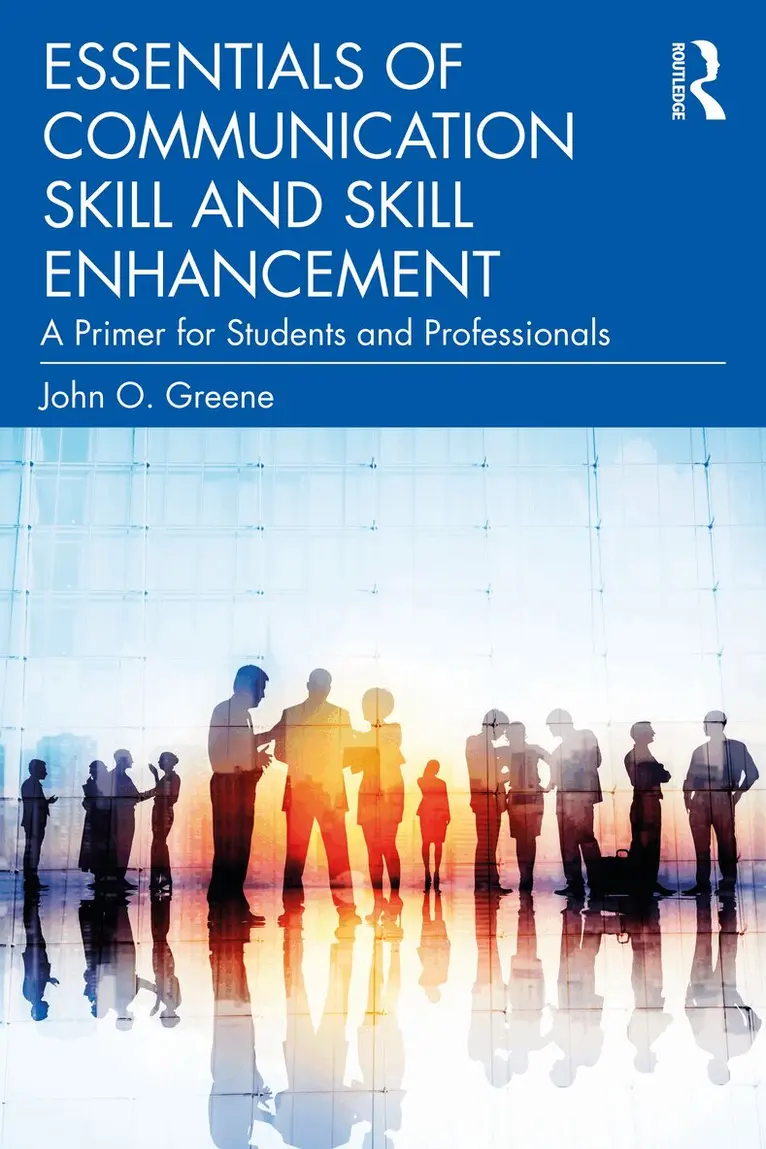
For those who wish to learn or teach the tools of skillful communication, this book provides concrete insight into what makes a person a successful communicator and guides readers in ways to improve their own communication skills and those of others.
Predicated on four simple notions – that communication can be done well or poorly, that communication skills matter, that people differ in those skills, and that those skills can be improved – the book helps readers identify and enhance their own communication strengths and address weaknesses, assess the communication skills of others, and coach others to improvement. Written in an accessible style, chapter highlights include an engaging review of the research on the practical implications of communication skills in our professional and personal lives. The nature of communication skill and issues in skill assessment are examined. Particular attention is given to understanding sources of communication-skill deficits and the design of effective communication-skill training programs. A final chapter examines the roles of technology, cross-cultural interaction, and aging as they relate to communication skill.
This book is written for students and professionals in fields such as human resources, sales, training, counseling, customer relations, education, health-care, and the ministry, with application for courses in professional communication, applied communication, and communication skills at the undergraduate, advanced professional degree, and continuing education levels.
670 kr
Läs direkt efter köp
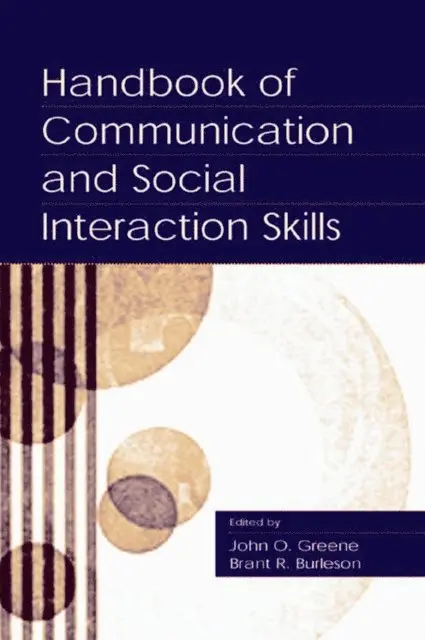
For those who wish to learn or teach the tools of skillful communication, this book provides concrete insight into what makes a person a successful communicator and guides readers in ways to improve their own communication skills and those of others.
Predicated on four simple notions – that communication can be done well or poorly, that communication skills matter, that people differ in those skills, and that those skills can be improved – the book helps readers identify and enhance their own communication strengths and address weaknesses, assess the communication skills of others, and coach others to improvement. Written in an accessible style, chapter highlights include an engaging review of the research on the practical implications of communication skills in our professional and personal lives. The nature of communication skill and issues in skill assessment are examined. Particular attention is given to understanding sources of communication-skill deficits and the design of effective communication-skill training programs. A final chapter examines the roles of technology, cross-cultural interaction, and aging as they relate to communication skill.
This book is written for students and professionals in fields such as human resources, sales, training, counseling, customer relations, education, health-care, and the ministry, with application for courses in professional communication, applied communication, and communication skills at the undergraduate, advanced professional degree, and continuing education levels.
2 385 kr
Läs direkt efter köp
2 385 kr
Läs direkt efter köp
874 kr
Läs direkt efter köp
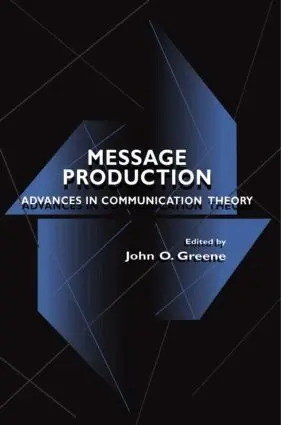
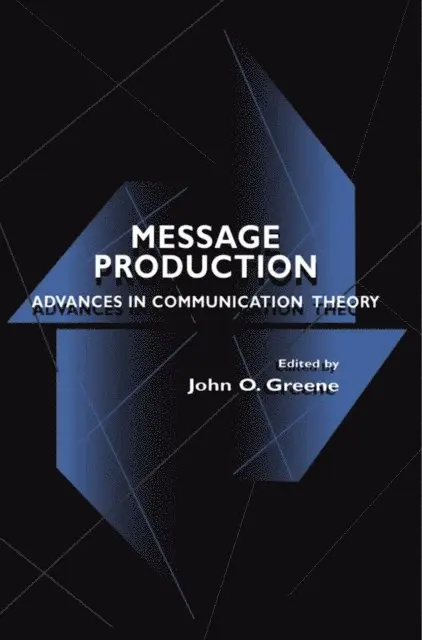
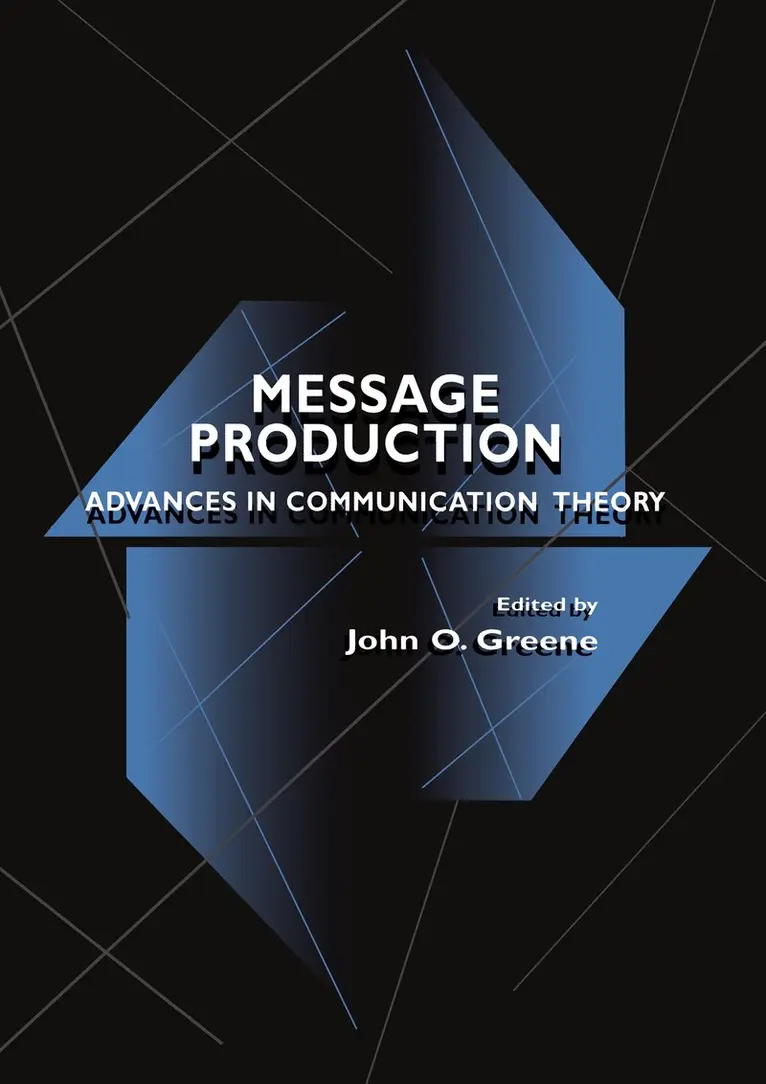
The last two decades have seen the development of a number of models that have proven particularly important in advancing understanding of message-production processes. Now it appears that a "second generation" of theories is emerging, one that reflects considerable conceptual advances over earlier models. Message Production: Advances in Communication Theory focuses on these new developments in theoretical approaches to verbal and nonverbal message production. The chapters reflect a number of characteristics and trends resident in these theories including: * the nature and source of interaction goals; * the impact of physiological factors on message behavior; * the prominence accorded conceptions of goals and planning; * attempts to apply models of intra-individual processes in illuminating inter-individual phenomena; * treatments which involve hybrid intentional/design-stance approaches; and * efforts to incorporate physiological constructs and to meld them with psychological and social terms. The processes underlying the production of verbal and nonverbal behaviors are exceedingly complex, so much so that they resist the development of unified explanatory schemes. The alternative is the mosaic of emerging theories such as are represented in this book -- each approach according prominence to certain message-production phenomena while obscuring others, and providing a window on some portion of the processes that give rise to those phenomena while remaining mute about other processes. The amalgam of these disparate treatments, then, becomes the most intellectually compelling characterization of message-production processes.
874 kr
Läs direkt efter köp
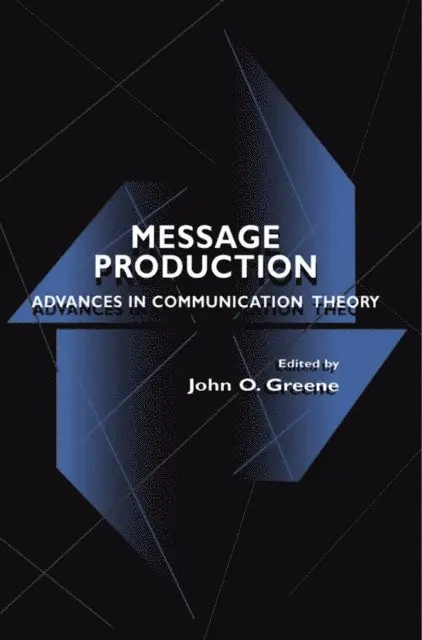
The last two decades have seen the development of a number of models that have proven particularly important in advancing understanding of message-production processes. Now it appears that a "second generation" of theories is emerging, one that reflects considerable conceptual advances over earlier models. Message Production: Advances in Communication Theory focuses on these new developments in theoretical approaches to verbal and nonverbal message production. The chapters reflect a number of characteristics and trends resident in these theories including: * the nature and source of interaction goals; * the impact of physiological factors on message behavior; * the prominence accorded conceptions of goals and planning; * attempts to apply models of intra-individual processes in illuminating inter-individual phenomena; * treatments which involve hybrid intentional/design-stance approaches; and * efforts to incorporate physiological constructs and to meld them with psychological and social terms. The processes underlying the production of verbal and nonverbal behaviors are exceedingly complex, so much so that they resist the development of unified explanatory schemes. The alternative is the mosaic of emerging theories such as are represented in this book -- each approach according prominence to certain message-production phenomena while obscuring others, and providing a window on some portion of the processes that give rise to those phenomena while remaining mute about other processes. The amalgam of these disparate treatments, then, becomes the most intellectually compelling characterization of message-production processes.
5 792 kr
Tillfälligt slut
792 kr
Läs direkt efter köp