John O.S. Wilson - Böcker
Visar alla böcker från författaren John O.S. Wilson. Handla med fri frakt och snabb leverans.
7 produkter
7 produkter
876 kr
Skickas inom 5-8 vardagar
The Oxford Handbook of Banking, Third Edition provides an overview and analysis of developments and research in this rapidly evolving field. Aimed at graduate students of economics, banking, and finance; academics; practitioners; regulators; and policy makers, it strikes a balance between abstract theory, empirical analysis, and practitioner and policy-related material. Split into five distinct parts The Oxford Handbook of Banking is a one-stop source of relevant research in banking. It examines the theory of banking, bank operations and performance, regulatory and policy perspectives, macroeconomic perspectives in banking, and international differences in banking structures and environments. Taking a global perspective it examines banking systems in the United States, China, Japan, Australia and New Zealand, Africa, the European Union, transition countries of Europe, and Latin America. Thematic issues covered include financial innovation and technological change; consumer and mortgage lending; Islamic banking; and how banks influence real economic activity.Fully revised and now including brand new chapters on a range of geographical regions, bank bailouts and bail-ins, and behavioral economics amongst many other topics, this third edition of The Oxford Handbook of Banking provides readers with insights to seminal and contemporary research in banking and an opportunity to learn about the diversity of financial systems around the world.
2 536 kr
Skickas inom 5-8 vardagar
The Oxford Handbook of Banking, Third Edition provides an overview and analysis of developments and research in this rapidly evolving field. Aimed at graduate students of economics, banking, and finance; academics; practitioners; regulators; and policy makers, it strikes a balance between abstract theory, empirical analysis, and practitioner and policy-related material. Split into five distinct parts The Oxford Handbook of Banking is a one-stop source of relevant research in banking. It examines the theory of banking, bank operations and performance, regulatory and policy perspectives, macroeconomic perspectives in banking, and international differences in banking structures and environments. Taking a global perspective it examines banking systems in the United States, China, Japan, Australia and New Zealand, Africa, the European Union, transition countries of Europe, and Latin America. Thematic issues covered include financial innovation and technological change; consumer and mortgage lending; Islamic banking; and how banks influence real economic activity.Fully revised and now including brand new chapters on a range of geographical regions, bank bailouts and bail-ins, and behavioral economics amongst many other topics, this third edition of The Oxford Handbook of Banking provides readers with insights to seminal and contemporary research in banking and an opportunity to learn about the diversity of financial systems around the world.
2 037 kr
Skickas inom 7-10 vardagar
The Oxford Handbook of Banking provides an overview and analysis of state-of-the-art research in banking written by leading researchers in the field. This Handbook will appeal to graduate students of economics, banking and finance, academics, practitioners and policy makers. Consequently, the book strikes a balance between abstract theory, empirical analysis, and practitioner and policy-related material.The handbook is split into five parts. Part I, The Theory of Banking, examines the role of banks in the wider financial system, why banks exist, how they function, and their legal and governance structures. Part II entitled Regulatory and Policy Perspectives discusses monetary policy, prudential regulation and supervision, and antitrust policy. Part III of the book deals with bank performance. A number of issues are assessed including efficiency, financial innovation and technological change, globalization and ability to deliver small business, consumer, and mortgage lending services. Part IV of the book provides an overview of macroeconomic perspectives in banking. This part of the book includes a discussion of the determinants of bank failures and crises, and the impact on financial stability, institutional development, and economic growth. Part V examines International Differences In Banking Structures And Environments. This part of the handbook examines banking systems in the United States, Western Europe, Transition countries, Latin America, Japan and the Developing nations of Asia.
735 kr
Skickas inom 5-8 vardagar
The Oxford Handbook of Banking provides an overview and analysis of state-of-the-art research in banking written by leading researchers in the field. This handbook will appeal to graduate students of economics, banking and finance, academics, practitioners and policy makers. Consequently, the book strikes a balance between abstract theory, empirical analysis, and practitioner and policy-related material. The handbook is split into five parts. Part I, The Theory of Banking, examines the role of banks in the wider financial system, why banks exist, how they function, and their legal and governance structures. Part II entitled Regulatory and Policy Perspectives discusses monetary policy, prudential regulation and supervision, and antitrust policy. Part III deals with Bank Performance. A number of issues are assessed including efficiency, financial innovation and technological change, globalization and ability to deliver small business, consumer, and mortgage lending services. Part IV of the book provides an overview of Macroeconomic Perspectives in Banking. This part includes a discussion of the determinants of bank failures and crises, and the impact on financial stability, institutional development, and economic growth. Part V examines International Differences in Banking Structures and Environments. This part of the handbook examines banking systems in the United States, Western Europe, Transition countries, Latin America, Japan and the developing nations of Asia.
1 788 kr
Skickas inom 7-10 vardagar
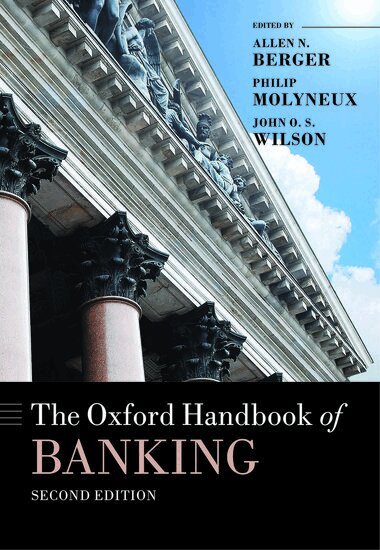
The Oxford Handbook of Banking, Second Edition provides an overview and analysis of developments and research in banking written by leading researchers in the field. This handbook will appeal to graduate students of economics, banking and finance, academics, practitioners, regulators, and policy makers. Consequently, the book strikes a balance between abstract theory, empirical analysis, and practitioner, and policy-related material. The Handbook is split into five parts. Part I, The Theory of Banking, examines the role of banks in the wider financial system, why banks exist, how they function, and their corporate governance and risk management practices. Part II deals with Bank Operations and Performance. A range of issues are covered including bank performance, financial innovation, and technological change. Aspects relating to small business, consumer, and mortgage lending are analysed together with securitization, shadow banking, and payment systems. Part III entitled Regulatory and Policy Perspectives discusses central banking, monetary policy transmission, market discipline, and prudential regulation and supervision. Part IV of the book covers various Macroeconomic Perspectives in Banking. This part includes a discussion of systemic risk and banking and sovereign crises, the role of the state in finance and development as well as how banks influence real economic activity. The final Part V examines International Differences in Banking Structures and Environments. This part of the Handbook examines banking systems in the United States, European Union, Japan, Africa, Transition countries, and the developing nations of Asia and Latin America.
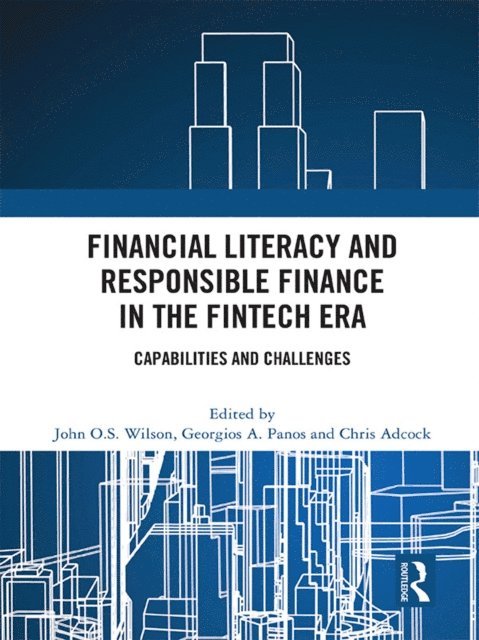
Financial Literacy and Responsible Finance in the FinTech Era
Capabilities and Challenges
Inbunden, Engelska, 2021
2 088 kr
Skickas inom 10-15 vardagar
A growing body of evidence suggests that financial literacy plays an important role in financial well-being, and that differences in financial knowledge acquired early in life can explain a significant part of financial and more general well-being in adult life. Financial technology (FinTech) is revolutionizing the financial services industry at an unrivalled pace. Views differ regarding the impact that FinTech is likely to have on personal financial planning, well-being and societal welfare. In an era of mounting student debt, increased (digital) financial inclusion and threats arising from instances of (online) financial fraud, financial education and enlightened financial advising are appropriate policy interventions that enhance financial and overall well-being. Financial Literacy and Responsible Finance in the FinTech Era: Capabilities and Challenges engages in this important academic and policy agenda by presenting a set of seven chapters emanating from four parallel streams of literature related to financial literacy and responsible finance. The chapters in this book were originally published as a special issue of The European Journal of Finance.
Financial Literacy and Responsible Finance in the FinTech Era
Capabilities and Challenges
Häftad, Engelska, 2023
617 kr
Skickas inom 10-15 vardagar
A growing body of evidence suggests that financial literacy plays an important role in financial well-being, and that differences in financial knowledge acquired early in life can explain a significant part of financial and more general well-being in adult life. Financial technology (FinTech) is revolutionizing the financial services industry at an unrivalled pace. Views differ regarding the impact that FinTech is likely to have on personal financial planning, well-being and societal welfare. In an era of mounting student debt, increased (digital) financial inclusion and threats arising from instances of (online) financial fraud, financial education and enlightened financial advising are appropriate policy interventions that enhance financial and overall well-being. Financial Literacy and Responsible Finance in the FinTech Era: Capabilities and Challenges engages in this important academic and policy agenda by presenting a set of seven chapters emanating from four parallel streams of literature related to financial literacy and responsible finance. The chapters in this book were originally published as a special issue of The European Journal of Finance.