John P. Cann – författare
Visar alla böcker från författaren John P. Cann. Handla med fri frakt och snabb leverans.
12 produkter
12 produkter
Häftad, Engelska, 2012
324 kr
Skickas
Häftad, Engelska, 2013
313 kr
Skickas
E-bok
Engelska, 2021123 kr
Läs direkt efter köp
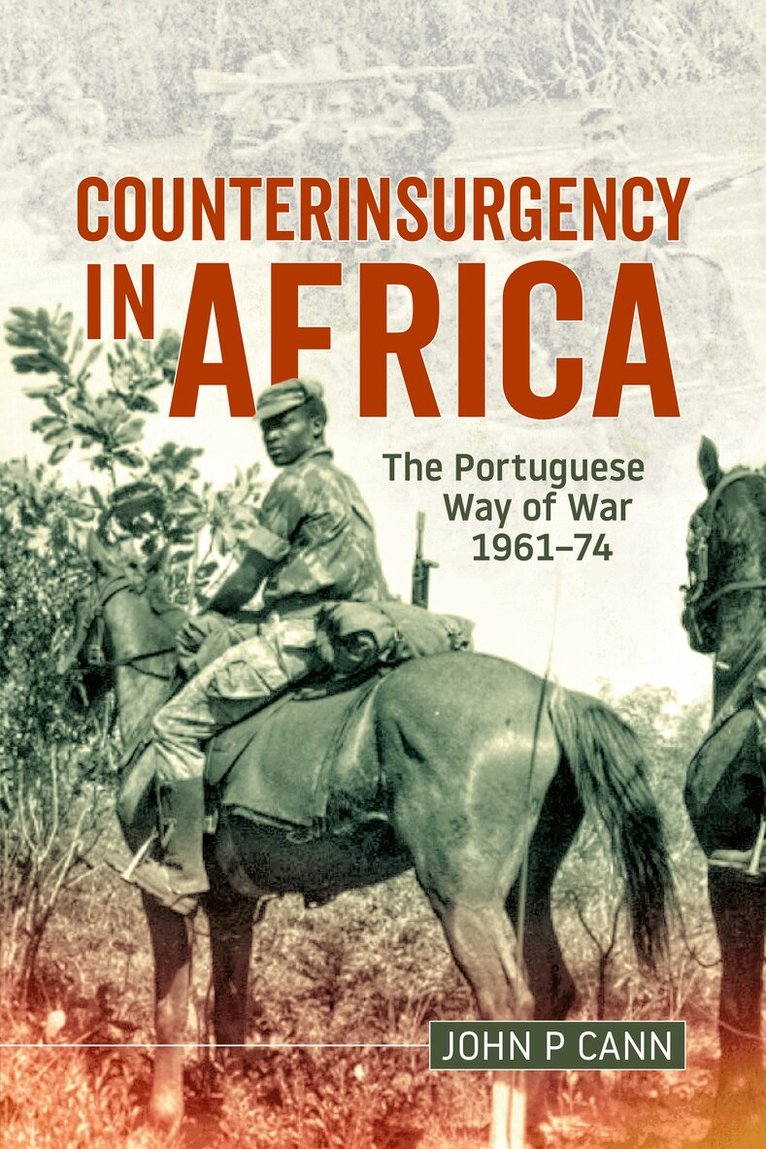
Portugal was the first colonial power to arrive in Africa and the last to leave. As other European states were granting independence to their African possessions, Portugal chose to stay and fight despite the small odds of success. That it did so successfully for thirteen years across the three fronts of Angola, Guiné and Mozambique remains a remarkable achievement, particularly for a nation of such modest means. The Portugese approach to the conflict was distinct in that it sought to combine the two-pronged national strategy of containing the cost of the war and of spreading the burden to the colonies, with the solution on the battlefield. Even today Portugal's systematic and logical approach to its insurgency challenge holds valuable lessons for any nation forced to wage a small war on the cheap. John P. Cann's study is both wide-ranging and comprehensive, providing a description and analysis of Portugese counterinsurgency, including aspects such as intelligence and mobility, besides discussing social and logistical operations. Whilst discussing operations that took place during the 1960s and 1970s this study remains very relevant to present-day counterinsurgency operations.
Del 11 - Africa@War
The Flechas
Insurgent Hunting in Eastern Angola, 1965–1974
Häftad, Engelska, 2014
218 kr
Skickas
Häftad, Engelska, 2015
324 kr
Skickas
E-bok
Engelska, 2021123 kr
Läs direkt efter köp
During World War II, Portugal played its cards uncommonly well as a neutral and subsequently became a member of NATO. This membership resulted in a modernizing of its navy and its integration into the Atlantic Alliance. By 1960, when other colonial powers were abandoning their empires, Portugal made the decision to cling to its possessions, as they had been Portuguese for over 400 years. Without them Portugal saw itself as only a small European country, whereas with them, it would be a great nation. Portugal ultimately would fight a 13-year debilitating war against various nationalist movements in Africa to retain its possessions. By the mid-1950s, it became apparent to the Portuguese Navy that it would fight in Africa, and it began to make preparations. Ultimately, it would perform a near wholesale conversion from the blue water or oceanic navy that supported NATO to a brown water or riverine one to fight in Africa. This is the story of that conversion and the great "battle of the rivers" in Africa. This naval reorientation was a remarkable achievement, in that Portugal not only learned to fight a new kind of war, it built a navy to accomplish this and did so while shouldering its NATO commitments. The Portuguese Navy in developing a specialized naval force clearly foresaw the paramount economic, military, and psychological importance of controlling the interior waterways of Africa, for the infrastructure there was universally primitive. While there was generally a road network radiating from the colonial capital, the primary routes used clandestinely by insurgents were chiefly the waterways. The job of the navy was to foreclose enemy use of these lines of communication, and this it did with great success. The lessons from this experience tend to be forgotten, as this war was overshadowed by the U.S. conflict in Vietnam. Today, however, riverine operations are experiencing a renaissance in reaction to the "war of the weak." While modern boats are more technologically advanced, and their crews use newer and better equipment and weapons, the problems and their solutions remain largely the same. The operating environment remains the rivers, bayous, salt pans, canals, lakes, and deltas extending inland from the coast. The population remains a vulnerable target, and the need to establish a permissive environment continues as the primary goal. Clearly, the legacy of the Portuguese brown water navy remains relevant today.
E-bok
Engelska, 2021123 kr
Läs direkt efter köp
Following the 1952 reorganization of the Portuguese Air Force from the army and naval air arms, Portugal now had an entity dedicated solely to aviation that would bring it into line with its new NATO commitment. As it proceeded to develop a competence in modern multiengine and jet fighter aircraft for its NATO role and train a professional corps of pilots, it was suddenly confronted in 1961 with fighting insurgencies in all three of its African possessions. This development forced it to acquire an entirely new and separate air force, the African air force, to address this emerging danger. This is the story of just how Portuguese leadership anticipated and dealt with this threat, and how it assembled an air force from scratch to meet it. The aircraft available at the time were largely castoffs from the larger, richer, and more sophisticated air forces of its NATO partners and not designed for counterinsurgency. Yet Portugal adapted them to the task and effectively crafted the appropriate strategies and tactics for their successful employment. The book explores the vicissitudes of procurement, an exercise fraught with anti-colonial political undercurrents, the imaginative modification and adaptation of the aircraft to fight in the African theaters, and the development of tactics, techniques, and procedures for their effective employment against an elusive, clever, and dangerous enemy. Advances in weaponry, such as the helicopter gun ship, were the outgrowth of combat needs. The acquired logistic competences assured that the needed fuel types and lubricants, spare parts, and qualified maintenance personnel were available in even the most remote African landing sites. The advanced flying skills, such as visual reconnaissance and air-ground coordinated fire support, were honed and perfected. All of these aspects and more are explored and hold lessons in the application of airpower in any insurgency today.
Del 25 - Africa@War
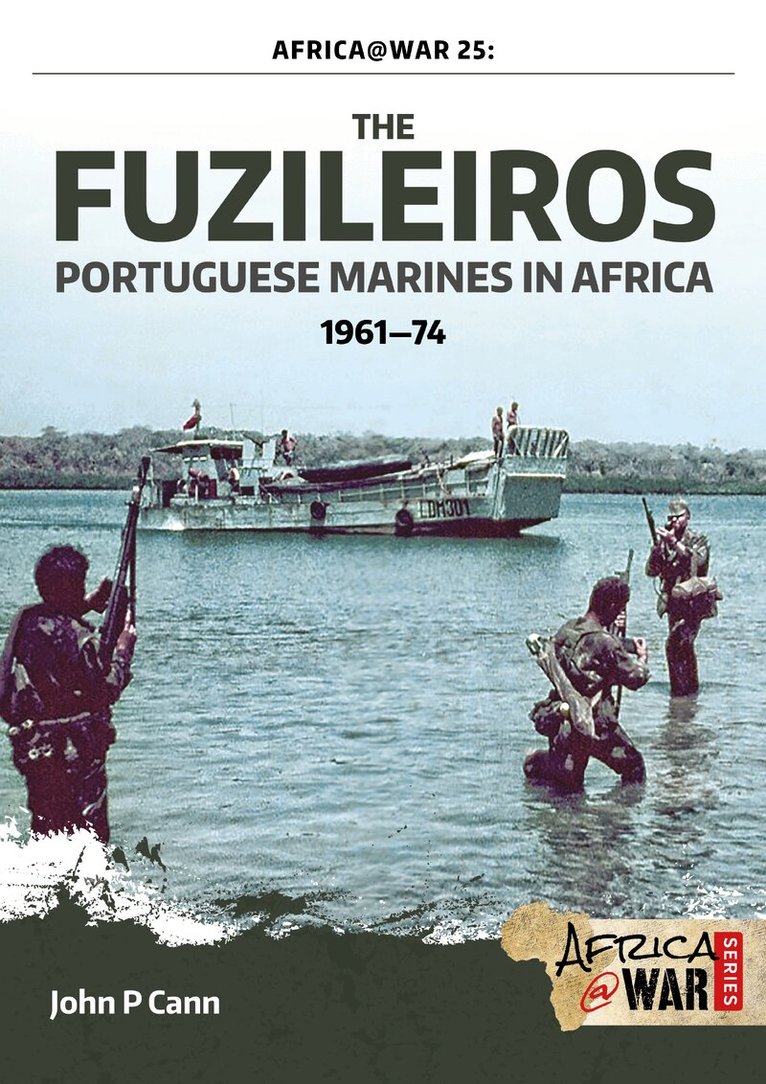
The Fuzileiros
Portuguese Marines in Africa, 1961–1974
Häftad, Engelska, 2016
218 kr
Skickas
Del 27 - Africa@War
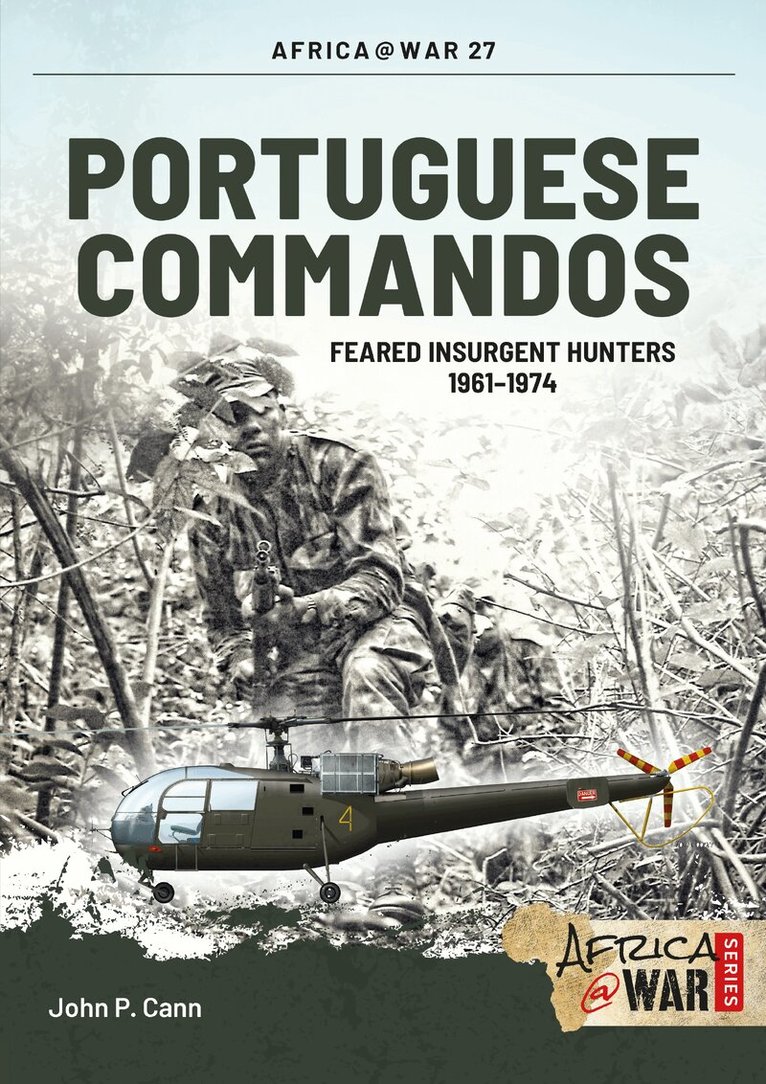
Portuguese Commandos
Feared Insurgent Hunters, 1961-1974
Häftad, Engelska, 2017
218 kr
Skickas
E-bok
Engelska, 2021123 kr
Läs direkt efter köp
In 1961, Portugal found itself fighting a war to retain its colonial possessions and preserve the remnants of its Empire. It was almost completely unprepared to do so, and this was particularly evident in its ability to project power and to control the vast colonial spaces of Africa. Following the uprisings of March 1961 in the north of Angola, Portugal poured troops into the colony as fast as its creaking logistic system would allow; however, these new arrivals were not competent and did not possess the skills needed to fight a counterinsurgency. While counterinsurgency by its nature requires substantial numbers of light infantry, the force must be trained in the craft of fighting a ‘small war’ to be effective. The majority of the arriving troops had no such indoctrination and had been readied at an accelerated pace. Even their uniforms were hastily crafted and not ideally suited to fighting in the bush. In reoccupying the north and addressing the enemy threat, Portugal quickly realized that its most effective forces were those with special qualifications and advanced training. Unfortunately there were only very small numbers of such elite forces. The maturing experiences of the Portuguese and their consequent adjustments to fight a counterinsurgency led to the development of specialized, tailored units to close the gaps in skills and knowledge between the insurgents and their forces. This book is about the Fuzileiros or Portuguese marines, a naval force that operated in the riverine littorals of Africa and that was both feared by the enemy and loved by those loyal to Portugal. The Fuzileiros underwent one of the longest and most physically demanding specialist infantry training regimes in the world, lasting some forty-two weeks. Perhaps only 15 to 35 percent of the inductees eventually passed the course and were awarded the traditional and highly coveted navy blue beret. When deployed to Africa, they underwent further acclimation for weeks until they were able to move through the slime and mud of a riverbank with ease, as their lives depended on it. They became experts at riverine warfare and regularly ranged inland on extended patrols, many of which are recounted here. They were comfort able with the uncomfortable fighting environment, and this ability translated into an unpredictability that the enemy feared. This book is the story of how they came to be formed and organized, the initial teething difficulties, and their unqualified successes.
Del 28 - Africa@War
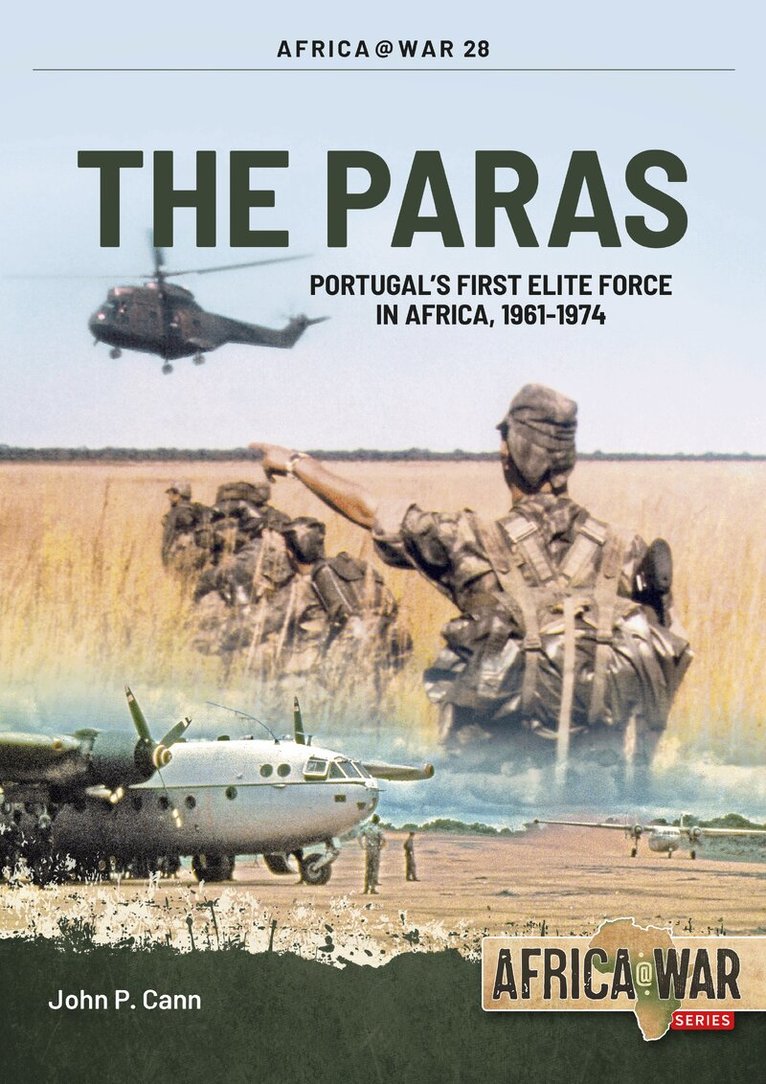
The Paras
Portugal’s First Elite Force in Africa, 1961-1974
Häftad, Engelska, 2017
218 kr
Skickas
Del 42 - Africa@War
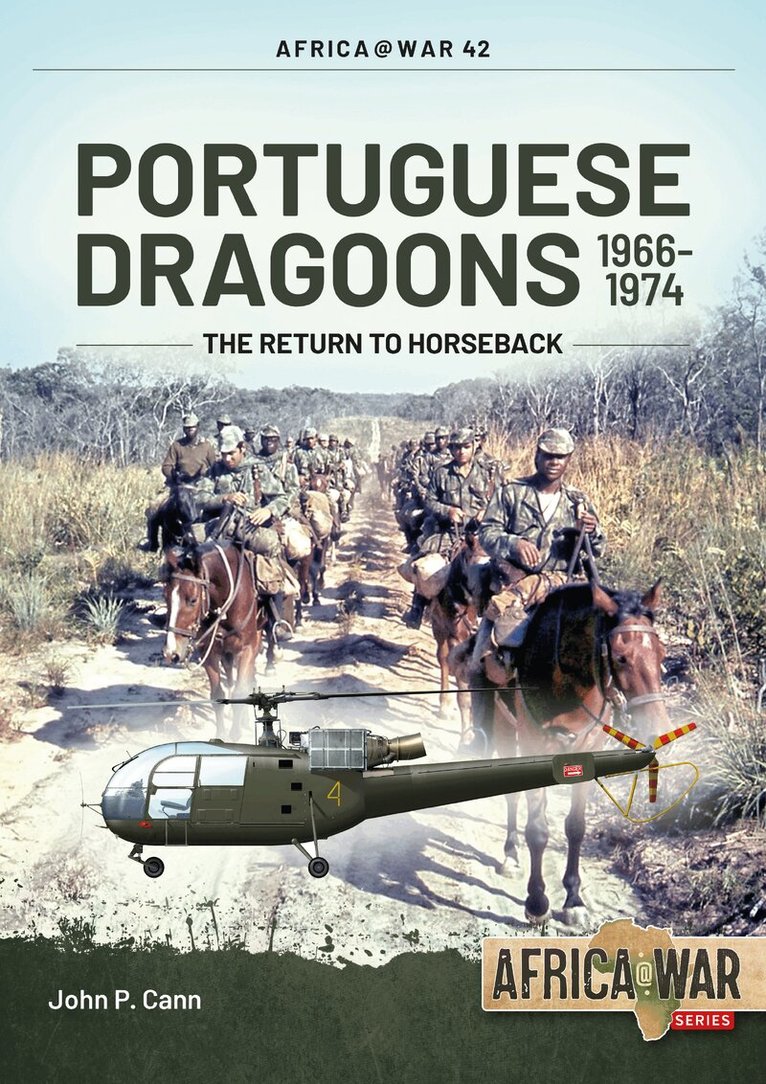
Portuguese Dragoons 1966-1974
The Return to Horseback
Häftad, Engelska, 2019
211 kr
Skickas